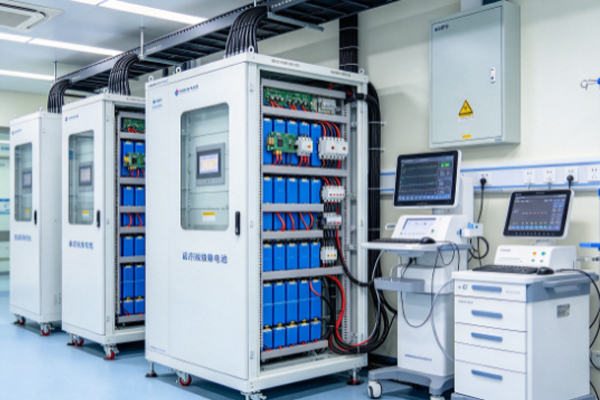
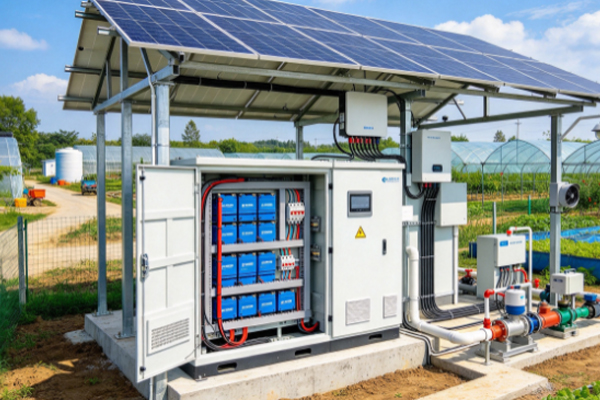
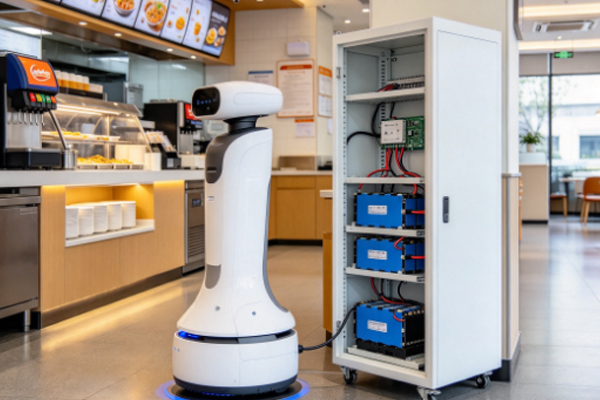
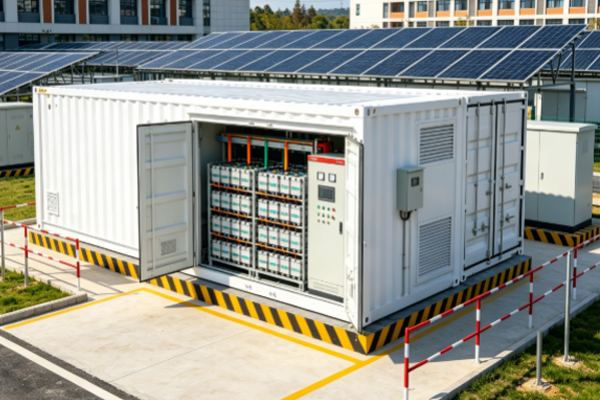
Schools increasingly depend on stable electricity for information technology equipment, network systems, laboratory instruments, surveillance platforms, and smart teaching terminals. Short voltage fluctuations, sudden power outages, or unstable power input can affect computers, data storage, and teaching systems. When a UPS power supply is combined with LiFePO4 batteries, the system can provide backup power rapidly when grid power becomes abnormal, giving critical equipment sufficient time to maintain stable operation. Compared with traditional lead-acid batteries, LiFePO4 batteries offer lighter weight, longer cycle life, high charging and discharging efficiency, and lower maintenance requirements. They are suitable for school server rooms, network centers, laboratories, monitoring centers, and smart campus equipment rooms. Through coordinated operation between the UPS unit, lithium battery pack, BMS, and power distribution equipment, schools can establish a reliable backup power solution for long-term operation.
Advantages and Configuration Methods of LiFePO4 UPS Battery Systems for Schools
A school UPS lithium battery system mainly provides short-term backup power, critical equipment protection, and energy support during abnormal power conditions. The system should be configured according to load power, required backup time, equipment type, installation space, and future expansion requirements. The UPS output parameters must also match the input requirements of campus equipment. Proper configuration helps prevent insufficient battery capacity while avoiding unnecessary space and investment caused by excessive battery capacity.
Advantages of LiFePO4 Batteries for School UPS Systems
LiFePO4 batteries offer good cycling performance and thermal stability, making them suitable for UPS applications that involve long standby periods, periodic battery testing, and regular charging and discharging. The battery system can use a Battery Management System (BMS) to monitor operating conditions and coordinate charging, discharging, and protection functions with the UPS.
- Flexible backup duration: Different battery capacities can be selected according to the power consumption and required backup time of servers, network equipment, monitoring systems, and other critical loads.
- Long service life: LiFePO4 batteries are suitable for long-term operation and can reduce maintenance work caused by frequent battery replacement.
- Efficient space utilization: Modular lithium battery systems can use a more compact design, making them suitable for server rooms and electrical rooms where installation space is limited.
- Convenient maintenance: The BMS continuously monitors voltage, temperature, current, and SOC, helping school staff understand battery operating conditions.
These characteristics make LiFePO4 batteries an important energy storage component in school UPS systems, providing reliable backup power for critical campus equipment.
How to Use LiFePO4 Batteries with School UPS Systems
After the UPS is connected to the grid, it continuously supplies stable AC power to connected equipment while charging the LiFePO4 battery system. When a power outage, abnormal voltage condition, or grid interruption occurs, the UPS switches to battery mode and uses the lithium battery through its inverter module to provide AC power to the loads. For important equipment such as servers, network switches, monitoring devices, and teaching terminals, the actual power consumption and required backup duration should be calculated before selecting the appropriate battery capacity. During normal operation, schools can schedule regular battery inspections and capacity tests while using the BMS and UPS monitoring system to check battery SOC, temperature, and alarm status. If the system is installed in an environment with high temperature, high humidity, or insufficient ventilation, the installation conditions should be improved to maintain a suitable operating environment for the batteries.
Reference Configuration Table for School UPS Lithium Batteries
The battery configuration of a school UPS system should normally be determined according to UPS rated power, load rate, and target backup duration. The following table can be used as a reference during the initial solution design:
| Application Equipment | Typical Load | Configuration Focus | Recommended Equipment |
| Campus Servers | Data storage and application services | Focus on continuous backup duration | UPS, LiFePO4 Battery, BMS |
| Network Rooms | Switches, routers, firewalls | Focus on rapid power switching | UPS, BMS, Power Distribution Equipment |
| Monitoring Centers | Monitoring hosts and displays | Maintain continuous operation of critical equipment | UPS, LiFePO4 Battery |
| Laboratories | Precision instruments and control terminals | Prioritize voltage stability | UPS, BMS, Monitoring System |
| Smart Classrooms | Computers, projectors, interactive equipment | Configure capacity according to equipment power | UPS, Lithium Battery Pack |
| Campus Broadcasting Systems | Broadcasting hosts and amplifiers | Maintain operation during abnormal power conditions | UPS, BMS, Power Distribution System |
Matching battery capacity with actual load power and backup duration allows the UPS lithium battery system to better meet the school’s operational requirements.
Application Scenarios and Core Functions of School UPS Lithium Batteries
School UPS lithium batteries are not limited to server rooms. They can also support teaching and administrative facilities that require continuous and stable power. Schools can classify power supply areas according to equipment importance and configure suitable UPS systems for servers, network communications, monitoring equipment, laboratory instruments, and smart teaching systems. By establishing power supply priorities, available battery energy can be allocated to critical equipment more effectively.
UPS Power for Server Rooms, Network Centers, and Data Equipment
Campus server rooms and network centers often contain servers, switches, routers, firewalls, storage equipment, and other IT infrastructure. These devices are sensitive to sudden power interruptions, which can cause service interruptions, abnormal data writing, or network disconnection. A UPS lithium battery system can quickly take over power supply when grid electricity becomes abnormal, giving IT personnel sufficient time to shut down servers, save data, or activate additional backup power equipment. For network devices that need continuous operation, schools can select larger battery capacities to extend backup duration. Modular battery packs can also be added when longer backup time is required.
UPS Applications for Laboratories and Smart Teaching Equipment
School laboratories may use measuring instruments, automatic control equipment, laboratory computers, and data acquisition terminals that require stable power. Power fluctuations can interrupt experimental procedures or result in data loss. UPS lithium batteries can provide stable backup power for these devices and reduce unexpected restarts caused by sudden power interruptions. Smart classrooms, electronic reading rooms, and multimedia teaching areas can also use UPS systems to protect computers, network terminals, interactive equipment, and control systems. Prioritizing equipment according to its importance helps make better use of available battery energy.
Protection and Intelligent Management Functions of UPS Lithium Battery Systems
A school UPS lithium battery solution can integrate a BMS, UPS monitoring platform, and intelligent power distribution equipment for comprehensive system management. The BMS monitors individual cell voltage, battery temperature, current, SOC, and other operating parameters while providing appropriate protection measures. The UPS manages the transition between grid power and battery power while maintaining stable output voltage and frequency. An intelligent monitoring platform can record battery charging and discharging conditions, alarm information, and operating data, allowing facility managers to identify potential problems more efficiently.
- Battery status monitoring: Real-time voltage, current, temperature, and SOC data help staff understand the remaining battery energy.
- Abnormal condition protection: Protection against overcharging, over-discharging, overcurrent, and overtemperature conditions helps reduce the risk of abnormal battery operation.
- Operating data management: UPS operating status, battery information, and historical alarms can be recorded for maintenance and troubleshooting.
- Remote monitoring: Large campuses can use network-based platforms to monitor UPS equipment installed in different buildings and server rooms.
Intelligent management reduces the workload associated with manual inspections and helps schools establish a more systematic UPS power maintenance process.
Performance, Safety, and Long-Term Operation of School UPS Lithium Batteries
School UPS power systems may remain in standby mode for extended periods while also undergoing periodic charging and discharging, making cycle performance, charging efficiency, thermal management, and safety protection important considerations. LiFePO4 batteries offer good thermal stability and can maintain stable operation when used under suitable temperature and charging conditions. The UPS system should also use appropriate discharge cutoff parameters according to actual loads to prevent prolonged deep discharge. During installation, sufficient ventilation and maintenance space should be maintained around the battery cabinet, together with necessary temperature monitoring and fire safety equipment. For larger schools, modular battery cabinets can be used to manage UPS systems for different server rooms or critical buildings independently. Routine maintenance can be performed through the BMS and UPS monitoring platform by checking battery capacity, cell voltage differences, temperature changes, and historical alarm records, while regular testing should follow the battery and UPS manufacturer’s requirements. As the number of campus servers increases, smart teaching equipment is upgraded, or network infrastructure expands, the UPS lithium battery system can also be upgraded by adding battery modules or increasing UPS capacity. This allows the backup power system to continue meeting the changing power requirements of modern school information infrastructure.