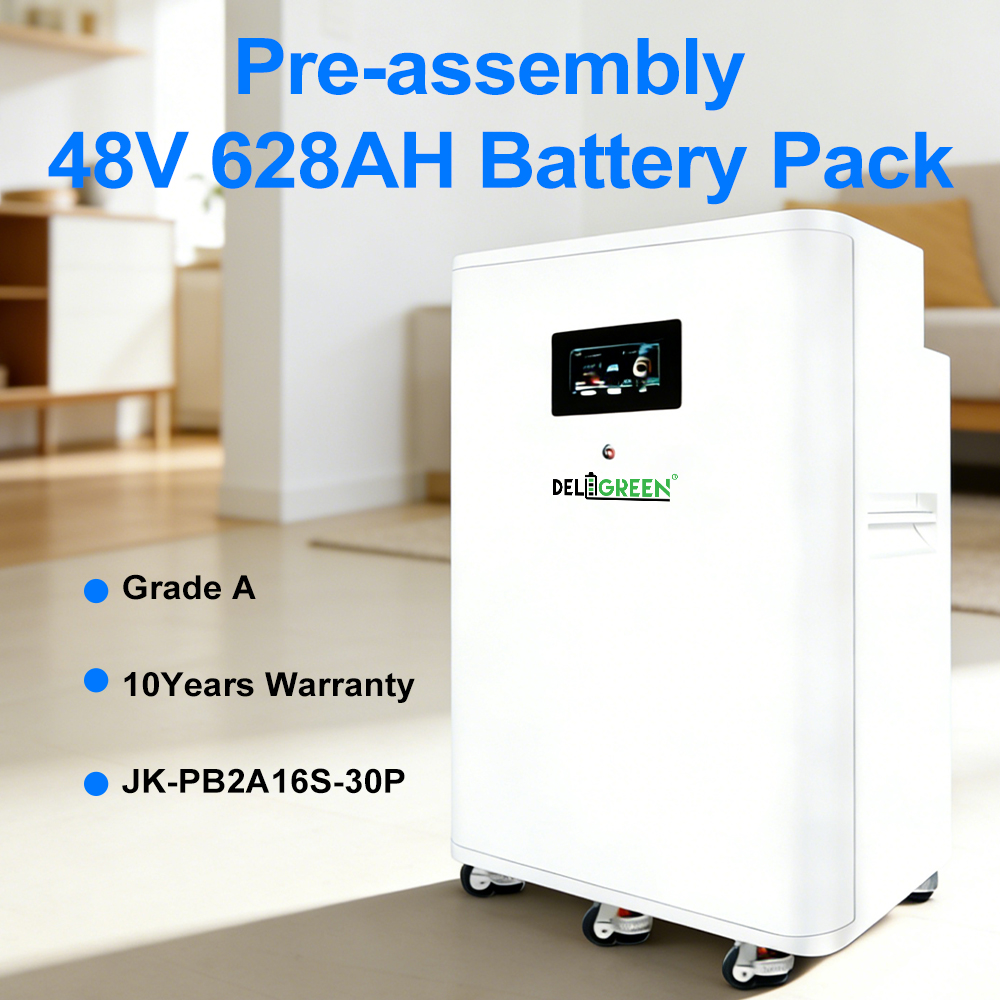
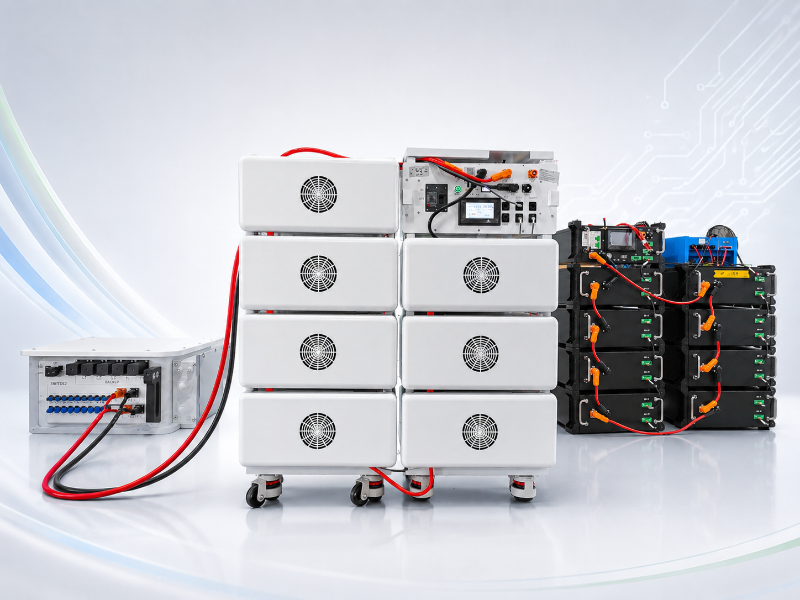
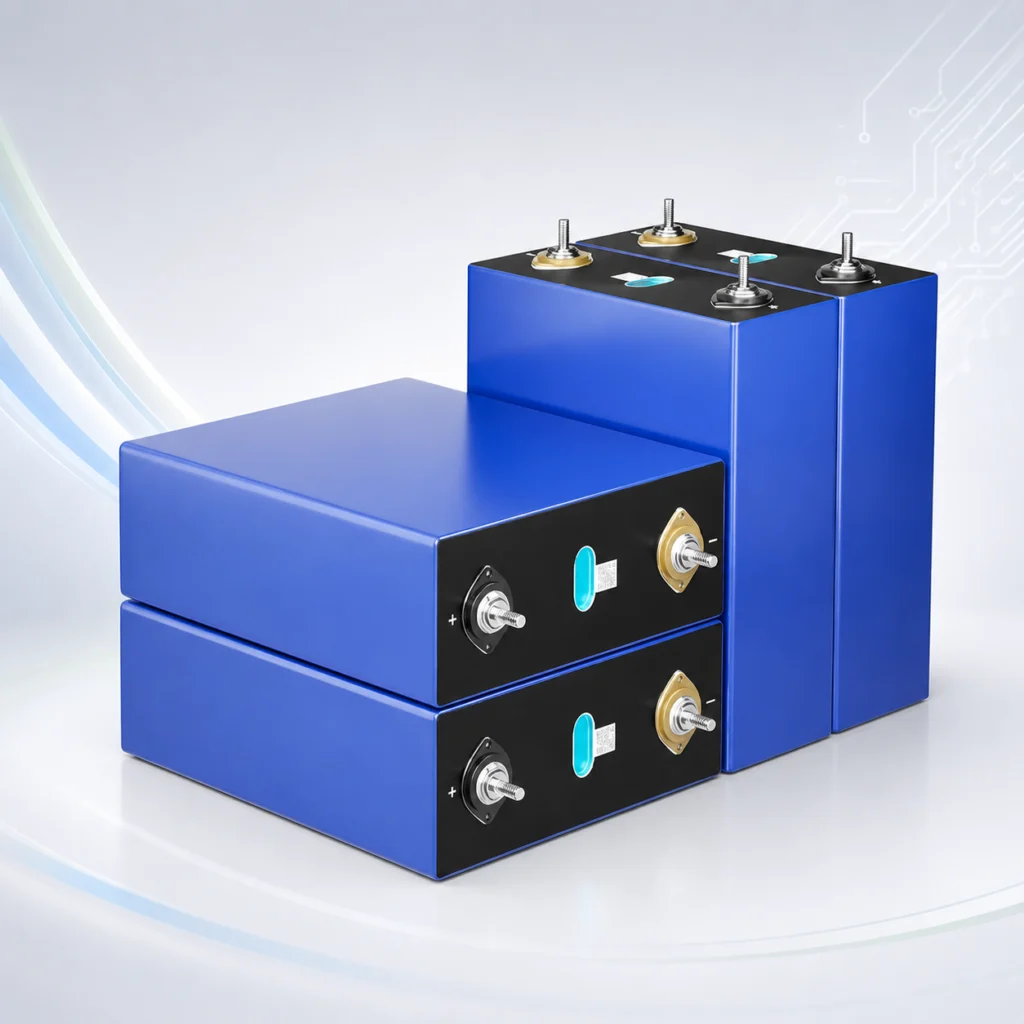
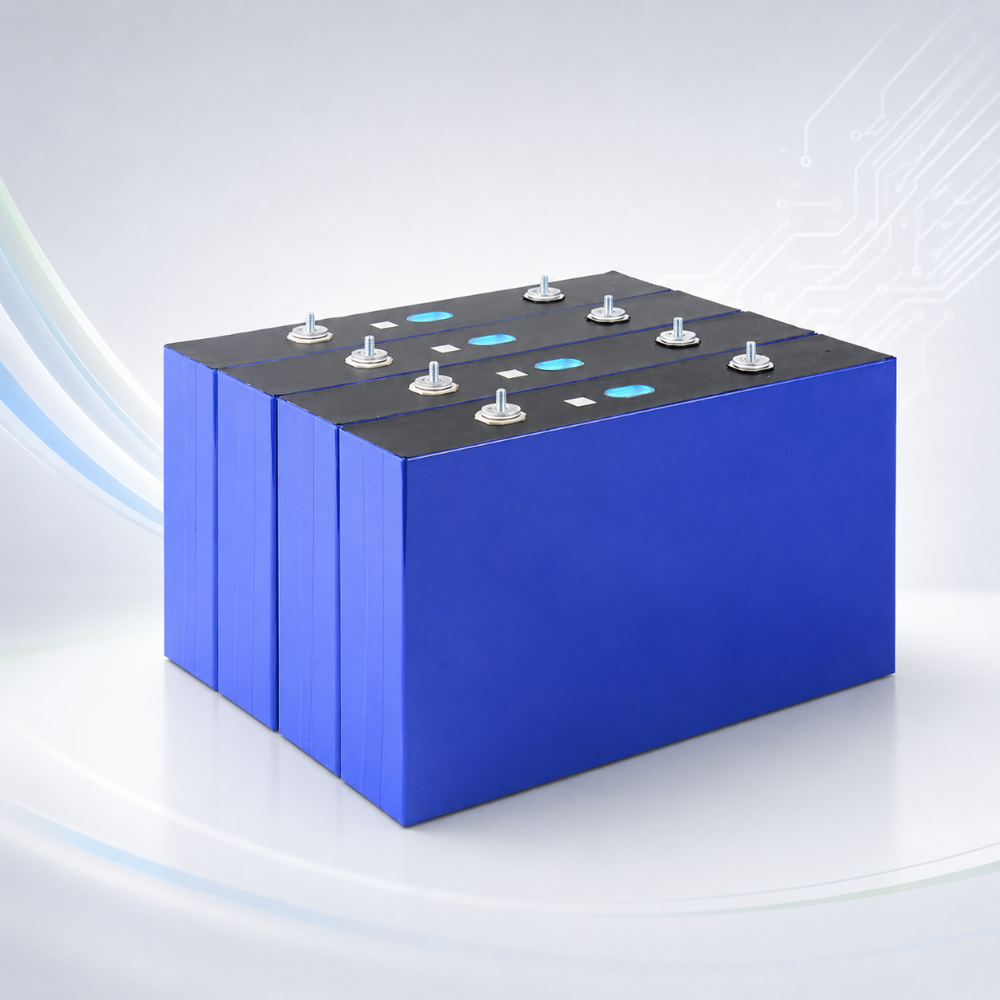
Lithium deep cycle batteries are energy storage batteries specifically designed for repeated charging and discharging. They are commonly used in solar energy storage systems, RVs, boats, outdoor power supplies, communication equipment, and off-grid power systems. These applications often require equipment to operate continuously for extended periods, sometimes without access to an external power source. Therefore, batteries must not only provide sufficient energy but also offer good cycle performance, stable power output, and a long service life.

Unlike batteries primarily designed for short-term starting applications, lithium deep cycle batteries focus on continuous power supply and repeated charge and discharge cycles. Under appropriate operating conditions, they can deliver a large proportion of their usable energy. With a suitable battery management system, they can also control the charging and discharging process to help equipment operate reliably. For users who need electricity for extended periods, choosing the right lithium deep cycle battery can help reduce the need for frequent recharging and minimize battery maintenance.
Higher Usable Capacity Meets Continuous Power Demands
One important reason lithium deep cycle batteries are suitable for long-term power supply is their ability to deliver a substantial amount of usable energy within a reasonable discharge range. For electrical appliances and equipment that need to operate continuously, the rated battery capacity is important, but the actual operating time depends on how much energy can be used in practice.
Deep Discharge Capability Is Better Suited to Everyday Energy Storage
Conventional starting batteries are primarily designed to deliver high starting currents for short periods and are not suitable for repeated deep discharging over long periods. Lithium deep cycle batteries, however, are designed for continuous power supply and repeated cycling. When operated within the specified product limits, they can utilize a large proportion of their rated capacity. Users can plan their power supply duration according to equipment energy consumption, reducing situations in which a battery still has considerable rated capacity remaining but cannot continue powering the equipment.
Estimate Power Supply Duration Based on Equipment Power Consumption
When selecting a battery, users should first identify the equipment that needs power and calculate its operating wattage. The estimated runtime can then be determined based on the battery’s usable energy.
Home Energy Storage: Provides backup power for lighting, routers, and some small household appliances.
RV Power Supply: Supports RV refrigerators, lighting, fans, and other equipment that meets the battery’s output requirements.
Solar Energy Storage: Stores electricity generated during the day and supplies power to connected loads at night or when sunlight is insufficient.
For example, if a battery can provide approximately 1,024 Wh of usable energy and the equipment has an average power consumption of 100 W, it can operate for approximately 10.2 hours under ideal conditions, excluding other losses. If an inverter is used or other energy losses occur, the actual runtime will be correspondingly shorter. Therefore, calculating usable capacity accurately is an important prerequisite for ensuring that a lithium deep cycle battery meets long-term power supply requirements.
Stable Cycle Performance Supports Repeated Charging and Discharging
Long-term power supply is rarely a task that can be completed with a single discharge cycle. Applications such as solar energy storage, RV travel, and marine power systems often require batteries to undergo charging, discharging, and recharging every day. A battery’s ability to withstand long-term cycling directly affects operating costs and replacement frequency.
Cycle Life Helps Reduce Operating Costs
Lithium deep cycle batteries generally offer good cycle performance. Products using lithium iron phosphate (LiFePO4) cells, in particular, can achieve a long cycle life when operated at appropriate temperatures, charge and discharge rates, and depths of discharge. Compared with batteries that are unsuitable for frequent deep discharging, a suitable lithium deep cycle battery can better accommodate everyday energy storage needs. For equipment that requires electricity every day, a longer cycle life can reduce the frequency of battery replacement and lower long-term maintenance and purchasing costs. However, cycle life is not a fixed value. Different cell chemistries, manufacturing processes, depths of discharge, and operating temperatures can all affect a battery’s actual service life.
A Battery Management System Helps Maintain Stable Operation
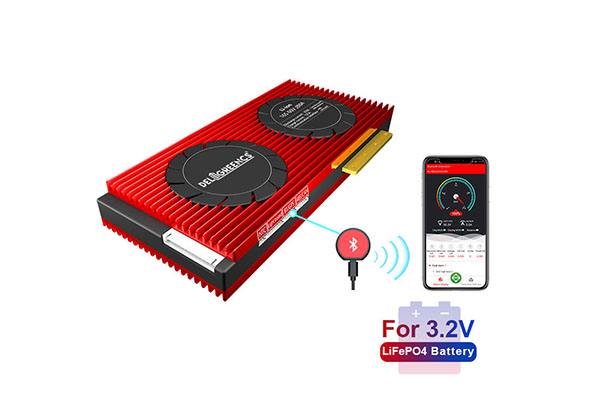
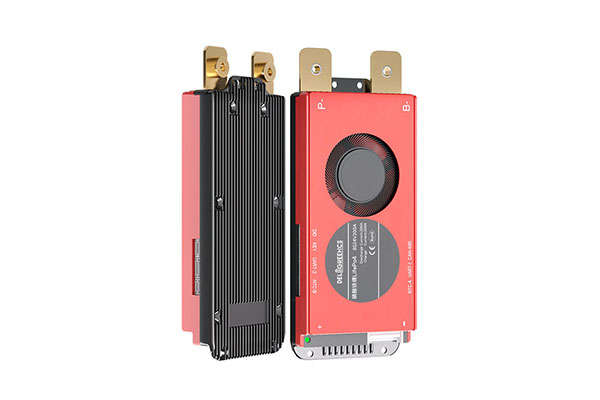
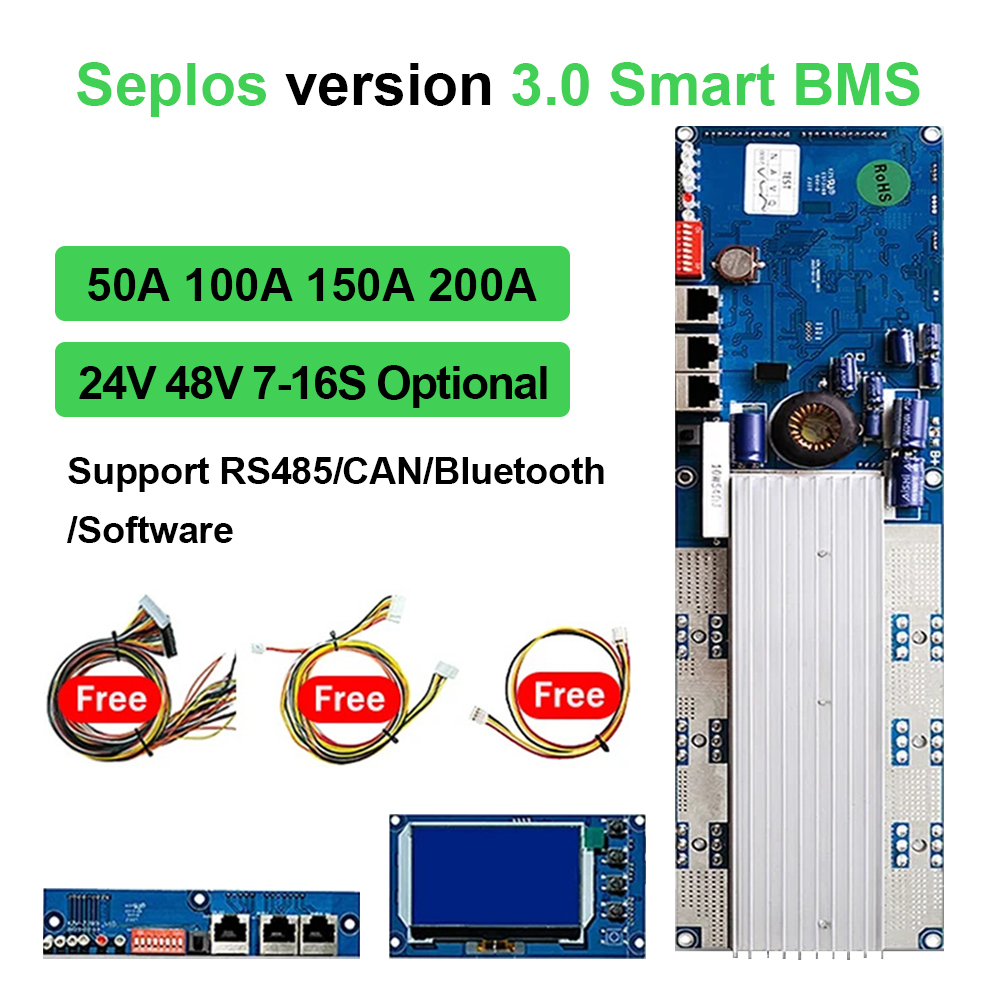
High-quality lithium deep cycle batteries are generally equipped with a battery management system (BMS) that monitors battery voltage, current, and temperature. Within the limits allowed by the product design, it provides protection against overcharging, over-discharging, overcurrent, and excessive temperatures. These protective functions help reduce wear caused by improper charging and discharging while lowering the risk of battery failure due to abnormal operating conditions. For energy storage equipment that needs to operate continuously, a reliable battery management system can make everyday use more convenient. However, a BMS cannot replace proper charging and maintenance. Users should still use a charger compatible with the battery chemistry, avoid exceeding the specified operating temperature and current limits, and follow the manufacturer’s instructions.
Energy Density and Output Capability Improve Power Supply Efficiency
In addition to usable capacity and cycle life, battery weight, size, and output capability also affect long-term power supply performance. For RVs, boats, mobile work equipment, and portable energy storage devices, batteries must provide sufficient energy within limited installation space while meeting the power requirements of operating equipment.
Higher Energy Density Saves Installation Space
Compared with many conventional lead-acid batteries, lithium batteries generally have a higher energy density. For similar energy storage requirements, a suitable lithium deep cycle battery can reduce the weight and space occupied by the battery pack. Available space is limited in vehicles and boats, and additional weight may also affect payload planning. Using lighter batteries with appropriately configured capacity can provide greater flexibility in equipment layout.
Continuous Power Output Meets Different Load Requirements
Long-term power supply requires more than sufficient stored energy. The battery must also continuously deliver the required power while equipment is operating. Lithium deep cycle batteries can power lighting, communication equipment, vehicle accessories, and certain electric devices. However, whether a particular battery can support a specific load depends on its rated discharge current, maximum continuous discharge power, and peak power output.
Specifications to Consider:
- Rated Voltage: Confirm that the battery voltage matches the input requirements of the equipment or inverter.
- Rated Capacity: Determine the required capacity based on daily energy consumption and the desired backup duration.
- Continuous Discharge Current: Ensure that the battery can continuously support the equipment’s actual current requirements.
- Operating Temperature Range: Confirm that the battery can withstand the installation environment. Charging at low temperatures requires particular attention to the product’s restrictions.
Only when battery capacity, output capability, and load requirements are properly coordinated can a lithium deep cycle battery provide reliable power throughout extended operating periods.
How to Choose a Lithium Deep Cycle Battery for Long-Term Power Supply
Different applications have different battery requirements. Home backup power systems place greater emphasis on usable energy and safety. RV and marine power systems prioritize weight, installation space, and environmental adaptability. Solar energy storage systems must account for daily charge and discharge requirements as well as backup power needs during consecutive cloudy or rainy days.
Choose the Right Battery Capacity
If the capacity is too small, the battery may run out of energy before the planned power supply period ends. If the capacity is too large, it may increase purchasing costs and installation requirements. It is advisable to calculate the required capacity based on average equipment power consumption, daily operating hours, usable depth of discharge, and system losses. For example, if equipment consumes approximately 2,000 Wh of electricity per day, and a 12.8 V lithium iron phosphate battery is planned for use, the required rated battery energy can be estimated at approximately 2,778 Wh by assuming an 80% usable depth of discharge and 90% power conversion efficiency. This corresponds to a capacity of approximately 217 Ah. After checking the product specifications and actual load requirements, users can consider selecting a battery with a capacity close to or greater than this calculated value.
Product Quality and Supporting Requirements
When purchasing a lithium deep cycle battery, users should not compare products based solely on price and capacity. They should also verify the cell type, BMS protection functions, cycle life, warranty terms, and relevant safety certifications. For equipment that needs to operate over extended periods, consistent product quality and comprehensive technical support are equally important.
Lithium deep cycle batteries are suitable for long-term power supply primarily because of their high usable capacity, good cycle performance, favorable energy density, and comprehensive battery management functions. These characteristics make them suitable for applications requiring continuous electricity, including solar energy storage, RVs, boats, communication equipment, and backup power systems. When selecting a battery, users should determine the required capacity based on actual equipment power consumption, planned operating time, and charging conditions. They should also carefully check the battery’s continuous discharge capability, operating temperature range, and protection functions. For a more reliable power supply experience, it is advisable to choose lithium deep cycle battery products with clearly specified parameters, dependable quality, and comprehensive technical support. With appropriate capacity planning, correct charging methods, and proper battery management, users can make better use of stored energy and meet the requirements of equipment operating for extended periods.