Selecting an industrial battery pack affects power supply stability, operating time, and long-term costs. Comparing only rated capacity, unit price, or cell chemistry may overlook critical factors such as startup current, ambient temperature, protection settings, and installation requirements. For automation equipment, industrial instruments, and backup power systems, define load demands and operating conditions, evaluate battery performance, the battery management system, and structural compatibility. Checking specifications, testing samples, and discussing technical requirements with suppliers can help reduce selection errors and minimize the risks of later modifications, downtime, and maintenance.
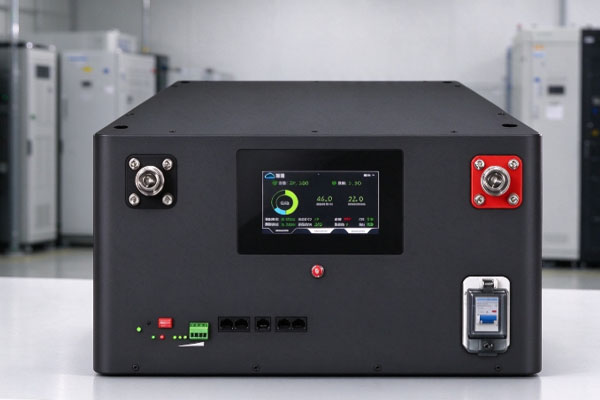
What Performance Parameters Should You Consider When Choosing an Industrial Battery Pack?
The electrical parameters of a battery pack must match the equipment’s requirements. Before selecting a product, identify the operating voltage, actual energy consumption, and load variations to avoid making decisions based on a single specification.
Confirm Voltage and Capacity
Voltage determines whether the battery pack is compatible with the equipment’s power system, while capacity affects how long it can supply power.
- Rated voltage: Confirm the voltage range required by the equipment and check whether voltage variations during charging and discharging remain within the equipment’s operating requirements.
- Battery capacity: Estimate capacity requirements based on power consumption, operating time, and usage frequency. Allow for conversion losses and a reasonable reserve.
Higher capacity is not always better. Cost, dimensions, weight, and installation space must also be considered to avoid excessive capacity or insufficient runtime.
Check Continuous and Peak Current
Some industrial devices draw brief current peaks during startup, acceleration, or specific operations.
- Looking only at average power consumption or rated power may not reveal whether a battery pack is suitable.
- Confirm the continuous discharge current, peak current, and permitted peak duration. Check that the BMS, cables, connectors, and other electrical components can handle the required load.
- If these parameters are mismatched, voltage drops, protection trips, or equipment shutdowns may occur. In severe cases, components may overheat or become damaged.
Current requirements should be evaluated alongside voltage and capacity to ensure that the battery pack can handle the equipment’s actual operating conditions.
Which Battery Cells Should You Choose for an Industrial Battery Pack?
Different battery chemistries vary in energy density, cycle life, temperature adaptability, and cost. The appropriate choice depends on the actual operating conditions.
Select Battery Chemistry According to Application Requirements
Battery chemistry should be chosen based on the equipment’s specific requirements for space, weight, service life, and safety management.
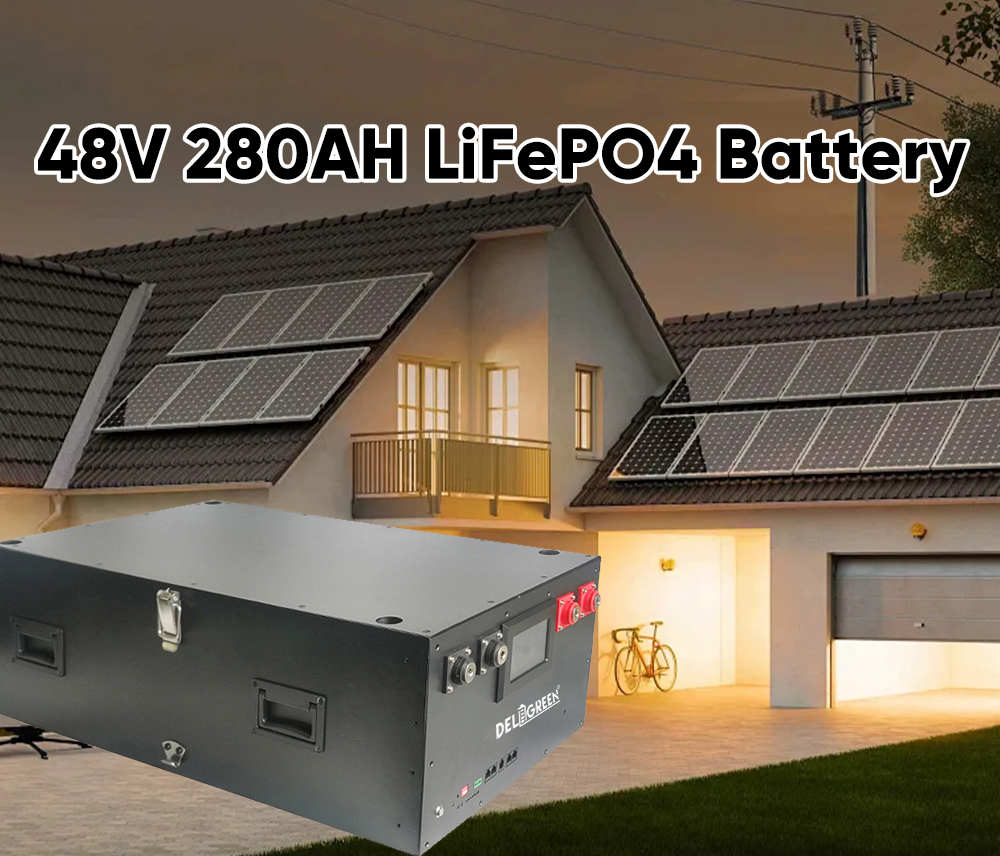
- Lithium iron phosphate (LiFePO4): Generally offers good cycle life and thermal stability, making it suitable for applications that prioritize long-term performance. Low-temperature performance, dimensions, and weight still need to be evaluated.
- Lithium nickel manganese cobalt oxide (NMC): Generally provides higher energy density and can suit equipment with strict space and weight constraints. However, appropriate charging and discharging limits and thermal management are essential.
- Other battery chemistries: If the application has specific maintenance, environmental, or cost requirements, other options can be evaluated according to the equipment’s operating conditions.
The final decision should be based on the battery pack’s actual specifications and test results under relevant operating conditions, rather than its chemistry name alone.
Compare Cycle Life Under the Same Conditions
Cycle life data is meaningful for comparison only when the test conditions are clearly defined. Check the depth of discharge, ambient temperature, charge and discharge rates, and end-of-life criteria. Data obtained under different conditions should not be compared directly. If the equipment operates for extended periods at high or low temperatures or under high-current loads, assess how these conditions affect usable capacity and service life. Including actual operating conditions in the evaluation helps estimate battery replacement intervals and long-term costs more accurately.
How Should You Evaluate Safety Protection and Structural Design?
An industrial battery pack must do more than meet power requirements; it must also operate within its specified limits. The protection system and structural design should suit the equipment’s load and installation environment.
Check BMS Protection Settings and Control Logic
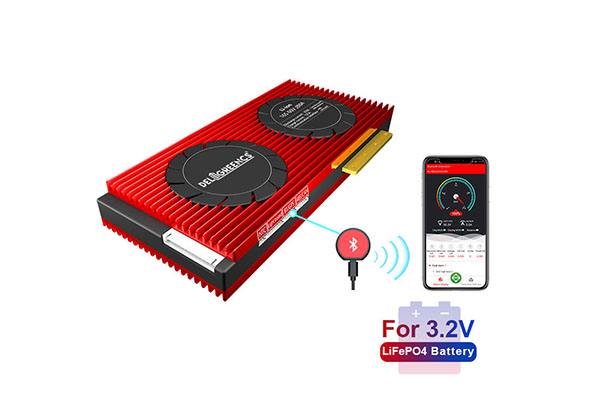
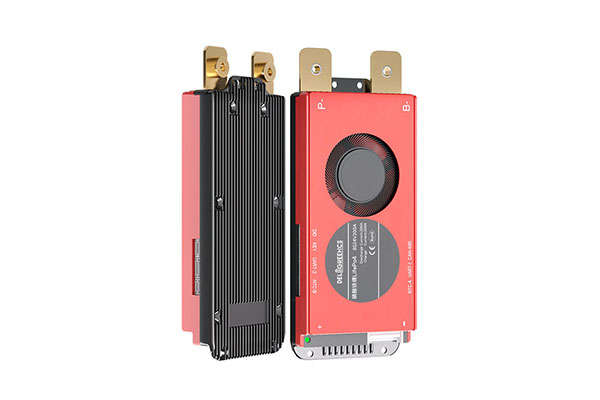
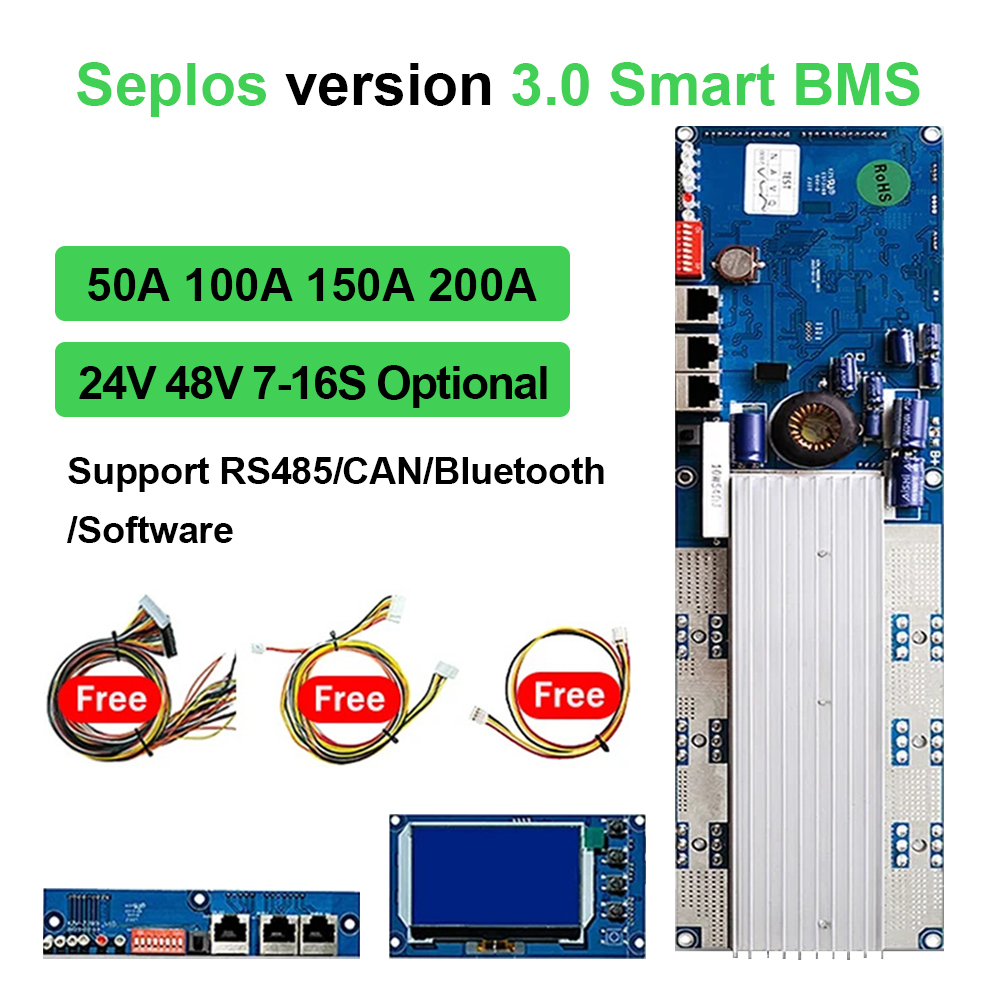
The battery management system (BMS) monitors battery conditions and performs protection and control functions according to its design. During procurement, do not simply confirm that certain features are listed; verify the specific parameters.
- Electrical protection: Confirm the trigger conditions, response methods, and recovery logic for overcharge, overdischarge, overcurrent, and short-circuit protection.
- Temperature monitoring: Check whether sensor locations, charging and discharging temperature limits, and responses to abnormal conditions meet the cell requirements.
- Communication and control: For battery packs connected to equipment control systems, confirm that the communication interface, protocol, and data content are compatible.
Incorrect protection thresholds may cause unnecessary trips under normal loads or prevent protection from activating as expected. Critical parameters should therefore be confirmed technically and verified through appropriate testing.
Evaluate the Enclosure and Mounting Structure
Industrial environments may involve vibration, dust, moisture, and temperature fluctuations. The enclosure and mounting structure must withstand the actual conditions. Check the installation dimensions, mounting points, connector positions, wiring layout, and cooling arrangements. Confirm the required levels of dust protection, water resistance, and vibration resistance according to the application. An unsuitable structure may lead to loose connections, cable wear, or moisture ingress, so compatibility should not be judged solely by whether the battery pack physically fits inside the equipment.
How Can You Reduce Selection Risks When Purchasing Industrial Battery Packs?
Defining technical requirements and completing the necessary validation can help prevent problems involving incompatible dimensions, interfaces, or performance after purchase.
Confirm Customization Requirements and Test Samples
For equipment with limited installation space, specialized interfaces, or communication requirements, confirm the details with the supplier before purchasing.
- Provide information such as equipment voltage, load current, required capacity, dimensions, and mounting method.
- Specify any special requirements for connectors, cable lengths, communication protocols, and operating environments.
- Before placing a bulk order, assemble and test samples under load to check dimensions, interfaces, operating performance, and protection functions.
Sample validation can reveal installation interference, startup current mismatches, or communication faults early, reducing the likelihood of rework.
Evaluate Long-Term Costs and Technical Support
The purchase price alone does not represent the full economic value of a battery pack. Consider its expected service life, maintenance frequency, replacement costs, and the impact of equipment downtime. Also confirm whether the supplier can provide clear product specifications, relevant test results, fault-resolution support, and a reliable supply arrangement. For industrial equipment that must operate over an extended period, consistent technical support can reduce uncertainty during maintenance and ongoing use.
Choosing an industrial battery pack should begin with the equipment’s actual requirements and include a unified evaluation of voltage and current compatibility, cell performance, BMS protection, structural safeguards, and supplier support. For applications involving startup surges, extreme temperatures, or limited installation space, define critical parameters before purchasing and use sample testing to confirm suitability under real operating conditions. Rather than focusing solely on low prices or high capacity, choose a solution with compatible specifications, adequate validation, and manageable maintenance requirements to support reliable operation and reasonable long-term costs.