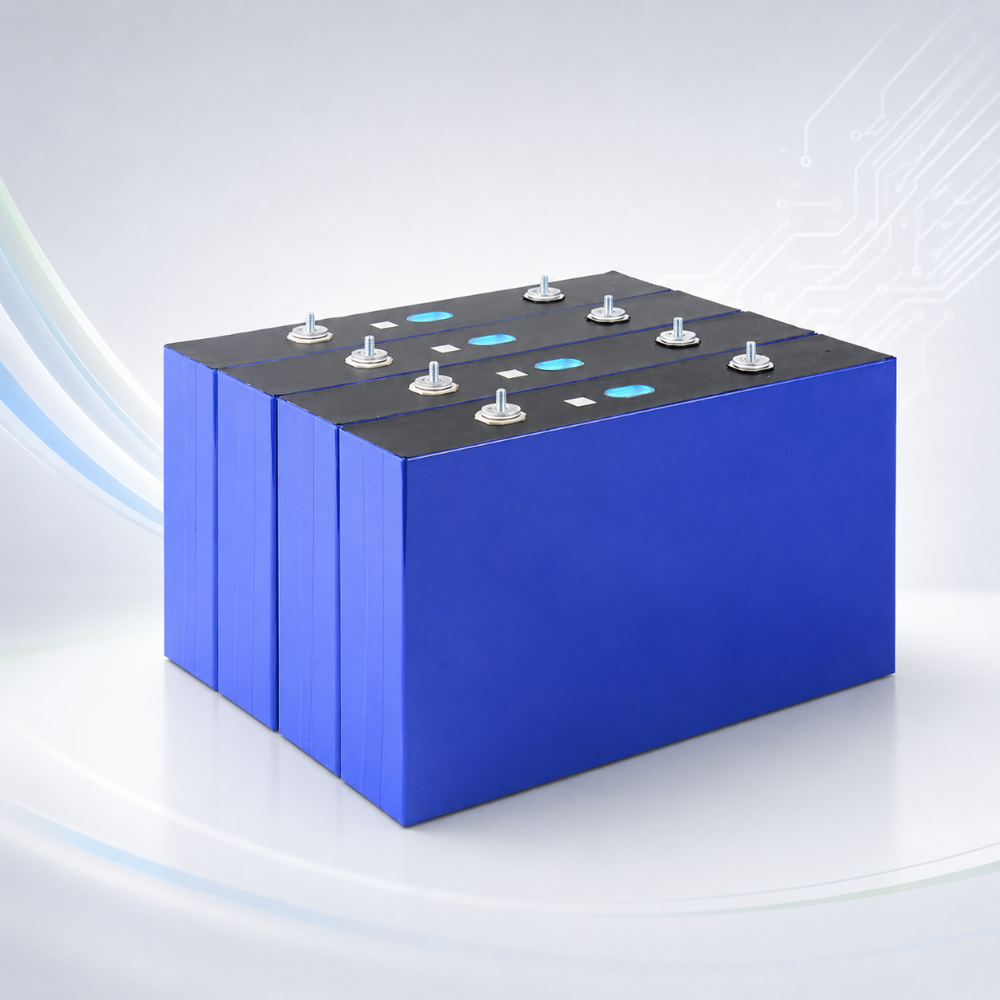
Many users encounter the same problem when using a lithium battery pack: even though all the cells are the same model, their measured voltages are different. Some read higher, while others read lower. Is this normal, or does it mean something is wrong with the cells? Could a growing voltage difference affect battery capacity and service life?Uneven cell voltage in a LiFePO4 battery pack can result from differences between cells, charging and discharging habits, or problems with the Battery Management System (BMS). Identifying the cause early helps determine whether the battery needs balancing, inspection, or cell replacement, preventing minor issues from affecting the entire battery pack.

What Causes Uneven Voltage Between Lithium Battery Cells?
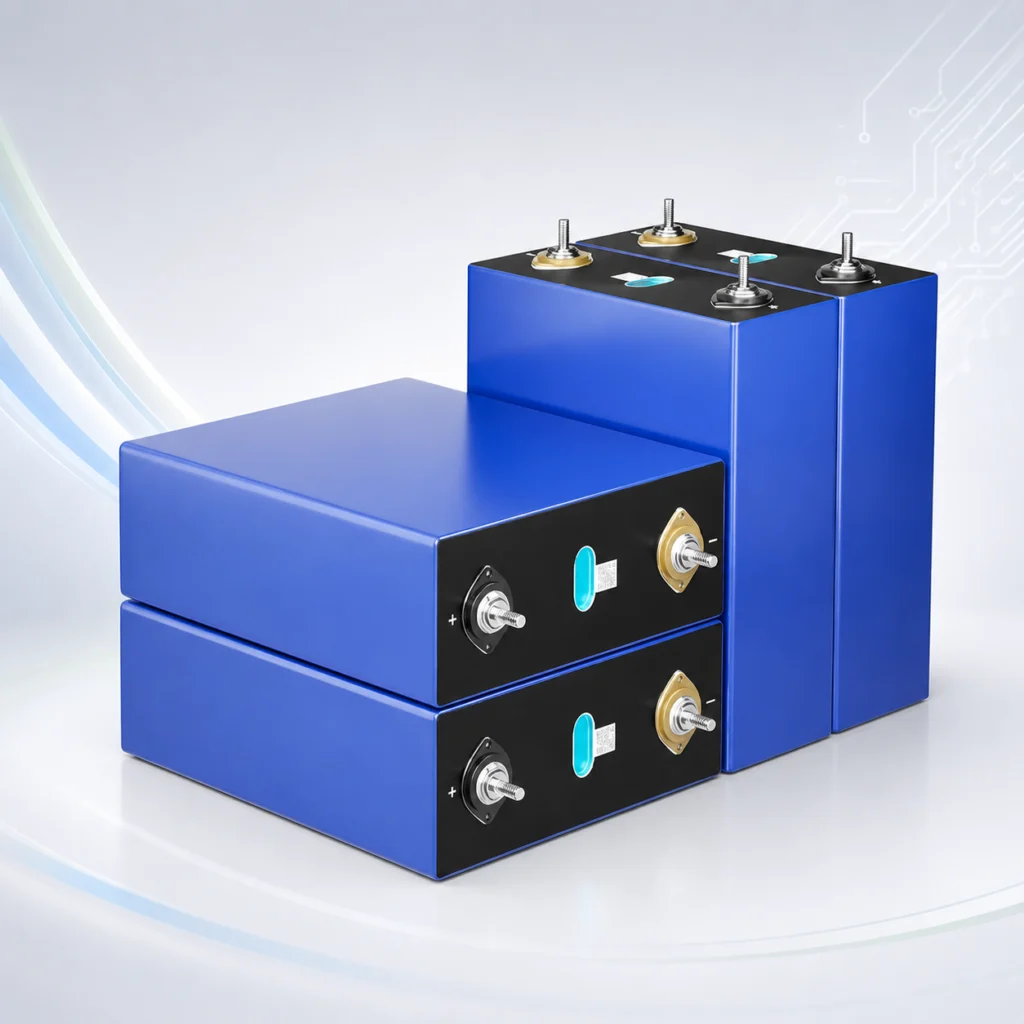
A LiFePO4 battery pack contains multiple cells. Even when all cells share the same model, voltage differences may develop over time due to several factors.
- Cell differences: Variations in capacity and internal resistance.
- Cell aging: Some cells degrade faster than others.
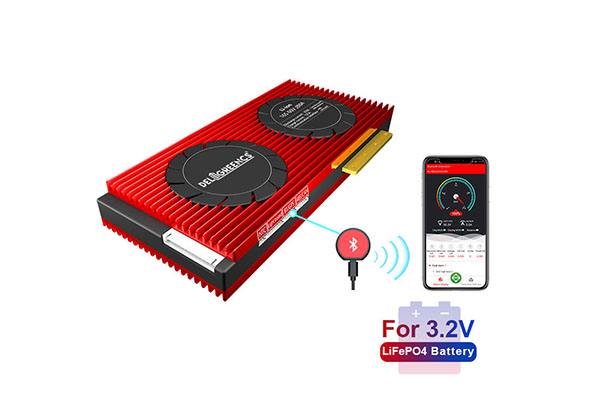
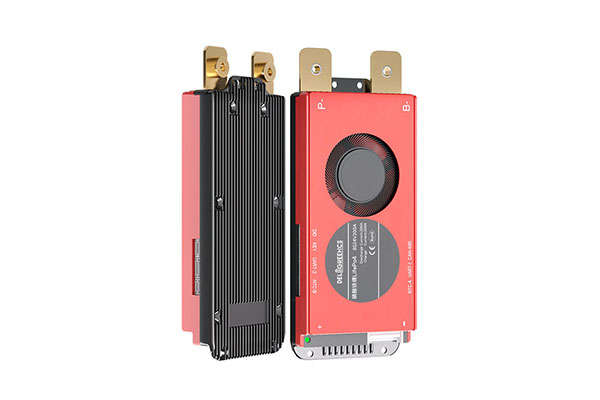
- BMS issues: Insufficient or faulty cell balancing.
- Improper charging or discharging: Incorrect charging settings or frequent high-load operation.
- Wiring problems: Loose sampling wires or poor connections can cause inaccurate readings.
What Is a Normal Voltage Difference Between LiFePO4 Cells?
A voltage difference should not be judged by a single fixed value. The charging and discharging conditions also matter. LiFePO4 batteries have a relatively flat voltage curve, so voltage changes may be less noticeable at moderate states of charge. Differences often become more apparent near the end of charging or discharging.
- Small voltage difference: Cell voltages are close, so continued monitoring may be sufficient.
- Increasing voltage difference: Check cell condition and BMS balancing performance.
- One cell reads significantly higher or lower: Inspect its capacity, internal resistance, and connections.
- Voltage drops suddenly or the cell overheats: Stop using the battery and arrange a professional inspection.
Whether a voltage difference is acceptable depends on the cell specifications, BMS settings, and manufacturer’s recommendations. A single measurement does not necessarily indicate cell damage, but recurring abnormal readings should not be ignored.
How Do You Fix Uneven Voltage in Lithium Battery Cells?
When a voltage difference appears, verify the readings before checking the BMS and individual cells. Proper balancing may help when the difference is relatively small. However, if one cell consistently shows abnormal voltage, further testing is necessary.
- Verify cell voltage: Use a reliable multimeter or BMS monitoring data to check each cell.
- Check balancing: Make sure the BMS balancing function works correctly and provides suitable balancing current.
- Inspect the charger: Confirm that the charging settings match the battery specifications.
- Test abnormal cells: Check capacity, internal resistance, and self-discharge when necessary.
If a cell is aged or damaged, balancing alone usually cannot restore its original performance. Do not attempt uncontrolled overcharging, over-discharging, or short-circuiting. If a cell swells, overheats, or produces an unusual odor, stop using the battery immediately and have it inspected by a qualified professional.
How Can You Prevent Voltage Differences Between Battery Cells?
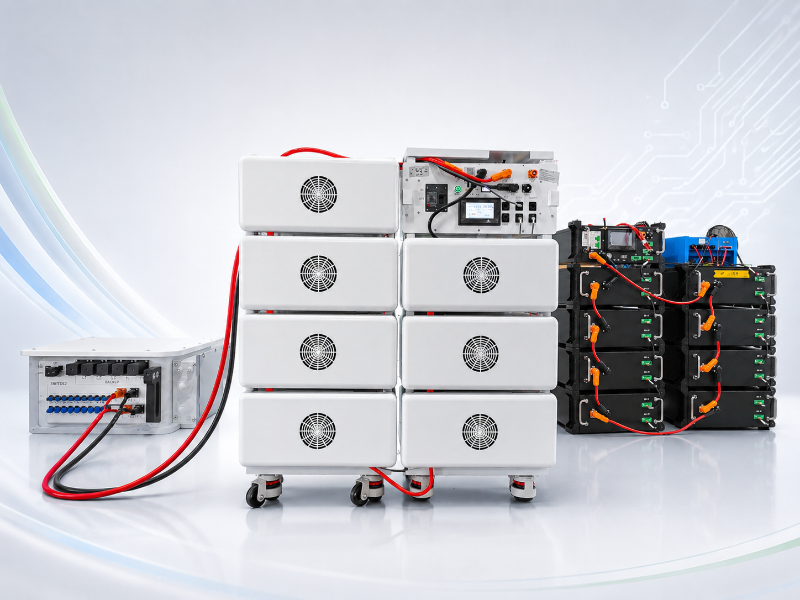
Stable LiFePO4 battery performance depends on cell matching, proper BMS configuration, and regular monitoring. When assembling a battery pack, choose cells with similar capacities, internal resistance, and self-discharge characteristics. Make sure the number of series-connected cells, charging parameters, and BMS protection settings are compatible.During daily operation, monitor individual cell voltages and inspect wiring and charging equipment when necessary. For applications such as solar energy storage, RV power systems, and industrial equipment, pay attention to battery performance under actual loads rather than relying solely on resting voltage measurements. These practices can help identify potential problems before they affect the entire battery pack.
Uneven voltage between lithium battery cells can result from cell differences, aging, inadequate BMS balancing, or wiring faults. When a problem occurs, identify the cause before deciding whether balancing, repair, or cell replacement is necessary. For buyers looking for custom battery packs or energy storage solutions, choosing well-matched LiFePO4 cells and a suitable BMS can help reduce maintenance costs and improve overall system reliability.