LiFePO4 Cells • Battery Packs • DIY Kits • Energy Storage Systems
info@deligreen.net WhatsApp: +86 15074995718

LiFePO4 Cells • Battery Packs • DIY Kits • Energy Storage Systems
info@deligreen.net WhatsApp: +86 15074995718
✓ 51.2V nominal system (demo)
✓ 10kWh usable energy (demo)
✓ Wall-mounted, space-saving format
✓ Smart BMS protection options
✓ Scalable design subject to model configuration
Price: Request Bulk Price
Price:
14.4kWh stackable lithium iron phosphate battery pack with a
200A JK smart BMS, CAN and RS485 communication, Bluetooth support,
PC monitoring and multiple inverter communication protocols.
14.4kWh Battery Energy | 51.2V Nominal Voltage | 280Ah Nominal Capacity |
200A Maximum Current | 6,000+ Cycle Performance | CAN / RS485 Communication |
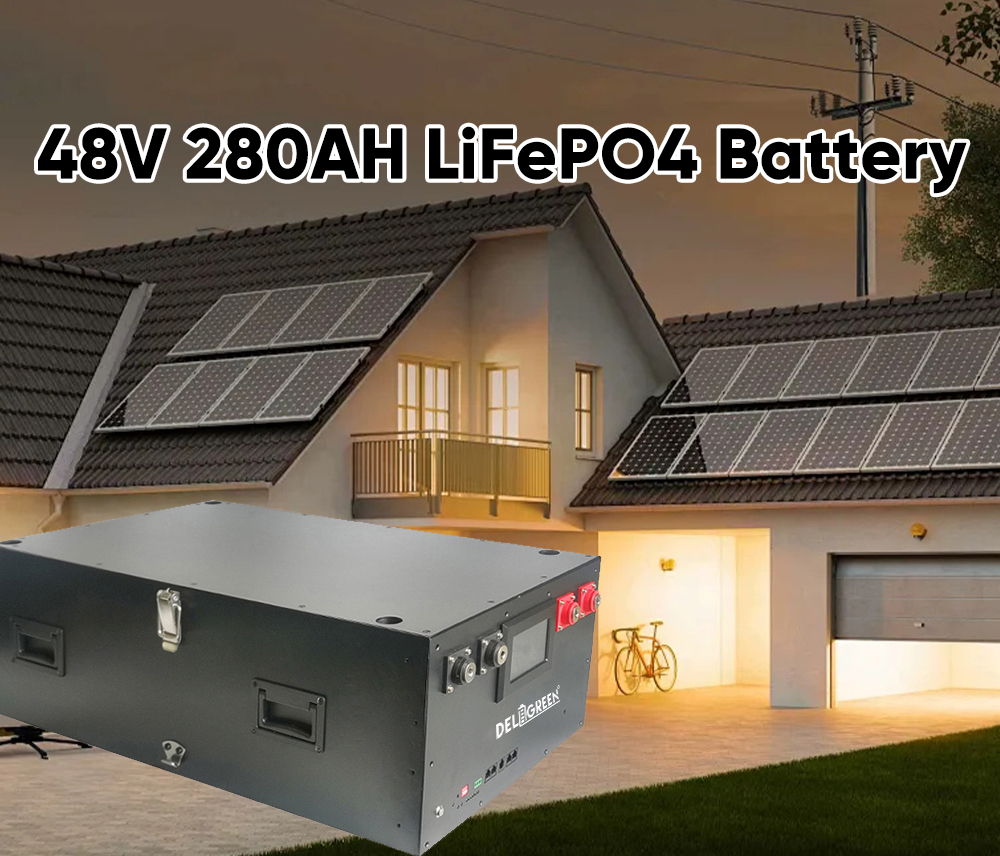
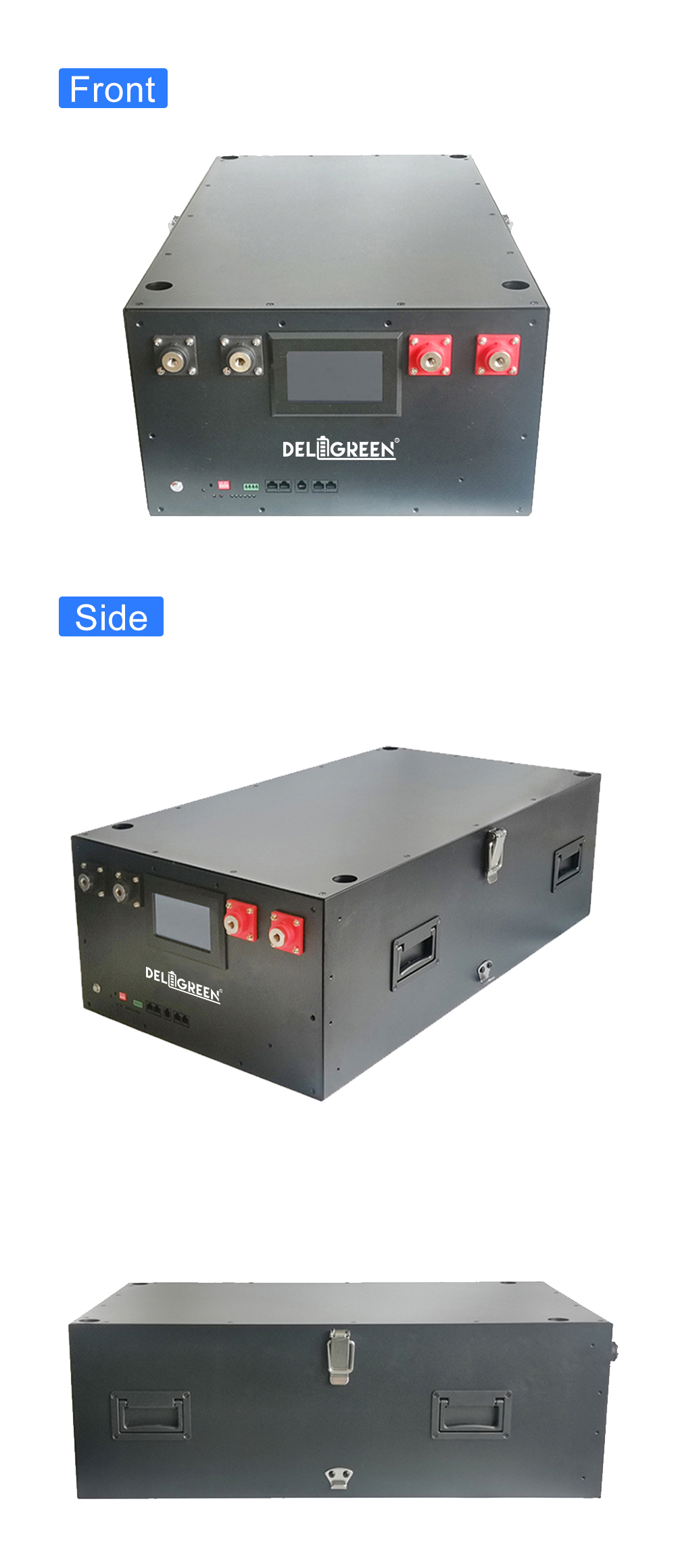
The 280AH(3.0) is a 51.2V 280Ah LiFePO4 battery pack designed
for residential solar energy storage, backup power and professional
lithium battery projects. The battery provides 14.4kWh of energy
in a durable horizontal metal cabinet.
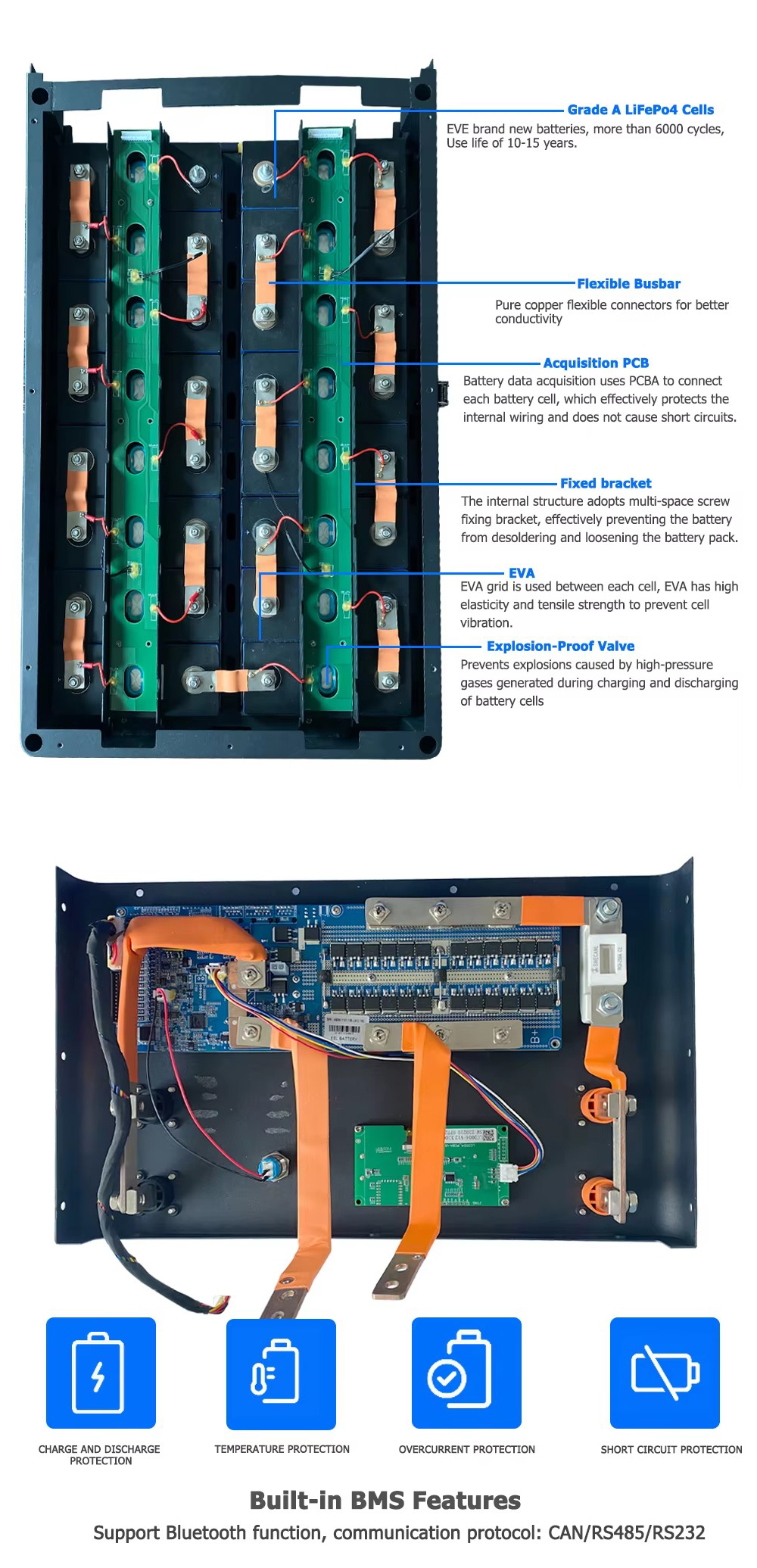
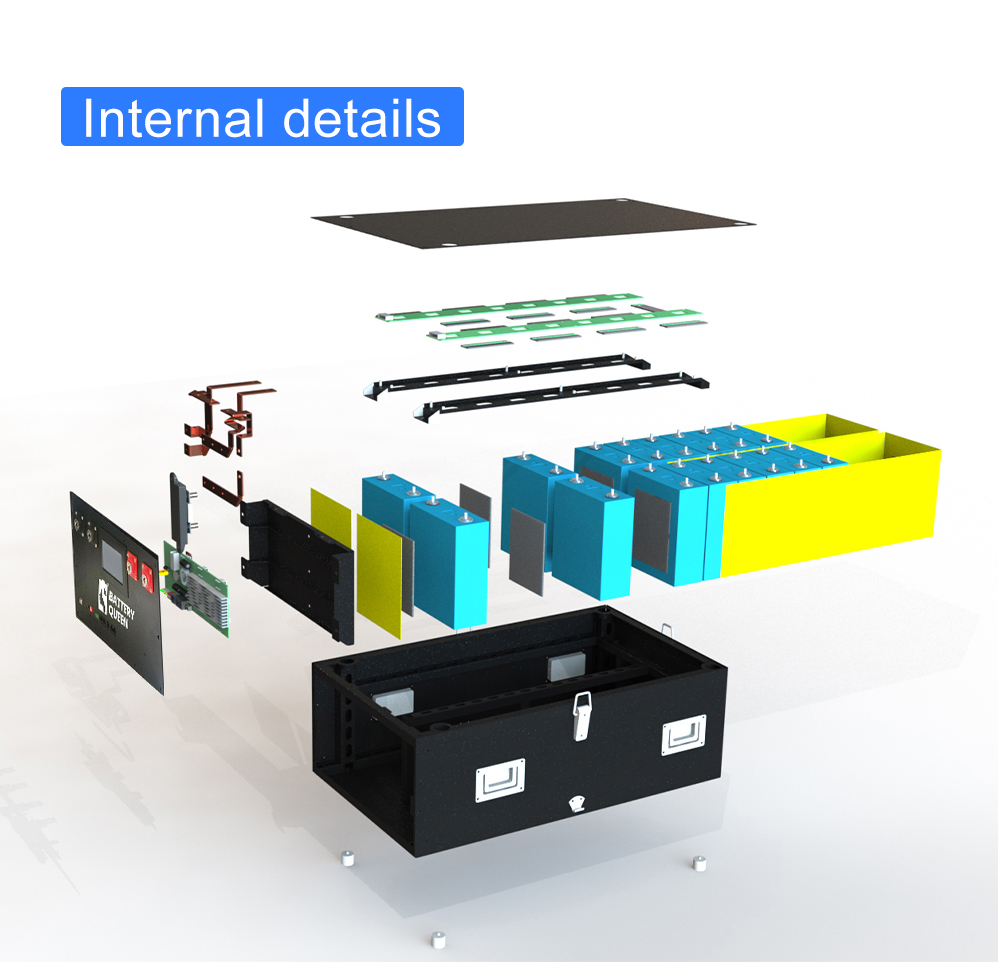
The battery pack is designed for 3.2V 280Ah prismatic LiFePO4
cells and is compatible with EVE 280Ah and YC 280Ah cell
configurations. Fire-resistant and insulated cell holders help
separate and secure the cells inside the cabinet.
An integrated 16S 200A JK smart BMS monitors voltage, current,
temperature, SOC and operating status while providing overcharge,
over-discharge, overcurrent, temperature and short-circuit protection.
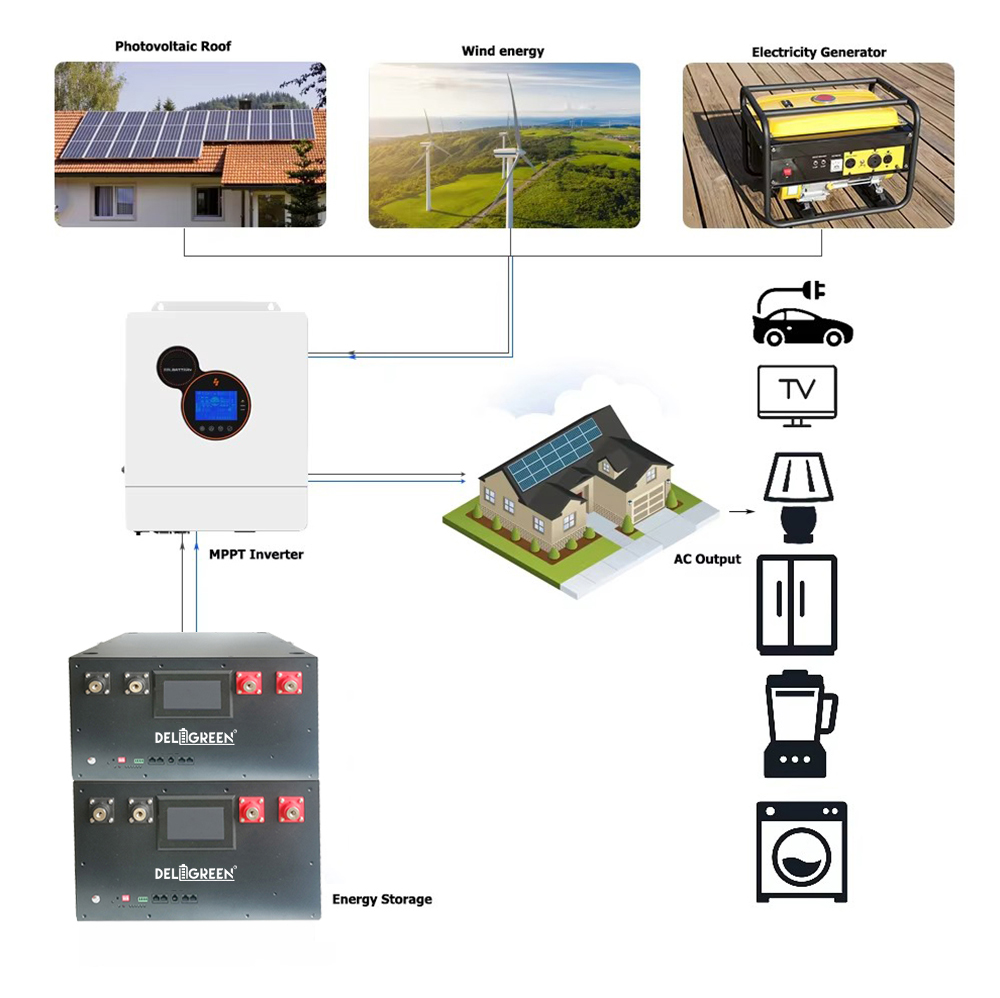
The 51.2V 280Ah battery provides 14.4kWh of energy for home
solar storage, emergency backup power, off-grid systems and
other low-voltage energy storage applications.
Designed for sixteen 3.2V 280Ah lithium iron phosphate
prismatic cells, including compatible EVE and YC cell
configurations.
The recommended continuous charge and discharge current is
140A at 25±2°C, supporting stable daily operation and controlled
thermal performance.
The maximum standard charging and discharging current reaches
200A at 25±2°C for compatible high-power inverter and backup
energy applications.
The 16S 200A JK BMS monitors battery voltage, current,
temperature and battery status while controlling charge,
discharge and cell balancing functions.
Integrated protection functions include overcharge,
over-discharge, overcurrent, high-temperature, low-temperature
and short-circuit protection.
Monitor pack voltage, individual cell voltage, current, SOC,
cell temperature and voltage differences through compatible
PC monitoring software.
The BMS supports Bluetooth functionality for convenient
battery status viewing and parameter monitoring through
compatible mobile devices.
According to the testing conditions stated in the specification,
the battery pack can achieve 6,000 cycles or more before reaching
80% remaining capacity.
The stated test conditions include 25°C room temperature,
0.5C charging and discharging and 100% depth of discharge.
Actual cycle performance depends on operating temperature,
charge rate, discharge rate, DOD and system settings.
4 Packs Maximum Physical Stacking | 16 Packs Maximum System Expansion |
Up to four battery packs can be physically stacked on the
compatible base. The communication system supports up to sixteen
compatible packs for expanded system capacity and power.
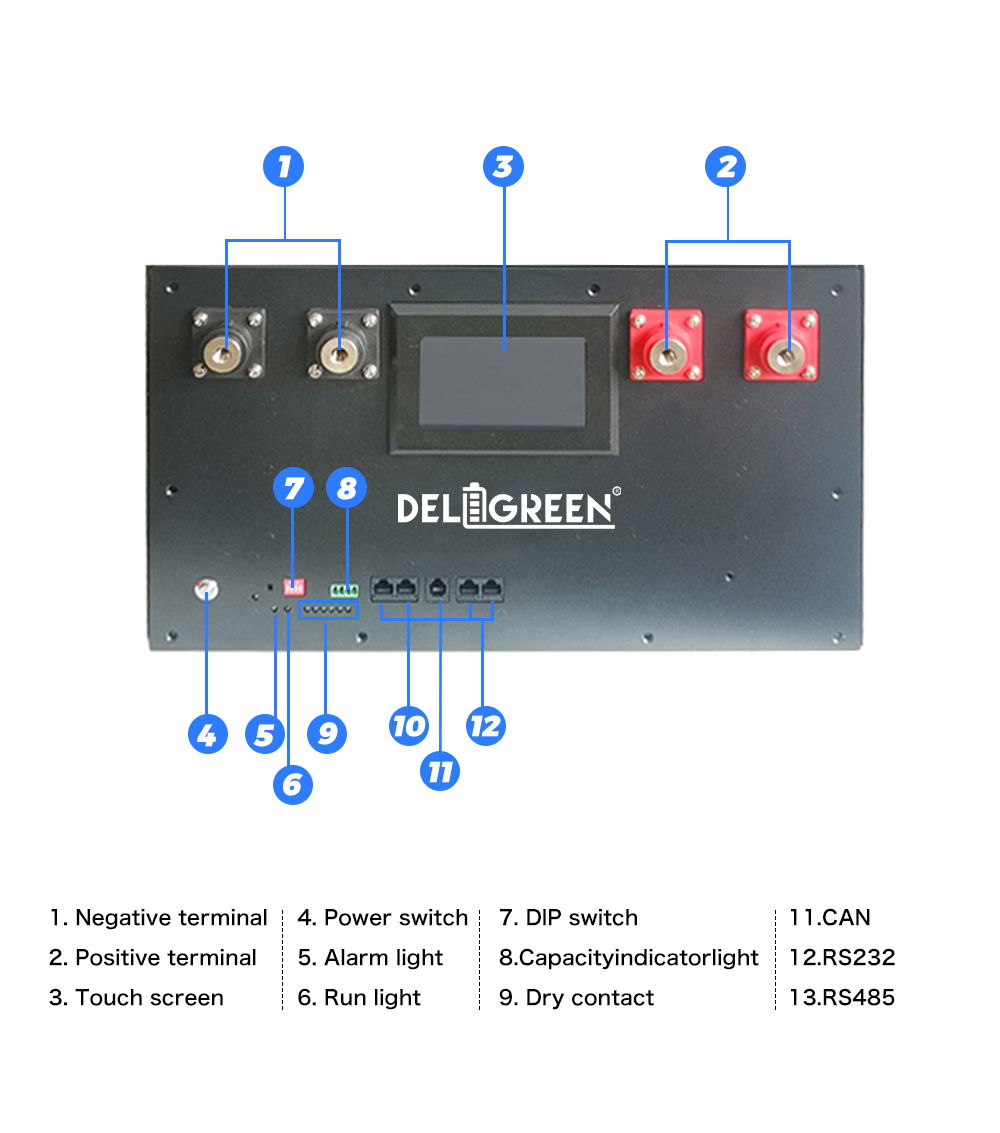
CAN communication transmits battery data to a compatible
inverter, while RS485 communication supports battery-to-battery
data transmission and PC monitoring.
Automatic address assignment is available for compatible
multi-pack systems, reducing the need for manual DIP-switch
configuration during battery expansion.
Communication cable pin definitions may vary between inverter
brands and models. Confirm the CAN or RS485 cable definition
before connecting the battery to an inverter.
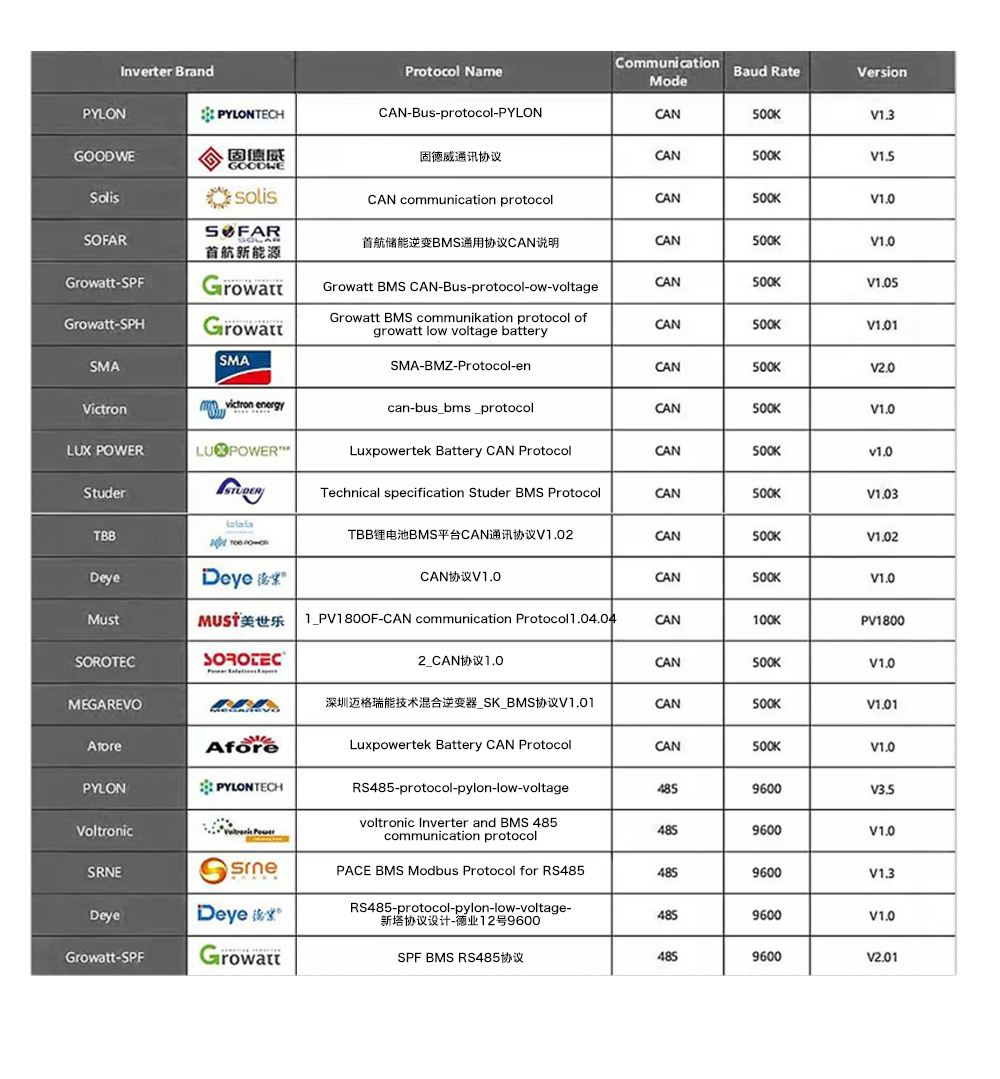
The BMS includes multiple CAN and RS485 communication protocols.
Compatibility must be confirmed according to the exact inverter
model, firmware version and communication interface.
| Deye | Pylon | Growatt | Victron |
| INVT | GoodWe | SMA | Voltronic |
| SRNE | MUST | Megarevo | LuxPower |
| ✓ Overcharge Protection | ✓ Over-Discharge Protection |
| ✓ Charge Overcurrent Protection | ✓ Discharge Overcurrent Protection |
| ✓ High-Temperature Protection | ✓ Low-Temperature Protection |
| ✓ Short-Circuit Protection | ✓ Cell Balancing |
| ✓ Battery Current Limitation | ✓ Alarm and Status Indicators |
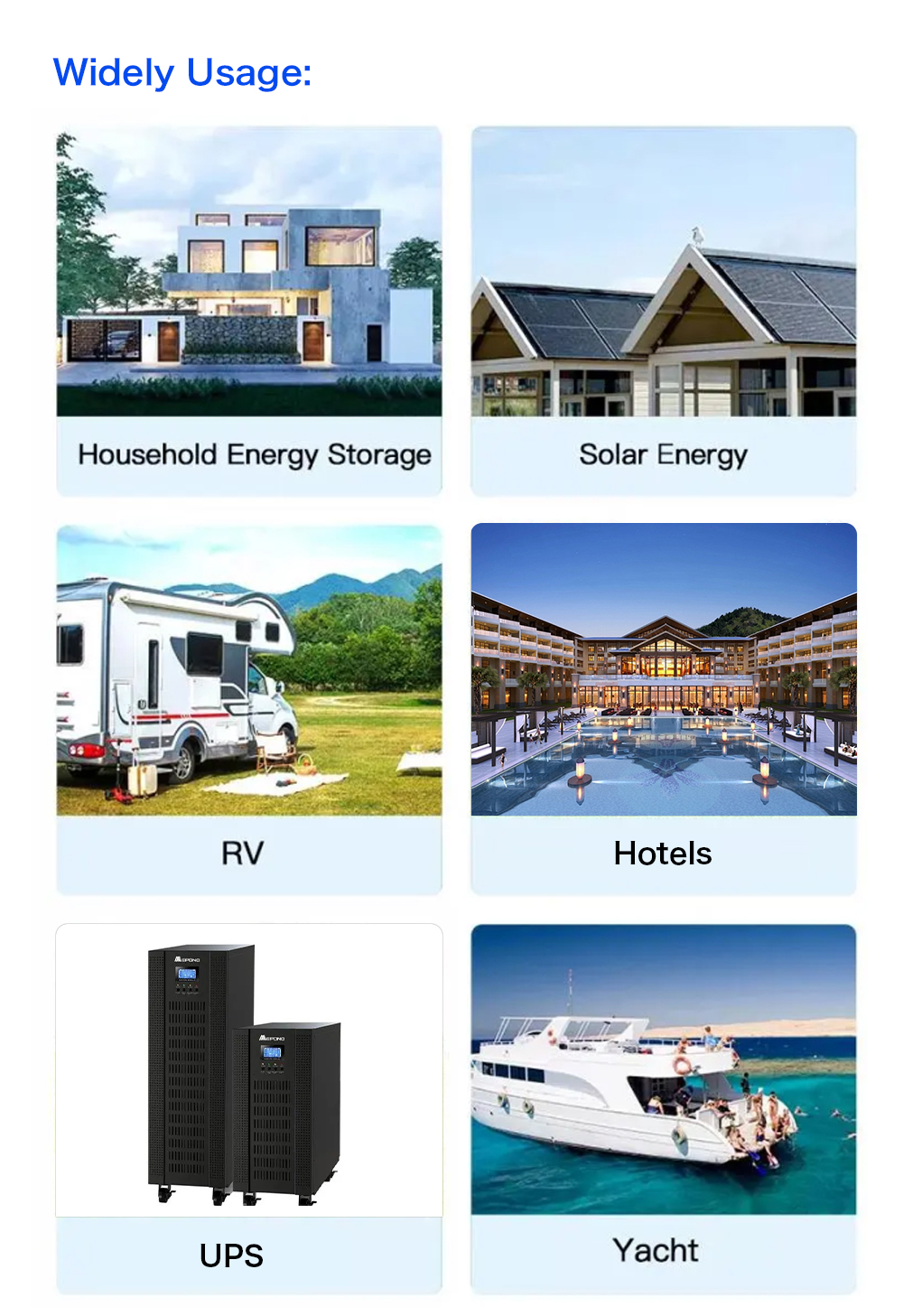
| ✓ Residential Solar Energy Storage |
| ✓ Off-Grid Home Battery Systems |
| ✓ Grid-Tied Solar Storage Systems |
| ✓ Household Emergency Backup Power |
| ✓ Small Commercial Energy Storage |
| ✓ Professional DIY LiFePO4 Battery Projects |
| Parameter | Specification |
|---|---|
| Basic Information | |
| Battery Type | Stackable LiFePO4 Energy Storage Battery |
| Cell Type | 3.2V 280Ah Prismatic LiFePO4 Cells |
| Compatible Cell Configurations | EVE 280Ah or YC 280Ah |
| Cell Quantity | 16 Cells |
| Electrical Performance | |
| Nominal Voltage | 51.2V |
| Nominal Capacity | 280Ah at 0.5C, 25±2°C |
| Battery Energy | 14.4kWh |
| Charge Voltage | 57.6V |
| Discharge Cut-Off Voltage | 41.6V |
| Recommended Continuous Current | 140A at 25±2°C |
| Maximum Standard Charge Current | 200A at 25±2°C |
| Maximum Standard Discharge Current | 200A at 25±2°C |
| BMS and Communication | |
| Smart BMS | 48V 200A 16S JK BMS |
| BMS Functions | Protection, Cell Balancing and Current Limitation |
| Communication Interfaces | CAN and RS485 |
| Monitoring | PC Software and Bluetooth Support |
| Maximum System Expansion | Up to 16 Compatible Packs |
| Maximum Physical Stacking | Up to 4 Battery Packs |
| Cycle Performance | |
| Cycle Life | 6,000+ Cycles to 80% Remaining Capacity |
| Cycle Test Conditions | 25°C, 0.5C Charge/Discharge, 100% DOD |
| Operating Environment | |
| Charging Temperature | 0°C to 50°C |
| Discharging Temperature | -10°C to 50°C |
| Storage Temperature | -20°C to 55°C |
| Operating SOC Range | 5% to 100% |
| Recommended SOC Range | 15% to 95% |
| Relative Humidity | 10% to 85% |
| Protection Level | IP20 |
| Dimensions and Weight | |
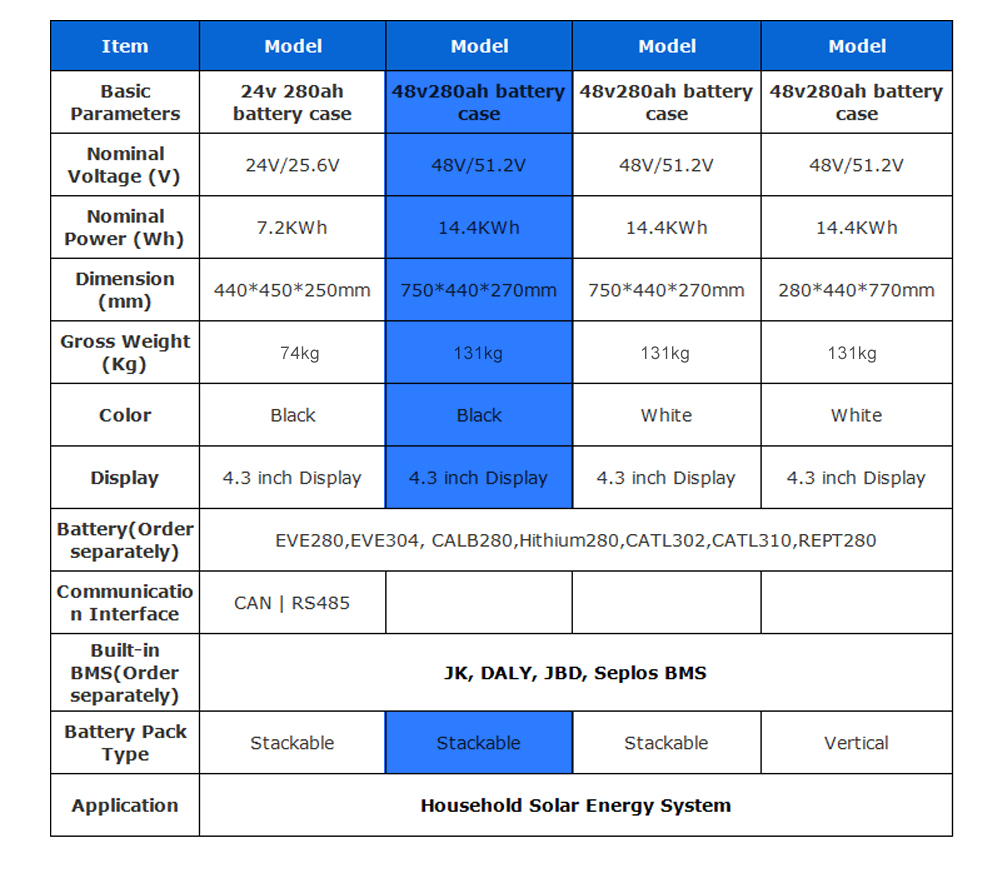
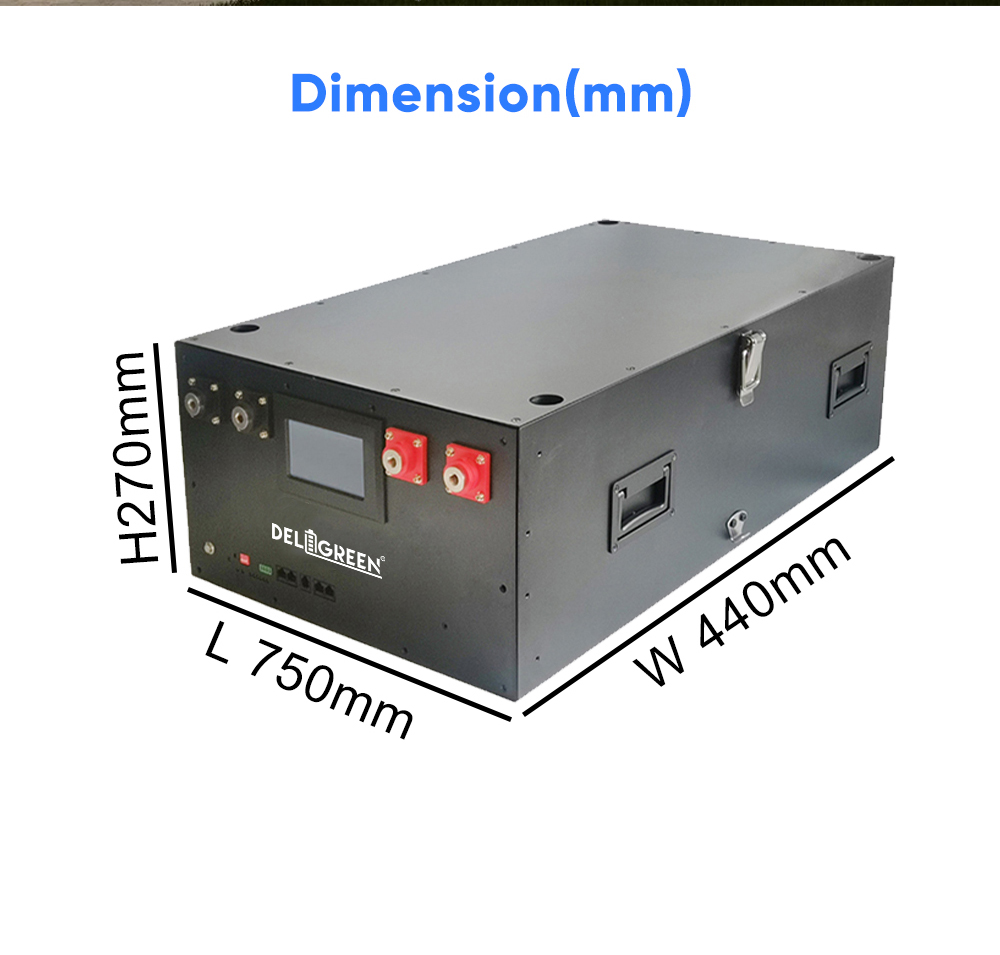
| Product Dimensions | 750 × 440 × 270mm |
| Battery Weight | 131 ±5kg |
| Cabinet Structure | Horizontal Stackable Metal Cabinet |
57.6V Absorption Voltage | 55.0V Float Voltage | 43V Low DC Shutdown | 47V Low DC Restart |
These settings apply when automatic CAN communication is not
available. Confirm the correct settings for the selected inverter
and battery configuration before use.
Installation and maintenance must be completed by personnel
familiar with lithium battery systems and high-current electrical
connections. Disconnect the battery from all loads before maintenance.
Confirm correct grounding, polarity, cable size, terminal torque,
communication cable definition and inverter settings before
powering the system.
Do not connect the battery directly to photovoltaic solar wiring.
Do not short-circuit the terminals, reverse the polarity, expose
the battery to direct sunlight or use cleaning solvents.
For long-term storage, recharge the battery at least once every
six months and maintain a state of charge of no less than 50%.
The battery has a nominal voltage of 51.2V, nominal capacity
of 280Ah and battery energy of 14.4kWh.
The recommended continuous charging and discharging current
is 140A at 25±2°C.
The maximum standard charging current and discharging current
are both 200A at 25±2°C.
Yes. The battery supports CAN and RS485 communication and
includes protocols for multiple compatible low-voltage inverter brands.
Yes. Compatible monitoring software can display pack voltage,
individual cell voltage, current, SOC, temperature and historical data.
A maximum of four compatible battery packs can be physically
stacked on the approved base.
The specification lists 6,000 cycles or more before reaching
80% remaining capacity under the stated test conditions.
Send us your required quantity, inverter model, destination
country, delivery postcode and energy storage requirements to
confirm compatibility, configuration, delivery time and quotation.
APPLICATIONS
Link each application card to its Solutions page, configuration guide or project inquiry form.
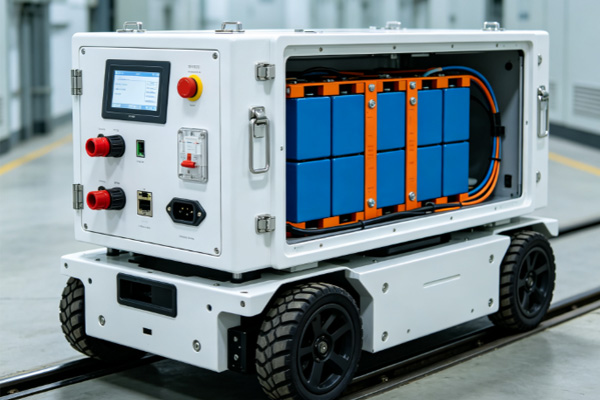
Once a robot project moves into large-scale operation, battery problems can become much more complicated than expected. If
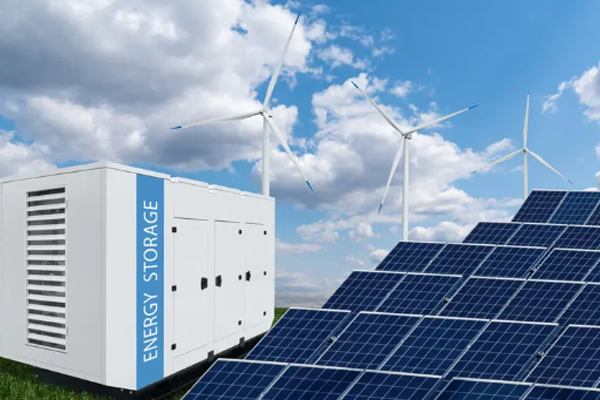
With the development of smart agriculture, more and more farms are adopting automated irrigation systems, greenhouse control equipment,

With the continuous development of robotics technology, robots are now widely used in homes, logistics, healthcare, inspection, and
As traffic congestion, parking costs, and demand for greener transportation continue to increase in cities, electric scooters have
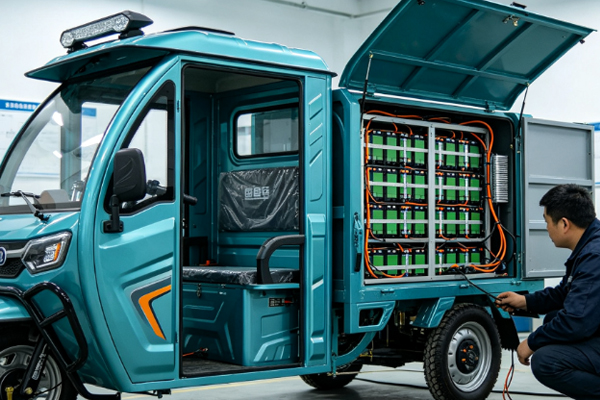
Tricycles are widely used in logistics transportation, cargo delivery, agricultural operations, and short-distance travel. Their operational efficiency is
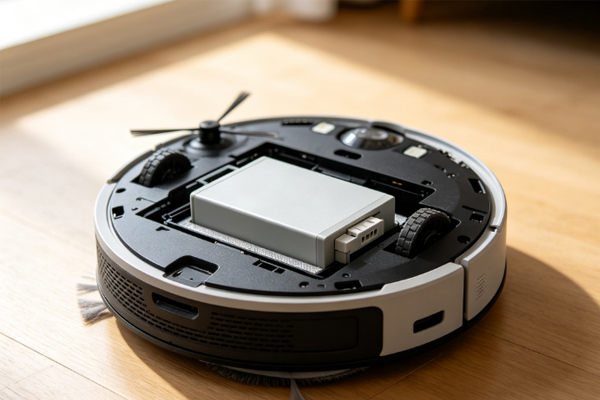
A floor-cleaning robot may look simple from the outside—it moves around, sweeps the floor, and returns to charge
RELATED PRODUCTS
Use related products to cross-sell compatible batteries, BMS, DIY components, chargers or inverters.
REQUEST A QUOTE
Tell us the product model, quantity, destination country and your application. We’ll help match the appropriate product and quote path.
☎+86 15074995718
☎+86 18890081396
✉ info@deligreen.net
⌖ Room 1418~1422, AUX Building A,
Yuelu area, Changsha, Hunan, China
Replace the placeholder sales email before publishing.