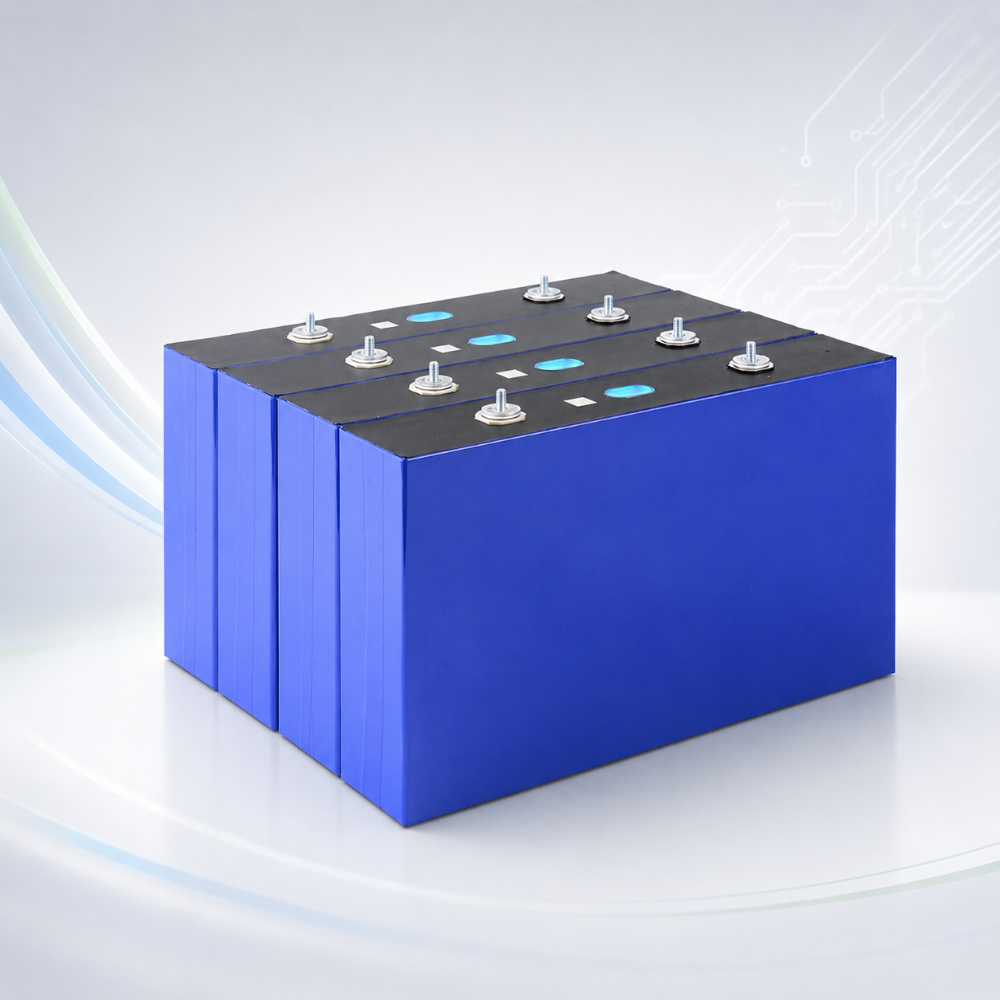
Solar panels generate electricity, while batteries store the extra power produced during the day. But there is another parameter that plays an important role in whether the entire energy storage system runs smoothly: battery voltage. 12V, 24V, 48V, and even 51.2V batteries are all available, and the difference is not simply a few numbers. They can affect system power, operating current, and equipment configuration. For home users, it is not enough to look at battery capacity alone. The inverter and electrical loads also need to match the battery voltage. Choosing the right battery voltage can make installation, daily use, and future expansion much easier.
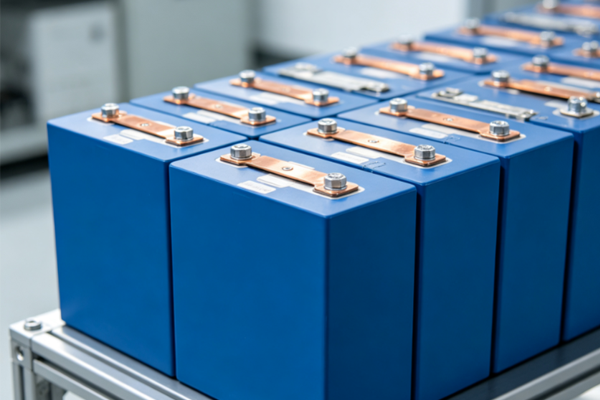
Consider Power Demand Before Choosing Battery Voltage
When selecting a solar battery, start by listing the main appliances that need power. A system running lights and a refrigerator has very different requirements from one running a rice cooker, air conditioner, refrigerator, and television at the same time. At the same power level, a lower-voltage battery requires more current. This is one reason larger energy storage systems generally do not rely on 12V batteries.
- Small loads of a few hundred watts: A 12V system can handle lighting, monitoring equipment, solar lights, and similar applications.
- Around 1kW: A 24V system can be more suitable for small off-grid systems and certain home applications.
- 2kW, 3kW, or higher: 48V or 51.2V solutions are generally worth considering first.
- Large commercial energy storage: Higher-voltage battery systems are commonly used.
Simply put, a 2,000W load requires much more current from a 12V system than from a 48V system. Increasing the battery voltage reduces the current required for the same power output, which can make it easier to manage cable size, terminals, and inverter operating conditions.
What Are 12V, 24V, and 48V Batteries Suitable For?
There is no single battery voltage that is best for every solar system. The right choice depends on the size and purpose of the system. Using a high-voltage battery for a very small device may be unnecessary, while using a low-voltage battery for high-power home storage can place greater current demands on the wiring and equipment.
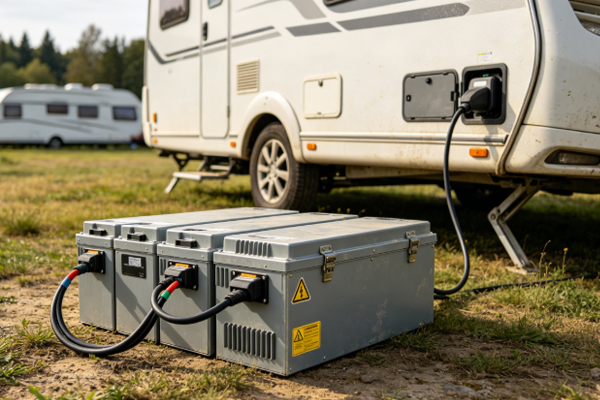
- 12V: Suitable for solar lights, monitoring equipment, RVs, small outdoor devices, and basic backup power.
- 24V: Suitable for small homes, workshops, communication equipment, and medium-power off-grid systems.
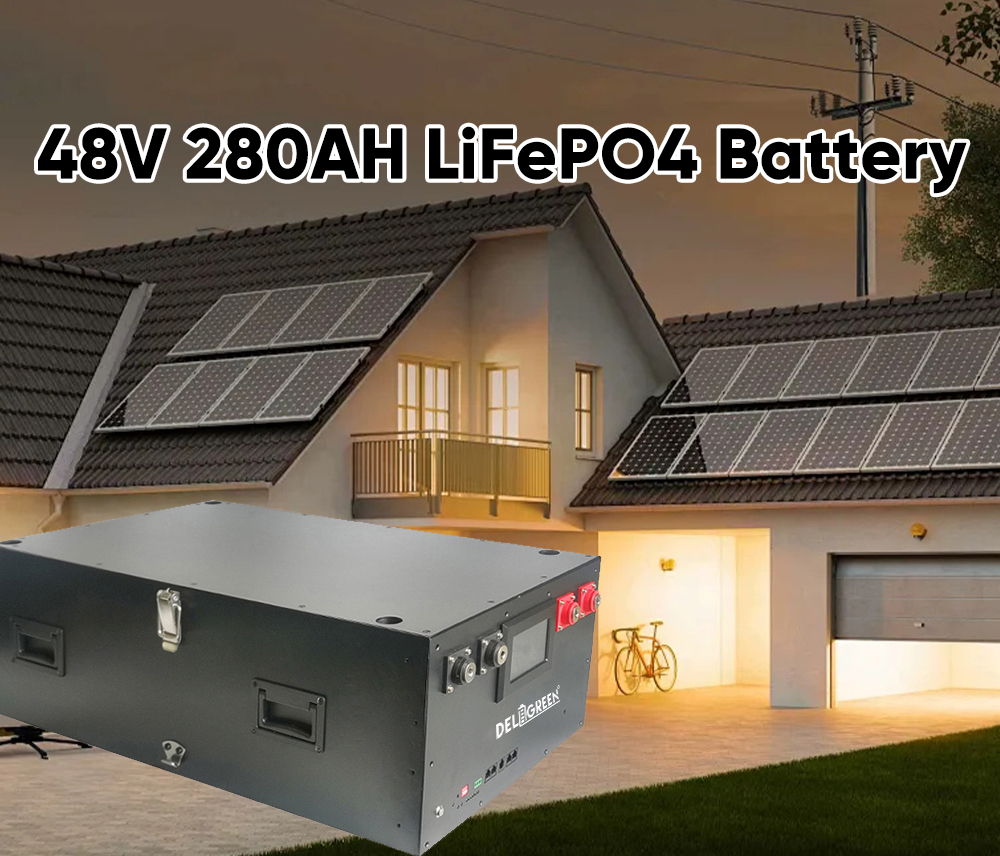
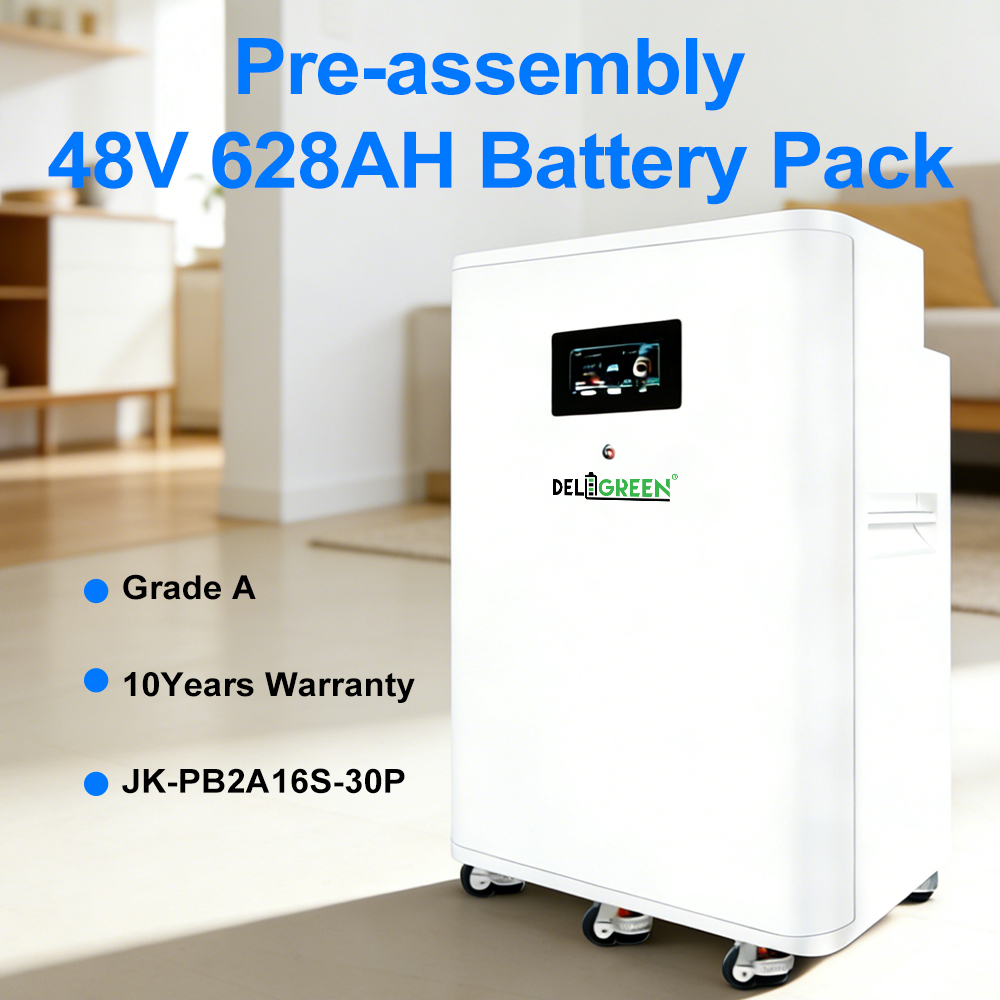
- 48V: More suitable for home energy storage, solar off-grid systems, and higher-power backup applications.
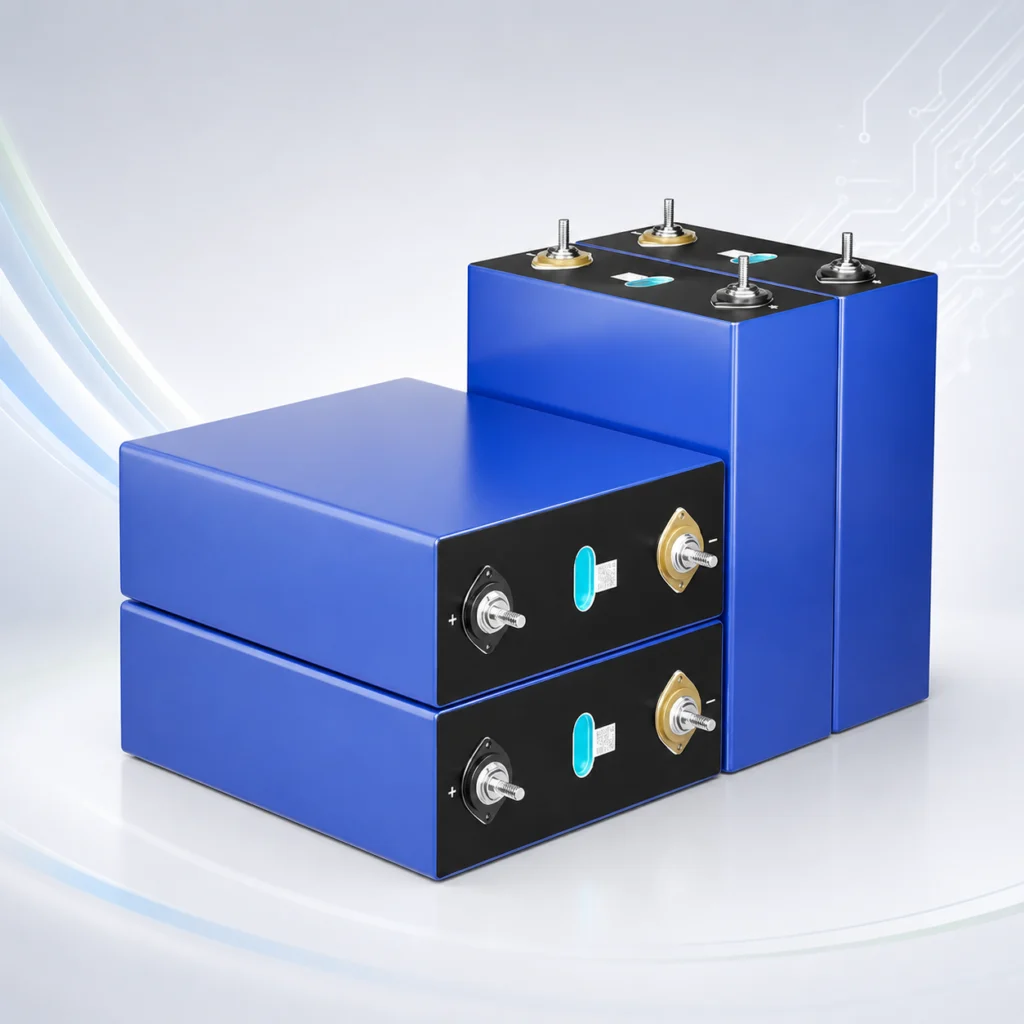
- 51.2V: Commonly used with 16-series LiFePO4 cells and compatible with many modern energy storage inverters.
For a typical home solar energy storage system, there is usually no need to spend too much time debating between 12V and 24V if the system needs to power multiple appliances. If you plan to run refrigerators, washing machines, air conditioners, and other household equipment, a 48V or 51.2V LiFePO4 battery is generally a more practical option.
Don’t Just Look at Battery Voltage — The Inverter Is Critical
A battery does not operate independently. It needs to work with the inverter, solar charge controller, and other equipment. In many cases, the problem is not that the battery itself is unsuitable, but that the battery voltage was not checked against the inverter specifications before purchase.
- Check whether the inverter supports 12V, 24V, or 48V/51.2V batteries.
- Check the inverter’s actual battery voltage range rather than relying only on the “48V” label.
- Check the maximum charging and discharging current.
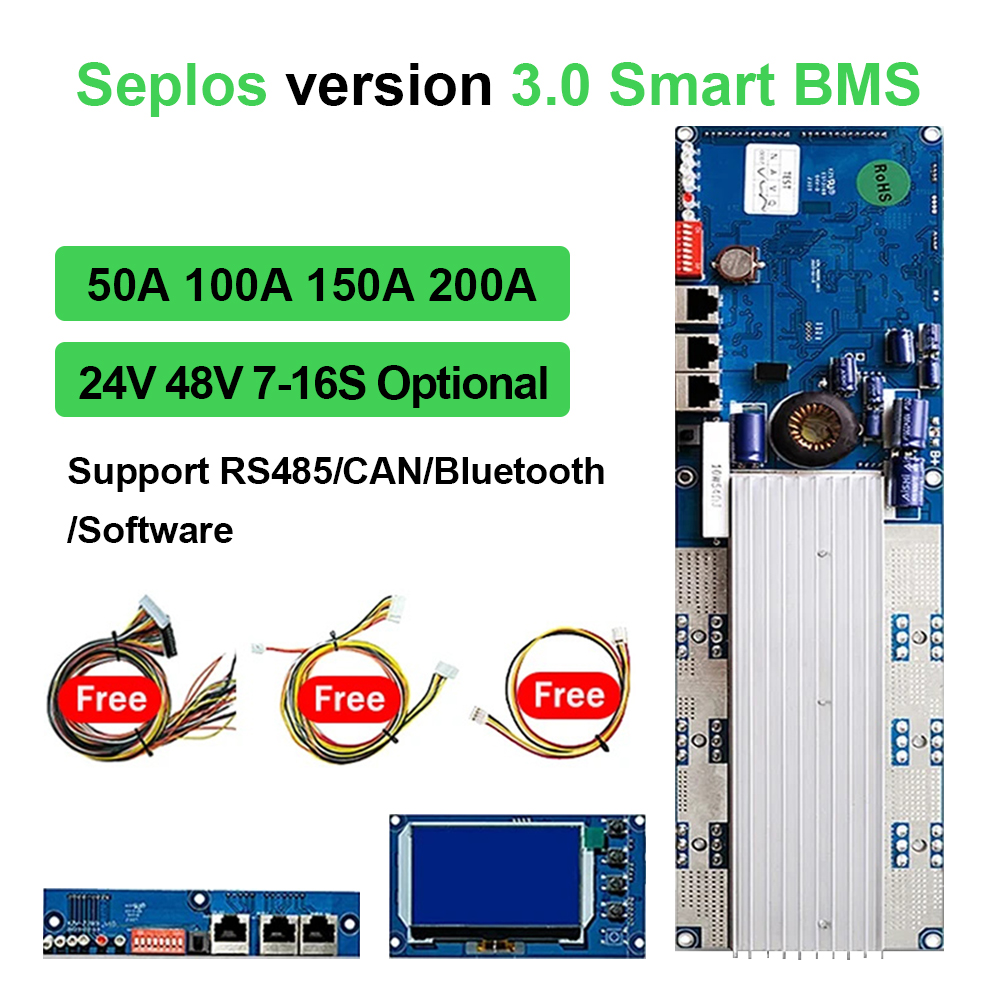
- If the inverter supports communication, make sure the BMS communication protocol is compatible.
This point is easy to overlook. Some products labeled as “48V” do not support exactly the same voltage range, while a 51.2V LiFePO4 battery will also reach a higher voltage when fully charged. Before purchasing, it is much more reliable to check the battery specifications in the inverter manual rather than simply matching product names.
What Battery Voltage Is Best for Home Solar Storage?
For residential solar energy storage, start with actual loads and future electricity needs. Small systems can use 12V or 24V batteries. However, if the goal is to store solar energy during the day and power several household appliances at night, a 48V-class battery system is usually more practical.
- Small backup power: A 12V LiFePO4 battery can be sufficient.
- Small-scale home or off-grid equipment: 24V can be a suitable option.
- Typical home energy storage: A 48V LiFePO4 battery is generally worth considering first.
- 16-series LiFePO4 battery systems: These commonly have a nominal voltage of 51.2V.
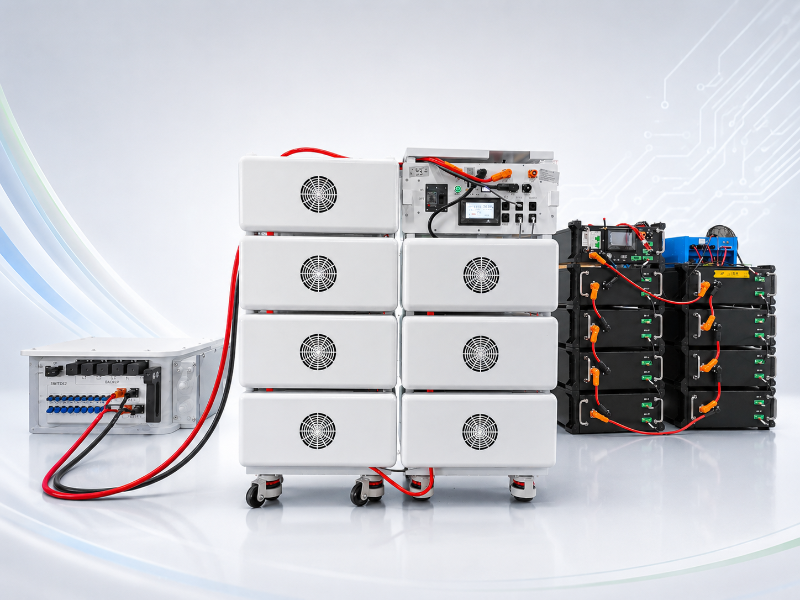
- Future expansion: Choose a battery system that supports parallel expansion.
If the system needs to store a large amount of solar energy every day, a 48V or 51.2V solution is generally easier to pair with energy storage inverters rated at 3kW or above. It can also make future battery expansion easier. However, battery voltage alone does not determine how much energy can be stored. Actual storage capacity depends on the combination of voltage and amp-hour capacity.
There is no single battery voltage that suits every solar system. Small devices can start with 12V, medium-sized applications can consider 24V, while home solar energy storage is generally better suited to 48V or 51.2V LiFePO4 batteries. When purchasing, the most important factors to check are load power, inverter voltage range, battery capacity, and expansion options. Matching these parameters properly will give you a battery solution that is genuinely suitable for your solar system, rather than one that simply looks right on paper.