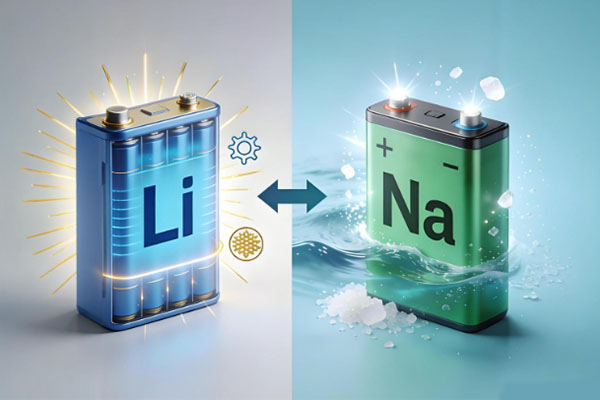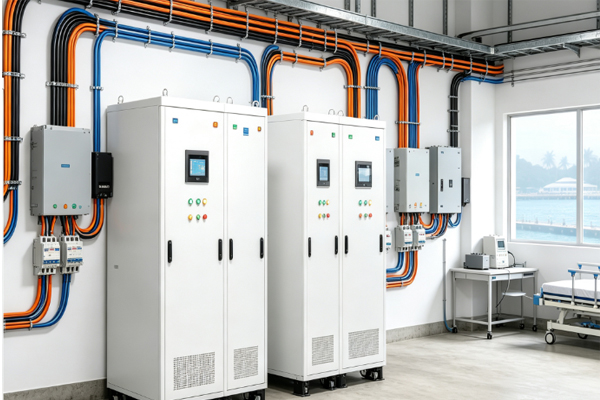
As the renewable energy and energy storage industries continue to grow, battery technology is also evolving. In addition to the well-established lithium-ion battery, sodium-ion batteries have attracted increasing attention in recent years.
The growing interest in sodium-ion batteries does not mean they can replace lithium-ion batteries in every application. Instead, sodium-ion batteries have their own advantages in areas such as resource availability, low-temperature performance, cost potential, and certain energy storage applications. These characteristics are particularly relevant to energy storage projects that require large-scale battery deployment.
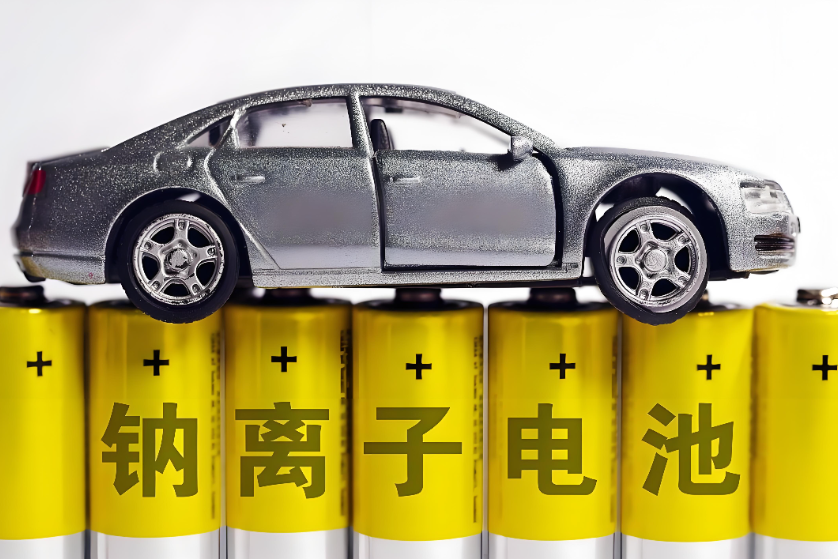
What Are the Key Advantages of Sodium-Ion Batteries?
Abundant Sodium Resources
One of the most obvious characteristics of sodium-ion batteries is that they use sodium ions as charge carriers. Sodium is abundant in nature and widely distributed, providing relatively diverse sources of raw materials.
Compared with certain battery materials that may be affected by resource availability and price fluctuations, sodium has a relatively strong resource base. For the battery industry, which is expected to expand significantly in the future, this resource advantage is worth considering.
More Diverse Raw Material Options
As the global energy storage market expands, demand for battery raw materials continues to increase. Sodium-ion batteries can use material systems that differ from traditional lithium-ion batteries, providing the industry with additional options.
In the long term, diversified material technologies can help reduce dependence on a single resource system and provide more choices for the development of energy storage applications.
Sodium-Ion Batteries Have Cost Potential
Abundant Sodium Resources Can Support Cost Control
Energy storage systems generally require large numbers of battery cells, making battery cost an important part of overall project investment.
The abundance and wide availability of sodium give sodium-ion batteries certain cost potential at the raw material level. As manufacturing processes improve and production capacity expands, the cost competitiveness of sodium-ion batteries will become increasingly important.
However, the final battery price is not determined by raw materials alone. Cathode and anode materials, manufacturing processes, production scale, equipment investment, and market supply and demand can all affect the overall cost.
Suitable for Cost-Sensitive Energy Storage Projects
Compared with electric vehicles, stationary energy storage systems generally have fewer restrictions on battery size and weight.
For large-scale and commercial and industrial energy storage projects, as long as batteries meet requirements for capacity, cycle life, and safety, cost can become a more important consideration. This is one of the reasons why sodium-ion batteries are attracting attention in the energy storage industry.
Sodium-Ion Batteries Offer Potential Benefits in Low Temperatures
Potential for Cold-Climate Applications
Temperature can directly affect battery charging and discharging performance. In cold regions, some battery systems may require additional heating equipment to maintain a suitable operating temperature.
Sodium-ion batteries have demonstrated certain advantages in low-temperature environments, giving them potential value for energy storage applications in colder regions.
Suitable for Outdoor Energy Storage
Outdoor energy storage equipment is exposed to natural environmental conditions and needs to operate through seasonal and temperature changes.
For energy storage projects in northern regions, high-altitude areas, and cold-climate countries, low-temperature performance can be an important factor when selecting batteries. Sodium-ion batteries can therefore be considered as one potential option for certain projects.
However, actual performance also depends on cell design, the Battery Management System (BMS), thermal management, and specific operating conditions.
Sodium-Ion Batteries Have Potential Safety Advantages
Thermal Stability Is Receiving Industry Attention
Safety is one of the most important concerns for large-scale energy storage projects. Energy storage systems usually contain large numbers of battery cells, so a battery abnormality can potentially affect the overall system.
Sodium-ion batteries use an electrochemical system that differs from lithium-ion batteries and have shown potential in terms of thermal stability. This is one reason they are receiving attention from the energy storage industry.
However, battery safety cannot be evaluated based on chemistry alone. Cell design, manufacturing quality, BMS, electrical protection, and fire protection systems are also important.
BMS Helps Improve System Reliability
In practical applications, sodium-ion batteries generally need to work together with a BMS.
The BMS can monitor voltage, current, and temperature in real time and provide protection and management according to operating conditions. Coordinated operation between the cells, BMS, and system controls can help improve the stability of the overall battery system.
Sodium-Ion Batteries Offer Valuable Cycle Performance
Cycle Life Affects Energy Storage Costs
Energy storage batteries are typically required to charge and discharge repeatedly over long periods, making cycle life an important specification.
If a battery can maintain good capacity and performance over many cycles, it can continue operating for a longer period, helping reduce the costs and maintenance pressure associated with frequent battery replacement.
Different sodium-ion battery products use different material systems and manufacturing processes, so cycle life can vary. When purchasing batteries, buyers should evaluate actual test data for the specific product.
What Applications Are Suitable for Sodium-Ion Batteries?
Residential and Commercial Energy Storage
Residential energy storage and commercial and industrial energy storage are among the potential application areas for sodium-ion batteries.
These systems often place greater emphasis on cost, safety, and long-term operation rather than simply pursuing the highest possible energy density. As a result, sodium-ion batteries have potential in these applications.
Renewable Energy and Large-Scale Energy Storage
Solar and wind power generation can be intermittent. Energy storage systems can store excess electricity and release it when needed.
Because large-scale energy storage projects typically require large numbers of battery cells, the resource and cost potential of sodium-ion batteries makes them an interesting technology option for these applications.
Sodium-Ion Batteries Are Not Better for Every Application
Energy Density Still Needs to Be Considered
Although sodium-ion batteries offer several advantages, they also have their own limitations.
Compared with some high-performance lithium-ion batteries, sodium-ion batteries generally have lower energy density. Therefore, applications such as electric vehicles and portable electronic devices, where weight and size are particularly important, require careful evaluation before selecting a battery technology.
Battery Selection Should Depend on the Application
No single battery technology is ideal for every application.
When choosing sodium-ion batteries, users should consider capacity, energy density, cycle life, charge and discharge rate, operating temperature, BMS functions, and overall system cost rather than focusing on just one specification.
Overall, the main advantages of sodium-ion batteries include abundant sodium resources, diversified material options, cost potential, promising low-temperature performance, and suitability for certain stationary energy storage applications.
As manufacturing technology continues to improve, sodium-ion batteries are becoming an important alternative battery technology alongside lithium-ion batteries. In areas such as residential energy storage, commercial and industrial energy storage, and large-scale renewable energy storage, sodium-ion batteries have considerable potential for future development.
For businesses and battery buyers, choosing a sodium-ion battery should not be based on price alone. It is important to consider the specific operating environment, capacity requirements, expected cycle frequency, and overall system design to find the **Sodium-Ion Battery** that best fits the project.