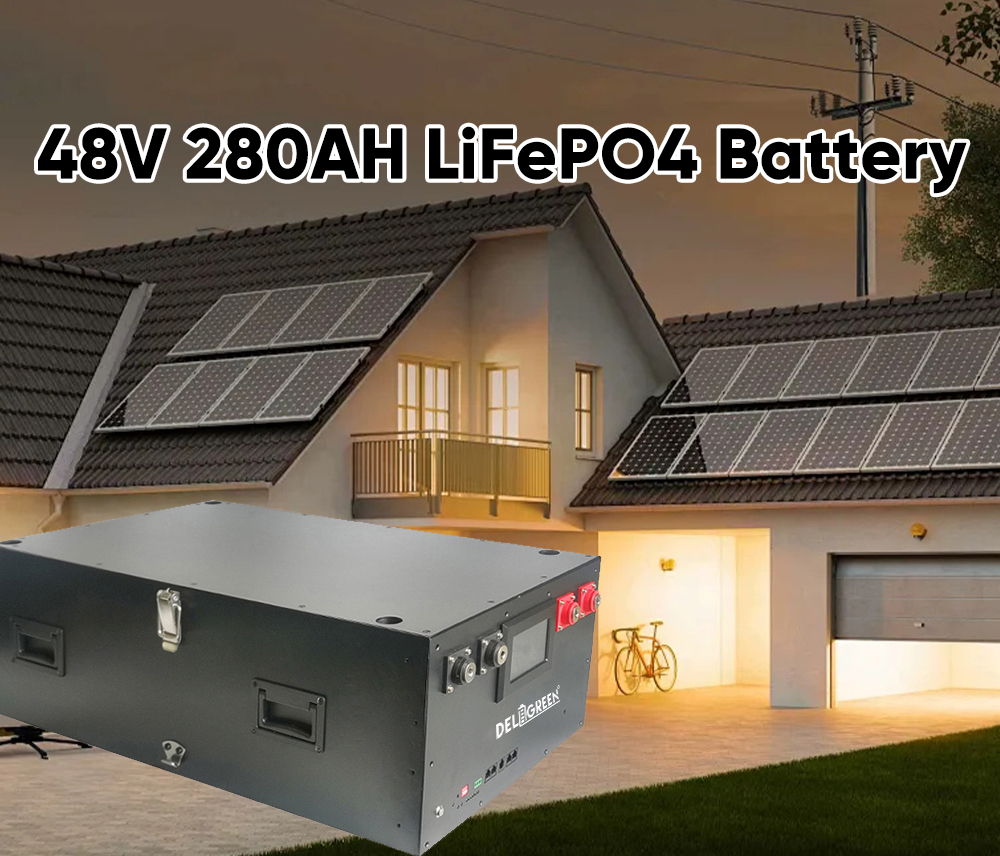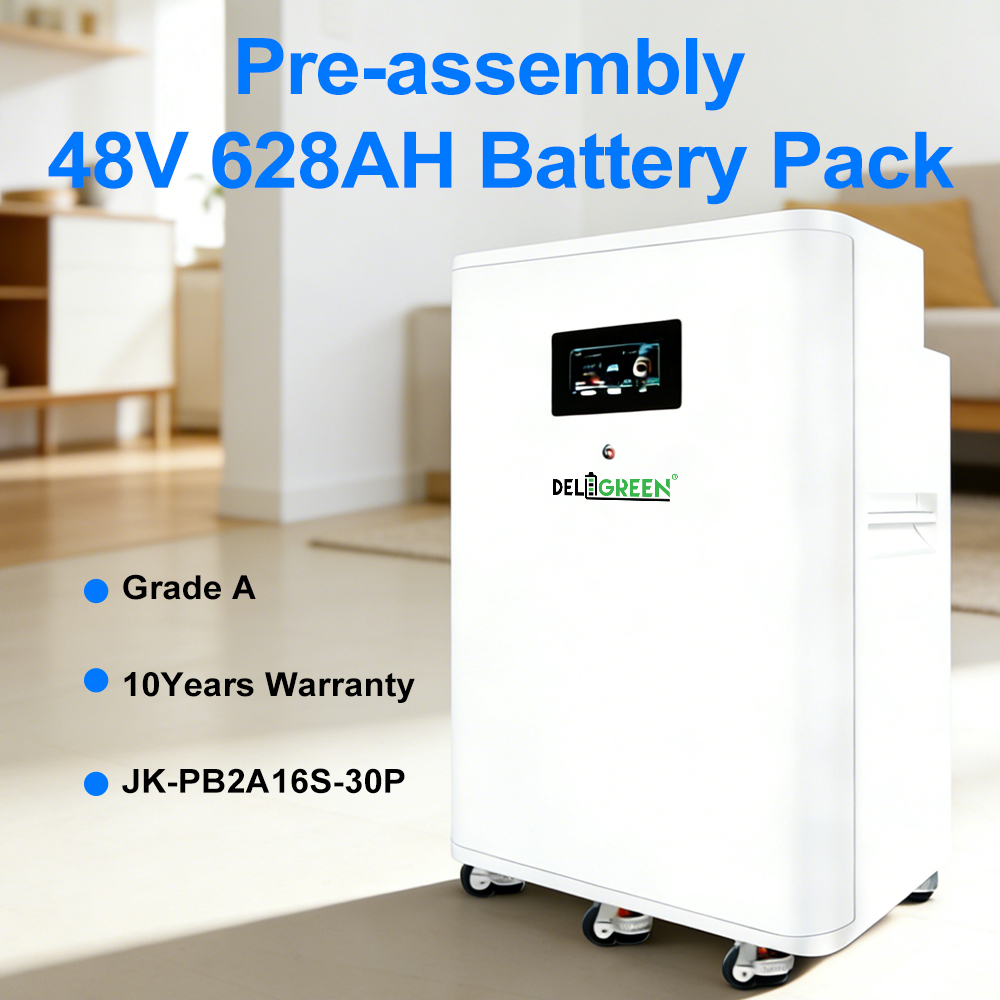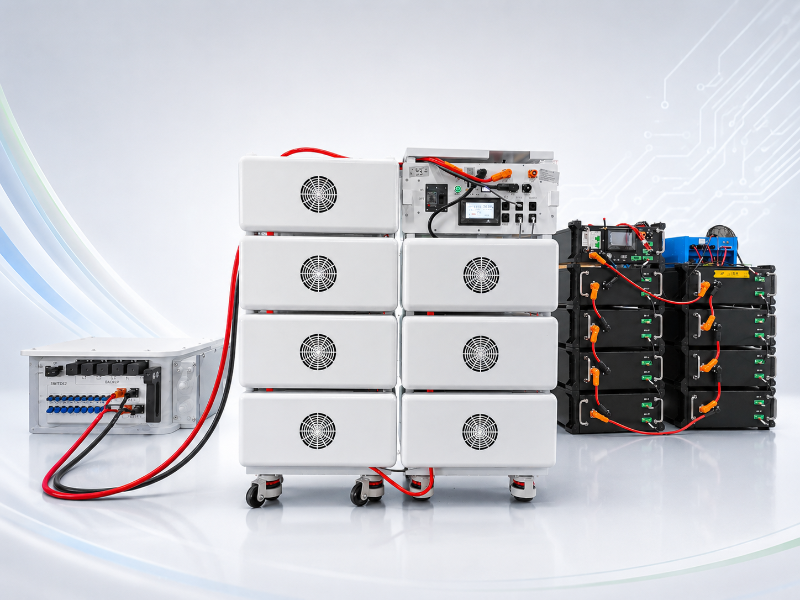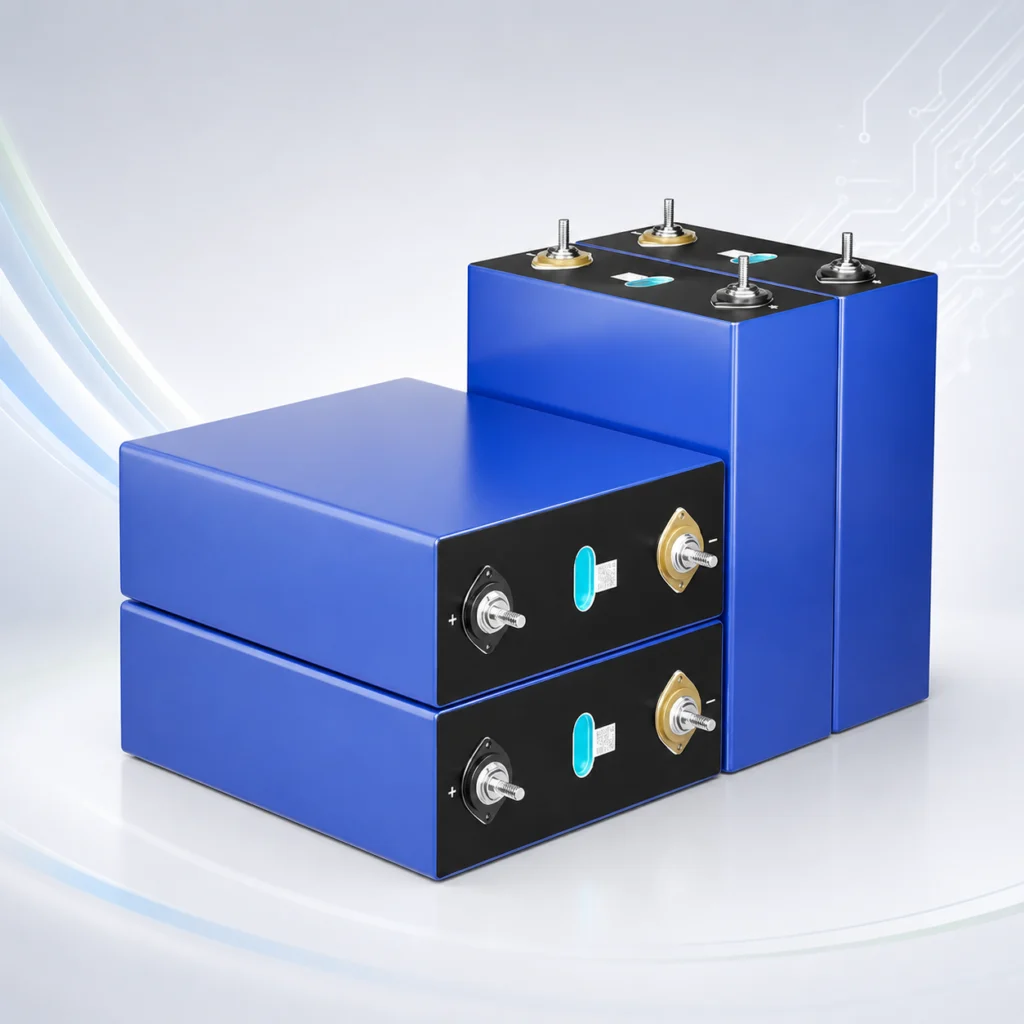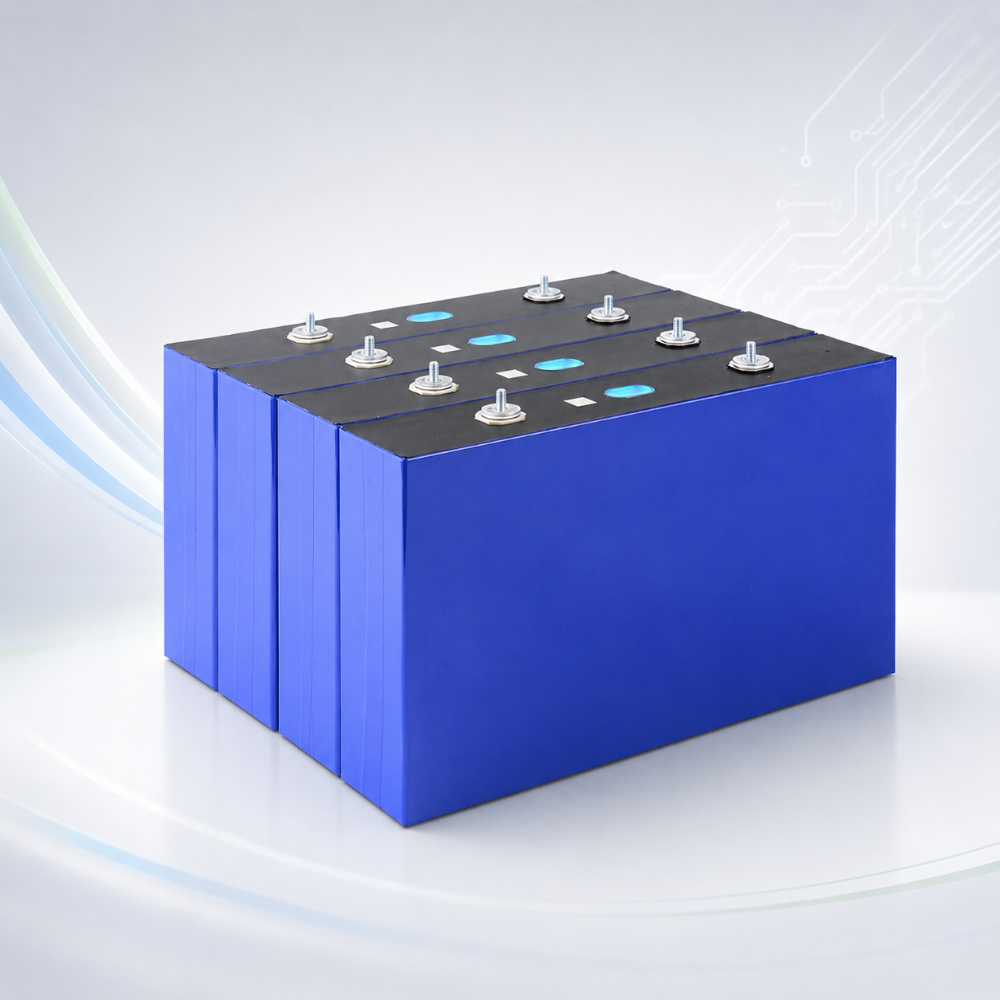
As residential solar power and distributed energy systems continue to develop, home energy storage batteries are becoming an important part of household energy management. Wall-mounted home energy storage batteries use a compact installation design that allows them to be mounted on walls, reducing floor space requirements while providing reliable electricity storage. LiFePO4 batteries are particularly suitable for residential energy storage because of their good cycle performance, thermal stability, and battery protection capabilities. Surplus electricity generated by a photovoltaic system during the day can be stored in the battery and used at night or when solar generation is insufficient, improving solar energy utilization. For households that frequently use air conditioners, electric water heaters, refrigerators, washing machines, lighting equipment, and electric vehicle chargers, wall-mounted energy storage batteries can also be configured according to actual load requirements. A properly designed home energy storage system can reduce dependence on grid electricity while providing backup power for important household equipment during outages.
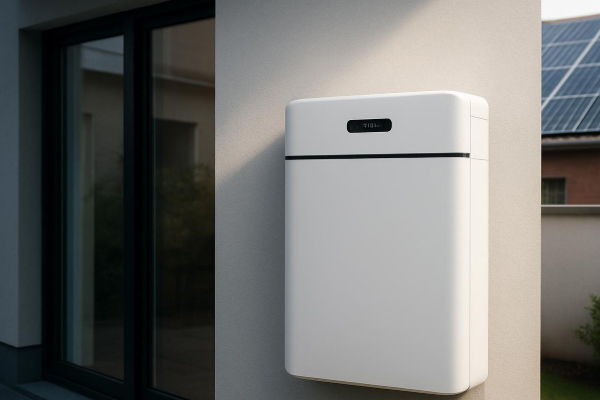
Save Household Space and Simplify Installation
One of the key advantages of wall-mounted home energy storage batteries is their use of vertical wall space. Compared with traditional battery cabinets that occupy floor space, wall-mounted designs require less room and are particularly suitable for homes with limited storage areas. The batteries can typically be installed in garages, utility rooms, equipment areas, or other locations that meet installation requirements without significantly interfering with normal household activities. The wall-mounted structure can also provide a cleaner and more organized appearance, making it easier to integrate the battery into modern residential environments. During installation, the wall structure and mounting method must be selected according to the weight of the battery, while sufficient space should be reserved for heat dissipation and maintenance. For products with modular designs, homeowners can select a suitable capacity according to current electricity demand and add battery modules later if energy requirements increase. Efficient use of wall space makes residential energy storage systems more flexible while supporting compact solar-plus-storage installations.
Performance Advantages of LiFePO4 Batteries
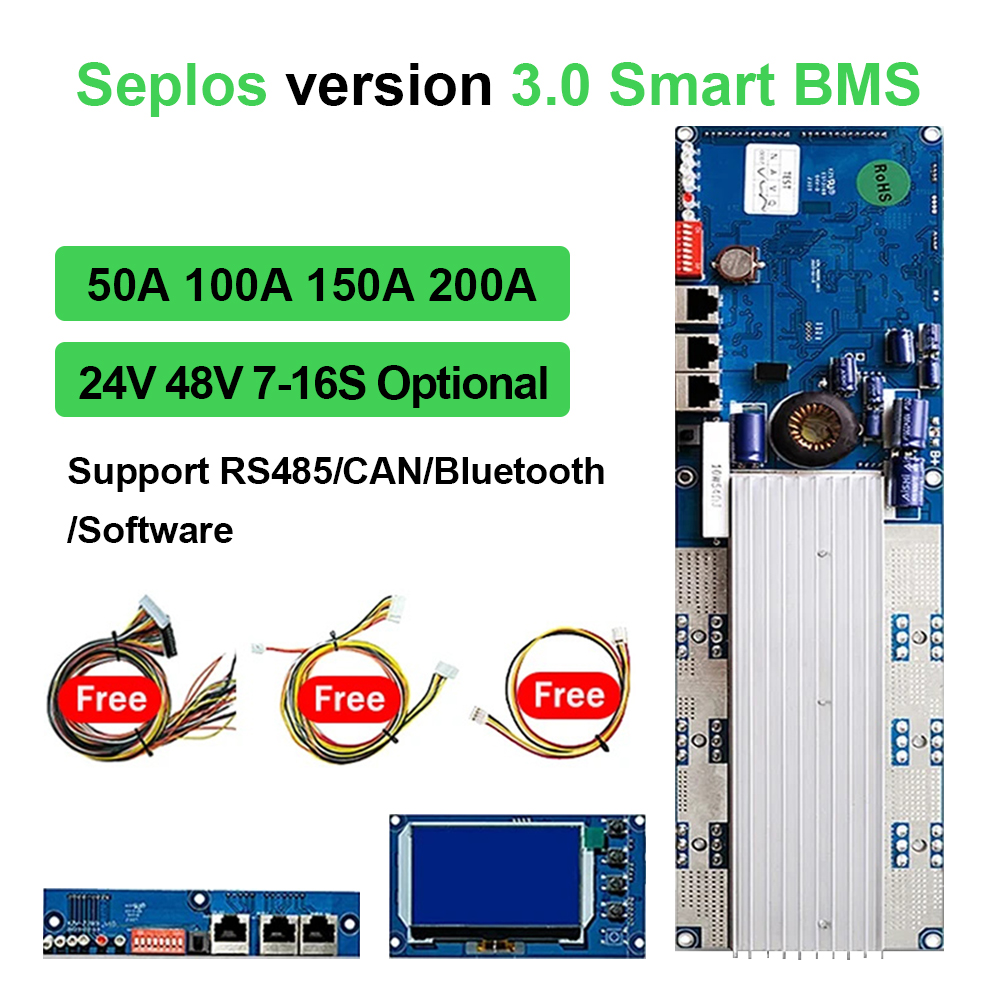
Wall-mounted home energy storage systems are often charged and discharged every day, making cycle life, stability, and protection capabilities important considerations. LiFePO4 batteries offer good cycle performance and can meet long-term residential energy storage requirements when operated under appropriate charging and discharging conditions. LiFePO4 chemistry also provides good thermal stability, making it suitable for home energy storage applications. Energy storage batteries are generally equipped with a Battery Management System (BMS), which monitors cell voltage, temperature, current, and SOC in real time and activates appropriate protection when abnormal conditions occur. For homeowners, this type of battery management can improve system stability and operational reliability. Wall-mounted batteries can also work with hybrid energy storage inverters, photovoltaic panels, and home energy management systems to automatically manage charging and discharging according to household electricity consumption. During the day, when solar generation is sufficient, the system can prioritize household loads and store surplus electricity in the battery. At night, when solar generation stops, the stored energy can be used to power household appliances. This operating strategy can increase the self-consumption rate of renewable energy.
Practical Application Advantages of Wall-Mounted Home Energy Storage Batteries
Wall-mounted home energy storage batteries are suitable not only for everyday electricity consumption but also for solar self-consumption, peak and off-peak electricity management, and backup power during outages. With an appropriate capacity configuration, the battery can respond flexibly to changes in household loads.
- Store Surplus Solar Electricity:Homes with rooftop solar panels may generate more electricity than they consume during the daytime. Surplus electricity can be stored in a wall-mounted energy storage battery and then released at night when household electricity demand increases. This improves the utilization of solar-generated electricity.
- Manage Peak and Off-Peak Electricity Prices:In areas with time-of-use electricity pricing, households can charge the battery during lower-cost periods and use stored electricity during higher-cost periods. Proper charging and discharging schedules can reduce grid electricity purchases during expensive periods.
- Provide Backup Power During Outages:When the public grid fails, a wall-mounted energy storage system with backup output capabilities can supply electricity to important loads such as lighting, refrigerators, networking equipment, and security systems. Backup duration depends on battery capacity and load power.
- Support Electric Vehicle Charging:Households with electric vehicles can integrate photovoltaic generation, energy storage batteries, and home EV charging equipment. Using solar power during the day and scheduling vehicle charging appropriately can improve the utilization of clean household energy.
Through these applications, wall-mounted home energy storage batteries can function as more than simple backup power sources and become an important part of household energy management.
Smart Management Makes Home Energy Storage More Flexible
Modern wall-mounted home energy storage batteries can work with inverters and home energy management systems to provide more intelligent energy scheduling. The system can adjust charging and discharging according to photovoltaic generation, household load, battery SOC, and electricity prices. For example, when solar generation is high during the day, solar power can be used to supply household appliances first, with surplus electricity directed to battery charging. At night, when solar generation stops, the energy storage battery can supply power to household loads. If the system detects a grid outage, it can switch to backup power according to a preset operating strategy. Some energy storage systems also support monitoring through smartphones or computers, allowing users to view battery SOC, charging and discharging power, operating status, and historical data. Larger homes can use multiple battery modules to expand storage capacity as electricity demand increases. Intelligent control reduces the need for manual operation and allows the battery system to automatically adjust its operating strategy according to actual energy conditions.
How to Choose a Suitable Wall-Mounted Home Energy Storage Battery?
When selecting a wall-mounted home energy storage battery, homeowners should consider daily electricity consumption, photovoltaic system capacity, major load power, required backup duration, and available installation space. Battery capacity determines how much electricity can be stored. If capacity is too small, the battery may not provide enough energy to cover important nighttime loads; if it is excessively large, the system may remain underutilized for long periods. For households requiring backup power, the combined power consumption of refrigerators, lighting, networking equipment, security systems, and other critical loads should be calculated, followed by determining the required energy capacity according to the expected backup duration. Battery voltage and inverter specifications must also be compatible, while BMS communication protocols and system interfaces should be verified. Wall structure, installation conditions, ambient temperature, and heat dissipation space are also important for wall-mounted systems. When purchasing LiFePO4 home energy storage batteries, it is advisable to prioritize products with reliable BMS protection, clearly defined battery specifications, good expansion capabilities, and stable communication functions. For homes that already have photovoltaic systems, compatibility between the energy storage battery and existing inverter should also be confirmed. By selecting appropriate battery capacity, charging and discharging power, and installation methods, a wall-mounted home energy storage system can better meet household electricity, solar energy storage, peak and off-peak electricity management, and backup power requirements while providing a flexible and reliable residential energy solution.