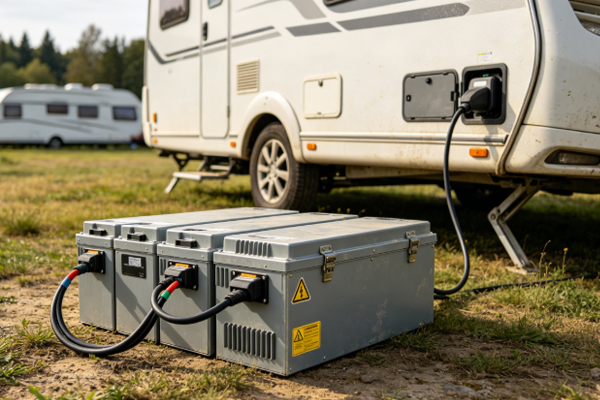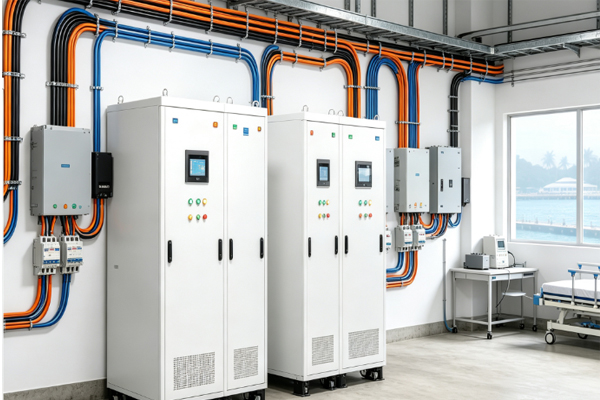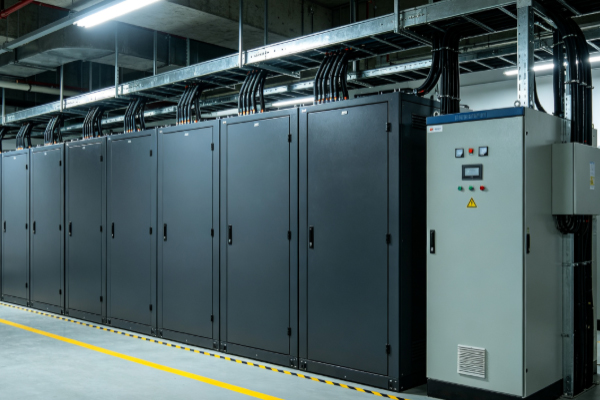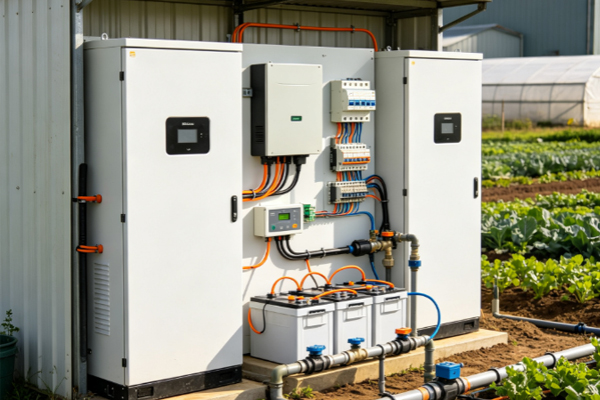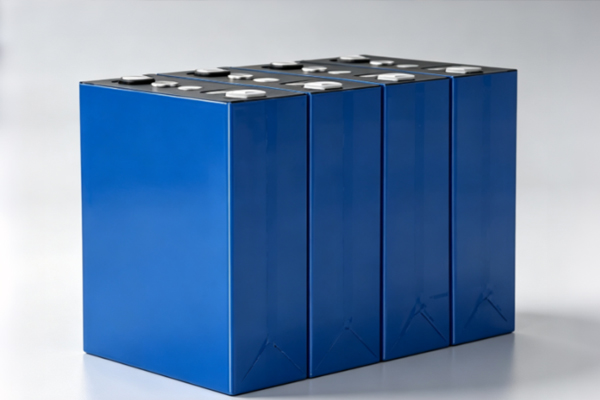
Hospitals are special facilities with extremely high requirements for power stability. Operating rooms, ICUs, emergency departments, pharmaceutical refrigeration systems, and various life-support devices all require continuous and reliable electricity. A power outage in an ordinary place may only affect work efficiency, but in a hospital, it can interrupt medical procedures and impact patient care. Traditional diesel generators can provide backup power, but they also have limitations such as startup delays, high maintenance costs, noise, and fuel storage requirements. With the development of energy storage technology, more hospitals are adopting smarter energy solutions. Hospital energy storage batteries can store electricity in advance and release power quickly when the grid becomes unstable, providing reliable support for critical medical equipment while improving long-term energy management efficiency. So, how does a hospital energy storage system achieve continuous power supply? What factors should be considered when selecting a suitable solution?

Why Do Hospitals Need Energy Storage Systems for Continuous Power Supply?
Hospitals operate a large number of electrical devices every day, and power stability directly affects the quality of medical services. Compared with ordinary buildings, hospitals must not only meet daily electricity demands but also maintain emergency power capabilities during unexpected outages. As a result, energy storage systems are becoming an important part of hospital backup energy solutions by storing electricity and intelligently managing power distribution.
Ensuring Continuous Operation of Critical Medical Equipment
Hospitals contain many devices that cannot remain without power for long periods, including patient monitoring systems, surgical equipment, and emergency medical devices. These systems require stable electricity, and extended outages may affect normal medical operations. Therefore, hospitals need reliable energy storage systems that can provide immediate support during power failures.
- Protects critical equipment operation: Provides stable power support for ICUs, operating rooms, and emergency departments.
- Reduces outage impacts: Minimizes disruptions caused by unexpected power interruptions.
- Improves emergency response: Helps hospitals quickly restore power to essential areas.
For hospitals, backup power is not simply an auxiliary system but an important foundation for medical safety. A reliable hospital energy storage battery system can improve operational stability and provide stronger protection during emergencies.
Improving Hospital Energy Management Efficiency
Hospitals are high-energy-consuming facilities. Air conditioning systems, lighting, elevators, medical equipment, and supporting infrastructure all consume significant amounts of electricity every day. In addition to emergency backup power, energy storage systems can optimize electricity usage by storing and releasing energy at appropriate times.
- Reduces peak electricity pressure: Stores power during low-price periods and releases it during peak demand.
- Improves energy efficiency: Reduces unnecessary electricity waste.
- Supports renewable energy use: Stores electricity generated from solar and other clean energy sources.
- Optimizes energy management: Helps hospitals build smarter power management systems.
Modern hospitals have higher requirements for energy management. Energy storage systems are gradually developing from simple backup equipment into comprehensive solutions combining emergency power supply and energy optimization.
How Does a Hospital Energy Storage System Achieve Continuous Power Supply?
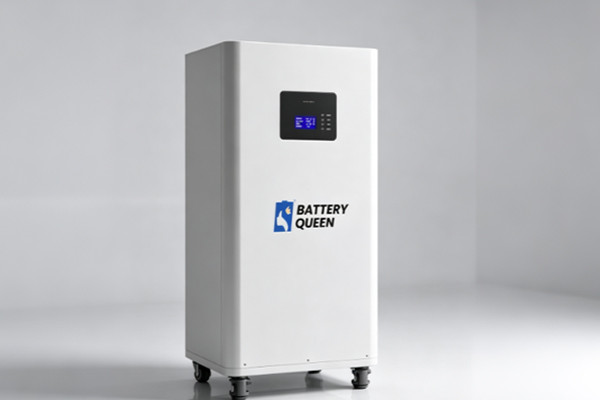
A hospital energy storage system relies on storage batteries, intelligent control systems, and complete safety protection mechanisms to maintain stable power supply. From energy storage to automatic switching during outages, every part affects overall performance. When selecting an energy storage solution, hospitals need to consider battery performance, response speed, and long-term reliability.
Providing Backup Energy Through High-Performance Storage Batteries
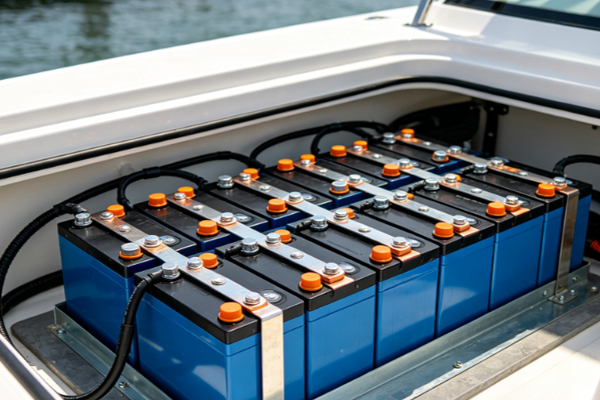
Storage batteries are the core component of hospital energy storage systems. They directly determine backup duration and output stability. Common energy storage batteries include lithium iron phosphate batteries, ternary lithium batteries, and lead-acid batteries. Among them, lithium batteries are increasingly used in hospital energy storage projects because of their long cycle life, high efficiency, and reliable performance.
| Hospital Energy Demand | Recommended Battery Solution | Main Advantages | Application Features |
| Long-duration backup power | Lithium iron phosphate battery | High safety and long cycle life | Suitable for fixed hospital energy storage systems |
| Space-limited areas | Ternary lithium battery | Higher energy density and smaller size | Suitable for projects with limited installation space |
| Basic emergency power supply | Lead-acid battery | Mature technology and lower initial cost | Suitable for small-scale backup power needs |
- Choose stable battery cells: Ensure reliable power output during long-term operation.
- Focus on battery cycle life: Reduce maintenance pressure caused by frequent replacement.
- Pay attention to safety design: Lower potential risks during operation.
For hospitals that require long-term stable operation, lithium batteries not only affect backup duration but also determine the overall reliability of the energy storage system.
Using Intelligent Energy Management Systems for Fast Response
A hospital energy storage system is not simply a combination of batteries. It also requires an intelligent management system to control power flow. When grid abnormalities occur, the system can automatically detect the problem and switch power sources quickly, ensuring continuous energy support for critical equipment.
- Monitors power conditions in real time: Detects abnormal electricity situations quickly.
- Automatically switches power supply: Reduces delays caused by manual operations.
- Distributes power efficiently: Prioritizes important medical loads.
- Improves system performance: Allows storage equipment to deliver greater value.
An intelligent management system helps hospitals control energy usage more accurately, allowing storage equipment to support both emergency power supply and daily energy optimization.
What Are the Main Applications of Hospital Energy Storage Systems?
Different hospital areas have different power requirements. Critical medical areas require the highest level of power protection, while general areas focus more on energy efficiency. Therefore, hospital energy storage solutions should be designed according to actual application environments.
Providing Backup Power for ICUs and Operating Rooms
ICUs, operating rooms, and emergency departments are among the most important power-consuming areas in hospitals. These locations require extremely high power reliability because many devices operate continuously and any extended interruption may affect medical procedures.
- Supports life monitoring equipment: Ensures continuous operation of patient monitoring systems.
- Protects surgical equipment operation: Reduces the impact of power problems on medical procedures.
- Improves emergency protection: Strengthens hospital response capabilities during unexpected events.
By supporting critical medical areas with energy storage systems, hospitals can establish a more reliable emergency power infrastructure and improve overall safety.
Supporting Pharmaceutical Refrigeration and Laboratory Equipment
Many medicines, biological products, and laboratory materials require stable storage conditions. Long power interruptions may affect product quality and research progress. Energy storage systems can provide continuous electricity for refrigeration equipment and laboratory areas.
- Maintains refrigeration operation: Prevents power failures from affecting medicine storage conditions.
- Supports laboratory equipment: Ensures continuous testing and research activities.
- Reduces equipment downtime risks: Improves overall hospital operational stability.
- Expands energy protection coverage: Meets more medical application requirements.
Stable power supply affects not only equipment operation but also hospital management efficiency and healthcare service quality.
How to Improve the Reliability of Hospital Energy Storage Battery Systems?
Hospital energy storage systems usually operate for many years. In addition to selecting suitable equipment, proper maintenance and management are equally important. Correct usage methods can extend battery life and improve overall system reliability.
Perform Regular Maintenance for Energy Storage Equipment
Although modern energy storage systems have a high level of automation, regular inspections are still necessary during long-term operation. Detecting problems early can prevent failures from affecting hospital power supply.
- Regularly check battery conditions: Monitor capacity changes and operating status.
- Maintain a stable installation environment: Avoid high temperatures and humidity affecting performance.
- Test system operation: Ensure normal startup during emergency situations.
Proper maintenance helps lithium batteries maintain stable performance while reducing long-term operating costs for hospitals.
Choose a Professional Energy Storage Solution Provider
Hospital energy storage projects involve battery selection, system design, safety management, and after-sales support. Professional suppliers can provide solutions that better match hospital requirements.
- Provide customized solutions: Design systems according to hospital power demands.
- Ensure stable product quality: Reduce risks during long-term operation.
- Offer technical support: Make maintenance and upgrades easier.
- Provide complete after-sales service: Improve long-term user experience.
Choosing a reliable energy storage supplier is not only about purchasing equipment but also about ensuring stable energy supply for hospitals in the future.
Hospital energy storage systems achieve reliable continuous power supply through storage batteries, intelligent management platforms, and safety protection technologies. For healthcare facilities, selecting the right hospital energy storage battery solution requires comprehensive consideration of battery safety, capacity matching, cycle life, and system stability. High-quality lithium battery energy storage systems can help hospitals improve emergency power protection, reduce energy management pressure, and support the development of smarter healthcare energy management. They provide a stable and reliable power foundation for the long-term operation of modern hospitals.