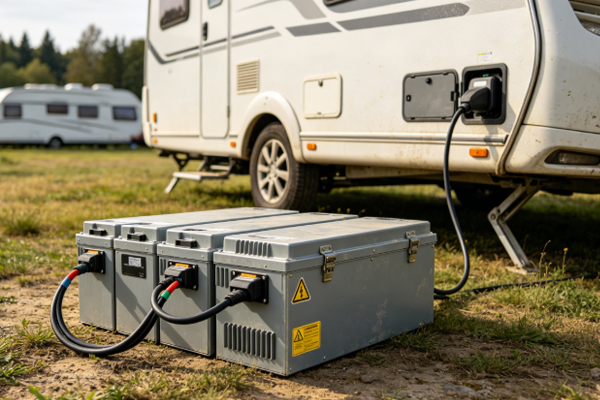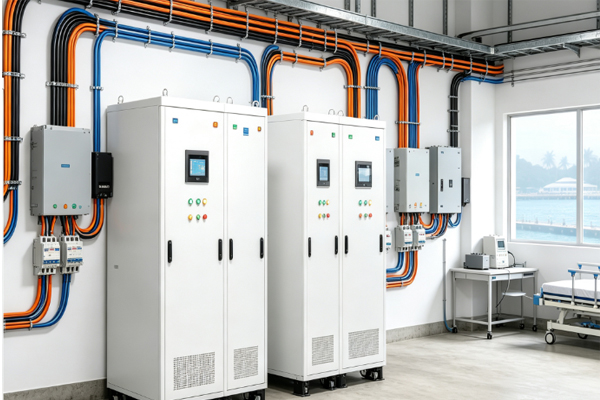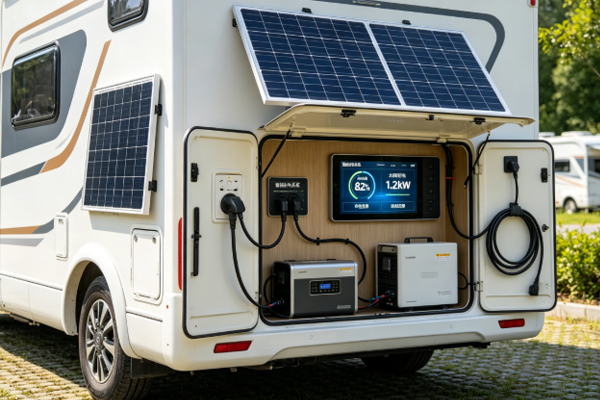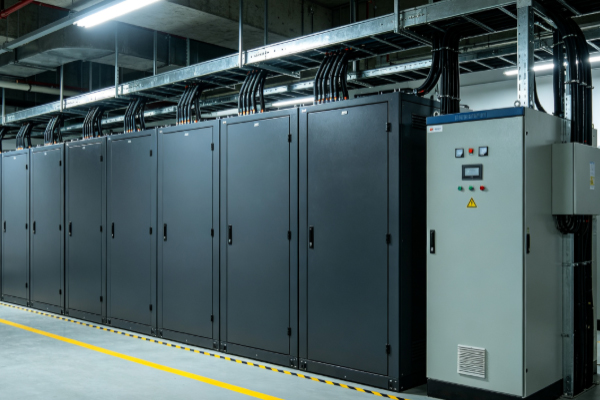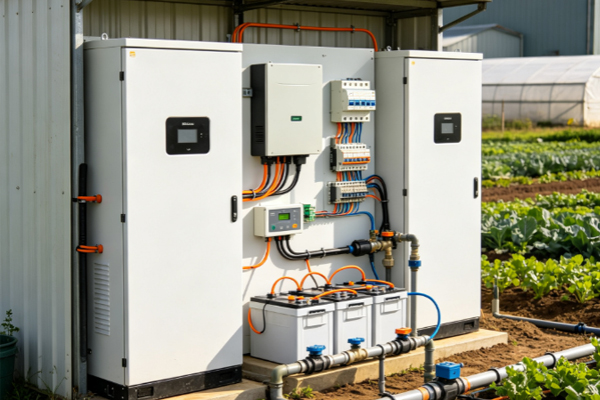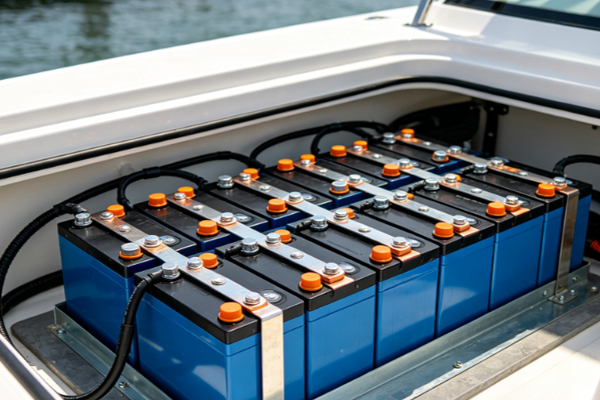
Power outages are more than just an inconvenience on a farm. When water pumps stop, ventilation systems shut down, automatic feeders lose power, or monitoring equipment goes offline, daily operations can quickly be disrupted. More farms are now using LiFePO4 batteries to store electricity generated during the day and keep essential equipment running at night or during outages. For a reliable farm backup power solution, choosing a battery is not simply about getting the largest capacity available. The battery capacity, output power, charging method, inverter, and actual farm loads all need to work together.
How Much Battery Capacity Does a Farm Backup Power System Need?
Farm energy storage should start with the actual electricity consumption of the farm. Water pumps, ventilation fans, lighting, monitoring systems, and automatic feeding equipment can have very different power requirements. Some only run for a short period, while others may operate continuously for hours.
How Do You Calculate Battery Capacity for a Farm?
A simple starting point is to calculate the daily energy consumption of the main equipment:
Daily energy consumption (kWh) ≈ Equipment power (kW) × Operating time per day (h)
If a farm uses around 20kWh of electricity per day and also wants to keep some reserve capacity, the battery should not be selected based only on 20kWh. Inverter efficiency, usable battery capacity, depth of discharge, and periods of poor solar generation should also be considered.
Typical Power Requirements of Farm Equipment
| Farm Equipment | Typical Power Range | Usage Characteristics |
| Water pump | 0.75–5.5kW | High starting current |
| Ventilation fan | 0.2–2.2kW | May operate for long periods |
| LED lighting | 50W–500W | Often used at night |
| Automatic feeder | 0.1–1.5kW | Intermittent operation |
| Monitoring equipment | 20W–200W | Usually requires continuous power |
One thing farm owners often overlook is starting power. Pumps and other motor-driven equipment can require significantly more power when starting than during normal operation. If the battery and inverter are sized only for the normal running load, the system may shut down when a large motor starts.
Should You Choose a 10kWh, 20kWh, or Larger Battery?
For a small farm that only needs backup power for lighting, monitoring equipment, a small pump, and other essential loads, a battery around 10kWh may be enough. Farms with several pumps, ventilation systems, and automated equipment may need 20–50kWh or more. Off-grid farms or farms that need backup power for extended periods may require a larger system.
Scalability is also worth considering. Farm equipment tends to increase over time. If the battery system is designed for future expansion, additional battery modules can be added later without replacing the entire energy storage system.
Are LiFePO4 Batteries Suitable for Farm Backup Power?
Farm energy storage is different from a typical household backup system. Batteries may be charged and discharged frequently, while the equipment can be installed in a barn, utility room, storage building, garage, or dedicated outdoor power area. Long-term reliability matters just as much as battery capacity.
Why Are LiFePO4 Batteries Used for Farm Energy Storage?
LiFePO4 batteries offer good cycle performance and thermal stability, making them suitable for energy storage applications that require frequent charging and discharging. For farms that need daily farm energy storage, a battery may go through a regular charge and discharge cycle every day. Long-term cycle performance becomes an important purchasing consideration.
What Battery Specifications Should Farm Buyers Check?
When purchasing a battery, do not focus only on the Ah rating. These specifications are also worth confirming:
- Rated voltage: Common systems use 12V, 24V, or 48V configurations.
- Rated capacity: Determines how much energy the battery can store.
- Continuous discharge current: Important for stable long-duration operation.
- Peak discharge capability: Especially important for pumps and motor loads.
- Cycle life: A key specification for systems that charge and discharge frequently.
Can Farm Storage Batteries Work with Solar Panels?
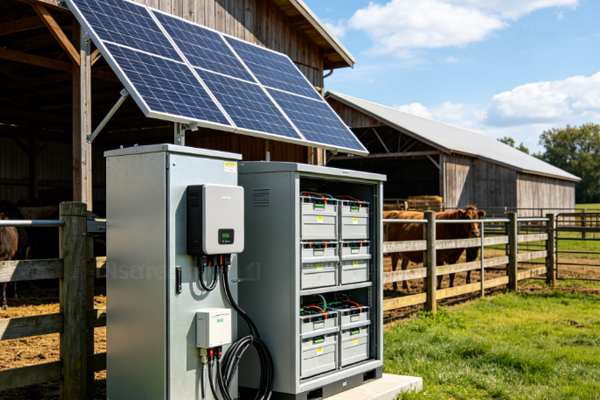
Yes. Solar plus battery storage is a practical combination for many farms. During the day, solar panels can supply electricity directly to farm equipment while excess energy is stored in the LiFePO4 battery. At night, or when solar generation is unavailable, the stored energy can power lighting, monitoring equipment, pumps, and other essential loads.
This setup can be particularly useful for remote farms. When grid power is unstable, a solar-plus-storage system with an inverter can provide a more independent backup power source and reduce the need to rely on a generator every time the grid goes down.
How Can a Farm Backup Power System Handle Outages and Cloudy Weather?
The real challenge for a farm backup power system is often not a sunny day. It is a sudden power outage, several days of cloudy weather, or a period when solar generation is much lower than expected. Battery capacity, backup duration, solar charging capacity, and critical loads all need to be considered before the system is installed.
Which Farm Equipment Should Have Priority During a Power Outage?
Not every piece of farm equipment needs to be connected to the backup system. Separating critical loads can make the battery system more practical and prevent non-essential equipment from draining the battery too quickly.
- Water supply equipment: Often a high priority for farms and livestock operations.
- Ventilation systems: Particularly important for maintaining suitable conditions in livestock facilities.
- Monitoring and communication equipment: Helps keep farm operations visible during an outage.
- Automatic feeding equipment: Backup power can be scheduled around feeding requirements.
- Basic lighting: Useful for nighttime work, inspections, and equipment maintenance.
How Long Can a Farm Backup Battery Run?
| Battery Capacity | Load Power | Theoretical Runtime* | Typical Application |
| 10kWh | 1kW | About 10 hours | Lighting, monitoring, small equipment |
| 20kWh | 2kW | About 10 hours | Essential loads on small farms |
| 30kWh | 3kW | About 10 hours | Pumps, fans, and other key loads |
| 50kWh | 5kW | About 10 hours | Larger backup power requirements |
Actual runtime depends on inverter efficiency, usable battery capacity, depth of discharge, starting power, operating conditions, and other system factors.
If the farm needs at least 8 hours of backup power, the battery size should be calculated from the actual load and required backup time. Pumps and other motors also require attention because their starting power can be much higher than their normal operating power. The inverter and battery should have enough output capability to handle these short power peaks.
What Does a BMS Do in a Farm Energy Storage Battery?
Farm batteries may operate through frequent charging and discharging cycles, so the BMS is an important part of the battery system. A battery management system can monitor cell voltage, temperature, current, and other operating conditions while providing protection against overcharge, over-discharge, overcurrent, and abnormal temperature conditions.
For systems connected to solar inverters or farm energy management equipment, buyers can also check whether the BMS supports communication protocols such as CAN or RS485. This allows battery status and operating data to be monitored by the wider power system. Communication becomes especially useful when managing larger energy storage installations.
How to Choose the Right Battery for Farm Energy Storage?
There is no single battery specification that works for every farm. Crop farms may place greater importance on irrigation pumps and agricultural equipment, while livestock farms may need more power for ventilation, lighting, automatic feeding, and environmental control systems. When purchasing LiFePO4 batteries, it is worth providing the supplier with information about daily energy consumption, maximum load, required backup time, solar capacity, and available installation space. For projects that may expand later, buyers should also check whether the batteries support parallel expansion, BMS communication, inverter compatibility, and customized battery enclosure dimensions. DELIGREEN provides global buyers with LiFePO4 batteries, battery packs, DIY battery boxes, BMS accessories, and scalable energy storage solutions that can be configured for different farm power requirements.
Farm electricity demand rarely stays exactly the same. A system may initially be used for pumps and lighting, then later need to support ventilation fans, refrigeration equipment, automated machinery, or other loads. Choosing a LiFePO4 battery with the right capacity, power output, cycle performance, installation size, and expansion capability can make the entire backup system easier to operate over the long term. For farms that need dependable electricity, a properly designed farm backup power solution can provide reliable power during outages while also storing excess solar energy for use when it is needed most.