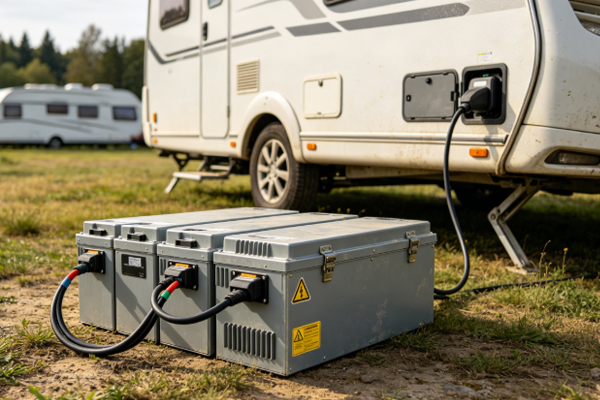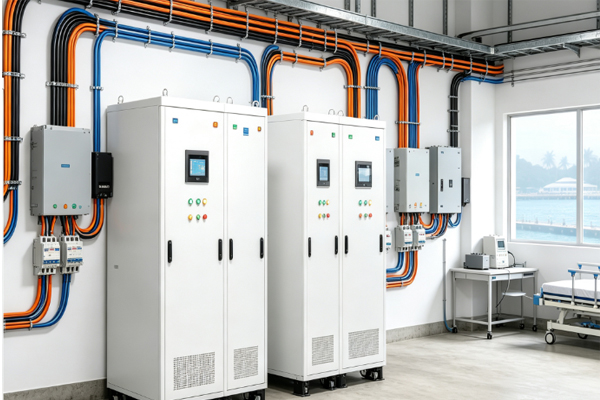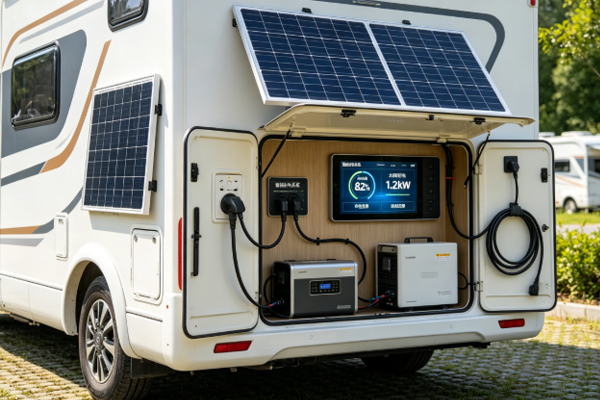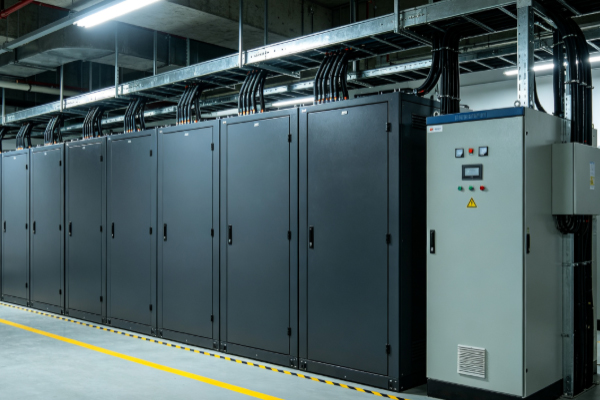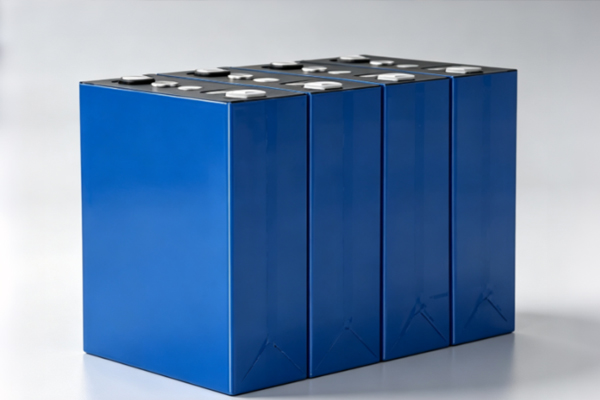
A power outage on a farm is not simply a matter of waiting for the electricity to come back. A few hours without power during the day may only delay an irrigation schedule, but a blackout on a hot night can become a much bigger problem when ventilation fans, water pumps, and alarm systems all stop at once. This is especially important on highly automated farms where many systems are designed to run continuously. A properly designed farm battery storage system can keep essential equipment running when the grid goes down, while LiFePO4 batteries can also work with solar power to store energy during normal operation and provide backup power when it is needed.
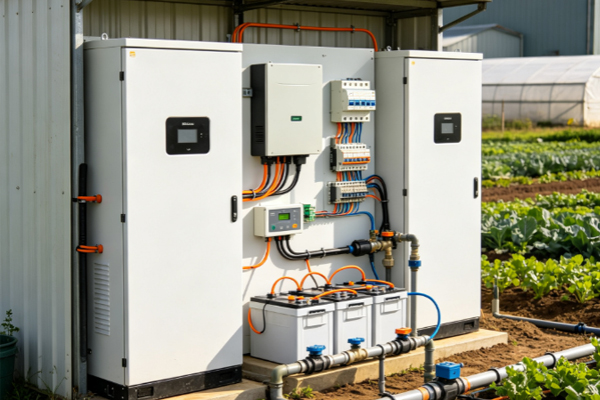
What Should You Do When a Farm Suddenly Loses Power? Keep Critical Equipment Running
One common mistake during a farm power outage is trying to keep every piece of equipment running from the battery. A battery energy storage system does not necessarily need to support the entire farm. Connecting only critical equipment to a dedicated backup circuit makes better use of stored energy and also makes it easier to determine the required battery capacity.
Which Farm Equipment Needs Backup Power During an Outage?
Farm power requirements vary significantly between livestock operations, crop farms, greenhouses, and integrated agricultural facilities. However, several types of equipment generally deserve priority when backup power is available.
| Equipment Type | Main Impact of a Power Outage | Backup Power Recommendation |
| Ventilation systems | Air circulation can be affected, especially during hot weather | High priority |
| Water pumps | Water supply, circulation, or irrigation may stop | Prioritize by task |
| Monitoring systems | Continuous site monitoring may be lost | Keep powered continuously |
| Alarm systems | Faults or emergencies may not be reported in time | High priority |
| Automatic feeders | Scheduled feeding tasks may be interrupted | Keep essential operation |
| Irrigation controllers | Automated irrigation programs may stop | Power according to crop needs |
| General lighting | Nighttime work may be affected | Keep essential areas powered |
When designing the system, it is often more practical to divide the farm into several power zones instead of connecting every outlet to the battery. Critical equipment can use the backup circuit while non-essential loads wait for grid power to return. This can be more cost-effective than simply adding more battery capacity.
Who Should Get Battery Power First During an Outage?
When battery capacity is limited, the power priority should be planned in advance so there is no need to decide on the spot which equipment should stay on or shut down.
- Keep critical environmental equipment running: Ventilation fans, essential temperature-control equipment, and other loads that directly affect the operating environment should receive enough stored energy to continue working.
- Run water supply and irrigation according to actual schedules: Water pumps do not always need to operate continuously, so running them in defined periods can reduce unnecessary energy consumption.
- Keep monitoring and alarms online: These systems usually consume relatively little power but allow farm operators to see whether abnormal conditions are developing.
- Disconnect non-essential loads when needed: Office air conditioning, general lighting, and temporarily unused equipment can be switched off to reserve battery energy for critical loads.
With this type of configuration, the battery is less likely to be drained too quickly when an outage lasts longer than expected. For a farm, keeping essential equipment powered is often more useful than briefly powering everything.
How Long Can Farm Battery Storage Last? Don’t Choose a Battery From Capacity Alone
“How many hours can this battery run?” is one of the most common questions during purchasing, but there is no universal answer. The same battery capacity can provide very different runtimes depending on whether it powers monitoring equipment or large ventilation fans. Water pumps can also change actual energy consumption because of their frequent starts and stops.
A Simple Way to Estimate Your Farm’s Energy Demand
Start by listing the equipment that needs to remain operational during an outage, then estimate how much electricity each load will actually consume during the backup period:
Backup energy ≈ Average equipment power × Actual operating time
The actual operating time matters a lot. A water pump may need to be available for eight hours during an outage but only operate for two hours, while a ventilation fan may run continuously for six hours. Calculating every load as if it operates for the full backup period can result in an unnecessarily oversized battery.
If the farm’s critical loads average around 2kW and need to operate for five hours, the theoretical energy requirement is about 10kWh. Actual battery selection should also account for inverter losses, usable battery capacity, equipment startup requirements, and a reasonable reserve instead of choosing a system that stops exactly at 10kWh.
Why Can Battery Requirements Change Between Summer and Winter?
Farm energy consumption can change with the seasons, so the battery system does not necessarily need to be designed around the highest possible load all year.
- Hot weather: Ventilation and cooling equipment may operate for much longer periods, increasing the load on the backup system.
- Cold weather: Heating or insulation-related equipment may be added in certain areas, changing the farm’s power profile.
- Peak growing season: Supplemental lighting, irrigation, and automated control systems may operate for longer periods.
- Normal seasons: When critical loads are lower, the same battery system may provide a longer backup runtime.
If a farm has significant seasonal changes in electricity consumption, it can be useful to leave some flexibility in the system design instead of locking the battery capacity to one extreme operating condition.
Why Do Farms With Solar Power Still Need Batteries?
Many farms already have solar panels, but there is always a timing gap between when solar energy is produced and when electricity is needed. During strong sunlight, the farm may not consume all the electricity generated by the solar system. At night, solar generation stops while the farm continues to use power. Battery storage helps bridge that gap.
How Do You Combine Solar Power With LiFePO4 Batteries on a Farm?
A farm can use solar panels to generate electricity while the battery stores energy that is not immediately needed. During normal operation, the battery can participate in daily energy management; when the grid fails, the system can switch to backup operation for designated critical loads.
- When solar generation is high: Solar power can supply the farm’s equipment first, while excess electricity can be stored in the battery.
- When loads increase at night: The battery can release stored solar energy to power monitoring systems, lighting, control equipment, and other designated loads.
- When the grid suddenly fails: The energy storage system can supply critical equipment through a pre-designed backup circuit, reducing the impact of the outage on farm operations.
This makes farm battery storage useful beyond emergency situations. Instead of sitting idle and waiting for a few power outages each year, the battery can also participate in everyday energy management and make better use of stored solar power.
Where Should a Farm Battery Storage System Be Installed?
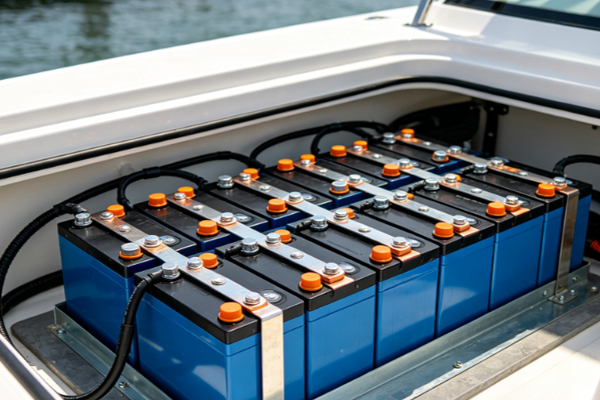
A battery system should not simply be placed in whatever empty space happens to be available. Farms can have moisture, dust, mud, and significant temperature changes, so the battery enclosure and wiring should be installed in a location that reduces potential maintenance problems.
- Keep the system away from standing water: Low-lying areas that can be reached by rainwater are not ideal for long-term battery installation.
- Reduce direct sunlight exposure: Battery enclosures should not be left in extreme heat for long periods, and shaded installation areas are preferable.
- Leave room for maintenance: Sufficient working space around the battery makes it easier to inspect cables, connectors, and the BMS.
- Plan cable routing carefully: Connections between the battery and inverter should be properly arranged and protected.
If a farm is building a new energy storage room or equipment area, planning the battery, inverter, and distribution equipment during construction can save considerable work later.
How Should You Buy Batteries for Farm Power Outage Backup? The Biggest Problems Often Start With Unclear Specifications
When purchasing begins, many buyers simply send a supplier a message saying, “I need a backup battery system for my farm,” and then receive several quotes that look completely different. The price gap may come from differences in battery capacity, BMS, connectors, enclosure design, communication functions, and supporting equipment. The more complete the information provided to the supplier, the easier it is to compare quotations.
What Information Should You Give a Battery Manufacturer?
The process does not need to be complicated. Preparing the following information in a simple table can make communication with the supplier much more efficient.
- Load list: Provide the names and quantities of ventilation fans, water pumps, monitoring systems, irrigation equipment, lighting, and automation equipment.
- Equipment power: Provide the rated power of each device, and include starting current or starting power for motor-driven equipment whenever possible.
- Backup runtime: Clearly state how many hours the equipment needs to operate during an outage and whether the system needs to cover an entire night.
- Installation space: Tell the supplier where the battery will be installed and whether there are limitations on dimensions or weight.
- Existing system: If the farm already has solar panels, an inverter, or an energy storage system, provide the relevant models and key specifications.
- Communication requirements: If the system needs to display SOC, voltage, temperature, and fault information, confirm CAN, RS485, or other communication requirements in advance.
- Future expansion: If the farm may add greenhouses, ventilation fans, irrigation equipment, or livestock systems later, reserve enough battery expansion capability from the beginning.
These details may look minor, but they can determine whether the battery can actually be installed, connected, and operated as planned. For overseas agricultural projects, it is also important to confirm product certifications, packaging and shipping requirements, delivery schedules, and after-sales support before placing an order.
Should You Test Samples Before Buying Farm Backup Batteries?
For larger projects, it is worth keeping a sample-testing stage instead of going directly to mass purchasing. A specification sheet can tell you what the battery is designed to deliver, but installing a sample on the actual equipment can reveal compatibility issues much earlier.
- Actual installation: Install the sample on the target equipment and check the dimensions, connectors, mounting method, and cable arrangement.
- Continuous discharge: Run the battery under a realistic load for a defined period and record voltage changes and actual operating time.
- Motor startup: Start ventilation fans or water pumps repeatedly to see whether the battery and inverter remain stable under sudden load increases.
- Charging verification: Test the charging process from the solar or charging system and confirm that the charging parameters match the overall system.
- BMS communication: Check whether battery data can be transmitted correctly to the inverter or monitoring system and whether alarm information is displayed accurately.
- Repeated operation: Run several test cycles instead of relying on a single test, making it easier to identify occasional connection, temperature, or communication problems.
After the sample passes testing, it is better to lock in the final capacity, dimensions, BMS settings, communication protocol, connectors, and testing standards before moving into bulk purchasing. This makes it easier to maintain product consistency across future orders and reduces the need for on-site troubleshooting.
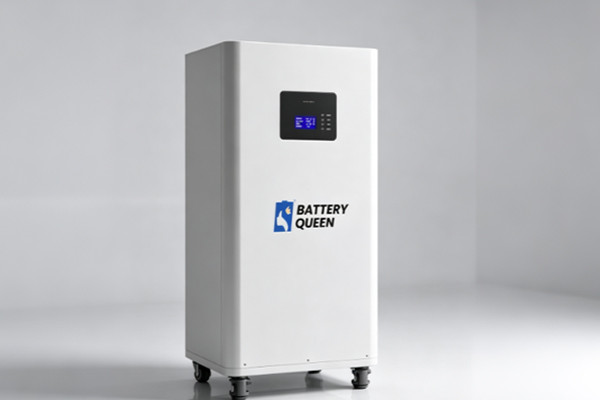
A farm power outage solution should answer two practical questions: which equipment must continue running when the grid fails, and how can limited stored energy last as long as possible? With properly designed farm battery storage, ventilation fans, water pumps, monitoring systems, irrigation equipment, and automation systems can receive backup power according to their priority. Farms with solar power can also store excess daytime energy for nighttime use and emergency backup. DELIGREEN supplies LiFePO4 batteries, battery packs, DIY battery boxes, BMS accessories, and scalable energy storage products for global buyers, with configurations available for farm load requirements, backup runtime, installation conditions, and future expansion plans.