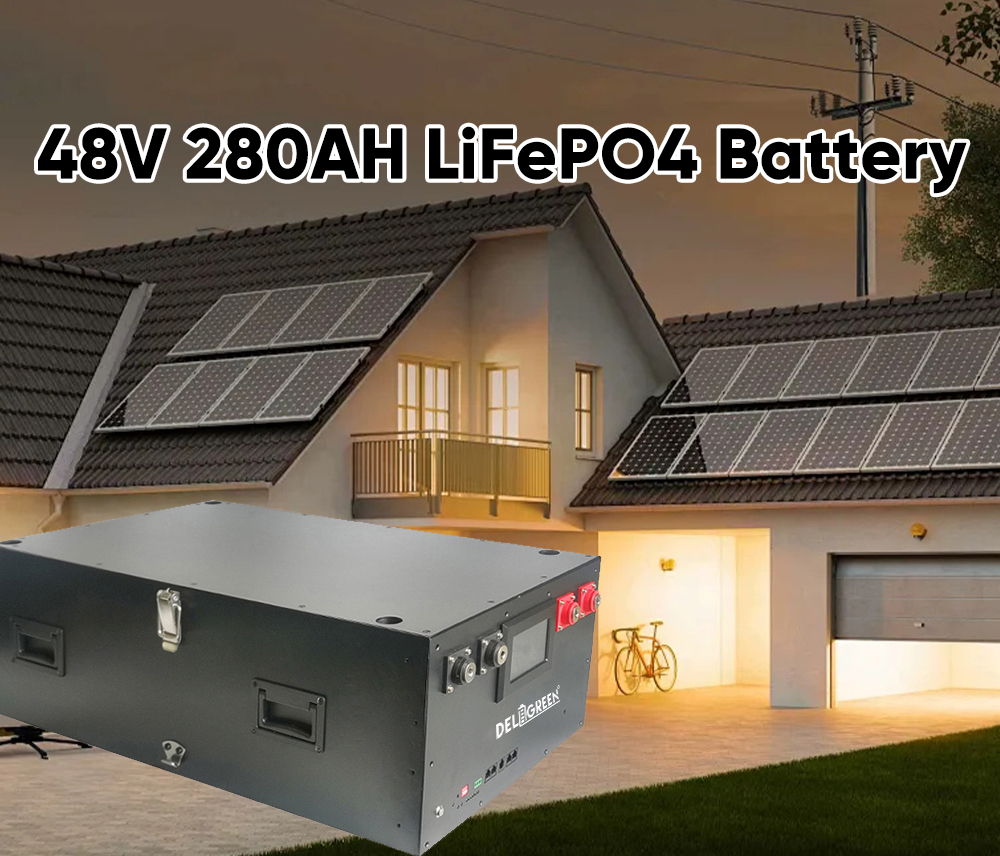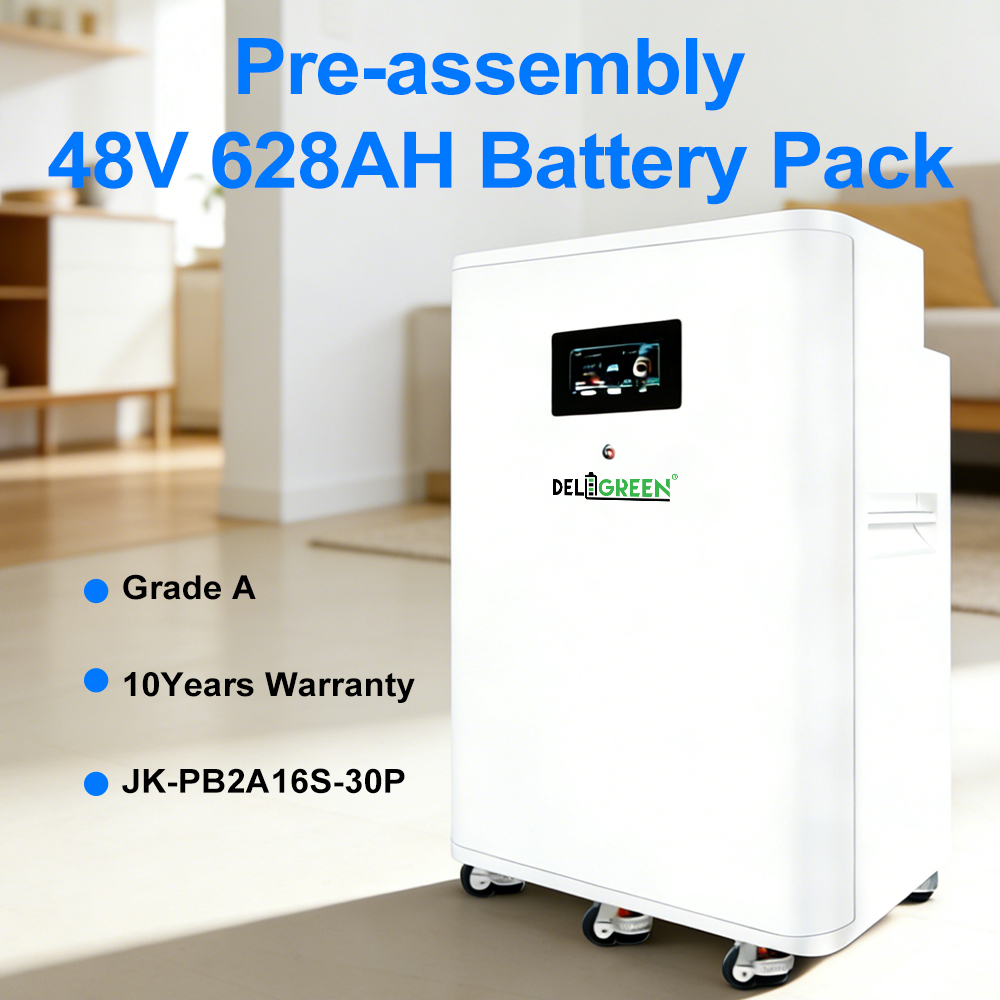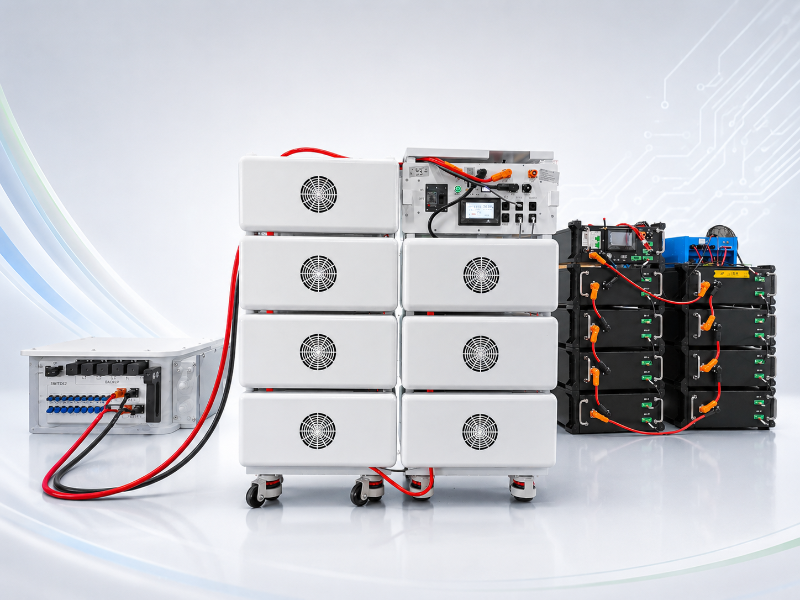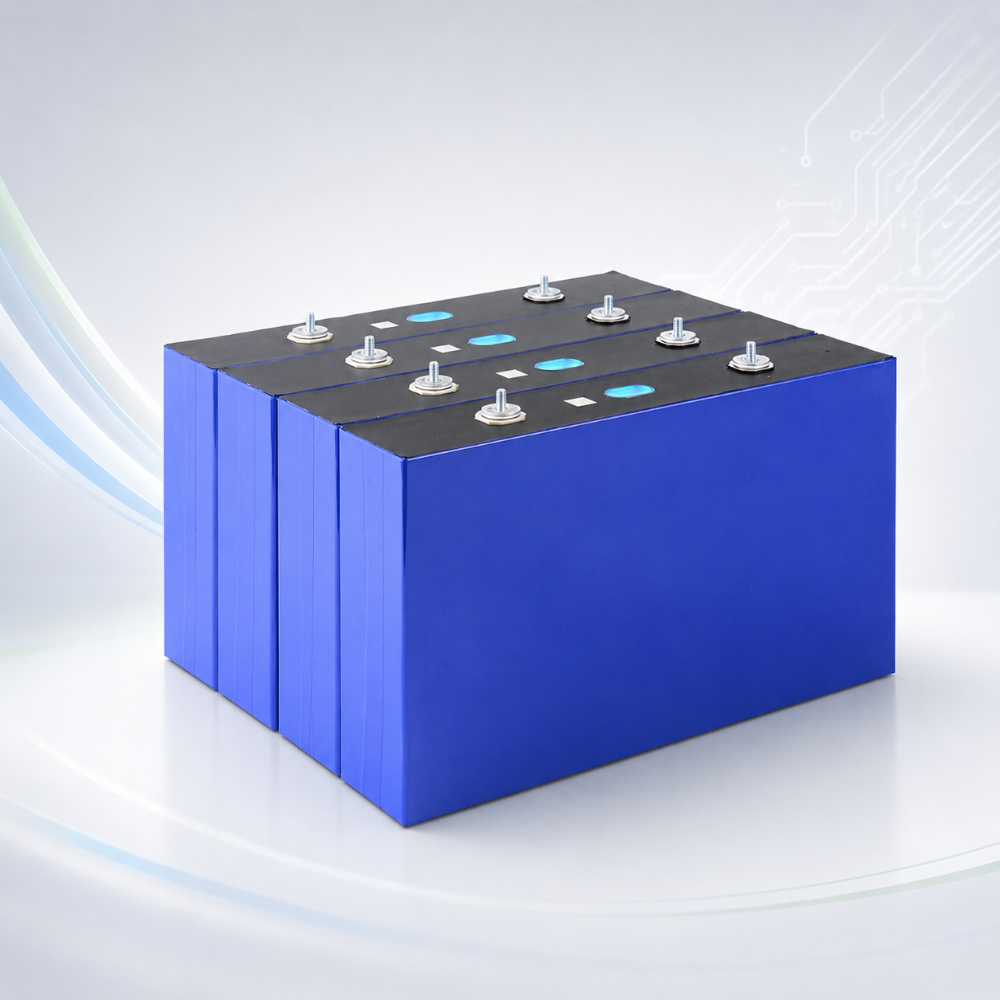
Golf carts frequently start, accelerate, climb hills, and travel at low speeds. The battery needs to provide continuous power while also handling repeated charging and discharging. Therefore, when selecting a battery, it is important to consider not only capacity but also voltage, discharge capability, cycle life, weight, and battery management functions. Compared with traditional lead-acid batteries, lithium deep-cycle batteries offer lower weight, higher usable capacity, better charging efficiency, and longer cycle life. Currently, lithium batteries for golf carts are commonly based on lithium iron phosphate (LiFePO4).
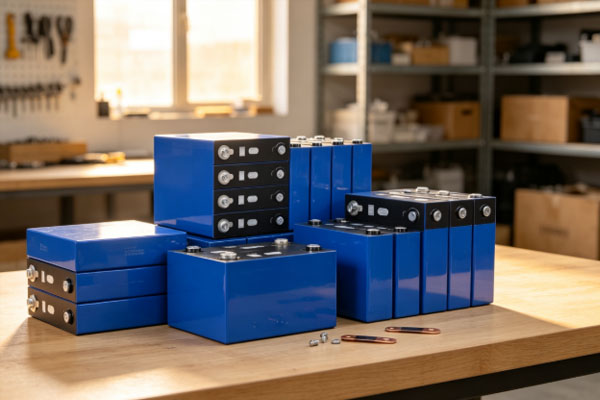
When purchasing a battery, first confirm the rated voltage of the vehicle’s original battery pack, such as 36V, 48V, or 72V. Then determine the capacity based on the motor power, controller, battery compartment size, and daily driving distance. For common 48V golf carts, 48V lithium iron phosphate deep-cycle batteries are a common configuration. However, the nominal voltage, number of cells connected in series, and BMS parameters of the actual battery pack need to be compatible with the vehicle’s electrical components. A suitable battery can not only meet the vehicle’s range requirements but also reduce the effects associated with frequent charging and low-battery operation.
Why Are Lithium Iron Phosphate Deep-Cycle Batteries Commonly Used in Golf Carts?
LiFePO4 Is Suitable for Repeated Charging and Discharging
Golf carts are typical cycling power equipment. Each trip consumes battery power, and the battery is recharged after the vehicle returns. Therefore, the battery needs to withstand repeated cycles over an extended period. Lithium iron phosphate batteries offer good cycling performance and can complete many cycles under appropriate charging and discharging conditions.
Common golf cart batteries usually need to provide:
- Continuous power required for vehicle operation;
- Support relatively high instantaneous discharge current;
- Handle frequent charging and discharging;
- Maintain stable output at a certain depth of discharge;
- Work with a BMS to provide overcharge, over-discharge, overcurrent, and temperature protection.
The operating characteristics of LiFePO4 cells are well suited to these requirements. Compared with ordinary energy storage batteries, golf cart batteries also require particular attention to instantaneous discharge capability because the motor may require a large amount of current for a short period during starting, hill climbing, and acceleration.
Battery Weight Can Also Affect Vehicle Performance
Lithium deep-cycle batteries are generally lighter than lead-acid batteries with the same usable capacity. Reducing the weight of the battery pack can lower the overall vehicle load, which may affect driving and braking performance under the same power conditions. At the same time, lithium batteries do not require frequent distilled-water replenishment like traditional lead-acid batteries, so routine maintenance is relatively limited. However, lithium batteries do not require zero inspection after installation. The charger, battery cables, BMS status, and battery mounting should still be checked regularly.
What Voltage and Capacity Should a Golf Cart Battery Have?
The Voltage Must Match the Original Vehicle Configuration
When selecting a lithium deep-cycle battery for a golf cart, voltage is one of the parameters that should be confirmed first. Common vehicles may use 36V, 48V, or 72V battery packs. If the vehicle originally uses a 48V battery pack, the replacement battery generally needs to be a 48V lithium battery compatible with the vehicle’s electrical system. A battery with a different voltage should not be installed simply because it has a larger capacity.
The following should also be confirmed:
- Motor rated voltage
- Controller operating voltage range
- Original battery pack connection configuration
- Charger output parameters
- BMS rated current and peak current
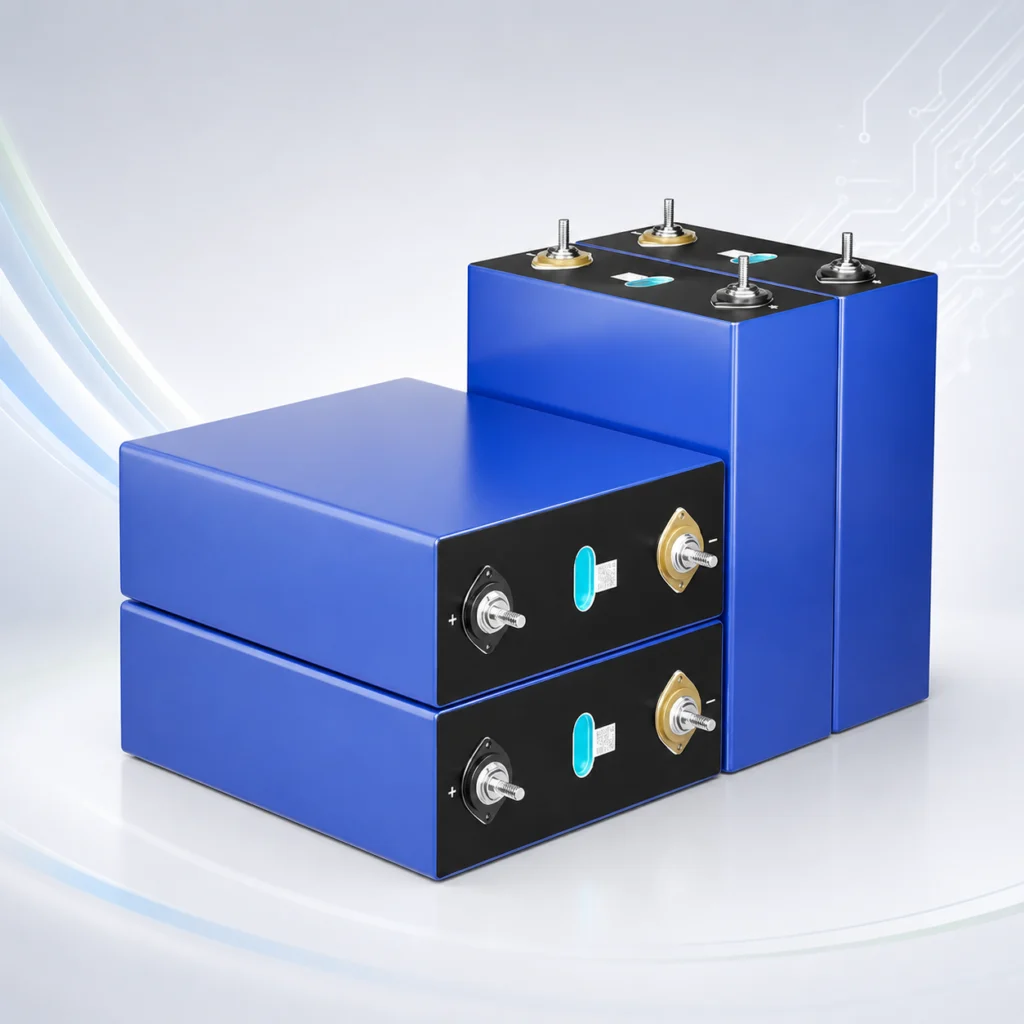
It is particularly important to note that some LiFePO4 batteries referred to as “48V” actually have a nominal voltage of 51.2V, which is a typical configuration using 16 LiFePO4 cells connected in series. Whether a vehicle can use this type of battery should be confirmed according to the controller and overall vehicle electrical specifications. The decision should not be based solely on the three numbers “48V.”
Capacity Should Be Determined Based on Range Requirements
Battery capacity is usually expressed in Ah. For example, the theoretical nominal energy of a 48V 100Ah battery is approximately:
48V × 100Ah = 4.8kWh
For a 51.2V 100Ah lithium iron phosphate battery, the theoretical nominal energy is approximately:
51.2V × 100Ah = 5.12kWh
The actual usable energy is also affected by depth of discharge, BMS protection settings, vehicle load, road conditions, driving speed, and ambient temperature.
If the golf cart only travels short distances each day, an extremely large battery capacity may not be necessary. If the vehicle needs to operate continuously for long periods, climb hills frequently, or carry heavy loads, a larger capacity and higher continuous discharge capability may be required. A battery with insufficient capacity will reach a low state of charge more quickly, while an excessively large battery may increase weight, cost, and installation space requirements.
What Else Should Be Checked When Selecting a Lithium Battery for a Golf Cart?
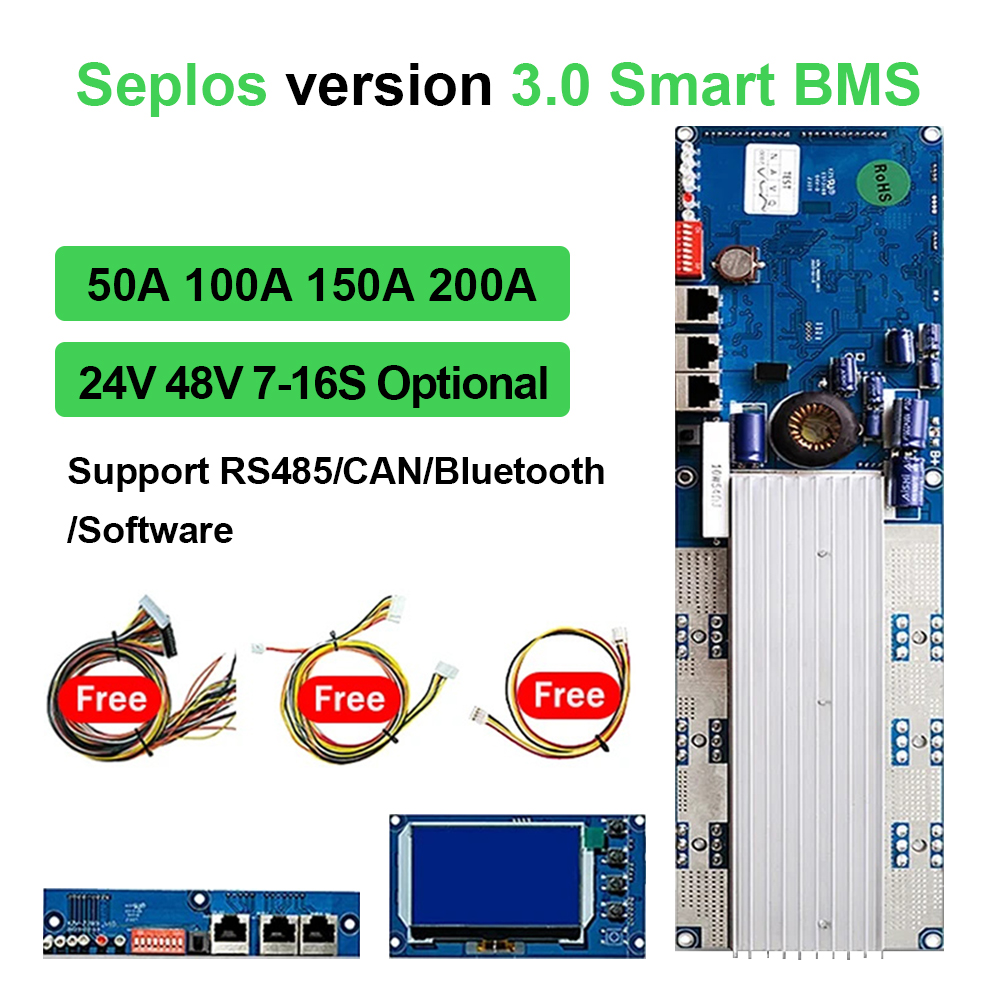
BMS and Discharge Current Capability
The motor may require a relatively high instantaneous current when a golf cart starts, accelerates, or climbs a hill. Therefore, the BMS should not be selected based only on battery capacity. It also needs to match the current requirements of the motor controller. For example, if the vehicle controller has a high maximum operating current while the battery BMS has a low continuous discharge current, overcurrent protection may be triggered during acceleration or hill climbing, causing an interruption in power output.
Therefore, when selecting a battery, confirm that:
Battery continuous discharge current ≥ Current required for normal vehicle operation
The allowable peak discharge current and its duration should also be checked. Actual parameters should be based on the technical specifications provided by the vehicle controller and battery manufacturer.
The Charger Must Meet Lithium Battery Charging Requirements
Lithium deep-cycle batteries should not be charged using exactly the same charging parameters as lead-acid batteries. In particular, when upgrading a golf cart from a lead-acid battery to a lithium iron phosphate battery, it is usually necessary to confirm whether the original charger supports the appropriate lithium battery charging profile.
The charger needs to be compatible with the battery’s:
- Nominal voltage
- Full-charge voltage
- Maximum charging current
- BMS protection parameters
- Battery chemistry
If the charger parameters do not meet the requirements, it may result in abnormal charging times, frequent BMS protection, or the battery being unable to reach its normal charging state. Therefore, replacing the battery does not only involve changing the battery itself. The entire charging circuit should also be checked.
Frequently Asked Questions
Q1: Does a Golf Cart Have to Use a Lithium Iron Phosphate Battery?
Not necessarily. Golf carts can use different types of batteries depending on their design. However, lithium iron phosphate offers good cycling performance and thermal stability, making it a common lithium battery choice. The specific model still needs to be selected based on the vehicle voltage, capacity, controller, and installation dimensions.
Q2: Can a 48V Golf Cart Directly Install a 48V Lithium Battery?
The nominal voltage alone is not enough to determine compatibility. Some 48V lithium iron phosphate batteries actually have a nominal voltage of 51.2V and typically consist of 16 cells connected in series. Before installation, the vehicle controller, motor, charger, and BMS parameters need to be checked to confirm that the entire electrical system supports the selected battery.
Q3: Is a Larger Capacity Always Better for a Golf Cart Lithium Battery?
No. A larger capacity means more theoretical stored energy, but battery size, weight, and cost may also increase. Capacity should be determined based on the vehicle’s daily driving distance, load, road conditions, and charging frequency. Insufficient capacity can affect driving range, while a capacity significantly beyond actual requirements may result in unnecessary costs and space usage.
Q4: Can a Lithium Deep-Cycle Battery Be Used Until It Is Completely Empty Every Day?
Using the battery until it is nearly completely discharged as a regular daily practice is not recommended. Although some deep-cycle lithium batteries support a high depth of discharge, frequent deep discharge over an extended period may increase battery cycling stress. Reasonably controlling the DoD according to the battery specifications and charging the battery promptly when the state of charge is low can help maintain long-term operating performance.
When selecting a lithium deep-cycle battery for a golf cart, the decision should not be based only on battery capacity or nominal voltage. The motor, controller, charger, and actual driving requirements also need to be considered. Lithium iron phosphate batteries offer good cycling performance and stability, making them suitable for golf carts that require frequent charging and discharging, but the specific battery specifications still need to match the vehicle’s original configuration. For common 36V, 48V, and 72V models, the corresponding battery pack voltage needs to be confirmed separately. For 48V models, it is also important to note that some lithium iron phosphate batteries use a 51.2V nominal voltage, so the controller’s operating range should be confirmed before installation. Capacity can be determined based on daily driving distance, load, road conditions, and charging frequency rather than simply choosing the highest Ah rating. At the same time, the BMS continuous discharge current and peak discharge capability need to meet the vehicle’s power requirements during starting, acceleration, and hill climbing. After selecting a suitable lithium deep-cycle battery, a compatible charger should also be used, and the battery should be operated and maintained within the specified charging and discharging range. By checking voltage, capacity, discharge performance, charging parameters, and installation conditions together, compatibility issues after battery replacement can be reduced, allowing the battery to better meet the daily operating requirements of the golf cart.