During battery pack assembly, spot welding plays an important role in establishing electrical connections between cells and securing the cell structure. Variations in welding quality may lead to increased contact resistance, localized temperature rise, or loose connections, which can affect the performance of the entire battery pack. For procurement personnel, equipment manufacturers, and battery PACK project managers, spot welding should be evaluated from multiple aspects, including nickel strip selection, equipment parameters, cell protection, weld inspection, and insulation treatment, rather than judging product quality solely by weld appearance or weld quantity.
What Material Requirements Apply to Battery Pack Spot Welding?
Spot welding performance is closely related to material conditions. Connection materials should be selected according to cell structure and actual operating conditions.
Nickel Strip Specifications Should Match the Operating Current
Nickel strips are responsible for current transmission and mechanical connection, so their thickness and width should be planned according to the actual load.
- Relatively thin connection materials can be used for low-current applications.
- High-power battery packs require the conductive cross-sectional area to be calculated according to continuous and peak current requirements.
- High-current applications also require attention to resistance and temperature rise at the connection area.
Proper nickel strip specifications can reduce energy loss at the connection points and improve thermal performance during continuous operation.
Cell Terminals Should Be Maintained in a Suitable Welding Condition
The cleanliness and surface condition of the cell terminals can affect welding contact performance.
- The welding area should be free from obvious contaminants such as oil and dust.
- Before production, the cell model, terminal structure, and surface treatment should be confirmed.
- Before mass production, process validation should be conducted using the actual cells and connection materials.
Stable material conditions make it easier to achieve consistent welding quality.
What Equipment and Parameter Requirements Apply to Battery Pack Spot Welding?
During spot welding, parameters such as current, welding time, and electrode pressure need to be controlled together. Adjusting only one parameter can easily cause fluctuations in welding quality.
Welding Current and Time Should Be Properly Coordinated
Insufficient welding energy may result in weak connections, while excessive energy may burn through the nickel strip or cause localized heating of the cell.
- Adjust welding energy according to the material and thickness of the nickel strip.
- Determine the pulse duration according to the cell terminal and connection structure.
- Conduct trial welding before mass production to determine a suitable process window.
Validated parameters can reduce defects such as weak welds and excessive welding, improving production stability.
Electrode Condition and Welding Pressure Should Remain Stable
Electrode wear, positional deviation, and pressure fluctuations can all affect weld formation.
- Keep the electrode tips clean and regularly inspect their wear condition.
- Ensure stable contact between the electrodes and nickel strip.
- Maintain consistent welding pressure to reduce variations between production batches.
Stable equipment conditions help maintain consistent weld quality.
Cell Heat Input Needs to Be Controlled
Cells are sensitive to heat input, so heat transfer should be minimized during welding. Short-pulse welding processes should be used to form weld points, repeated welding in the same area should be avoided, and the welding sequence and production cycle should be arranged according to the battery pack layout density. Controlling heat input can reduce the adverse effects of localized temperature rise on cell performance and structure.
What Quality Requirements Should Battery Pack Weld Points Meet?
After welding, weld points should be inspected from multiple dimensions, including appearance, electrical performance, and mechanical properties, rather than relying solely on visual inspection.
Weld Appearance Should Be Uniform and Stable
Visual inspection can quickly identify certain obvious process abnormalities.
- Avoid obvious burn-through, spatter, or abnormal discoloration.
- The nickel strip should remain properly attached to the cell without obvious lifting.
- Weld positions and spacing should meet design requirements and avoid interference with adjacent structures.
Stable weld appearance provides an important basis for production process inspection.
Weld Points Should Balance Mechanical Strength and Electrical Performance
The connection structure needs to withstand mechanical forces while maintaining stable current transmission.
- Use pull-off or peel tests to verify connection strength.
- Check connection resistance and pay attention to abnormal temperature rise at high-resistance points.
- Establish sampling or full-inspection procedures according to product requirements and retain inspection data.
Reliable mechanical connections and stable electrical performance are essential for long-term battery pack operation.
What Safety Controls Are Required After Battery Pack Spot Welding?
After the welding process is completed, the entire pack still requires inspection and protective treatment to ensure that it is ready for subsequent assembly or delivery.
Implement Insulation and Short-Circuit Protection
Nickel strips, connection tabs, and cell terminals after welding need to be properly isolated.
- Add insulation protection at locations that could come into unintended contact.
- Properly treat the edges and sharp corners of nickel strips to reduce the risk of puncturing insulation materials.
- Install necessary isolation sheets, insulation layers, and protective components according to the PACK structure.
Proper insulation design can reduce short-circuit risks during transportation, assembly, and operation.
Inspect the Overall Battery Pack Connection Status
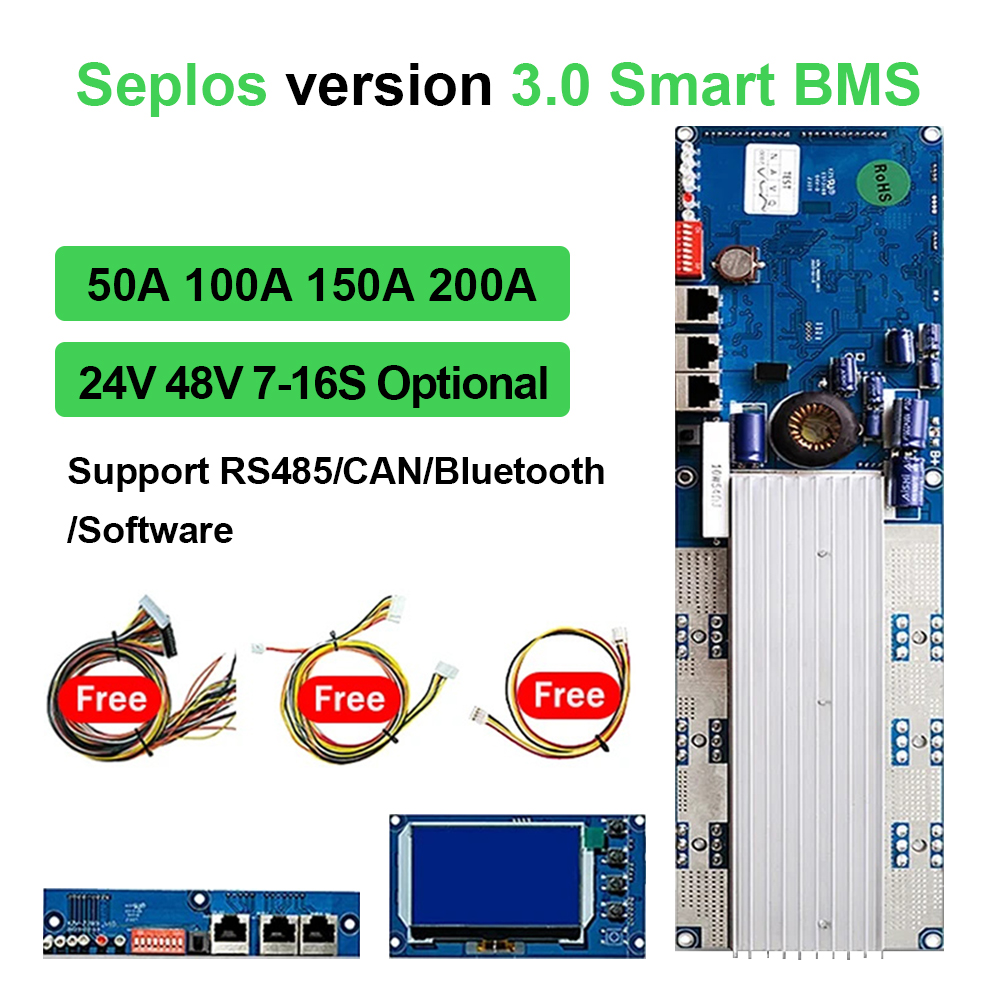
After individual weld points have passed inspection, the overall connection structure should also be verified. This includes checking series and parallel connections and cell polarity, measuring the overall voltage and electrical condition of key connection points, and working with the BMS to inspect voltage acquisition, temperature monitoring, and protection functions. These checks help identify issues such as missed welds, weak welds, and incorrect polarity.
Establish a Production Quality Traceability System
Mass production requires key process data to be retained as a basis for subsequent quality management.
- Record welding equipment parameters and equipment maintenance conditions.
- Track the batches of raw materials such as cells and nickel strips.
- Archive and analyze abnormal weld points, reworked products, and inspection results.
A complete traceability system makes it easier to identify production abnormalities and continuously optimize the welding process.
For battery pack spot welding projects, the actual implementation should establish an appropriate process plan based on process conditions, followed by validation and inspection to confirm production stability. For battery pack batteries used in different application fields, procurement should also focus on the supplier’s process validation capabilities, quality inspection system, and mass-production delivery experience to reduce connection defects and long-term maintenance costs at the source.