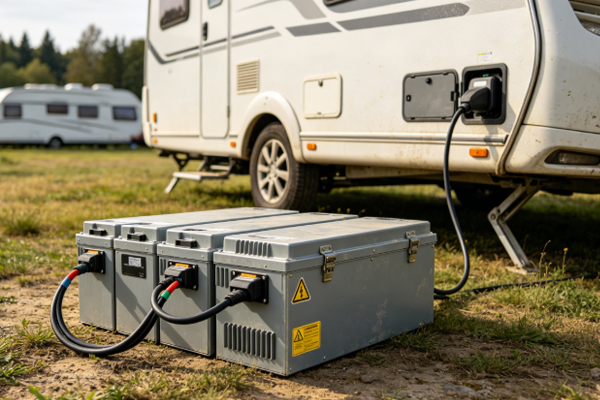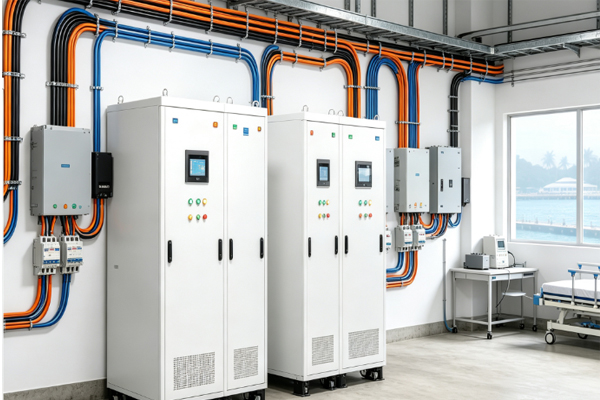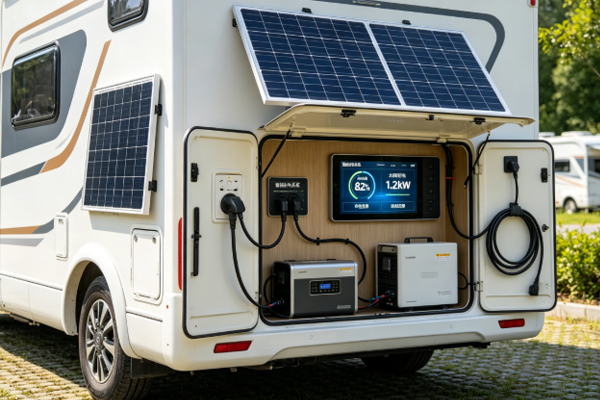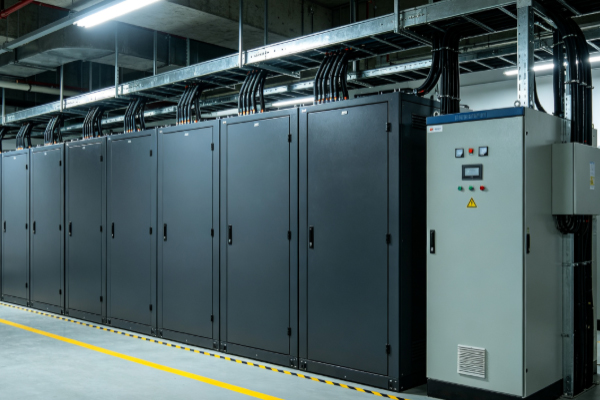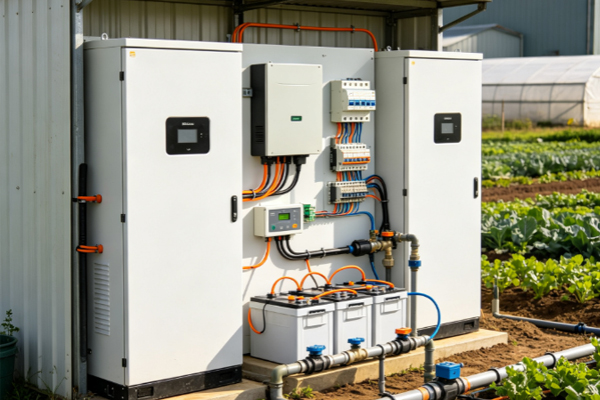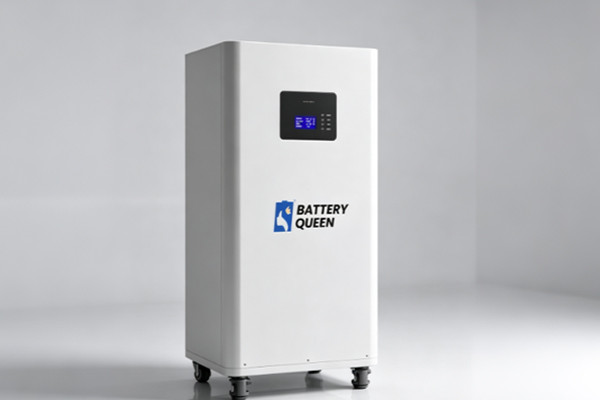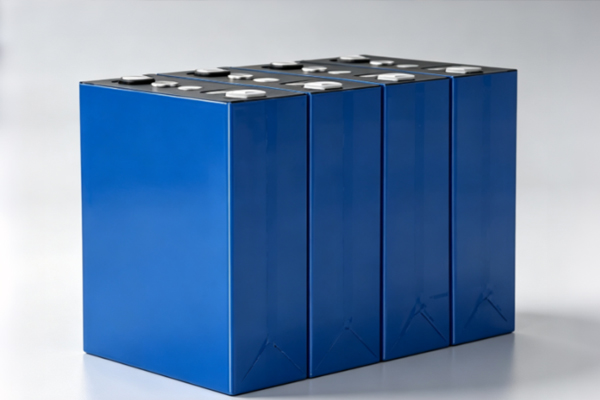
With the development of smart agriculture, more and more farms are adopting automated irrigation systems, greenhouse control equipment, livestock facilities, and intelligent monitoring systems. Although these technologies improve agricultural productivity, they also create higher demands for stable power supply. Especially in remote farming areas, reliable electricity is not always guaranteed, making energy storage systems an important part of agricultural energy management. Farm energy storage batteries can store renewable energy such as solar power and provide electricity when needed, including at night or during power outages. Understanding different types of agricultural energy storage batteries helps farmers choose a more suitable energy solution.
Why Are More Farms Using Energy Storage Batteries?
Agricultural production is gradually moving toward automation and intelligent management. Irrigation systems, greenhouse equipment, lighting systems, and livestock facilities all require a stable electricity supply. Energy storage batteries are not only used as backup power sources but also help farms improve energy efficiency and reduce long-term electricity costs.
Solving Power Supply Problems in Agricultural Production
Many agricultural areas are located far from cities, where grid coverage and power stability may be limited. When power outages or electricity shortages occur, important farming equipment may stop working. By installing a farm energy storage battery system, farms can store electricity in advance and provide continuous power when needed, ensuring stable agricultural operations.
- Ensures continuous operation of agricultural equipment: Energy storage batteries can provide backup power for irrigation systems, pumps, and temperature control equipment.
- Reduces dependence on the power grid: Helps remote farms improve energy independence.
- Improves production stability: Prevents power interruptions from affecting crop growth or livestock environments.
For modern agriculture, stable energy has become an important factor in improving production efficiency. Proper use of energy storage batteries allows farms to reduce dependence on a single power source and improve overall operational reliability.
Reducing Long-Term Farm Electricity Costs
Agricultural equipment often needs to operate continuously. For example, irrigation systems require scheduled operation, greenhouses need environmental control, and livestock farms require constant power supply. Relying completely on traditional grid electricity can create high long-term energy costs. Energy storage systems can work together with solar power generation by storing electricity when energy is available and releasing it when needed.
- Improves solar energy utilization: Stores excess electricity generated during the day and reduces energy waste.
- Reduces peak electricity expenses: Optimizes electricity usage and lowers energy costs.
- Improves energy management: Makes farm electricity usage more flexible and efficient.
By combining energy storage batteries with renewable energy systems, farms can achieve more stable power supply while improving energy efficiency and supporting long-term agricultural development.
What Are the Common Types of Agricultural Energy Storage Batteries?
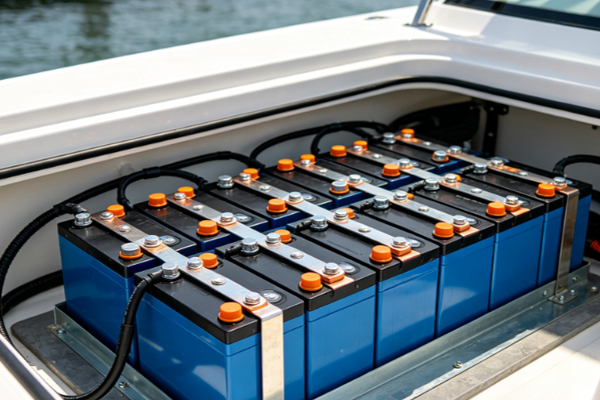
There are many types of energy storage batteries available for agricultural applications. Different products vary in safety, lifespan, cost, and operating environment. When selecting a battery system, farms need to consider their own scale, equipment requirements, and energy consumption instead of simply comparing prices.
Comparison of Common Agricultural Energy Storage Battery Types
Different battery technologies have their own advantages and suitable applications. For long-term agricultural projects, battery lifespan and safety performance are often more important than the initial purchase price.
| Battery Type | Main Features | Suitable Applications |
| Lithium Iron Phosphate Battery | High safety, long cycle life | Medium and large farm energy storage systems |
| Ternary Lithium Battery | High energy density, lightweight | Equipment with limited installation space |
| Lead-Acid Battery | Mature technology, lower cost | Small backup power systems |
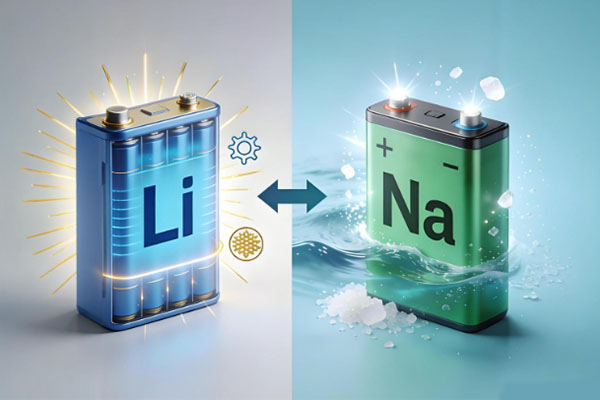
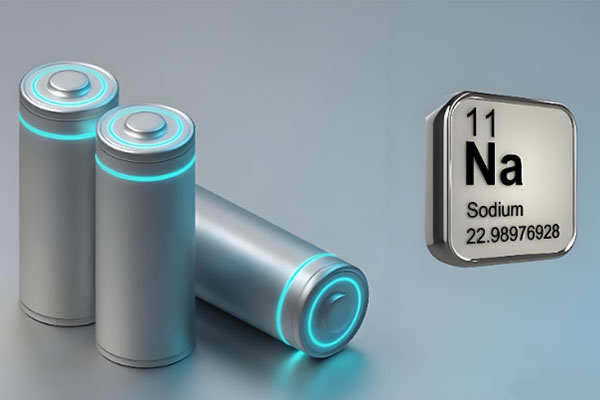
| Sodium-Ion Battery | Stable performance, abundant resources | Emerging energy storage applications |
Choosing the right energy storage battery requires comprehensive consideration of operating time, installation environment, and maintenance costs. For long-term agricultural projects, a stable and reliable battery solution usually provides greater value.
Lithium Iron Phosphate Batteries Are Suitable for Long-Term Farm Storage
In current agricultural energy storage applications, lithium iron phosphate batteries have attracted significant attention. This type of lithium battery provides excellent safety performance and long cycle life, making it suitable for fixed energy storage systems such as farm solar storage and irrigation power supply.
- Long cycle life: Supports more charging and discharging cycles and reduces replacement frequency.
- High safety performance: Provides better thermal stability for long-term operation.
- Lower maintenance requirements: Reduces the management burden for farm owners.
For agricultural projects that require years of stable operation, lithium iron phosphate batteries provide reliable energy support and have become one of the common choices for farm energy storage batteries.
Lead-Acid Batteries Suit Small-Scale Agricultural Applications
Lead-acid batteries are traditional energy storage products that are still used in some small farms and basic backup power systems. Their advantages include lower cost and mature technology, but they have certain limitations compared with modern lithium battery solutions in terms of lifespan and energy density.
- Lower purchase cost: Suitable for small projects with limited budgets.
- Mature technology: Easier maintenance and replacement options.
- Suitable for low-frequency use: Meets basic backup power requirements.
For farms that require frequent and long-term energy storage operation, lithium battery solutions are usually more suitable because they offer better long-term performance.
What Factors Should Farms Consider When Choosing Energy Storage Batteries?
An agricultural energy storage system is not simply about purchasing batteries. A proper solution requires planning based on actual electricity needs. Battery capacity, battery type, safety performance, and installation environment all influence the final system performance.
Choose Battery Capacity According to Farm Electricity Needs
Electricity requirements vary greatly between farms. A small agricultural site may only need power for lighting and basic equipment, while a large agricultural park may need electricity for irrigation, temperature control, refrigeration, and other systems. Before selecting an energy storage battery, farms should estimate their daily power consumption.
- Calculate actual equipment electricity usage: Understand the power requirements of major agricultural devices.
- Reserve space for future expansion: Allow additional smart farming equipment to be added later.
- Configure storage capacity properly: Avoid insufficient capacity or unnecessary investment.
Scientific capacity planning allows farm energy storage batteries to provide better economic value while preventing performance issues caused by improper configuration.
Focus on Battery Safety and Service Life
Agricultural environments are often complex, and storage equipment may operate outdoors or in areas with significant temperature changes. Battery safety and environmental adaptability are important factors when selecting a system. High-quality lithium batteries can reduce operational risks and improve system reliability.
- Choose batteries with protection systems: Reduce risks such as overcharging and over-discharging.
- Pay attention to cycle life: Lower long-term replacement costs.
- Consider environmental adaptability: Ensure stable operation throughout different seasons.
Energy storage systems need to support agricultural production for many years. Battery quality directly affects overall system performance. Choosing reliable products can reduce maintenance difficulties and improve operational efficiency.
How to Improve Farm Energy Storage System Performance?
Agricultural energy storage is not only about adding battery equipment but also about creating an efficient energy management system. By combining renewable energy, intelligent control, and proper maintenance, farms can further improve storage efficiency.
Combine Solar Power to Improve Energy Utilization
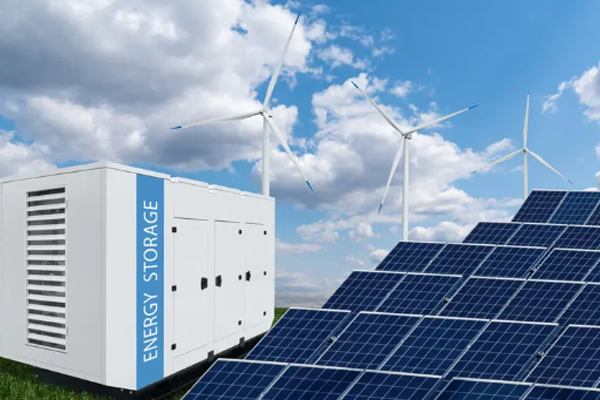
Many farms are now combining solar power generation with energy storage batteries. This approach allows electricity generated during the day to be stored and used at night or during cloudy weather. It is especially suitable for agricultural areas with good sunlight conditions.
- Stores excess solar energy: Reduces wasted photovoltaic power generation.
- Supports nighttime equipment operation: Provides electricity for lighting and automated systems.
- Improves energy independence: Reduces reliance on traditional energy sources.
The combination of solar power and energy storage has become an important direction for smart agriculture, helping farms build a more stable and efficient energy system.
Choose a Professional Energy Storage Battery Supplier
Agricultural energy storage projects usually require long-term operation, making supplier quality and technical capability extremely important. Professional suppliers can provide suitable battery configuration solutions based on farm size, equipment requirements, and installation conditions.
- Provides customized solutions: Designs storage systems according to actual needs.
- Ensures product stability: Reduces failure rates during long-term operation.
- Offers after-sales support: Makes maintenance and management easier.
Choosing a reliable energy storage battery supplier is not just about purchasing equipment; it is also about ensuring long-term energy efficiency and stable farm operations.
Agricultural energy storage batteries are becoming an important part of modern farming energy management. Different battery types have their own advantages in terms of safety, lifespan, and cost. Among them, lithium batteries are becoming increasingly popular due to their long cycle life, stable performance, and strong safety features. Properly configuring farm energy storage batteries can improve energy efficiency, reduce operating costs, and provide more reliable power support for agricultural production. For the future development of smart agriculture, selecting the right energy storage solution will play an increasingly important role.