When ordering a custom lithium battery pack, many buyers focus on capacity, size, and price but overlook voltage requirements. This can lead to problems after production, such as equipment failing to start, incompatible chargers, or frequent battery protection shutdowns. For LiFePO4 battery packs used in RVs, solar energy storage systems, industrial equipment, and portable power stations, choosing the correct voltage is essential to reliable operation. So, which voltage parameters should be confirmed before customization? And how can they be matched to the equipment? Here are the key details worth checking.
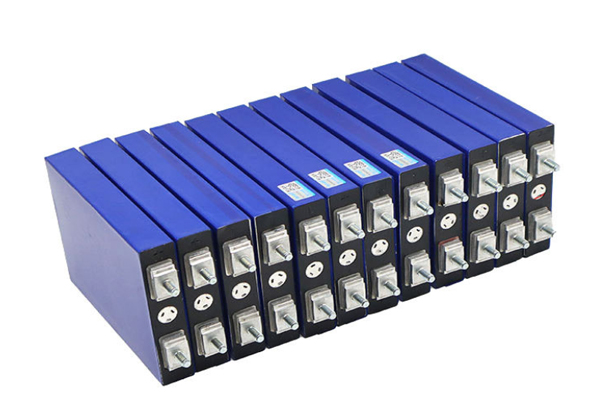
What Voltage Parameters Should Be Confirmed for a Custom Lithium Battery Pack?
Battery voltage is more than just a nominal rating. A complete customization plan should account for voltage during charging, discharging, and normal equipment operation. The following parameters should be confirmed in advance:
- Nominal voltage: Determines the battery pack’s basic voltage rating. Common LiFePO4 options include 12.8V, 25.6V, and 51.2V.
- Maximum charging voltage: Defines the upper voltage limit when the battery is fully charged and must match the charger.
- Minimum discharge voltage: Affects battery protection and must meet the equipment’s operating requirements.
- Operating voltage range: Confirms the voltage range the equipment can accept, preventing compatibility issues at high or low battery levels.
These values need to be considered together. For instance, equipment labeled for a 12V power supply does not necessarily accept every 12V battery. If the fully charged battery voltage exceeds the equipment’s maximum input limit, it may affect normal operation. Checking the equipment manual or nameplate before selecting a battery is much more reliable than simply copying the specifications of the original battery.
What Are the Differences Between 12V, 24V, and 48V LiFePO4 Battery Packs?
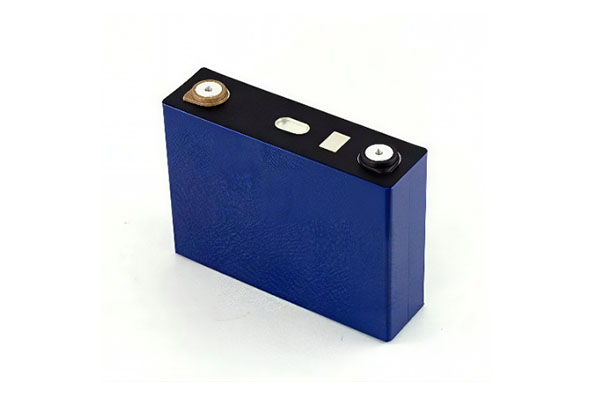
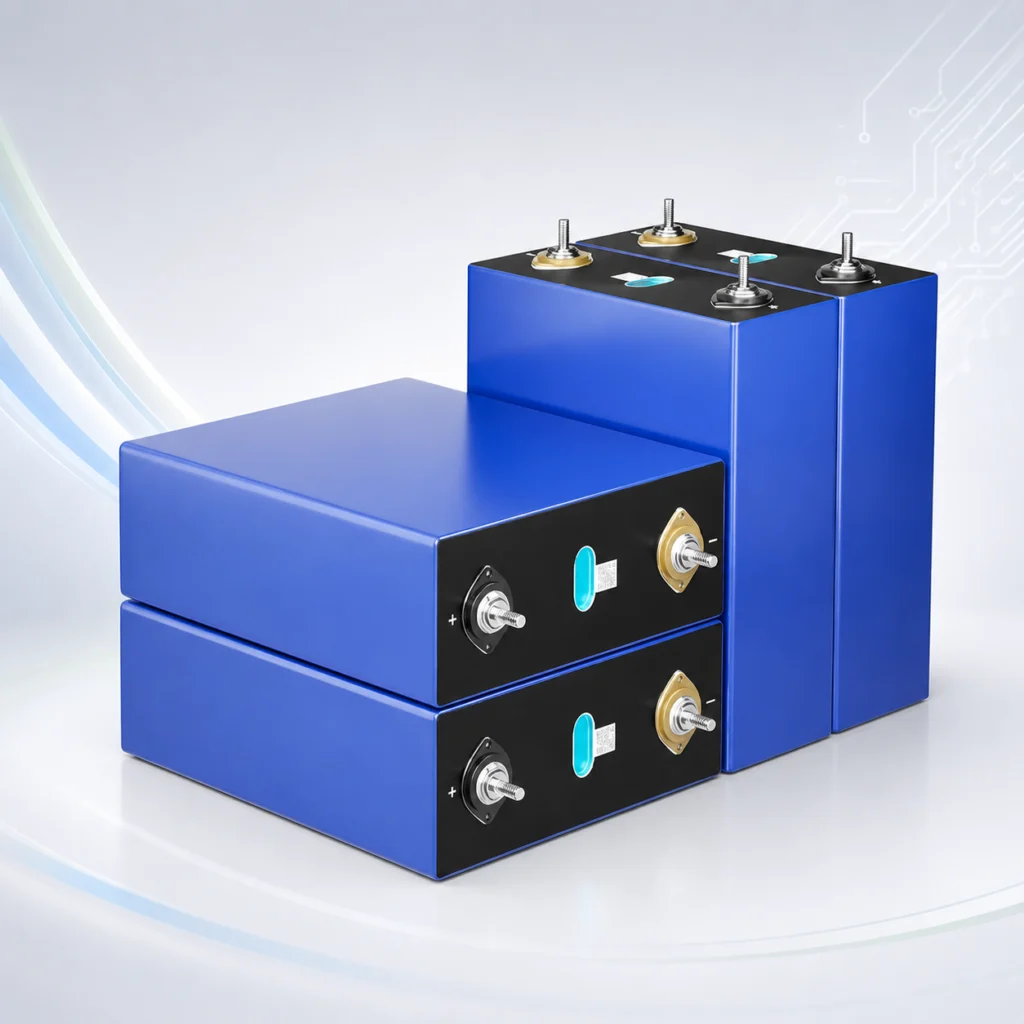
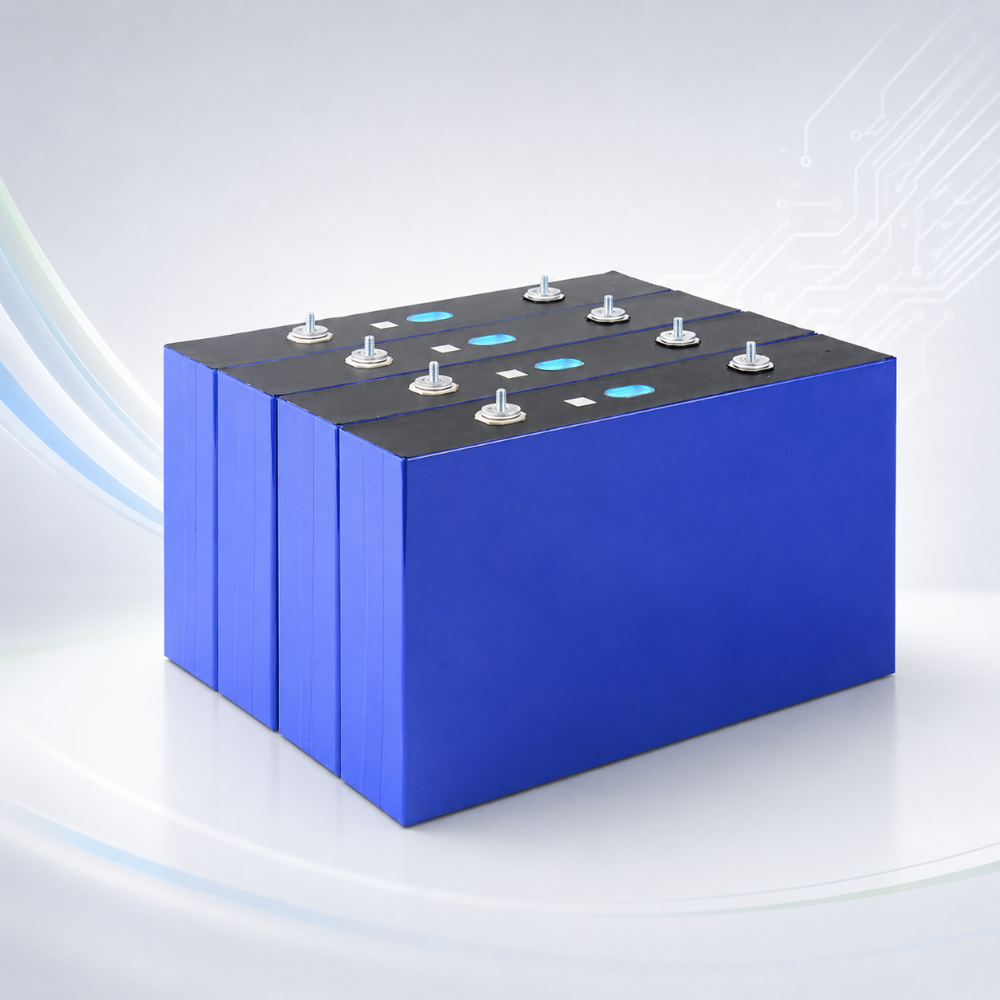
The voltage of a battery pack is generally determined by the number of cells connected in series. A single LiFePO4 cell typically has a nominal voltage of 3.2V. Different series configurations create the battery pack ratings commonly used in various applications.
| Battery Pack | Series Configuration | Nominal Voltage | Common Charging Cutoff Voltage |
| 12V | 4S | 12.8V | 14.6V |
| 24V | 8S | 25.6V | 29.2V |
| 48V | 16S | 51.2V | 58.4V |
Each voltage rating is suitable for different applications:
- 12V battery packs: Commonly used in RVs, boats, portable power stations, and small energy storage systems.
- 24V battery packs: Suitable for certain industrial machines, electric equipment, and medium-sized energy storage systems.
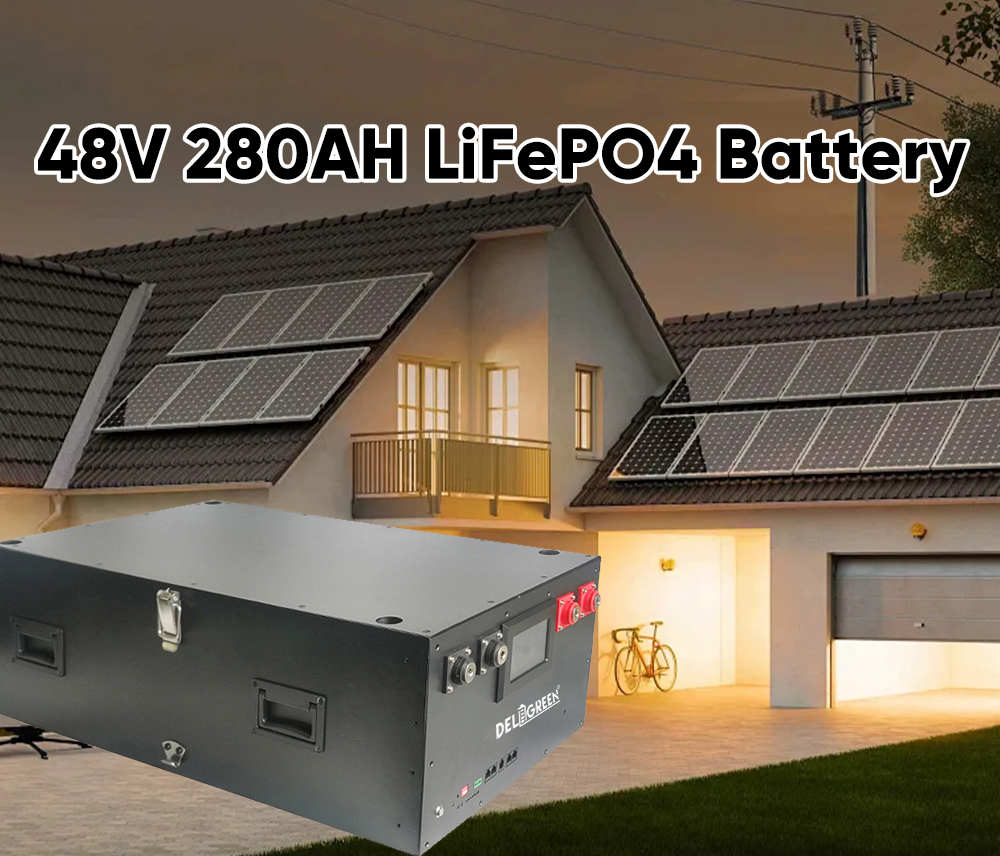
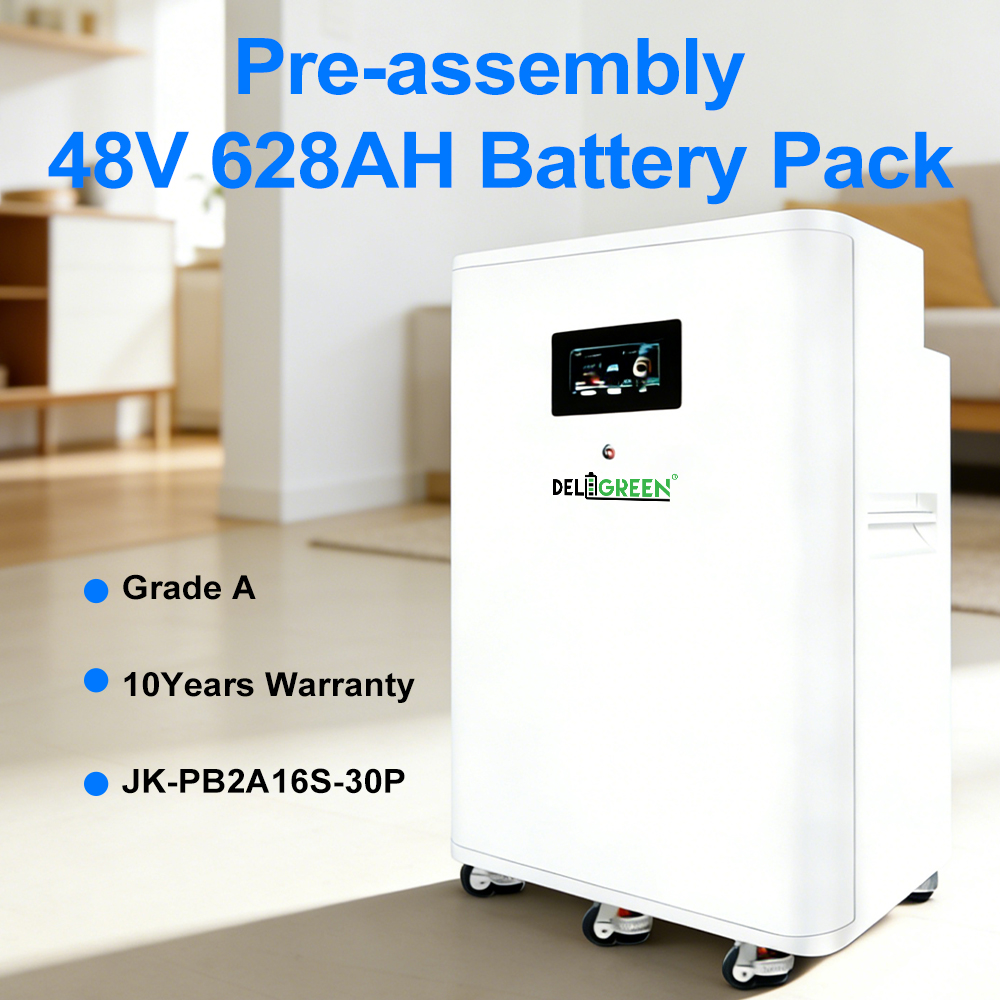
- 48V battery packs: Commonly used in residential energy storage, solar power systems, and higher-power electrical equipment.
For equipment requiring continuous high-power output, a higher-voltage battery pack can generally reduce operating current at the same power level, helping minimize cable losses. However, the final choice still depends on the equipment’s input voltage range, inverter specifications, and actual load. A higher voltage is not automatically the better option.
How Should Charging Voltage and BMS Parameters Be Matched?
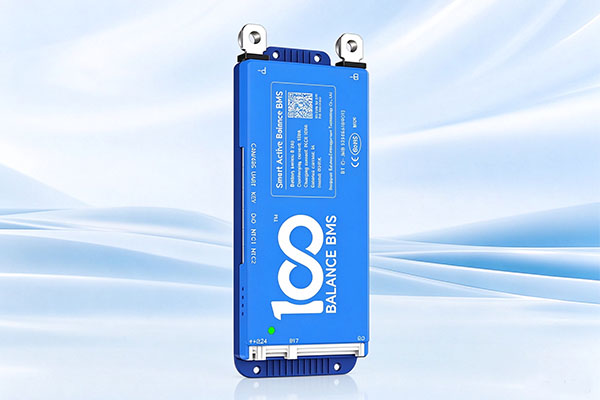
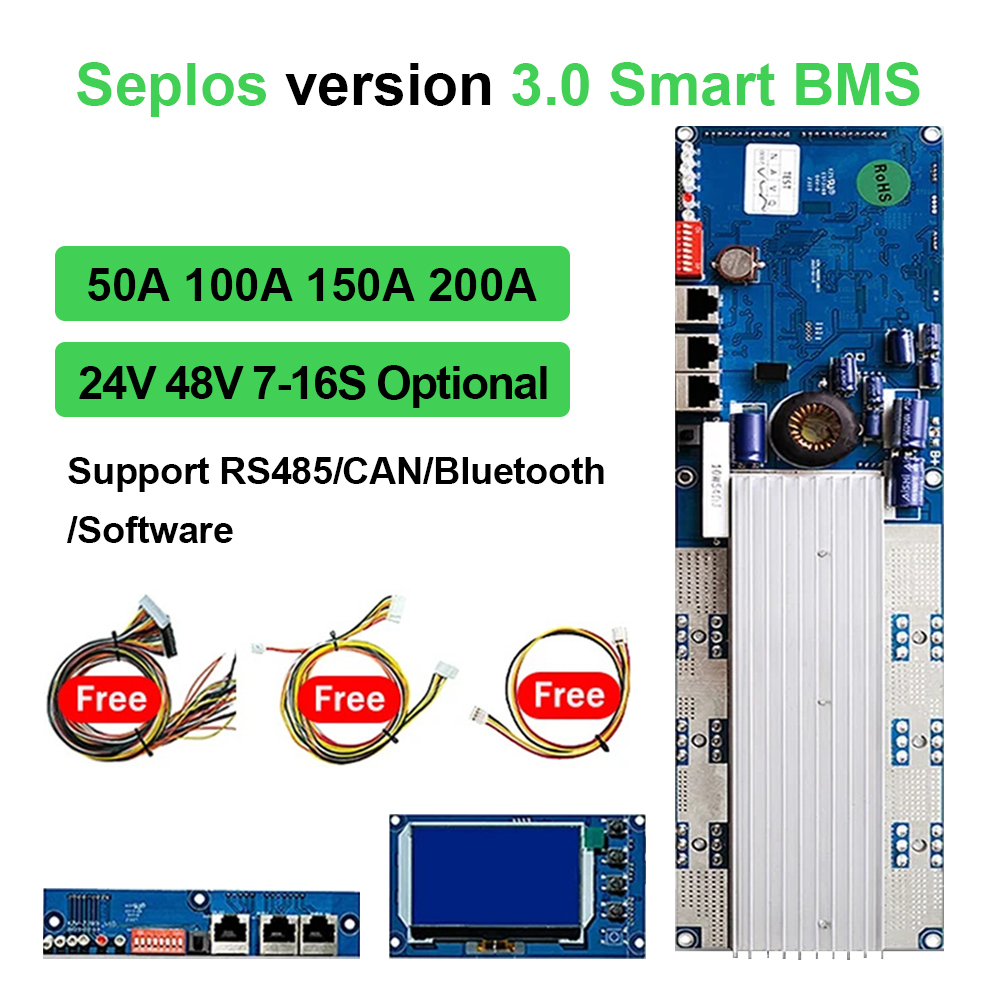
Once the battery pack voltage is selected, the charger and Battery Management System (BMS) must also be matched. If these components have incompatible specifications, charging efficiency may decrease, or the battery pack may fail to operate properly.
- Charger voltage: The charger’s output voltage must meet the battery pack’s requirements to prevent undercharging or overvoltage.
- BMS overvoltage protection: Monitors cell voltage and prevents individual cells from exceeding their specified upper limits during charging.
- BMS undervoltage protection: Stops discharging when cell voltage becomes too low, helping prevent excessive discharge.
- Series configuration matching: 4S, 8S, and 16S battery packs require compatible BMS units. They cannot be used interchangeably.
Take a 51.2V LiFePO4 battery pack as an example. It typically consists of 16 cells connected in series, with a common charging cutoff voltage of 58.4V. The charger must support the required output voltage, while the BMS must be designed for a 16S battery configuration. If the pack will also connect to an inverter or solar charge controller, those devices must support its actual operating voltage range as well.
What Information Is Needed Before Ordering a Custom LiFePO4 Battery Pack?
Providing only a voltage rating is often not enough to determine a suitable battery solution. Since the battery pack needs to work with specific equipment, factors such as input voltage range, rated power, and startup current can all affect the final selection. It is helpful to prepare the equipment nameplate, product manual, or original battery specifications in advance, especially the maximum input voltage, minimum operating voltage, and charging requirements. For solar energy storage projects, the inverter and solar charge controller’s battery voltage range should also be confirmed. If the technical specifications are unclear, the equipment model and intended application can be used to determine a suitable series configuration, BMS, and charging solution. This helps avoid compatibility problems after the battery pack has been manufactured.
Choosing the right voltage for a custom lithium battery pack makes equipment integration easier and supports reliable long-term operation. Whether the project requires a 12V RV battery, a 24V industrial battery, or a 48V residential energy storage battery, the specifications should match the actual load and equipment requirements. If a suitable LiFePO4 battery pack is needed, contact us with the required voltage, equipment model, and application details. We can help develop a customized solution with the right battery pack, DIY battery box, and BMS accessories to ensure better compatibility with your equipment.