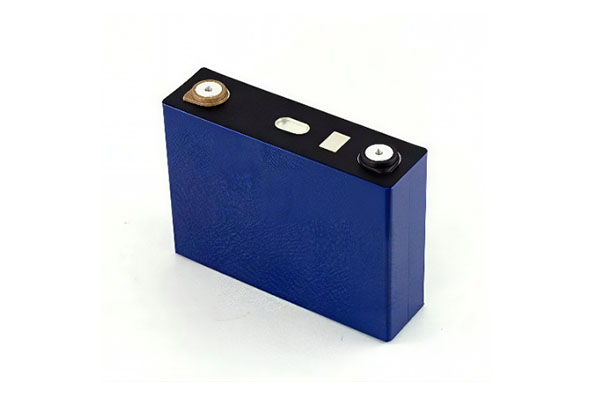
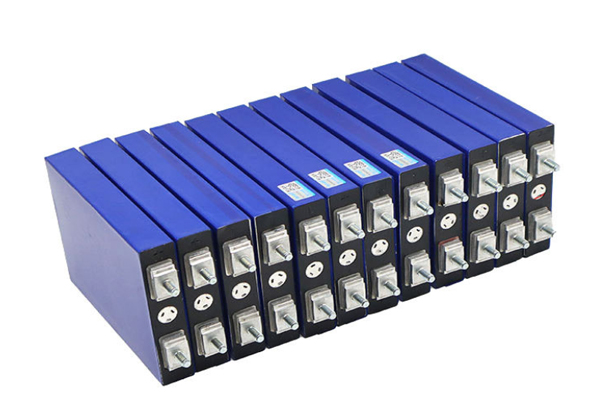
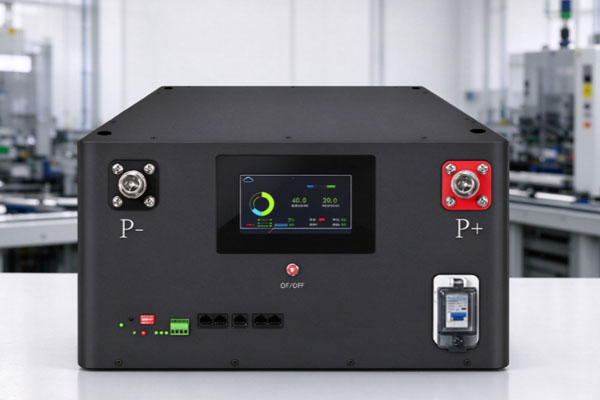
Lithium battery packs typically consist of multiple cells connected in series or parallel. They are widely used in residential energy storage, commercial energy storage, electric equipment, and industrial power systems. During long-term charging and discharging, differences in cell capacity, internal resistance, self-discharge rates, and operating temperatures can cause voltage inconsistencies between individual cells. These imbalances may reduce usable battery capacity, lower charging and discharging efficiency, and affect the overall service life of the battery pack.An active balancer is an important component of a Battery Management System (BMS). By transferring energy between cells, it helps improve cell consistency and enhance the overall performance of lithium battery packs.
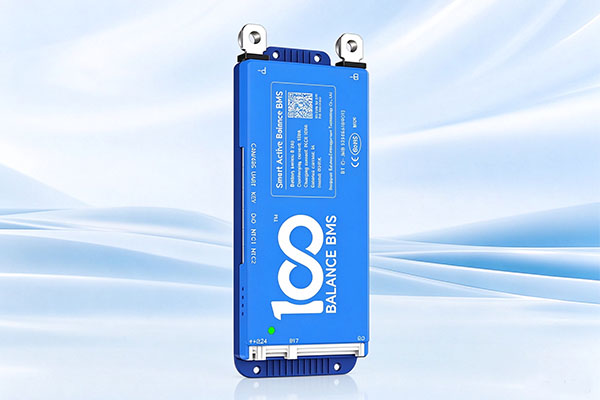
What Is an Active Balancer for Lithium Batteries?
How Does an Active Balancer Work?
An active balancer is an electronic device designed to regulate energy distribution among individual cells in a battery pack. It transfers part of the energy from cells with higher voltage or more available energy to cells with lower voltage or less available energy.
Unlike traditional passive balancing, which dissipates excess energy through resistors, active balancing uses energy transfer technology to reduce energy waste during the balancing process. This approach is particularly useful for large-capacity lithium battery packs containing multiple cells connected in series.
The Relationship Between an Active Balancer and BMS
An active balancer typically works together with a Battery Management System (BMS). The BMS monitors cell voltage, current, temperature, and other operating parameters, while the active balancing circuit adjusts energy distribution between cells according to the control strategy.
Working together, these components support battery monitoring, abnormal condition protection, and cell balancing management, helping improve the operational stability of the entire battery system.
Four Key Benefits of Active Balancing for Lithium Battery Packs
Improving Usable Battery Capacity
In a series-connected battery pack, if one cell reaches its upper charging voltage or lower discharging voltage limit earlier than the others, it may restrict the charging or discharging process of the entire battery pack. Other cells may still have available capacity, but the system may need to stop operating.
An active balancer transfers energy between cells to reduce voltage and energy differences. This helps more cells operate within their appropriate voltage ranges and improves the overall usable capacity of the battery pack.
Improving Charging and Discharging Efficiency
Cell imbalance may cause individual cells to reach their charging or discharging limits prematurely, reducing the overall energy utilization efficiency of the battery pack.
An active balancer transfers excess energy instead of simply dissipating it as heat. This helps reduce unnecessary energy loss and improve overall energy management, especially in residential and commercial energy storage systems that undergo frequent charging and discharging cycles.
Supporting Longer Battery Service Life
When cells remain imbalanced for extended periods, individual cells may experience different levels of charging and discharging stress, potentially accelerating performance degradation.
Active balancing helps reduce differences between cells and minimizes the risk of individual cells being repeatedly exposed to excessive charging or discharging conditions. However, an active balancer cannot repair aged or damaged cells. Actual battery lifespan also depends on cell chemistry, operating temperature, charging and discharging rates, and BMS protection strategies.
Enhancing Battery System Stability
Significant voltage differences between cells can lead to capacity limitations and abnormal battery operation. An active balancer helps improve cell consistency, providing a more stable operating foundation for the BMS.
When combined with overvoltage, undervoltage, overcurrent, short-circuit, and temperature protection functions, active balancing can further improve battery system safety management.
Which Applications Benefit from Active Balancers?
Residential Solar Energy Storage Systems
Residential energy storage batteries frequently charge and discharge to coordinate solar power generation with household electricity consumption. Active balancing helps maintain cell consistency, improve usable capacity, and support long-term battery performance.
Commercial and Industrial Energy Storage Systems
Commercial and industrial energy storage systems often contain large numbers of battery cells and require high levels of operational stability and energy efficiency.
Properly configured active balancing helps reduce the impact of cell differences on overall energy storage performance and supports more consistent system operation.
Electric Equipment and Backup Power Supplies
Electric equipment, telecommunications backup power supplies, and other industrial power applications require reliable electricity output. Active balancers help maintain cell consistency and improve battery performance during long-term operation.
How to Choose the Right Active Balancer
When selecting an active balancer, several factors should be considered, including battery chemistry, the number of cells connected in series, balancing current, operating voltage range, and system compatibility.
For lithium battery packs with different capacities and cell configurations, the balancing solution should match the actual battery specifications. Other important considerations include balancing efficiency, thermal design, protection functions, and communication and control compatibility with the BMS.
For example, DeliGreen offers BMS products and battery balancing accessories, including lithium battery protection boards supporting 2A active balancing. These products can be evaluated according to battery pack configurations and specific project requirements.
For customized energy storage projects, it is also important to consider battery capacity, rated current, and inverter communication requirements when selecting a suitable battery management solution.
Conclusion
An active balancer improves cell consistency in lithium battery packs through energy transfer between individual cells. It helps increase usable battery capacity, improve energy utilization efficiency, and support longer battery service life.
For residential energy storage, commercial energy storage, and industrial power systems, selecting an appropriate active balancer and integrating it with BMS monitoring and protection functions is an effective way to optimize overall lithium battery pack performance.