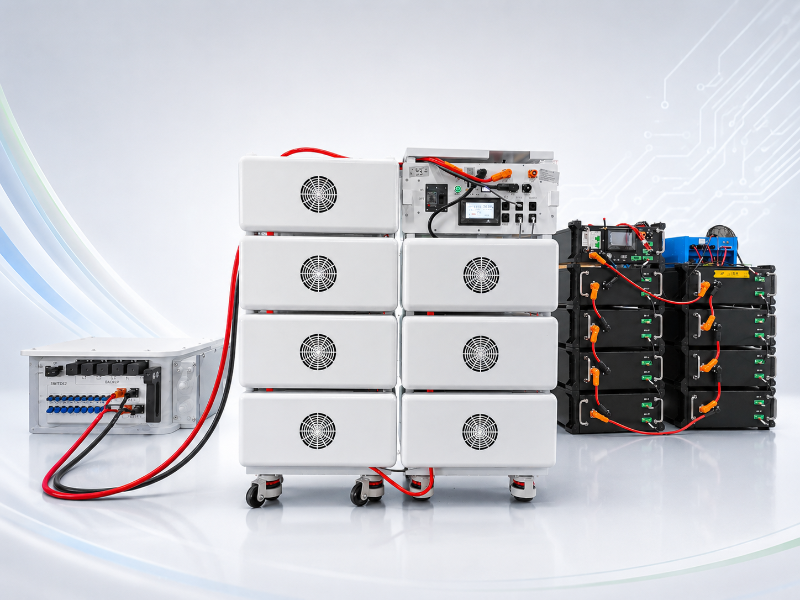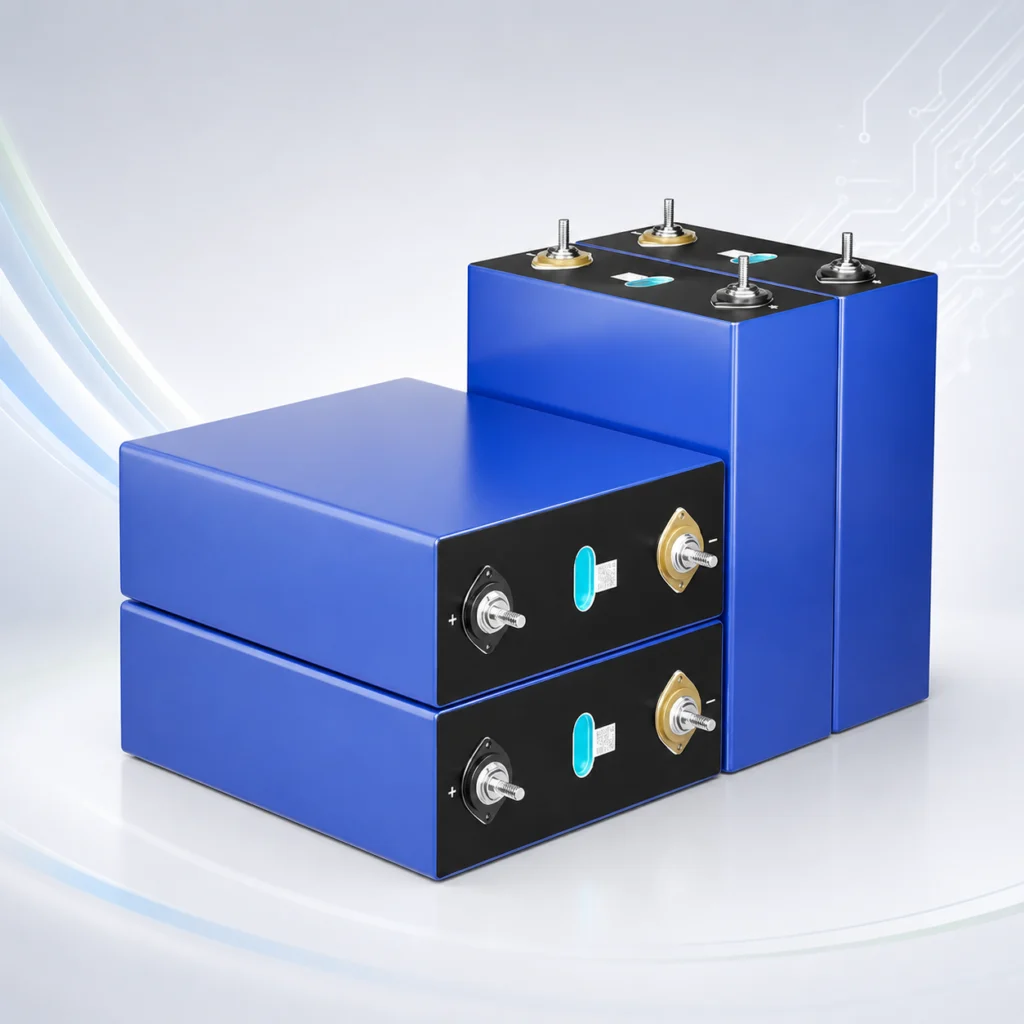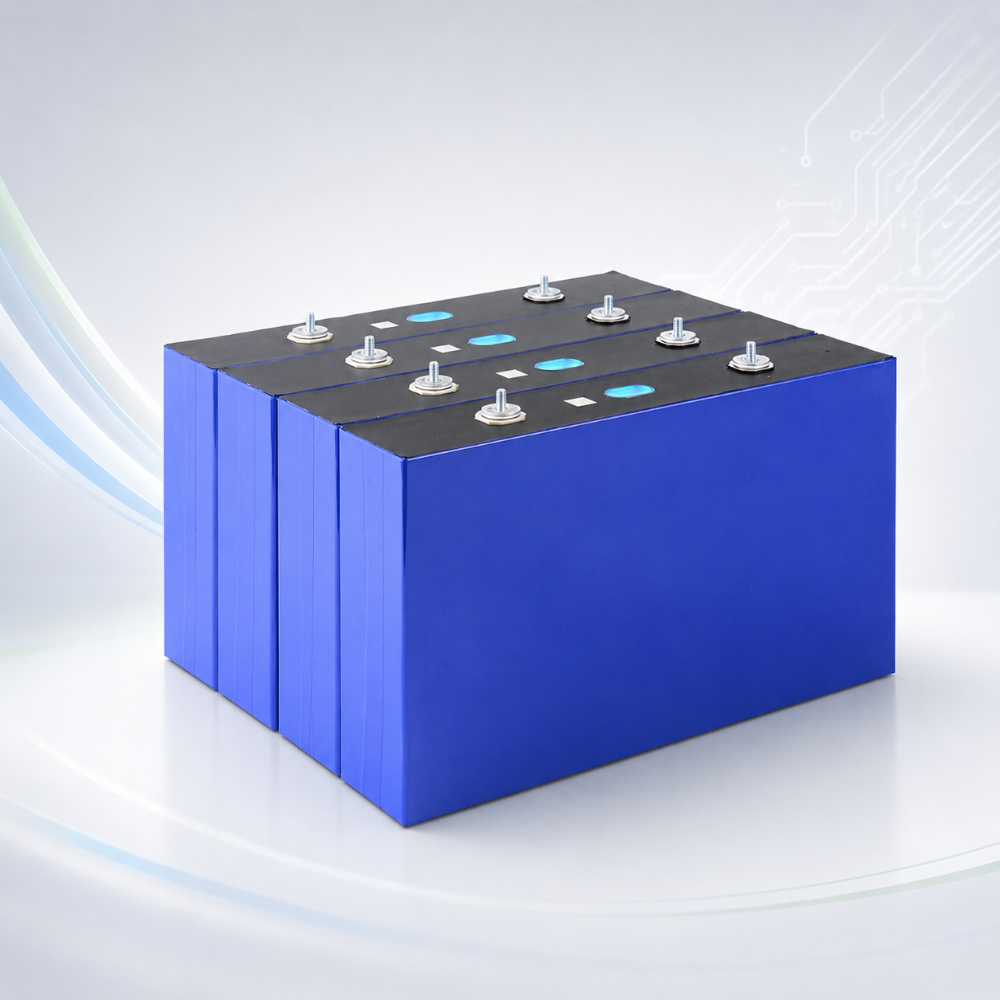
The battery voltage looks normal, but the battery does not last as long as it used to. This is a common problem with home energy storage systems, RVs, electric equipment, and backup power supplies. Many buyers see a normal battery voltage such as 48V or 51.2V and assume the battery is working properly. Then, after connecting a load, they find that the battery runs out much sooner than expected. In fact, voltage and capacity are two different things. Voltage shows the battery’s current electrical state, while capacity determines how much energy the battery can store and how long it can power a device. This difference is particularly important for LiFePO4 batteries. When choosing a battery pack, buyers should look beyond battery voltage and also consider Ah, Wh, load power, and actual runtime.
Why Is the Battery Voltage Normal but the Capacity Too Low?
If a LiFePO4 battery has a voltage within the normal range but does not last very long, the problem may be related to cell aging, battery pack condition, or increased power consumption. Checking these factors can help determine whether the battery capacity has actually decreased or the equipment is simply using more energy than before.
- The battery cells have lost capacity
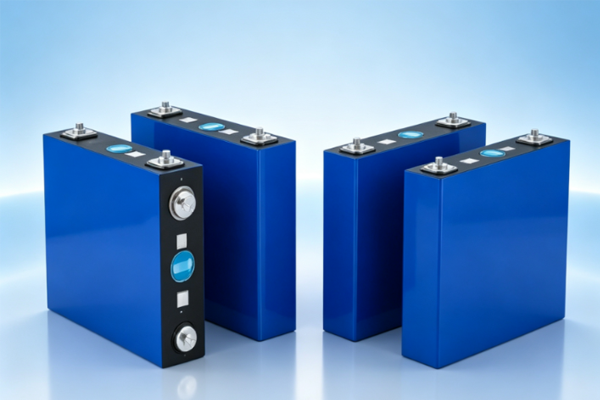
After long-term use, battery cells gradually age. Even when the voltage appears normal at rest, the amount of energy the battery can actually deliver may have decreased.
- The cells in the battery pack have become unbalanced
A battery pack contains multiple cells. If some cells have significantly lower performance than others, they may reach the protection limit earlier during discharge, causing the entire battery pack to stop supplying power.
- The connected equipment consumes more power
Maybe the battery used to power lights and small devices, but now it also runs an air conditioner, water pump, motor, or other high-power equipment. In this case, the battery may not have lost much capacity—the power demand has simply increased.
When checking for low capacity, don’t rely only on the number shown on a multimeter. The actual amount of energy the battery can deliver and its runtime under a stable load are much more useful indicators.
Why Doesn’t Normal Voltage Mean Normal Capacity for a LiFePO4 Battery?
LiFePO4 batteries have a relatively stable voltage plateau, which is one reason they are widely used in home energy storage, solar storage, and backup power systems. However, this characteristic can also make battery capacity harder to judge. Take a common 51.2V LiFePO4 battery as an example. During a large part of the discharge cycle, its voltage may not change dramatically. A multimeter can still show a normal battery voltage even though the actual usable capacity is already lower than when the battery was new. That is why voltage alone cannot accurately tell you how long the battery will continue to operate.
Capacity is normally measured in Ah or Wh, while voltage is measured in V. They represent different battery specifications. For instance, two LiFePO4 batteries can both be rated at 51.2V, while one has a capacity of 100Ah and the other has 200Ah. Their total stored energy is clearly different. When purchasing an energy storage battery, checking only whether the voltage matches the system can lead to problems. Load power, battery capacity, and daily energy consumption should also be confirmed.
How Can You Test the Actual Capacity of a LiFePO4 Battery?
If you suspect that the battery capacity has dropped, an actual discharge test is more useful than repeatedly measuring the voltage. Keep the load as stable as possible and record the operating time and energy delivered after the battery is fully charged. If available, BMS data can also provide additional information about the battery’s condition.
- Record the actual runtime after a full charge
If the same equipment runs for significantly less time than it did when the battery was new, this can indicate capacity degradation.
- Check the BMS data
Pay attention to SOC, individual cell voltage, cycle count, and other available information. If one cell behaves differently from the others, further inspection may be necessary.
- Perform a professional capacity test
When accurate results are required, professional testing equipment can measure the actual discharge capacity and compare it with the rated capacity on the battery label.
- Check the actual power consumption of the equipment
If the battery itself appears to be normal but runtime has suddenly decreased, check whether the connected equipment is consuming more power than before.
Capacity testing is also useful when purchasing energy storage batteries. Buyers can confirm the rated capacity, usable capacity, maximum continuous discharge current, and BMS specifications before placing an order. This helps reduce the risk of discovering after installation that the battery cannot support the equipment.
How Should You Choose LiFePO4 Battery Capacity?
When selecting a LiFePO4 battery, start by calculating how much energy the equipment actually needs each day. If a home energy storage system consumes around 5kWh per day, the battery size should also account for actual load, backup time, usable depth of discharge, and system efficiency. Simply choosing a battery with the same voltage is not enough. If several devices need to operate at the same time, the battery’s continuous discharge capability should also be checked. For projects that may be expanded later, confirm in advance whether the battery packs support parallel connection and whether the BMS can work properly with the inverter.
- Calculate the actual daily energy demand first.
- Choose the appropriate battery voltage and capacity.
- Check the BMS, inverter, and expansion requirements.
For projects with special requirements for dimensions, connectors, capacity, or discharge performance, a customized battery pack can offer greater flexibility. Cell quantity, cell configuration, BMS specifications, and enclosure design can be matched to the equipment. DIY battery boxes can also be useful for users who plan to assemble their own battery systems, but the cells and BMS must be properly matched rather than selected based only on the enclosure size.
A battery with normal voltage but insufficient capacity does not necessarily have a voltage problem. For LiFePO4 batteries, voltage, capacity, discharge performance, and cell condition should be evaluated together. When purchasing an energy storage battery, calculate the actual daily energy requirement first, then select an appropriate voltage such as 48V or 51.2V and confirm the Ah, Wh, BMS, and expansion specifications. For special applications, buyers can also consider individual cells, battery packs, DIY battery boxes, and BMS accessories to build a solution that fits the actual equipment. For global buyers, choosing the right specifications is far more practical than simply looking for a higher voltage or larger capacity.