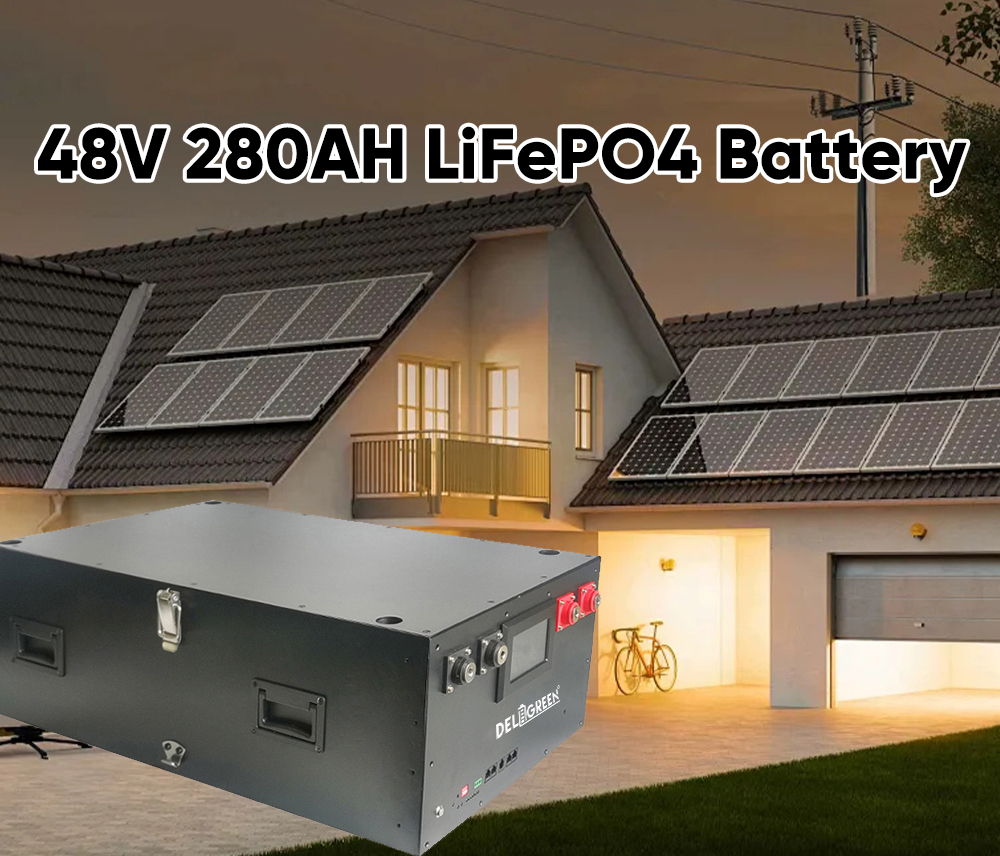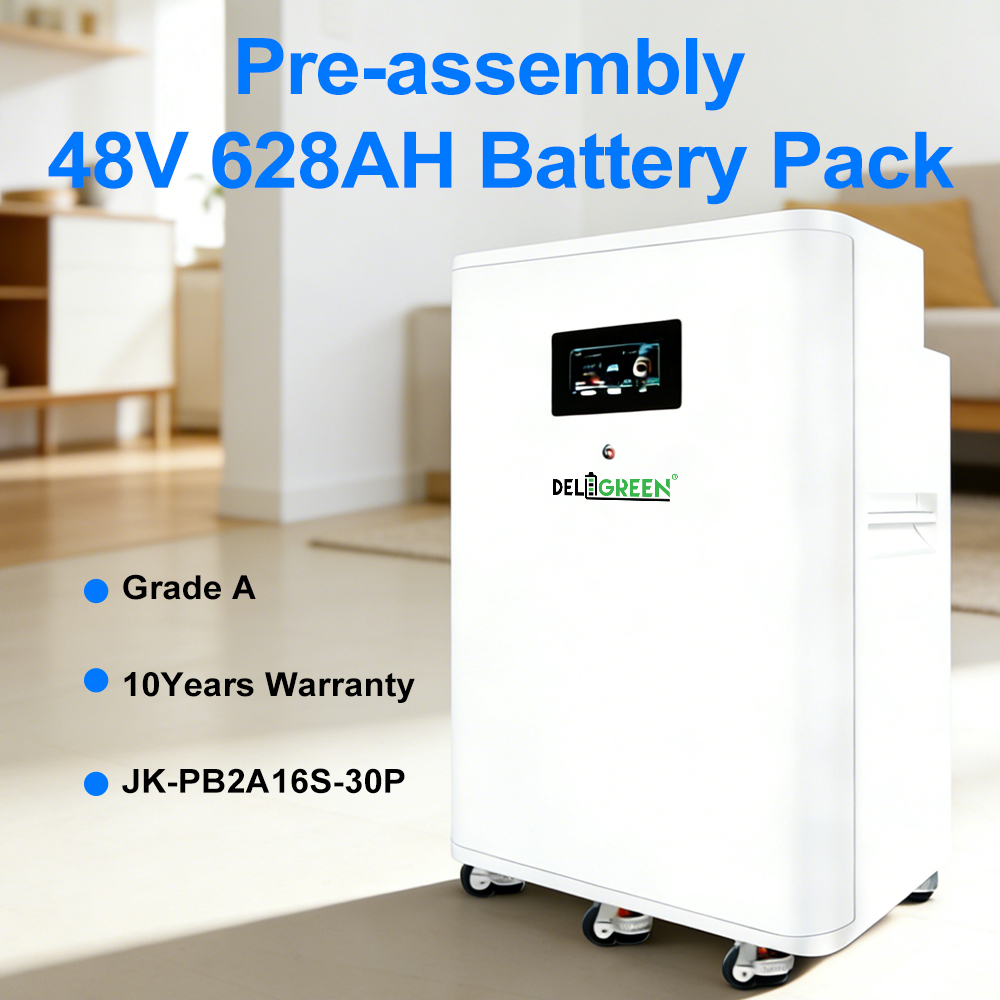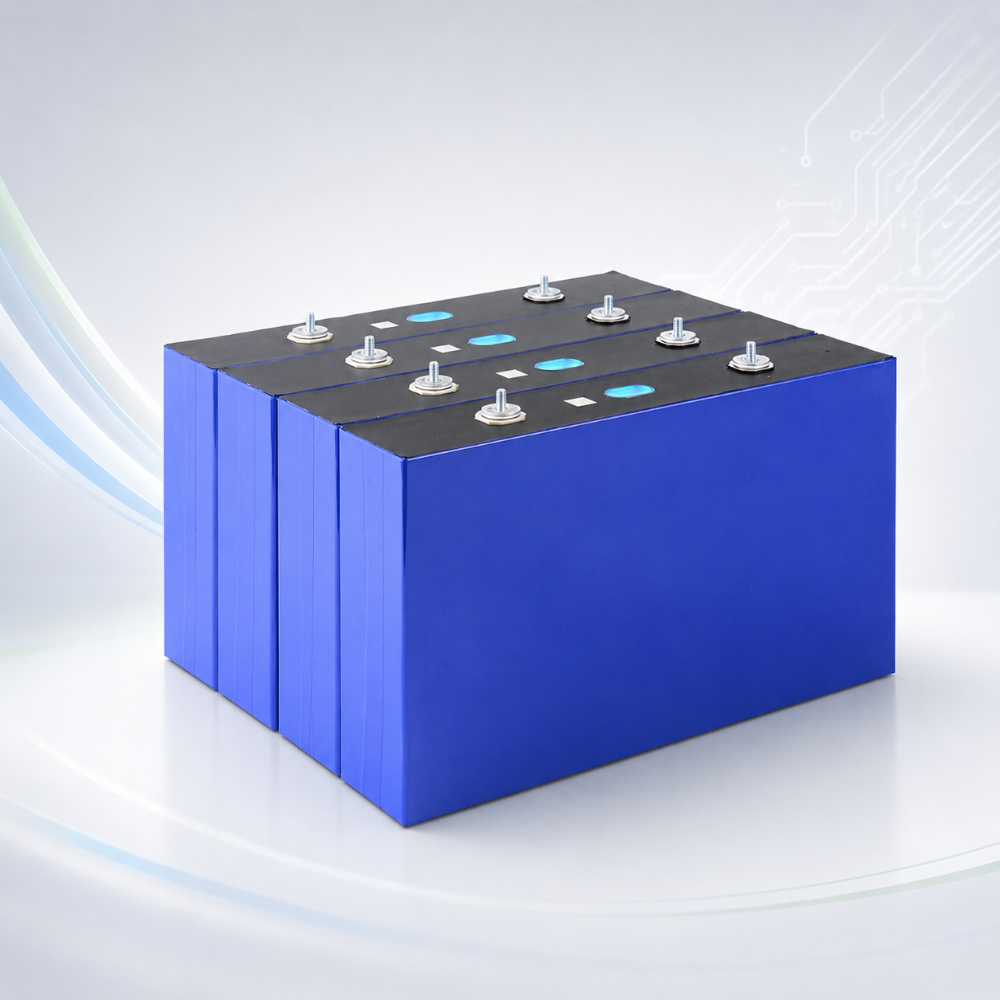
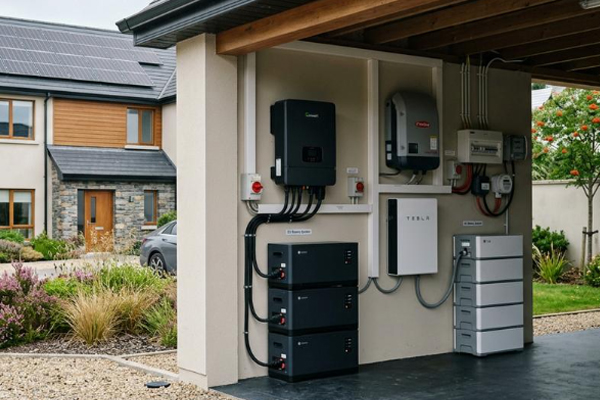
As residential photovoltaic systems become increasingly popular, more homeowners are using energy storage batteries to store solar power generated during the day and use it at night or when solar generation is insufficient. For home energy storage systems, batteries need to undergo regular charging and discharging, making cycle life, safety, usable capacity, charging efficiency, and maintenance important considerations. Lithium iron phosphate (LiFePO4) batteries have become a common choice for residential solar energy storage because of their stable chemistry, good cycle performance, and thermal stability. When combined with solar panels and hybrid inverters, LiFePO4 energy storage batteries can help households increase solar self-consumption while providing stored electricity for nighttime loads and backup power during outages. Wall-mounted and rack-mounted LiFePO4 batteries can also be configured according to available residential space and electricity demand. For homeowners planning to install a solar energy storage system, understanding the characteristics of LiFePO4 batteries can help them select a suitable solution for long-term operation.
LiFePO4 Is Suitable for Long-Term Charging and Discharging
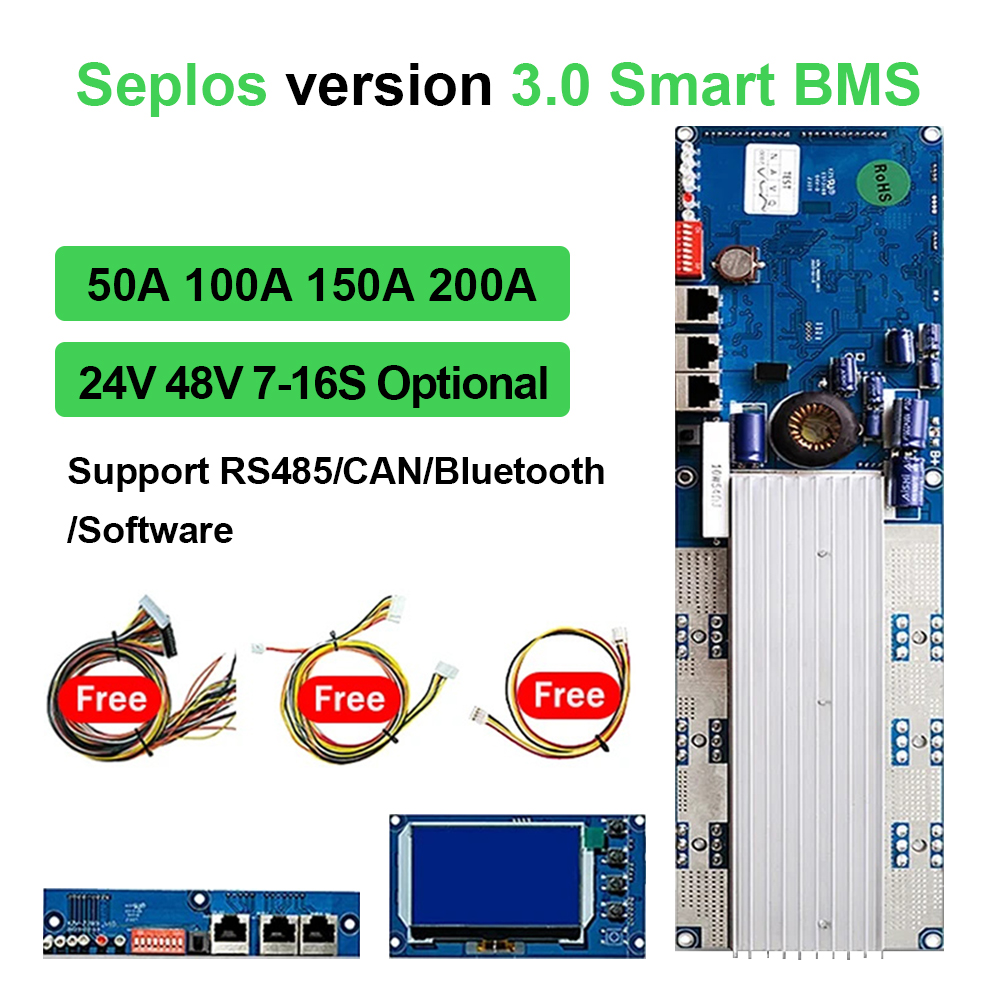
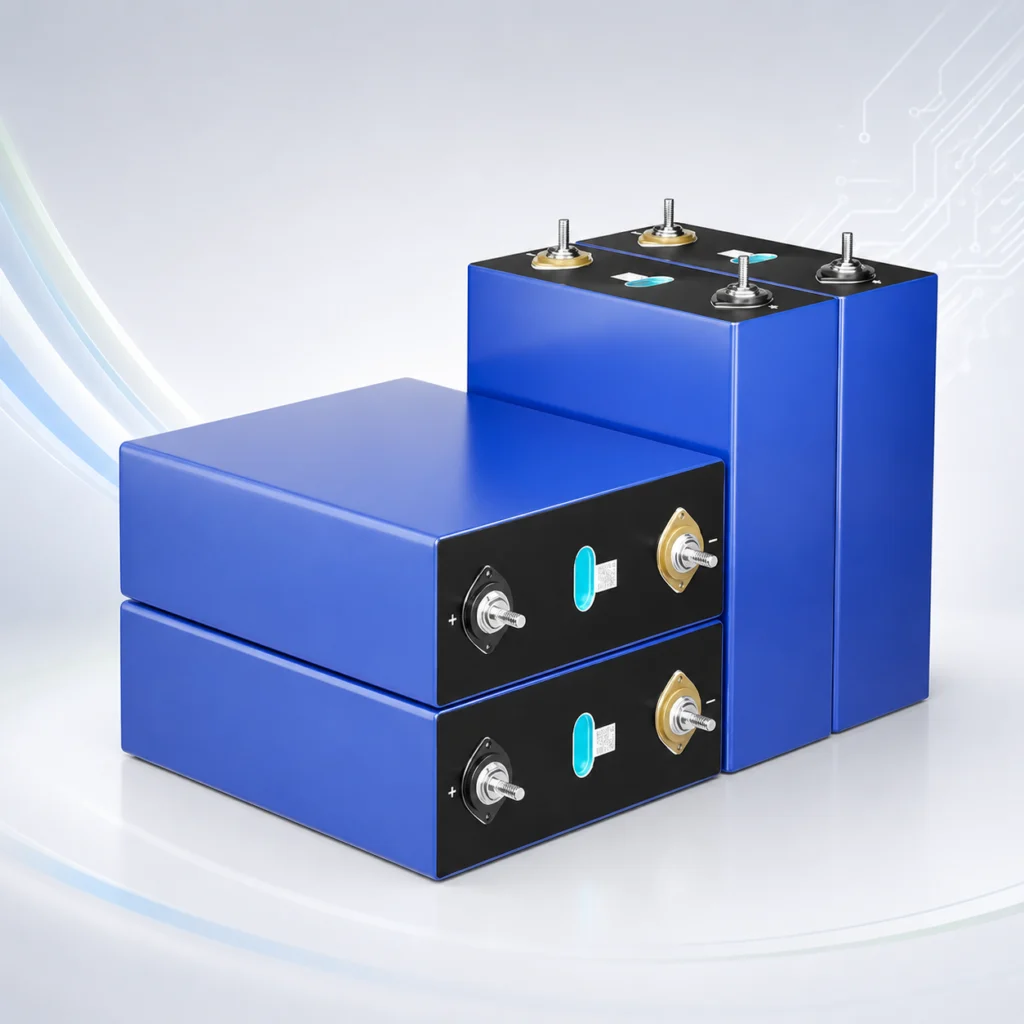
Home solar energy storage differs from a conventional backup power supply because batteries may be charged and discharged every day. As a result, long-term cycle performance can have a significant impact on the practical value of the system. LiFePO4 batteries offer good cycle performance and, when operated within the charging, discharging, temperature, and current ranges specified by the manufacturer, can meet the requirements of long-term energy storage applications. During the day, when solar generation is high, the energy storage battery can absorb surplus electricity. At night, when household electricity demand increases, the battery releases the stored energy. Continuous operation results in repeated charging and discharging cycles, making stable battery performance particularly important. LiFePO4 cells also offer good thermal stability and are suitable for residential energy storage environments. When combined with a Battery Management System (BMS), the battery can monitor cell voltage, temperature, current, and SOC while providing corresponding protection when abnormal conditions occur. For residential solar energy storage systems designed for long-term operation, stable cell performance and a reliable BMS can help improve overall system reliability.
LiFePO4 Energy Storage Batteries Provide Good Safety Performance
Home energy storage batteries are often installed in residential areas, garages, equipment rooms, and other locations close to daily household activities, making safety an important consideration. Lithium iron phosphate cathode materials offer good thermal stability and can maintain stable operation under normal operating and control conditions. Energy storage batteries are also generally equipped with a BMS that monitors and protects against overcharging, over-discharging, overcurrent, short circuits, and abnormal temperatures. Some energy storage systems also include circuit breakers, fuses, isolation devices, and other electrical protection components to create a more comprehensive protection system. It is important to understand that battery safety does not depend solely on cell chemistry. Battery pack design, BMS hardware and software, manufacturing processes, wiring, thermal management, and installation conditions can all affect actual operating safety. Therefore, homeowners selecting LiFePO4 energy storage batteries should check whether the product provides comprehensive protection functions and clearly defined technical specifications. Installation and operation should also follow the manufacturer’s requirements. For larger residential energy storage systems, electrical connections and system commissioning should be performed by qualified professionals.
How Can LiFePO4 Improve Solar Energy Utilization?
Residential solar generation has a strong time-dependent pattern. Solar output is generally higher during the daytime, while household electricity demand may increase in the morning and evening. When photovoltaic generation exceeds the household’s immediate electricity demand, surplus electricity can be stored in a LiFePO4 energy storage battery. At night, the battery can supply power to household loads, reducing the amount of electricity that needs to be purchased from the public grid. In areas with time-of-use electricity pricing, the energy storage system can also follow suitable charging and discharging schedules according to electricity rates. LiFePO4 batteries can work with hybrid inverters and home energy management systems to automatically adjust operation according to solar output, household loads, and battery SOC. Proper energy storage configuration allows more solar electricity to be consumed within the home. Battery capacity should not simply be maximized. Instead, it should be selected according to daily electricity consumption, photovoltaic capacity, nighttime loads, and backup requirements. An undersized battery may not cover important electricity demand, while an oversized battery may remain underutilized. Matching photovoltaic generation with appropriate storage capacity allows the LiFePO4 battery to deliver greater practical value.
What Configurations Should Be Considered When Choosing LiFePO4 Home Energy Storage?
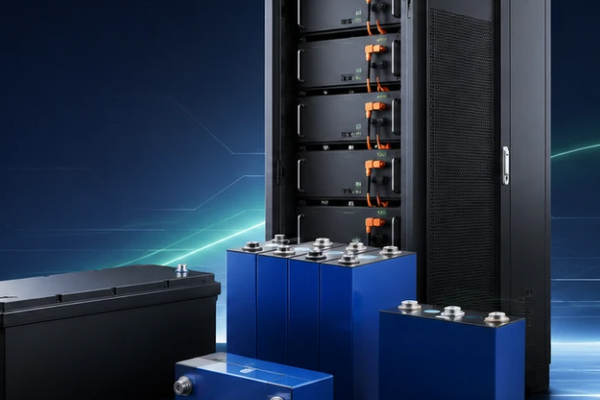
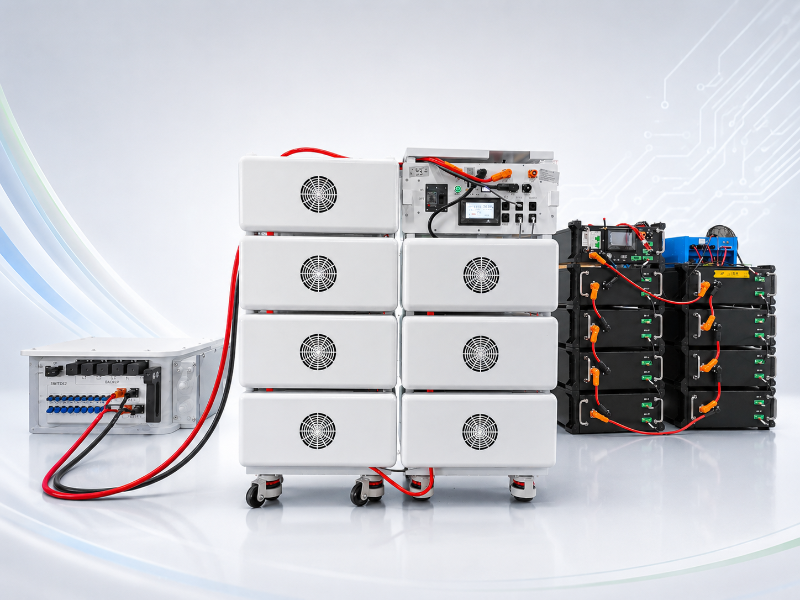
When selecting a LiFePO4 home energy storage battery, capacity, power, voltage, and installation method should be determined according to the household’s actual energy requirements. For homes with limited space, wall-mounted energy storage batteries can reduce floor space requirements. For households requiring larger storage capacity or future expansion, rack-mounted batteries may provide greater configuration flexibility. During system design, battery parameters and communication protocols should also be confirmed to ensure compatibility with the solar energy storage inverter.
Match Battery Capacity With Household Electricity Consumption
- Daily electricity consumption: Estimate storage requirements based on the home’s actual daily electricity use.
- Nighttime electricity demand: If stored daytime solar energy will primarily be used at night, nighttime consumption should receive particular attention.
- Backup requirements: If the battery will provide backup power during outages, capacity should be selected according to critical appliance power and expected outage duration.
- Photovoltaic capacity: Battery capacity should be coordinated with solar generation to avoid insufficient charging or inadequate storage capability.
Match Charging and Discharging Power With Household Loads
- Basic household loads: Refrigerators, lighting, routers, and security systems are often treated as important basic loads.
- High-power appliances: Air conditioners, electric water heaters, and induction cookers can have high starting and operating power requirements, so inverter and battery output capabilities should be checked.
- Peak power: Some appliances require higher instantaneous power when starting, so inverter peak output should be considered.
- Maximum battery discharge current: Battery discharge capability needs to match the required system output power.
Appropriate capacity and power matching can reduce wasted energy and improve the practical utilization of solar electricity.
What Other Practical Benefits Does LiFePO4 Home Energy Storage Offer?
In addition to good cycle performance and thermal stability, LiFePO4 batteries can provide modular configuration and convenient expansion options. Modern home energy storage products often use standardized battery modules, allowing homeowners to select different battery combinations according to household electricity demand. If the household later adds more photovoltaic panels, an electric vehicle, or other high-power equipment, some expandable storage systems can accommodate additional battery modules to increase storage capacity. LiFePO4 batteries can also integrate with smart energy management systems. Users can monitor SOC, charging and discharging power, operating temperature, and system alarms through mobile applications or display interfaces, making it easier to understand system operating conditions. Installation conditions are also important for residential solar energy storage. Batteries should be protected from prolonged exposure to excessive heat, moisture, standing water, or severe dust, while adequate space should be reserved for heat dissipation and maintenance according to product requirements. When selecting a home energy storage battery, homeowners should consider cell chemistry, usable capacity, rated charging and discharging power, cycle performance, BMS protection, inverter compatibility, and after-sales support. With stable material characteristics and cycle performance suitable for energy storage applications, LiFePO4 has significant value in residential solar energy storage. For homes seeking to increase solar utilization, reduce dependence on grid electricity, and obtain backup power capability, a properly configured LiFePO4 home energy storage system can make better use of solar electricity generated during the day and provide flexible stored energy for nighttime consumption and power outages.