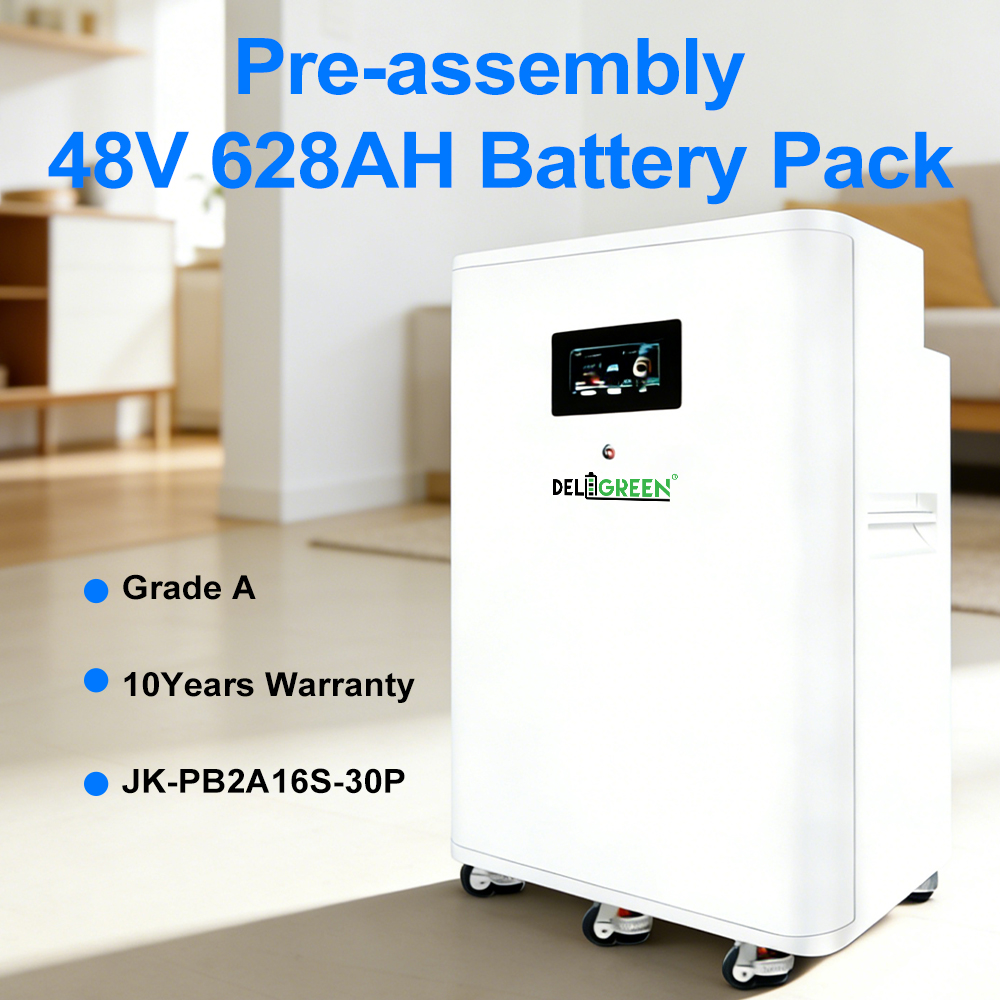
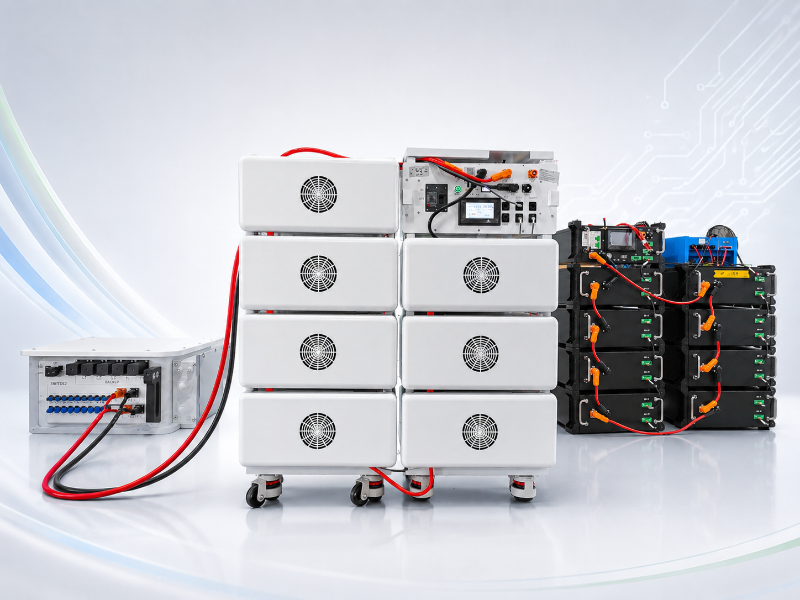
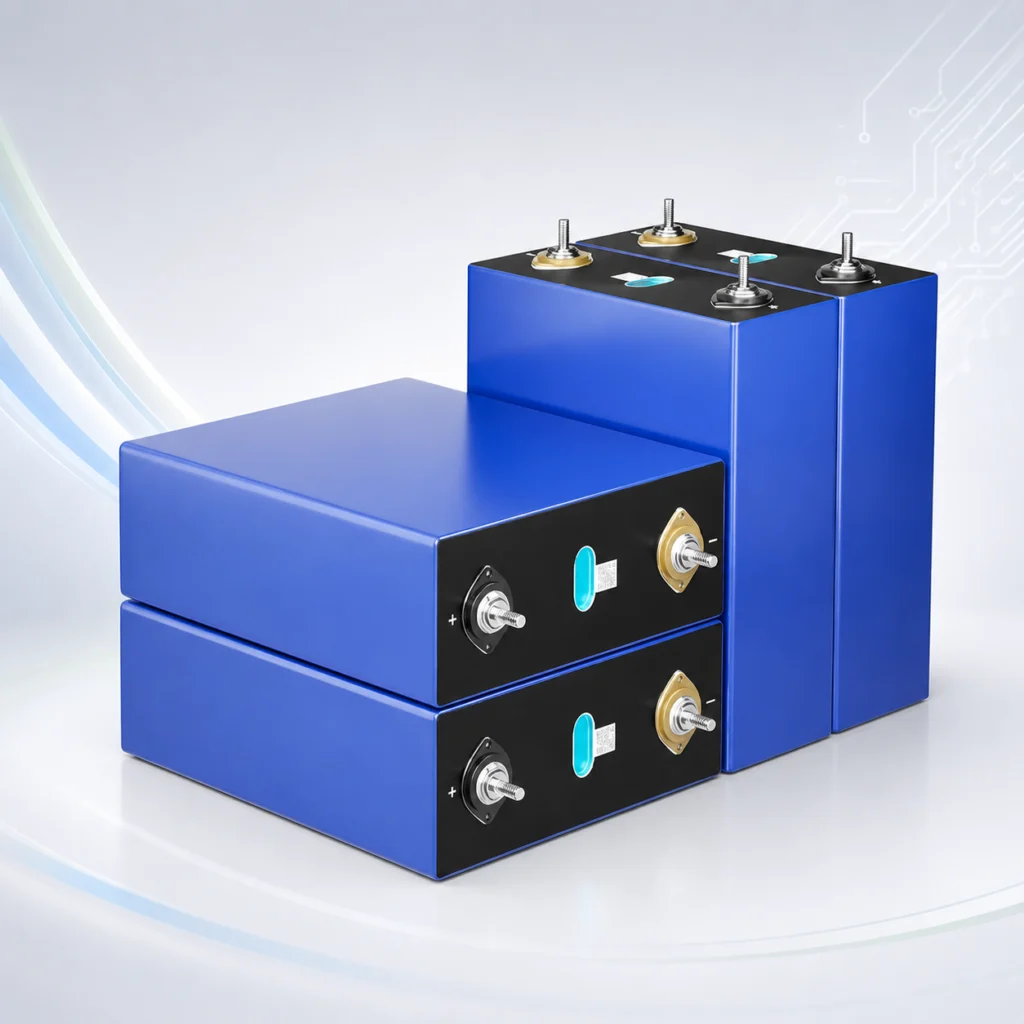
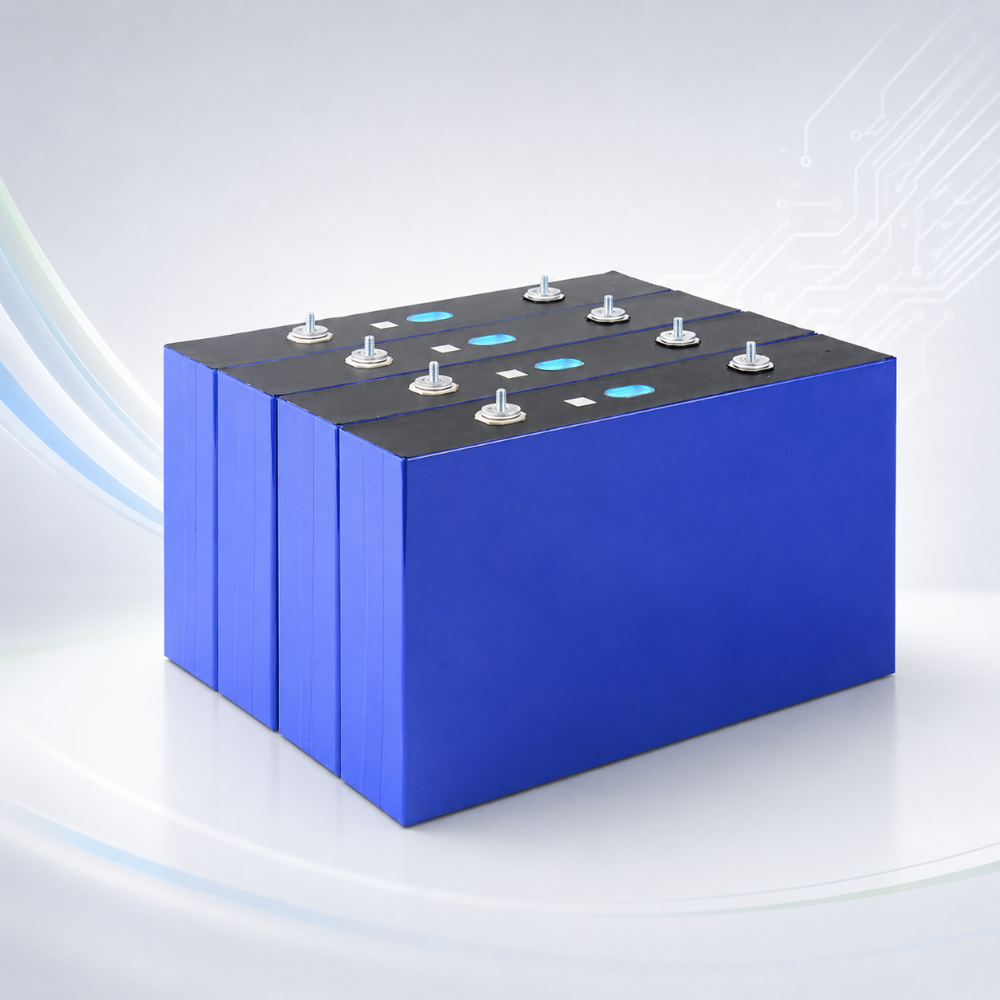
As demand for residential energy storage, solar power, and commercial and industrial energy storage continues to grow, LiFePO4 energy storage batteries have become a popular choice. These batteries use lithium iron phosphate as the cathode material and offer good thermal stability, long cycle life, and stable charging and discharging performance. They are suitable for home backup power, solar energy storage, grid support, and industrial equipment. For users who need to store and use electricity over long periods, choosing the right battery can improve energy utilization and help control operating costs. Understanding the key advantages of LiFePO4 energy storage batteries helps buyers select suitable products for their needs.
What Safety Advantages Do LiFePO4 Energy Storage Batteries Offer?
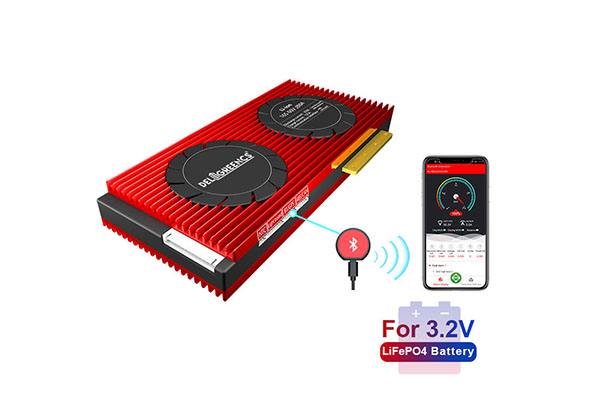
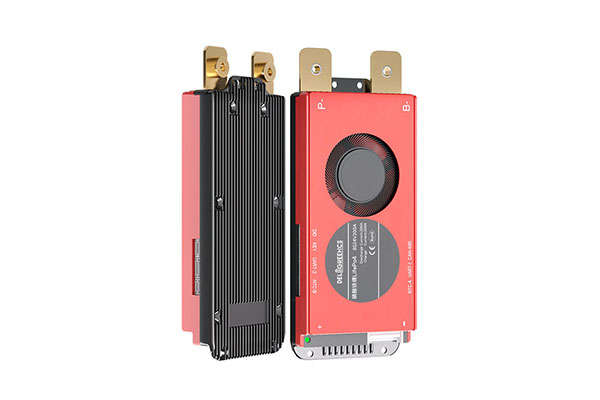
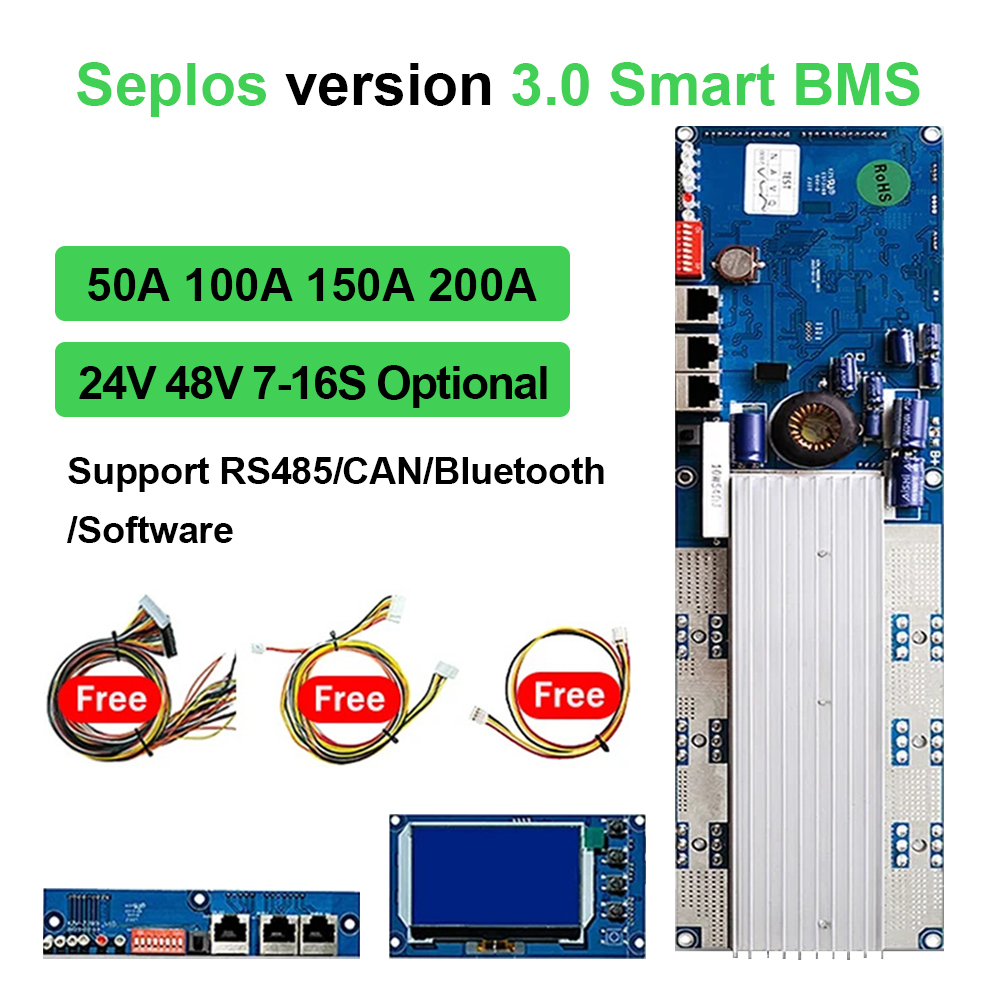
Safety is an important consideration when purchasing energy storage batteries. Compared with some other lithium-ion battery chemistries, lithium iron phosphate has good thermal stability, which can help reduce the risk of thermal runaway when the battery is properly designed and operated. LiFePO4 energy storage batteries are usually equipped with a battery management system (BMS) to monitor voltage, current, and temperature and provide protection when abnormal conditions occur. Combined with appropriate cell design, insulation, heat dissipation, and installation practices, these features can improve system reliability.
Residential energy storage systems are often installed inside homes or equipment rooms, making battery safety design, installation conditions, and protection functions particularly important. Commercial and industrial systems typically contain more batteries and operate at higher power levels, requiring effective electrical protection, thermal management, and system monitoring. Before purchasing, check for overcharge, over-discharge, overcurrent, short-circuit, and temperature protection. You should also verify the certifications required for your location and application. LiFePO4 batteries are not completely risk-free, so proper installation, correct charging, and regular maintenance remain essential.
Why Do LiFePO4 Energy Storage Batteries Have a Long Service Life?
Another important advantage of LiFePO4 energy storage batteries is their long cycle life. Under suitable charging and discharging conditions, quality LiFePO4 batteries can support many charge and discharge cycles, making them suitable for applications that require frequent energy storage and release. In residential solar energy storage systems, batteries can store excess electricity generated during the day and supply power at night or when solar production is insufficient. Commercial and industrial users can also manage battery charging and discharging according to their electricity consumption schedules.
Actual battery life depends on operating temperature, charge and discharge rates, depth of discharge, charging strategy, and cell quality. Prolonged exposure to high temperatures, frequent high-rate charging and discharging, or operation at unsuitable states of charge may accelerate battery aging. When purchasing a battery, review the manufacturer’s cycle life test conditions and capacity retention standards rather than relying solely on advertised cycle counts. Using a suitable BMS and following the manufacturer’s recommendations can help extend battery life and improve the long-term value of the energy storage system.
How Do LiFePO4 Energy Storage Batteries Improve Energy Utilization?
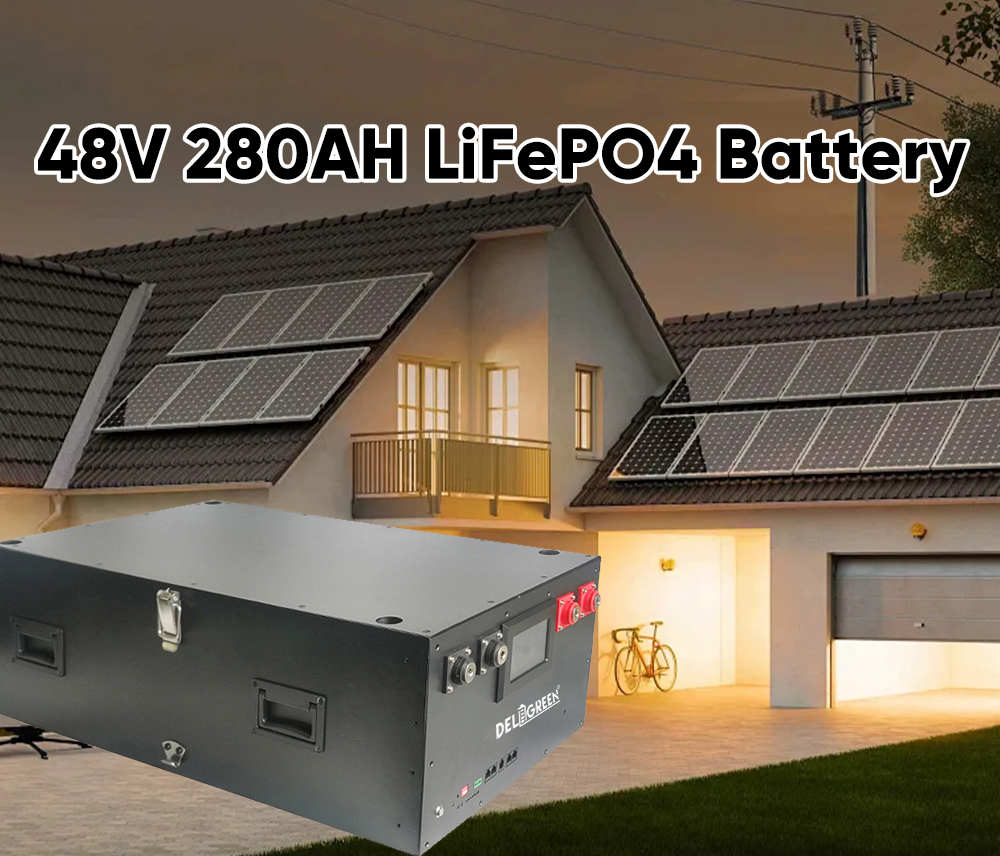
LiFePO4 energy storage batteries help users manage electricity more flexibly and improve the utilization of renewable energy. In solar energy storage systems, solar generation may not coincide with household or business electricity demand. Batteries can store some of the electricity generated during the day for use at night, on cloudy days, or during periods of higher demand. This helps reduce the amount of electricity that might otherwise go unused when it is generated.
In commercial and industrial applications, batteries can work with an energy management system to adjust charging and discharging according to load changes. Under suitable conditions, they can support peak shaving, off-peak charging, and backup power. In areas with unstable electricity supplies, energy storage systems can also provide backup power for selected critical equipment. However, actual electricity savings and energy utilization depend on local electricity prices, system efficiency, storage capacity, equipment configuration, and operating practices. Users should evaluate actual load data before designing a system to avoid unnecessary investment caused by oversized batteries or incompatible equipment.
What Are the Maintenance and Operating Cost Benefits of LiFePO4 Energy Storage Batteries?
LiFePO4 energy storage batteries have a long cycle life, which can help reduce battery replacement frequency when they are properly maintained and operated. Beyond the initial purchase price, an energy storage project should account for installation, maintenance, energy losses, and replacement costs throughout its service life. For residential and commercial systems designed for long-term operation, choosing reliable batteries with suitable specifications can help control overall costs more effectively than focusing only on the lowest upfront price.
Routine maintenance may include checking battery operating status, reviewing BMS alerts, confirming that electrical connections are secure, and ensuring that the installation environment meets the manufacturer’s requirements. Batteries with communication functions can connect to inverters or energy management systems, allowing users to monitor charge levels, operating conditions, and fault information. Maintenance requirements vary by product, so users should follow the manufacturer’s manual and avoid opening battery packs or using incompatible charging equipment. Warranty coverage, after-sales response times, and spare parts availability should also be considered because they affect long-term operating costs.
How Do You Choose LiFePO4 Energy Storage Batteries for Your Needs?
LiFePO4 energy storage batteries are suitable for projects of different sizes, but each application may have different requirements for voltage, capacity, power output, installation space, and communication functions. Residential users should consider household electricity consumption, solar generation, and required backup duration. Commercial and industrial users should evaluate load profiles, peak and off-peak electricity prices, operating schedules, and future expansion plans. Selecting suitable battery specifications helps the energy storage system perform effectively.
When purchasing LiFePO4 energy storage batteries, consider the following points:
- Confirm battery specifications: Select the nominal voltage, capacity, continuous charging and discharging current, and installation type according to system requirements.
- Check system compatibility: Ensure that the battery is compatible with the inverter, charging equipment, and communication protocols.
- Review quality assurance: Check product datasheets, test reports, certification documents, and warranty terms.
- Evaluate installation conditions: Consider operating temperature, ventilation, heat dissipation, moisture protection, and maintenance space.
- Plan for future expansion: If additional storage capacity may be needed, confirm the battery’s expansion options and the manufacturer’s requirements in advance.
LiFePO4 energy storage batteries are a common choice for residential and commercial energy storage because of their good thermal stability, long cycle life, and flexible energy management capabilities. Buyers should evaluate actual electricity requirements, system compatibility, product quality, and after-sales support before making a decision. Selecting batteries suited to the intended application and following the manufacturer’s installation and operating instructions can improve system reliability and long-term value.