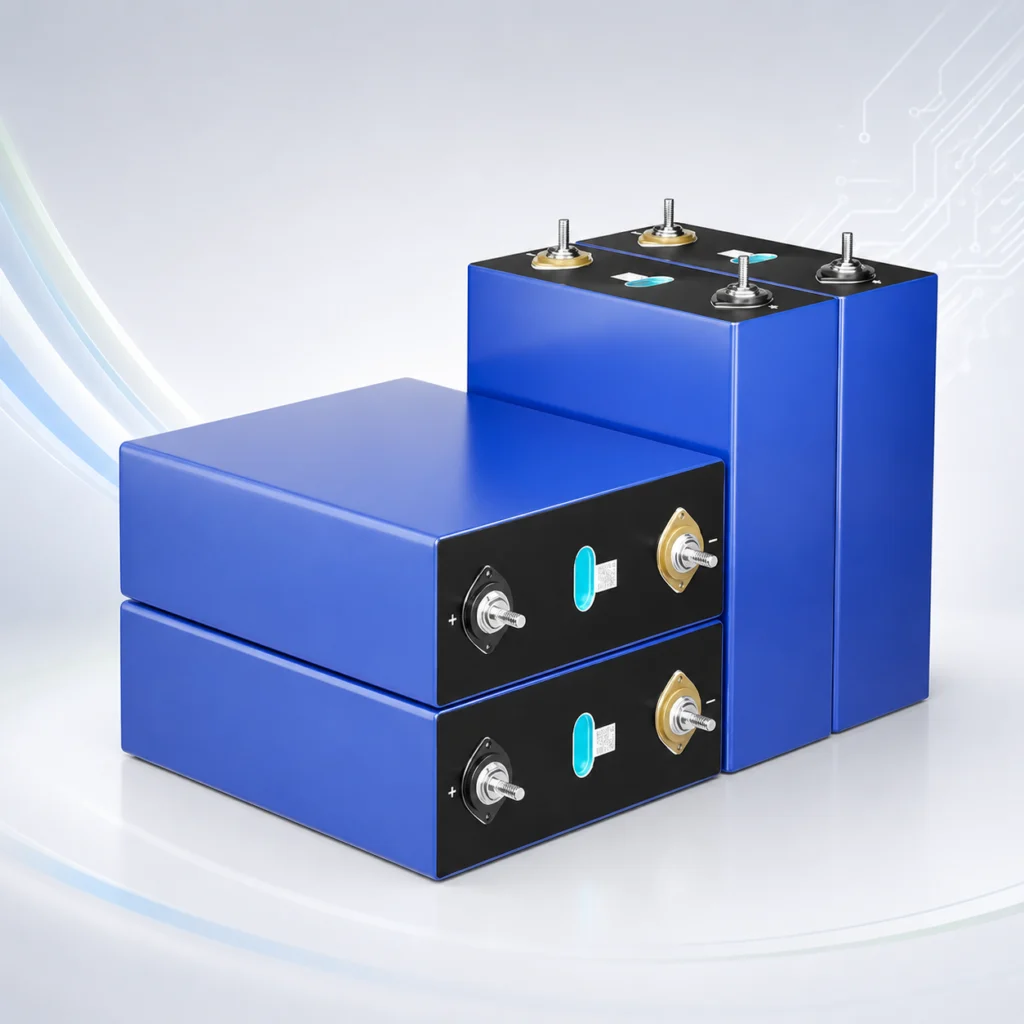
When purchasing lithium batteries, many users notice that the product is labeled with parameters such as 12V, 24V, or 48V, but the voltage measured with a multimeter is different from the marked value. This often leads to questions about whether the battery has a problem. In fact, this situation is normal because the rated voltage and actual voltage of a battery are two different concepts. The battery voltage changes depending on the charging level, discharge process, and operating conditions. With the increasing use of LiFePO4 batteries, understanding battery voltage has become important for choosing the right battery and checking its working condition.

What Does Rated Voltage Mean in a Lithium Battery?
The rated voltage of a lithium battery is the standard voltage value marked by the manufacturer. It is mainly used to help users understand the battery specifications and determine which devices the battery is suitable for. Rated voltage does not mean that the battery always stays at this exact voltage from full charge to empty. Instead, it represents the approximate voltage level during normal operation.
- Rated voltage is the standard battery specification.
- Different battery materials have different voltage levels.
- Multiple cells are combined to create different voltage systems.
- Common battery systems include 12V, 24V, and 48V.
Among common lithium battery types, a single ternary lithium battery cell usually has a rated voltage of 3.7V, while a single LiFePO4 battery cell has a rated voltage of about 3.2V. By connecting multiple cells in series, batteries can be designed into 12V, 24V, and 48V systems for energy storage, vehicles, industrial equipment, and other applications.
Why Is the Actual Voltage Different from the Rated Voltage?
Many users find that the measured voltage of a lithium battery is different from the value printed on the battery label. This does not necessarily mean the battery has a fault. The actual voltage changes depending on the current battery condition and is affected by charging status, remaining power, and operating environment.
- Voltage is higher when the battery is fully charged.
- Voltage gradually decreases as power is consumed.
- Voltage changes when the battery is powering equipment.
- Temperature can also affect voltage performance.
For a 12V LiFePO4 battery, the rated voltage is usually around 12.8V, but the actual voltage can be higher than 14V when fully charged. As the battery is used, the voltage gradually decreases. This change is a normal part of battery operation and does not mean the battery capacity is insufficient or damaged.
Which Is More Important: Rated Voltage or Actual Voltage?
When selecting a battery, both rated voltage and actual voltage are important, but they have different purposes. The rated voltage is mainly used to determine whether the battery matches the equipment, while the actual voltage helps show the current operating condition of the battery.
- Rated voltage determines battery compatibility.
- Actual voltage reflects the current battery status.
- Voltage range affects equipment performance.
If a device is designed for a 12V battery system, it should use a battery with the correct voltage level instead of focusing only on one measured voltage value. When actual voltage is too low, the device may have difficulty starting, reduced power output, or shorter operating time. When voltage is too high, it may affect internal components. Choosing the right battery voltage requires checking equipment requirements rather than relying on a single measurement.
What Are the Voltage Characteristics of LiFePO4 Batteries?
LiFePO4 batteries have become widely used in energy storage systems, electric vehicles, RVs, and industrial equipment. One of the main reasons is their stable voltage performance. Compared with some other battery types, LiFePO4 batteries maintain a more stable voltage during long-term charging and discharging cycles.
- Provides more stable voltage output.
- Offers longer cycle life.
- Suitable for frequent charging and discharging.
A LiFePO4 battery cell has a voltage of about 3.2V, and multiple cells can be combined to create different battery voltage systems. Because LiFePO4 batteries have a relatively flat discharge curve, remaining battery power cannot be accurately judged only by voltage. In practical applications, battery management systems (BMS) are usually used together with voltage monitoring to manage battery status. Stable voltage output helps reduce power fluctuations and improves overall equipment reliability.
Although rated voltage and actual voltage are both related to battery voltage, they represent different meanings. Rated voltage is mainly used to select the correct battery specification for equipment, while actual voltage reflects the current working condition of the battery. Whether choosing a 12V, 24V, or 48V lithium battery, users should consider equipment requirements, operating environment, and battery type. With stable performance and long service life, LiFePO4 batteries have become a popular power solution for many energy storage and equipment applications.