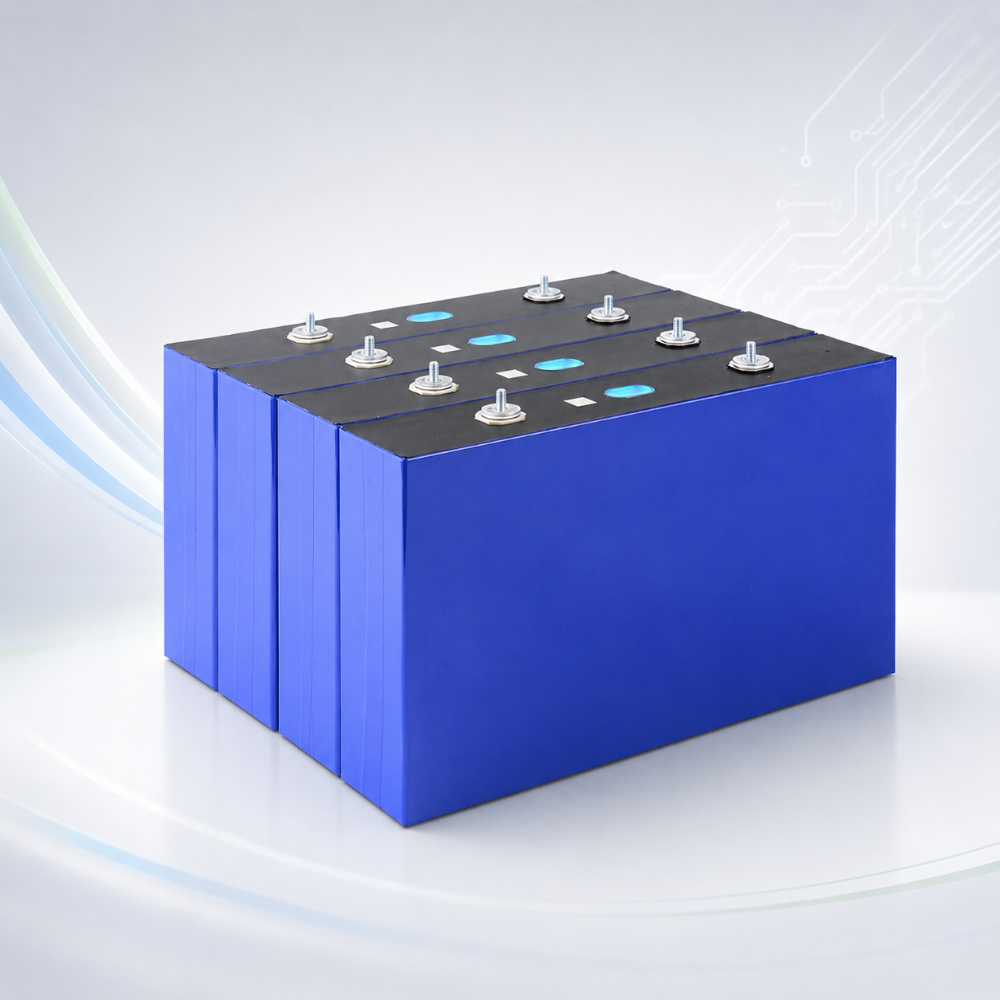
When purchasing a battery, many users face the same question: What voltage battery does my equipment need? Common lithium battery options such as 12V, 24V, and 48V may look like they only differ in voltage, but they are designed for different applications and performance requirements. If the battery voltage does not match the equipment specifications, it may cause insufficient power supply, startup problems, or reduced battery life. With the growing use of LiFePO4 batteries, different voltage levels are now widely used in energy storage systems, electric vehicles, and industrial equipment. Choosing the right battery solution requires considering equipment specifications, operating conditions, and actual power requirements.
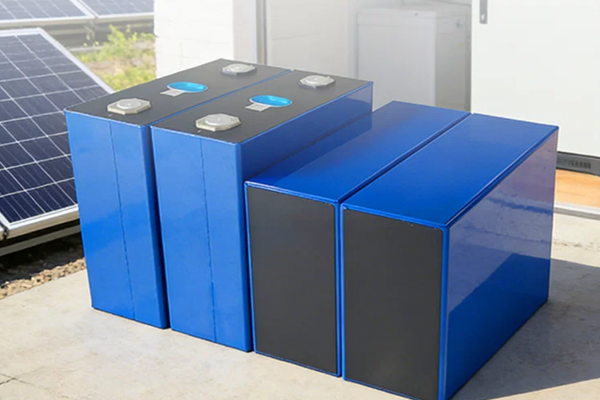
Confirm the Required Equipment Voltage Before Choosing a Battery
Matching the battery voltage with the equipment is the foundation of stable operation. Different devices are designed with specific power requirements, which can usually be found on the equipment label, user manual, or original battery specifications. Before selecting a battery, confirm the rated voltage of the equipment and then choose the appropriate battery voltage to avoid performance issues caused by voltage mismatch.
- Check the rated voltage marked on the equipment.
- Confirm the voltage specification of the original battery.
- Make sure the charger is compatible.
- Avoid increasing battery voltage without confirmation.
For example, equipment that originally uses a 12V battery usually works best with another 12V battery system. Directly replacing it with a 24V or 48V battery may cause damage because the internal circuits may not support higher voltage input. If a power system upgrade is required, the controller, motor, and other components should also be checked to ensure they support the new voltage level.
What Devices Are Suitable for 12V, 24V, and 48V Batteries?
Different battery voltage levels are designed for different applications. Generally, lower voltage batteries are suitable for small devices and everyday power needs, while higher voltage batteries are used for equipment requiring more power output. Increasing voltage can reduce operating current and improve system stability during long-term operation.
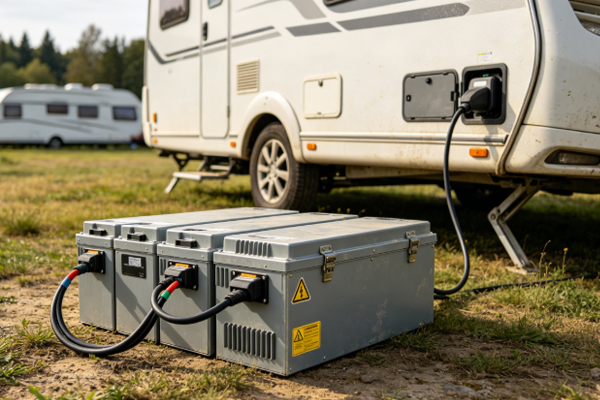
- 12V batteries are suitable for RVs, energy storage systems, and small electronic devices.
- 24V batteries are suitable for marine equipment, industrial devices, and some vehicles.
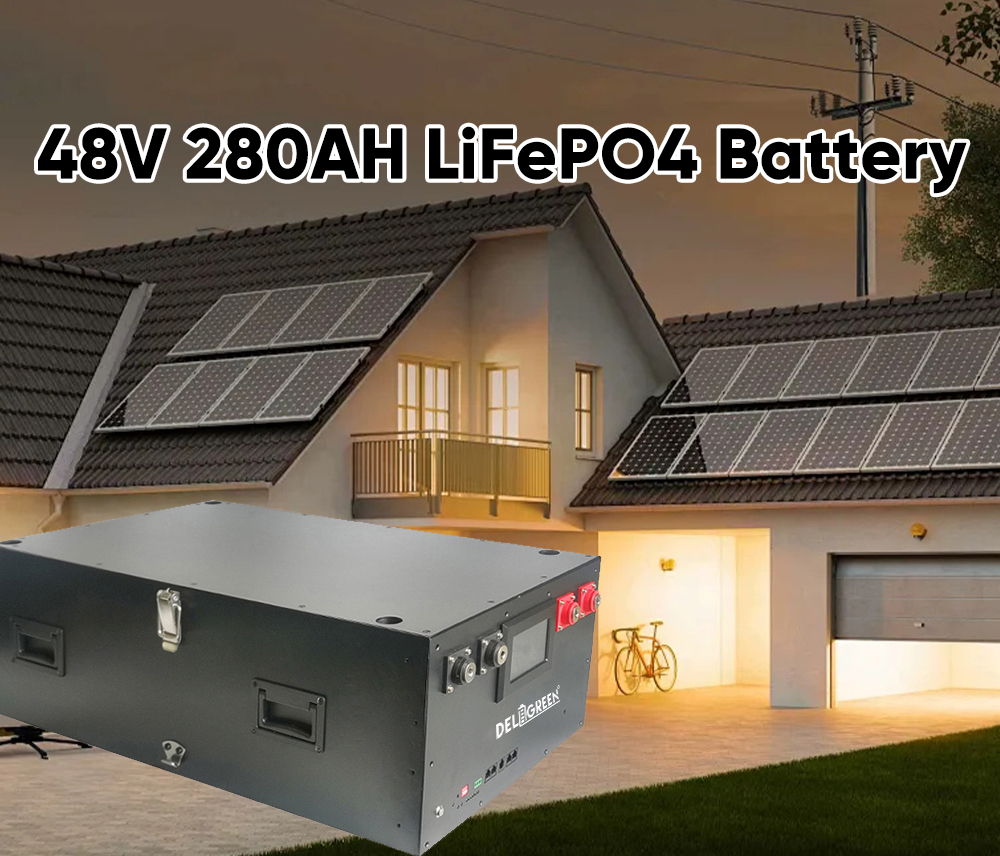
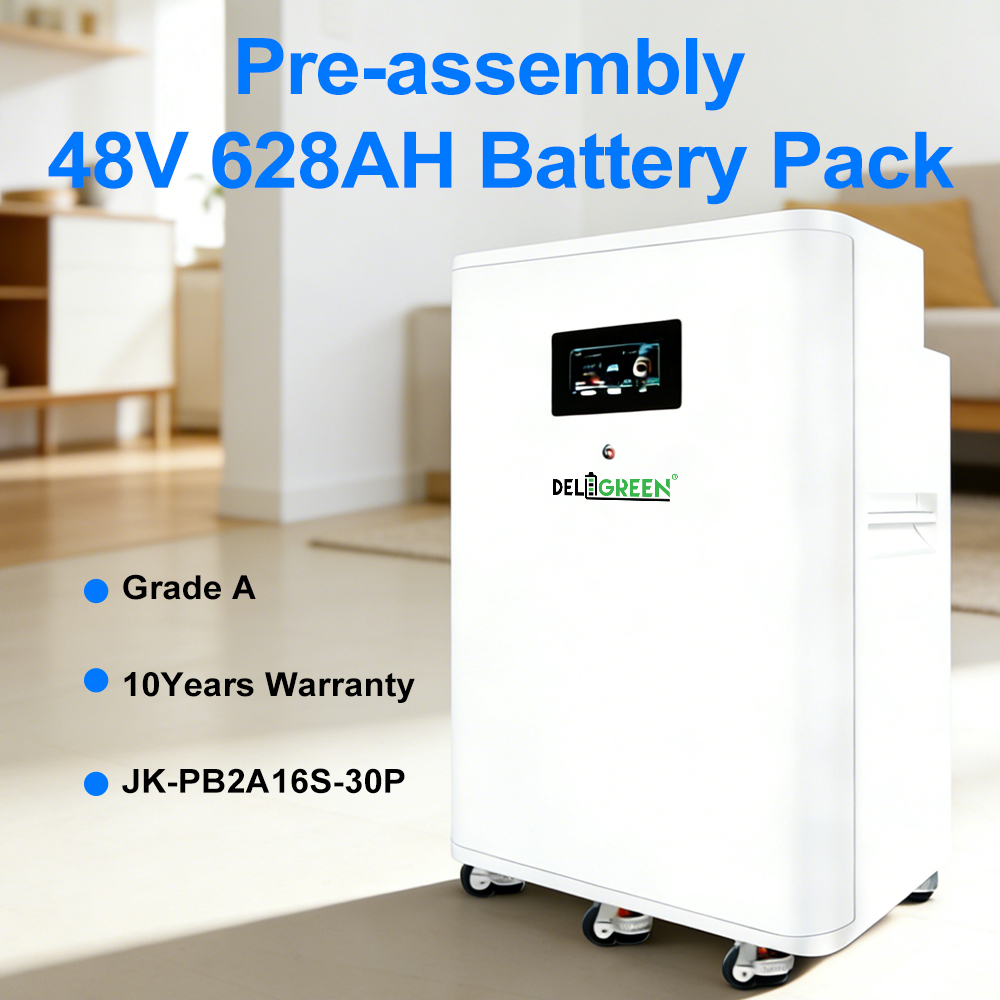
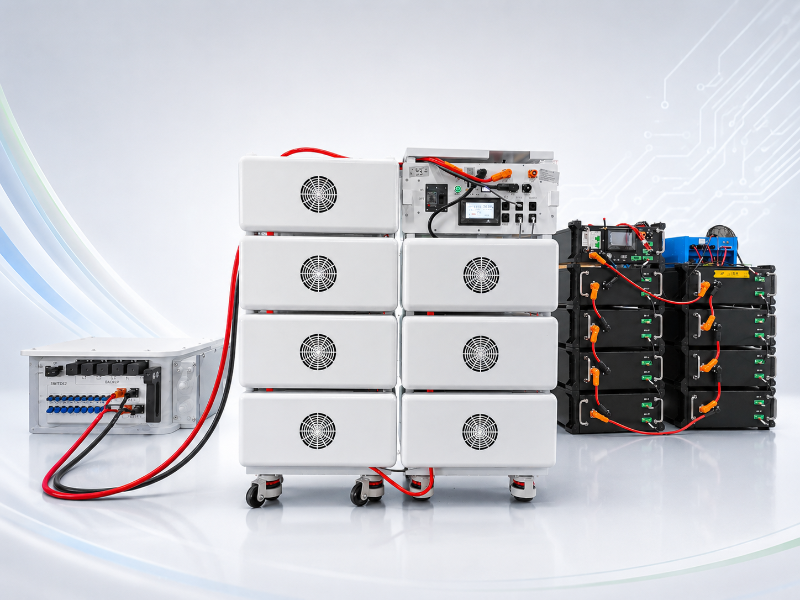
- 48V batteries are suitable for high-power storage systems and electric equipment.
12V LiFePO4 batteries are one of the most commonly used low-voltage battery solutions. They are widely used in RV power systems, solar energy storage, and backup power applications. Compared with 12V systems, 24V batteries provide higher output capability and are suitable for larger loads. 48V battery systems are generally used in applications with higher power and efficiency requirements, such as large energy storage systems, electric vehicles, and some industrial equipment.
What Other Parameters Should Be Considered When Choosing a LiFePO4 Battery?
Many users only focus on whether the battery voltage is the same but overlook capacity and discharge performance. In reality, even batteries with the same voltage can have very different performance depending on their capacity, output current, and protection features.
- Choose battery capacity based on equipment power consumption.
- Select capacity according to required operating time.
- Pay attention to maximum discharge current.
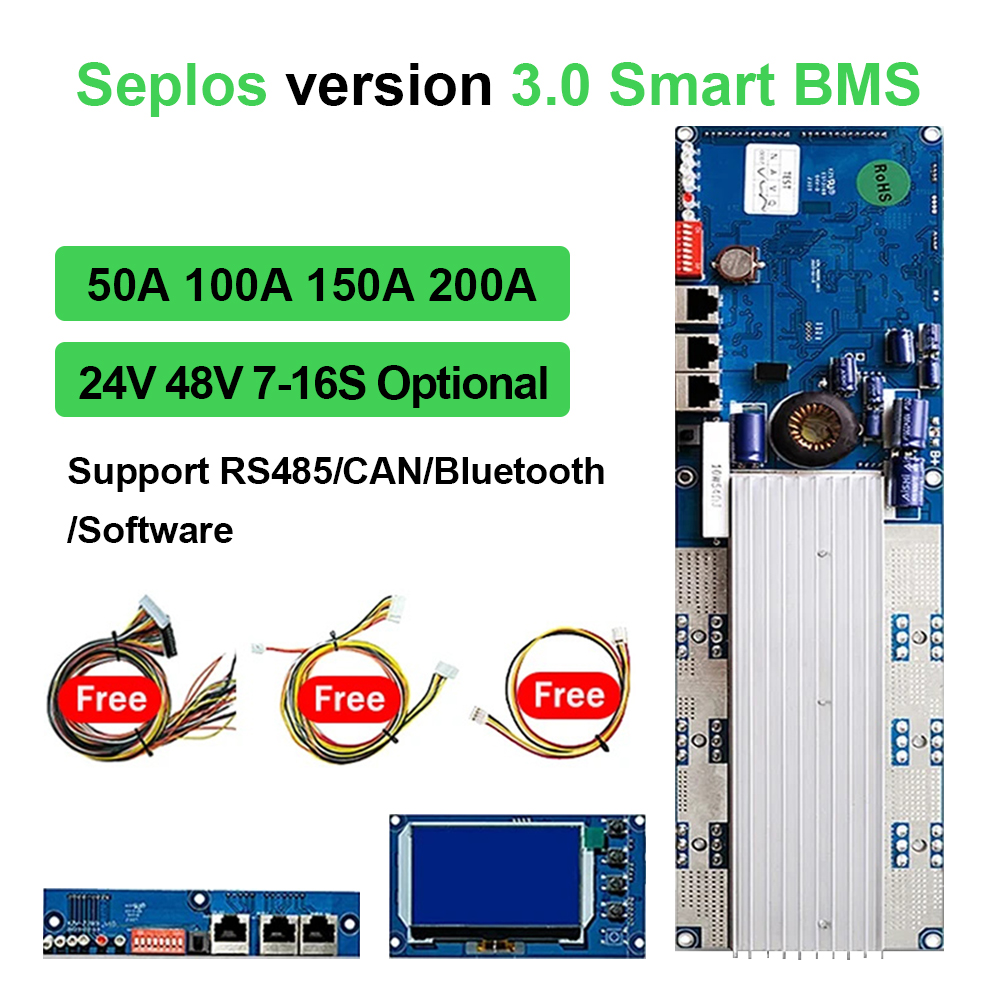
- Check whether a BMS protection system is included.
LiFePO4 batteries are known for their long cycle life and high safety performance, making them suitable for long-term applications. However, different devices have different battery requirements. For example, energy storage systems usually focus more on capacity and cycle life, while power equipment requires stronger instantaneous output capability. When selecting a LiFePO4 battery, users should consider both battery voltage and actual operating conditions instead of focusing on only one parameter.
How to Choose the Right Battery Voltage Based on Operating Environment?
Besides equipment voltage requirements, the actual operating environment also affects battery selection. Mobile devices, outdoor equipment, and industrial systems have different requirements for battery weight, runtime, and stability. Choosing the correct voltage level helps the battery perform more efficiently in real applications.
- Mobile equipment requires consideration of installation space and weight.
- Long-term operation requires stable power supply.
- High-load equipment is suitable for higher voltage systems.
For example, RVs and outdoor energy storage systems are often better suited for 12V LiFePO4 batteries because they are easy to install and maintain. If the equipment has higher power requirements and needs to operate for longer periods, 24V or 48V battery systems may be more suitable. Higher voltage systems can reduce current flow in the wiring and lower energy losses, making them ideal for applications with longer cable distances or higher power demands.
Choosing the right battery voltage requires considering equipment type, rated specifications, and actual operating requirements. Different battery voltage levels, including 12V, 24V, and 48V, are designed for different applications, and a higher voltage battery is not always the best choice. With stable performance, long cycle life, and strong safety features, LiFePO4 batteries have become an important power solution for many devices. Selecting the correct voltage level and matching it with the right capacity and performance can help equipment achieve more stable and efficient operation.