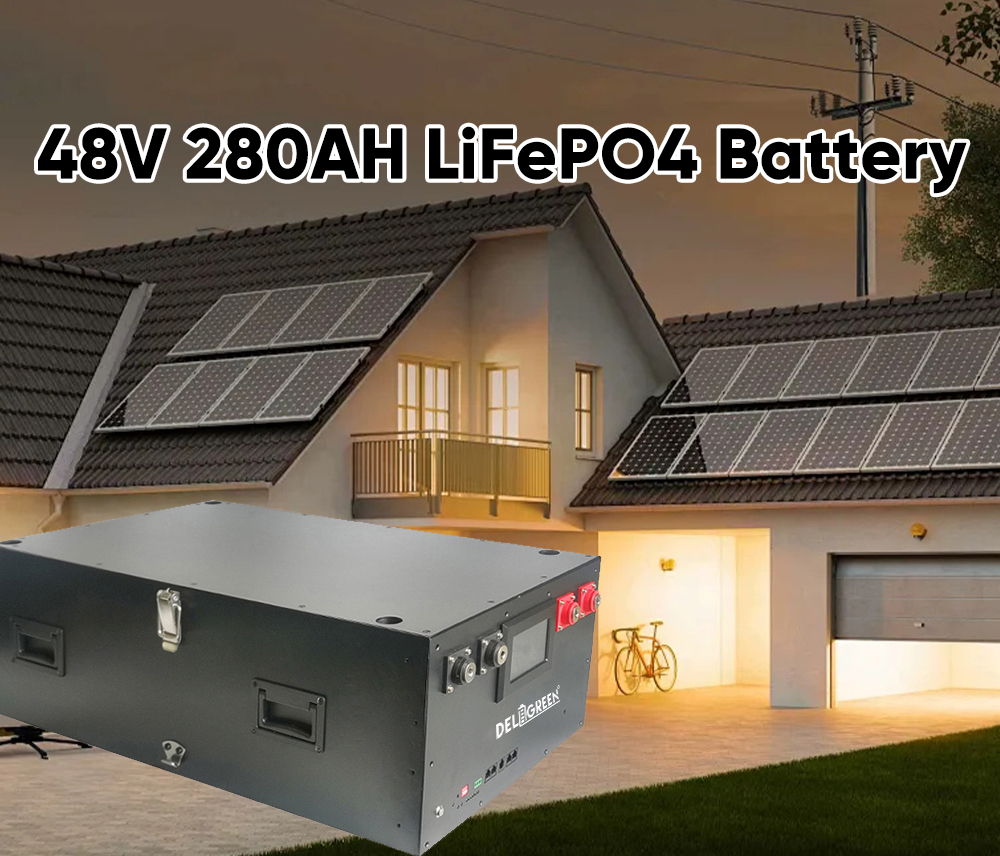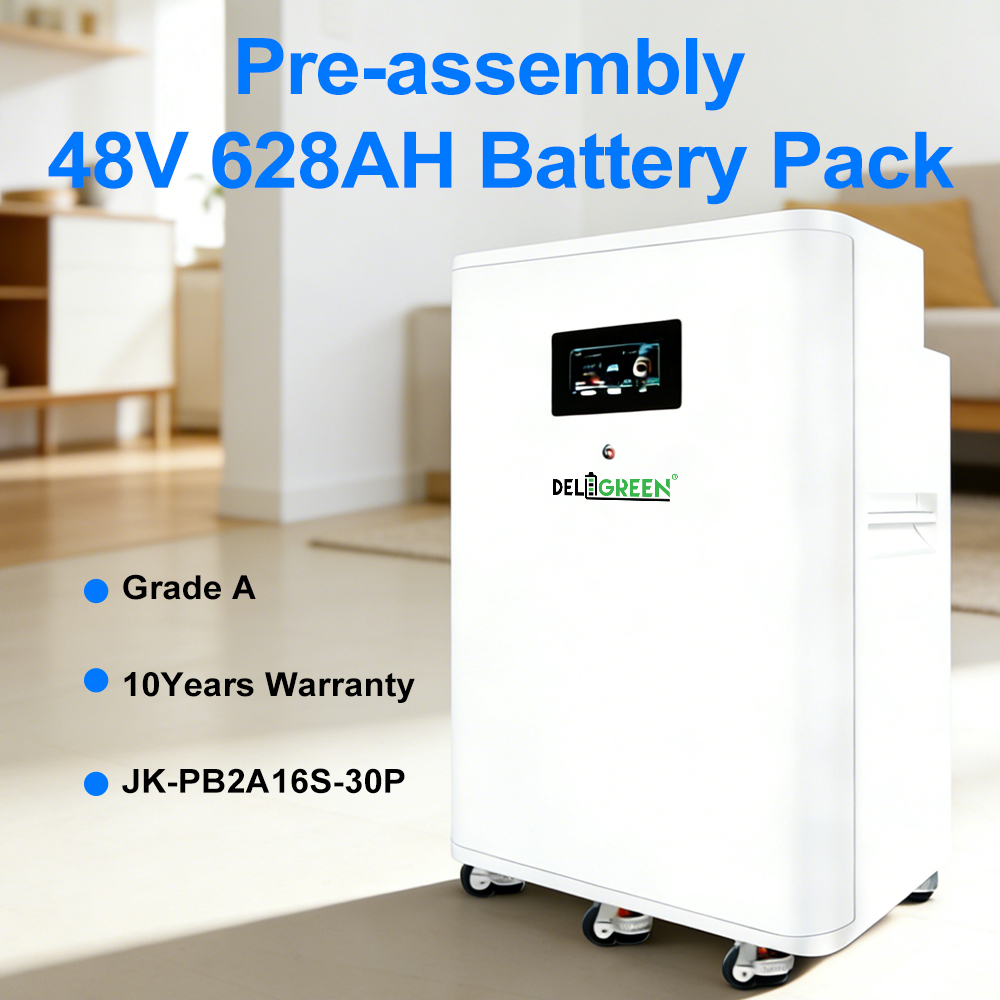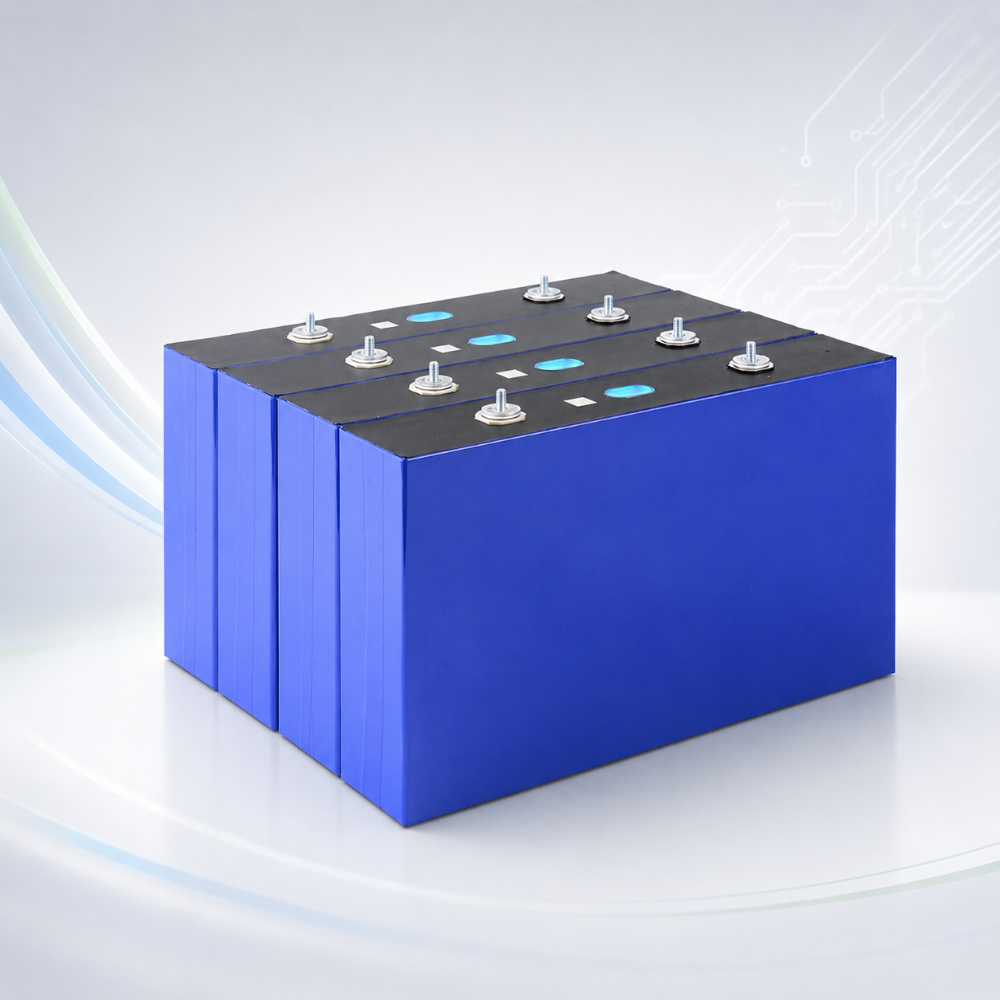
As residential solar power, commercial photovoltaics, and distributed energy projects continue to develop, solar energy storage systems have become an important solution for improving solar energy utilization. Traditional photovoltaic systems generate electricity during the day for immediate consumption or grid export. By adding energy storage batteries, surplus daytime electricity can be stored for use at night, during cloudy weather, or during grid outages. A complete solar energy storage system consists of more than a battery. It typically includes solar panels, energy storage batteries, an energy storage inverter, a Battery Management System (BMS), an Energy Management System (EMS), and power distribution and protection equipment. Energy storage solutions using lithium iron phosphate (LiFePO4) batteries offer a long cycle life, good thermal stability, and suitability for frequent charging and discharging. They can support long-term energy storage applications in homes, commercial buildings, and small industrial facilities. Different applications require different capacity and power configurations, and properly matching each component helps create a stable energy cycle between solar generation and energy storage.
What Are the Core Components of a Solar Energy Storage System?
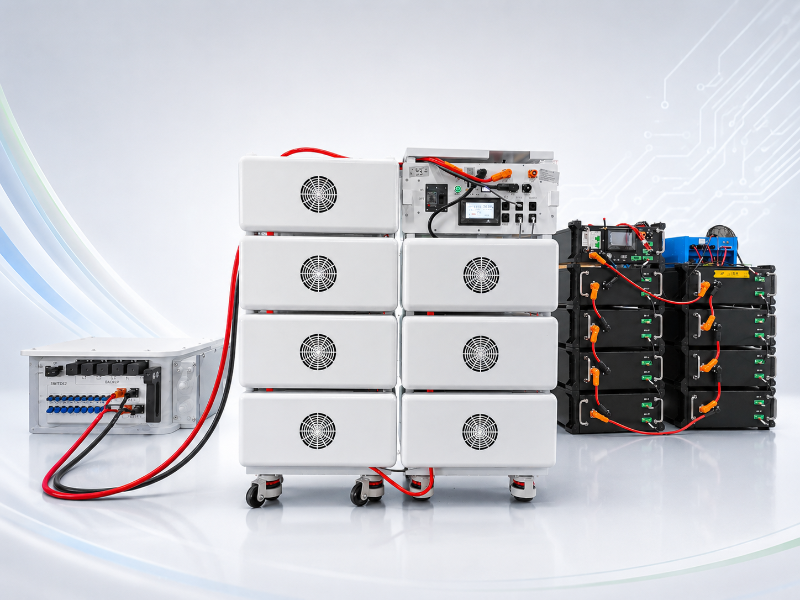
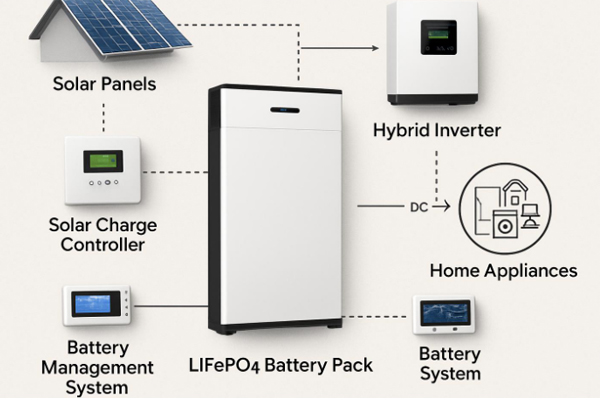
The basic structure of a solar energy storage system usually consists of solar photovoltaic panels, LiFePO4 energy storage batteries, an energy storage inverter, a BMS, an EMS, and power distribution and protection equipment. Solar panels convert sunlight into DC electricity, while the inverter handles power conversion and system control. Energy storage batteries store surplus electricity, the BMS monitors battery operating conditions, and the EMS manages energy distribution according to household loads, solar generation, battery state of charge, and grid conditions. These components are connected through electrical wiring and communication systems to create a complete energy management solution. When solar generation is high during the day, the system can supply household or building loads first and send surplus electricity to the battery for charging. At night, the stored energy can supply household loads and reduce grid electricity consumption. During a power outage, an inverter with backup output functionality can supply emergency electricity to essential loads. System structures may vary according to application requirements, but these components generally form the main hardware foundation of a solar energy storage solution.
How Should Solar Panels and Energy Storage Batteries Be Configured?
Solar panels and energy storage batteries perform different functions within a solar energy storage system, so their capacities need to be properly matched. Solar panels determine how much solar electricity can be generated each day, while the battery determines how much of that electricity can be stored. Configuration should take local sunlight conditions, available rooftop area, household electricity consumption, and nighttime loads into consideration.
- Solar Panel Capacity:Solar panel capacity can be selected according to available roof space and daily electricity consumption. If a household has relatively low daytime electricity consumption and wants to store more solar power for later use, sufficient photovoltaic capacity is required. Too few panels may make it difficult to supply household loads and charge the battery at the same time during daylight hours.
- LiFePO4 Battery Capacity:Battery capacity should be selected according to nighttime electricity consumption and desired backup duration. An average home may use 5kWh, 10kWh, or larger LiFePO4 batteries depending on actual requirements. Villas, commercial buildings, and high-consumption households may require larger modular energy storage batteries.
- Battery Charging and Discharging Power:Battery capacity is not the only factor to consider. Maximum charging and discharging power is also important. If a household uses air conditioners, water pumps, electric water heaters, or other high-power appliances, the battery’s continuous discharge capability must match the actual load. Otherwise, the system may be unable to support multiple high-power appliances simultaneously even when sufficient energy capacity is available.
- Modular Capacity Expansion:For users whose electricity requirements may increase in the future, modular LiFePO4 energy storage batteries provide greater flexibility. Additional battery modules can be added as household electricity consumption, solar capacity, or backup power requirements grow.
Properly matching solar panels with energy storage batteries can reduce wasted solar electricity, increase solar self-consumption, and improve the practical value of the energy storage system.
What Roles Do the Energy Storage Inverter and BMS Play?
The energy storage inverter is an important device connecting the solar panels, battery, grid, and household loads. It converts DC electricity into AC electricity and performs energy management and backup power functions. During the day, DC electricity generated by solar panels can be converted through the inverter to supply AC household loads, while surplus electricity can be used to charge the energy storage battery. At night or when solar generation is insufficient, DC electricity released by the battery is converted through the inverter to supply household appliances. For systems requiring backup power, an inverter with EPS or Backup output functionality can switch to battery power when the grid fails. The inverter’s rated power should match the maximum household load while also considering the starting power of equipment such as air conditioner compressors and water pumps.
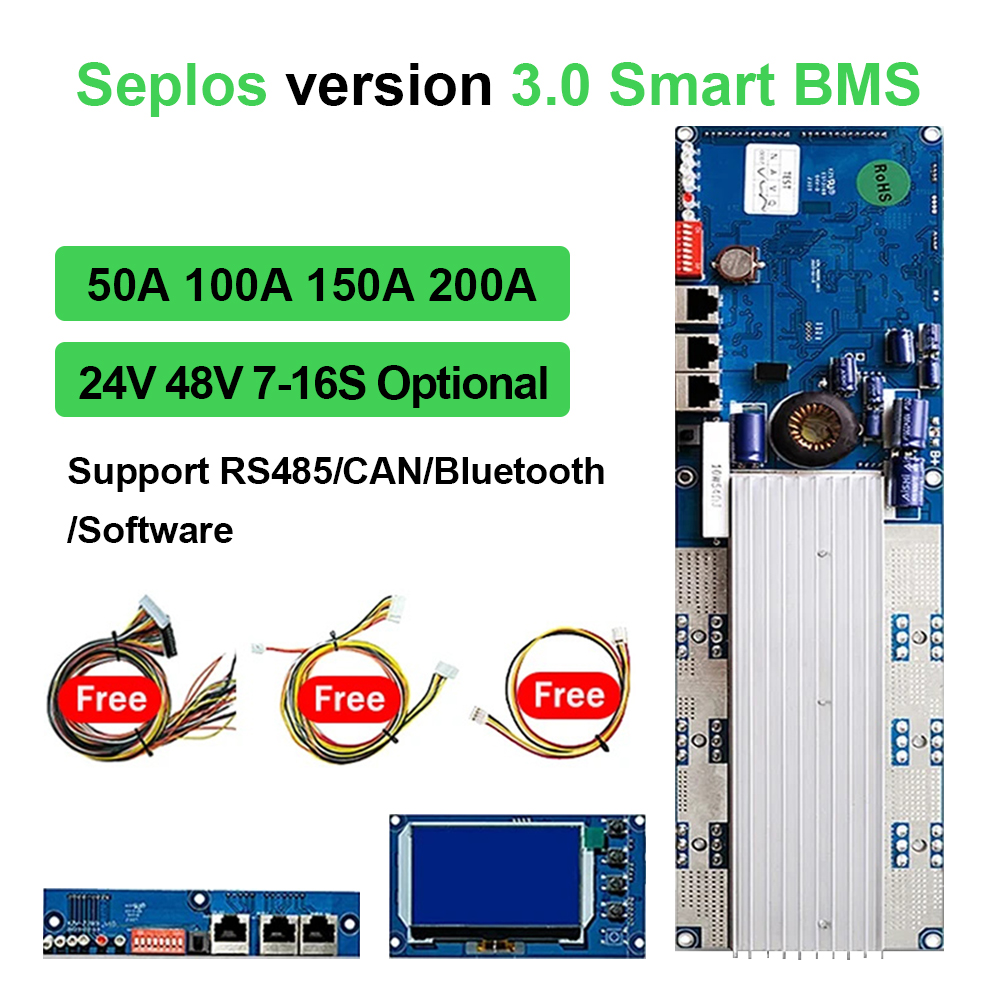
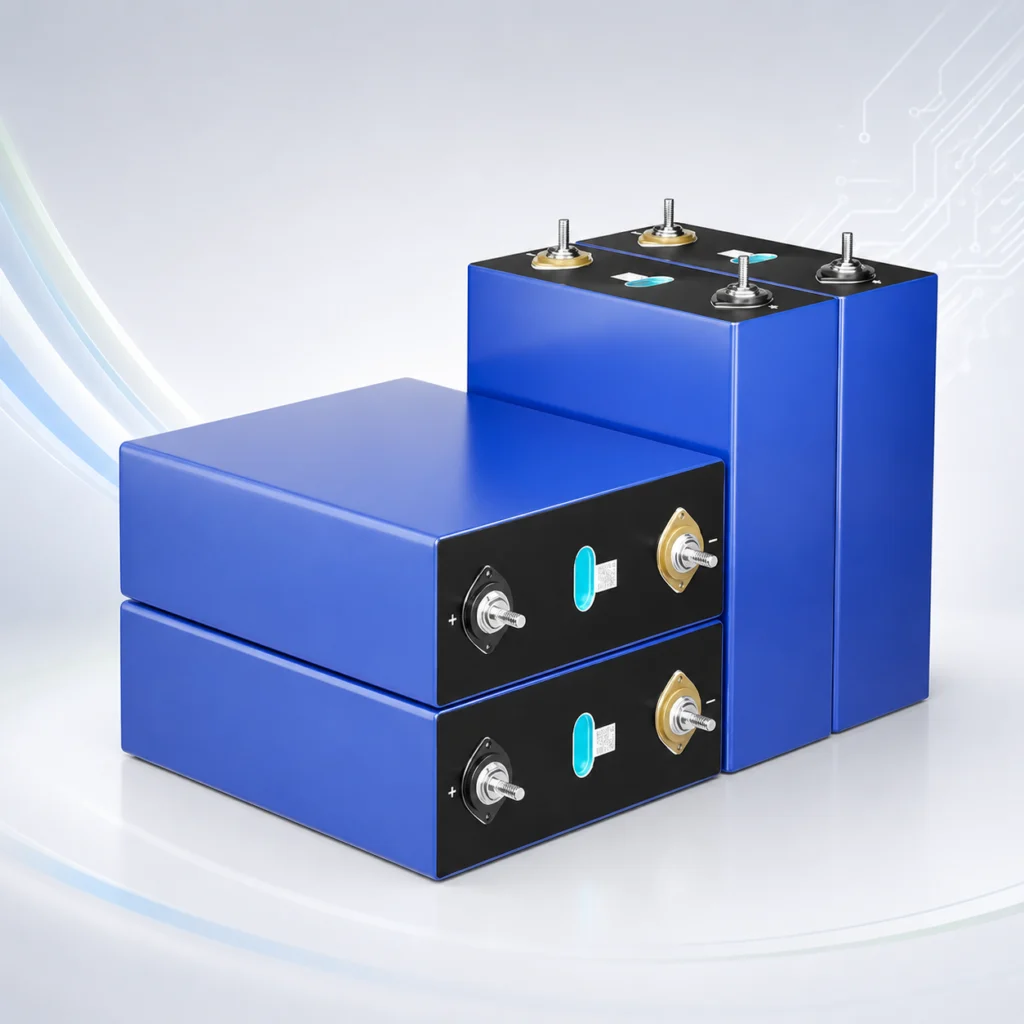
The BMS is responsible for battery management. It monitors cell voltage, total battery voltage, current, temperature, and state of charge while providing protection against overcharging, over-discharging, overcurrent, short circuits, and abnormal temperatures. For large energy storage systems using LiFePO4 cells, the BMS also helps maintain coordination between individual cells and improve battery pack consistency. The BMS and inverter can exchange information through communication protocols such as CAN or RS485, allowing the inverter to adjust charging and discharging strategies according to the actual battery condition. The inverter manages energy conversion and output control, while the BMS manages battery safety. Their coordinated operation improves the stability and reliability of solar energy storage systems.
What Are the Functions of the EMS and Power Protection Equipment?
The EMS manages solar generation, battery storage, grid power, and household loads through intelligent energy scheduling. It can adjust operating strategies according to real-time solar generation, load demand, battery SOC, and electricity prices. For example, when solar generation is sufficient during the day, the system can prioritize household loads and charge the battery with surplus electricity. At night, when solar generation stops, stored electricity can supply household loads. In areas with time-of-use electricity pricing, the EMS can control battery charging and discharging according to preset schedules to reduce grid electricity purchases during expensive periods. For residential or commercial buildings equipped with backup power functions, the EMS can also manage electricity distribution between critical and non-critical loads during a grid outage.
Power distribution and protection equipment is another essential part of a solar energy storage system. It is used for circuit connection, overcurrent protection, short-circuit protection, and equipment isolation. Depending on the electrical design, systems may include circuit breakers, fuses, isolation switches, and other protective devices. Large energy storage systems require appropriate cables, terminals, and protection equipment on both the DC and AC sides according to system parameters. Proper power distribution design can reduce cable heating and electrical fault risks while making future inspection and maintenance more convenient.
How Should You Choose a Suitable Solar Energy Storage System?
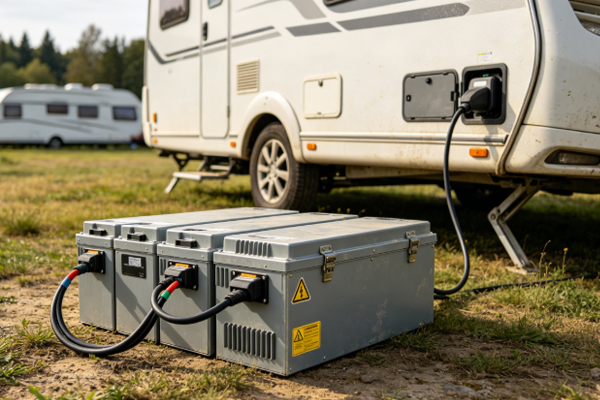
When selecting a solar energy storage system, users should consider actual electricity consumption, solar generation capacity, required backup duration, and future expansion needs. For an average home, a system consisting of LiFePO4 batteries, a hybrid inverter, and rooftop solar panels can provide an integrated solution. Solar power can be generated during the day, surplus electricity can be stored in the battery, and the stored energy can be used at night. Villas and high-consumption homes can use higher-capacity LiFePO4 batteries and high-power inverters while adding more solar panels according to load requirements. Commercial buildings can use rack-mounted or battery cabinet energy storage systems with larger capacities based on building loads and operating schedules. When selecting equipment, users should consider cell quality, cycle life, BMS protection, inverter efficiency, communication compatibility, and expansion capabilities. The system should be installed in a dry, well-ventilated, and accessible location, with electrical connections and commissioning completed according to the manufacturer’s requirements. Properly matching solar panels, LiFePO4 batteries, energy storage inverters, BMS, EMS, and power protection equipment can create a stable, efficient solar energy storage system with reliable backup power capabilities, making better use of clean energy while improving energy independence for homes and commercial facilities.