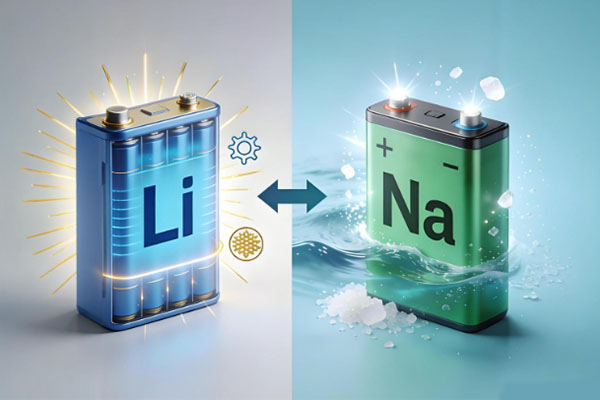
As energy storage systems, electric vehicles, and portable power applications continue to develop, the environmental performance of batteries has attracted increasing attention. Sodium-ion batteries have emerged as an important alternative to lithium-ion batteries due to the abundance of sodium resources, potentially lower material costs, and reduced dependence on certain critical minerals. But does using sodium automatically make an entire battery more environmentally friendly? Not necessarily. To evaluate the sustainability of sodium-ion batteries, it is important to consider raw materials, manufacturing, service life, and recycling throughout the battery lifecycle.
Why Are Sodium-Ion Batteries Considered More Environmentally Friendly?
Abundant Sodium Resources Can Reduce Resource Pressure
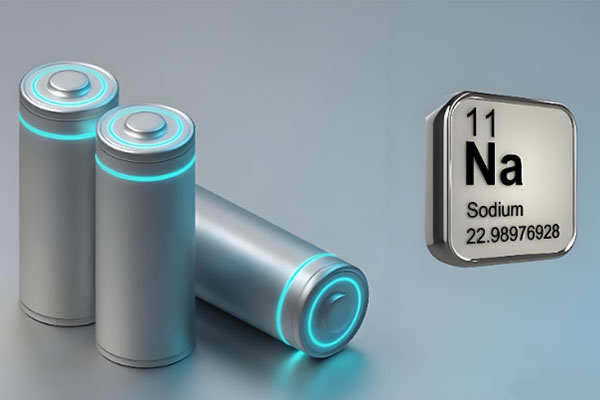
Sodium is one of the most abundant elements in nature and can be sourced from a wide range of materials. Seawater also contains large amounts of sodium. Compared with lithium, nickel, and cobalt, some of which have geographically concentrated resources and supply chains, sodium offers significant advantages in terms of resource availability.
Recent lifecycle studies indicate that battery technologies based on abundant elements have the potential to reduce pressure on scarce mineral resources. Therefore, sodium-ion batteries may provide a more sustainable material option as battery demand continues to grow.
Potentially Lower Dependence on Certain Critical Metals
Some sodium-ion battery chemistries can reduce or avoid the use of materials such as cobalt and nickel. However, the environmental impact varies depending on the specific cathode and anode chemistry used.
For this reason, it is not accurate to assume that every sodium-ion battery has the same environmental performance. The complete material system must be considered when evaluating sustainability.
Are Sodium-Ion Batteries Really Low-Carbon to Manufacture?
Battery Manufacturing Still Requires Energy
Sodium-ion battery production involves multiple processes, including material preparation, electrode manufacturing, cell assembly, formation, and quality testing. Each stage consumes energy, meaning sodium-ion batteries cannot be considered completely carbon-free products.
Lifecycle studies show that greenhouse gas emissions vary considerably depending on battery chemistry and manufacturing conditions. Under certain assumptions, some sodium-ion battery systems can achieve lower lifecycle greenhouse gas emissions than conventional lithium-ion batteries.
Anode and Cathode Materials Still Matter
Hard carbon is one of the most widely studied anode materials for sodium-ion batteries. However, producing hard carbon also requires energy, particularly during carbonization.
Using biomass waste or other renewable feedstocks to produce hard carbon may provide an opportunity to reduce the environmental impact of sodium-ion battery manufacturing. Optimizing material preparation and production processes can further improve overall sustainability.
The Use Phase Determines the Actual Environmental Value
Energy Density Cannot Be Ignored
Compared with some mature lithium-ion battery technologies, sodium-ion batteries currently have limitations in energy density. For applications where weight and volume are critical, more battery materials may be required to provide the same amount of stored energy.
Therefore, battery sustainability should not be evaluated only by comparing emissions per kilogram of battery. The amount of useful energy delivered throughout the battery’s service life should also be considered.
Cycle Life Is Equally Important
The longer a battery can operate reliably through repeated charge and discharge cycles, the more effectively its manufacturing-related environmental impact can be distributed over its useful life.
Cycle life and charging/discharging efficiency are therefore important factors when assessing the environmental performance of sodium-ion batteries. For energy storage applications, sodium-ion batteries with long cycle life can potentially provide greater long-term environmental benefits.
Are Sodium-Ion Batteries More Environmentally Friendly to Recycle?
Recycling Systems Are Still Developing
Sodium-ion batteries should not simply be discarded after use. Their metals, electrode materials, electrolytes, and other components require proper treatment and recycling.
However, sodium-ion battery recycling faces a practical challenge. Some materials recovered from used sodium-ion batteries may have lower economic value than the high-value metals found in certain lithium-ion batteries. This can reduce the financial incentive for recycling companies to process sodium-ion battery waste.
Developing low-cost, efficient, and scalable recycling technologies will therefore be an important part of making sodium-ion batteries more sustainable.
Recycling Should Be Considered at the Design Stage
A truly sustainable sodium-ion battery should be designed with recycling in mind from the beginning. Battery manufacturers can consider material recovery, disassembly efficiency, and component reuse during product development.
Improving material recovery rates can reduce demand for virgin resources and help lower the environmental impact of the entire battery lifecycle.
How Should We Understand the Environmental Advantages of Sodium-Ion Batteries?
“More Environmentally Friendly” Is Not an Absolute Conclusion
The environmental advantages of sodium-ion batteries mainly come from the abundance of sodium resources and their potential to reduce dependence on certain critical minerals. However, their actual environmental performance is also affected by battery chemistry, manufacturing processes, electricity sources, cycle life, and recycling methods.
Therefore, a more accurate conclusion is that sodium-ion batteries have the potential to achieve a lower environmental impact, rather than being inherently more environmentally friendly than every lithium-ion battery.
The Application Scenario Also Matters
For energy storage systems, grid applications, portable power stations, and low-speed electric vehicles, factors such as cost, cycle life, safety, temperature performance, and resource availability all need to be considered.
For large-scale energy storage, sodium-ion batteries have the potential to compete with lithium-ion batteries from an environmental perspective. However, the overall environmental impact of an energy storage system also depends on supporting components such as transformers, steel structures, copper materials, and thermal management systems.
The environmental advantages of sodium-ion batteries are mainly associated with abundant sodium resources, reduced dependence on certain critical minerals, and the potential for further improvements in battery materials and manufacturing processes. However, a complete lifecycle assessment must also consider manufacturing energy consumption, energy density, cycle life, and recycling.For businesses purchasing batteries or developing energy storage projects, it is better to look beyond the simple question of whether sodium-ion batteries are environmentally friendly. Key factors such as battery chemistry, energy density, cycle life, BMS configuration, cell quality, manufacturing energy sources, and recycling solutions should all be evaluated.Only by considering these factors together can businesses accurately assess the long-term environmental value of sodium-ion batteries and select a battery solution that balances performance, cost, sustainability, and application requirements.