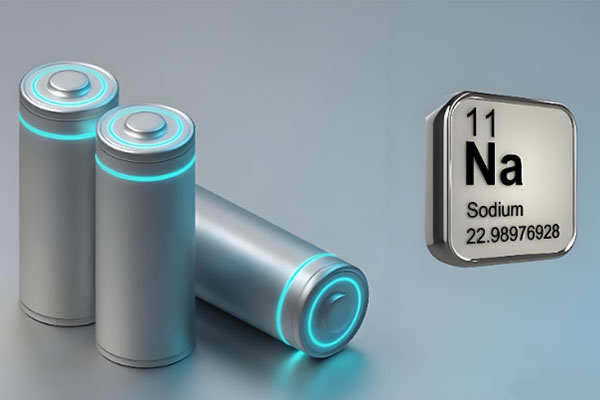
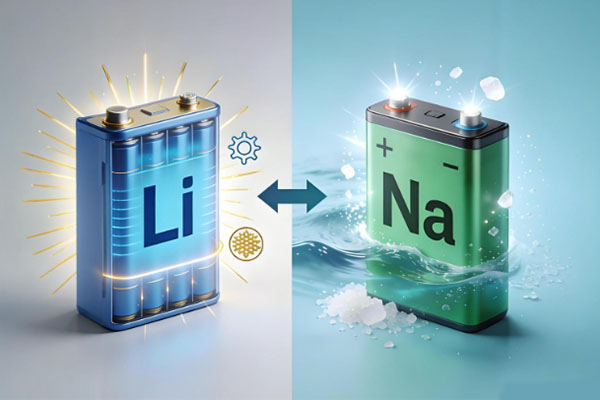
With the rapid development of new energy vehicles, energy storage systems, portable power stations, and electric transportation, lithium-ion batteries have become one of the dominant battery technologies worldwide. In recent years, however, sodium-ion batteries have attracted increasing attention because of their abundant raw materials, cost potential, and promising low-temperature performance. So, will sodium-ion batteries replace lithium-ion batteries in the future? Based on current technology and application requirements, the two technologies are more likely to coexist and complement each other rather than one completely replacing the other.
Why Are Sodium-Ion Batteries Attracting Attention?
Abundant Sodium Resources
Although lithium resources can currently support a large part of battery demand, the rapid expansion of energy storage and electric vehicle markets has increased concerns about raw material supply and price fluctuations. Sodium is widely distributed in nature and is available from a variety of sources.
Sodium-ion batteries use sodium ions as charge carriers, giving them potential advantages in terms of resource availability. This is one of the key reasons why sodium-ion technology is being considered an important option for next-generation electrochemical energy storage.
Lower Dependence on Certain Critical Materials
Different sodium-ion battery chemistries use different cathode and anode materials. Some technology routes can reduce dependence on materials such as nickel and cobalt.
For energy storage projects that prioritize stable material supply and cost control, this characteristic can be attractive. However, sodium-ion batteries do not completely eliminate the need for lithium, nickel, cobalt, or other materials. The exact material requirements depend on the battery chemistry and manufacturing process.
What Are the Differences Between Sodium-Ion and Lithium-Ion Batteries?
Differences in Energy Density
Energy density is an important factor determining where a battery can be used. Mature lithium-ion battery technologies currently maintain an advantage in energy density. For electric vehicles, aerospace equipment, and portable devices where weight is critical, higher energy density allows more energy to be stored within a limited space and weight.
Sodium-ion battery energy density continues to improve, but some applications may require a larger battery pack to achieve the same storage capacity as a lithium-ion system.
Potential Advantages in Low-Temperature Conditions
Low temperatures can affect battery charging and discharging performance. Some sodium-ion battery chemistries have demonstrated promising performance under low-temperature conditions, creating potential opportunities in cold-climate energy storage, outdoor power equipment, and certain electric vehicles.
Actual low-temperature performance depends on factors such as electrode materials, electrolyte formulation, BMS configuration, and overall battery system design. Battery chemistry alone cannot determine the final performance.
Cost and Supply Chain Potential
The abundance of sodium gives sodium-ion batteries potential advantages in terms of raw material availability. As production scales up and material systems and manufacturing processes continue to improve, sodium-ion battery costs may have further room to decline.
Where Could Sodium-Ion Batteries Be Used in the Future?
Large-Scale Energy Storage
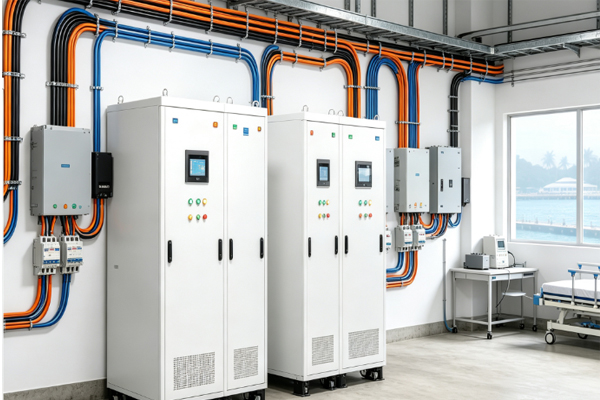
Grid-scale energy storage, commercial and industrial energy storage, and renewable energy storage systems are generally less sensitive to battery weight than electric vehicles. This gives sodium-ion batteries considerable potential in these applications.
For these systems, cost, cycle life, safety, low-temperature performance, and supply chain stability can be more important than achieving extremely high energy density.
Electric Two-Wheelers and Low-Speed Vehicles
Electric two-wheelers and low-speed vehicles generally have more moderate energy density requirements while placing greater emphasis on cost, safety, and service life. Sodium-ion batteries may therefore find new opportunities in these markets.
Portable Power and Backup Power Systems
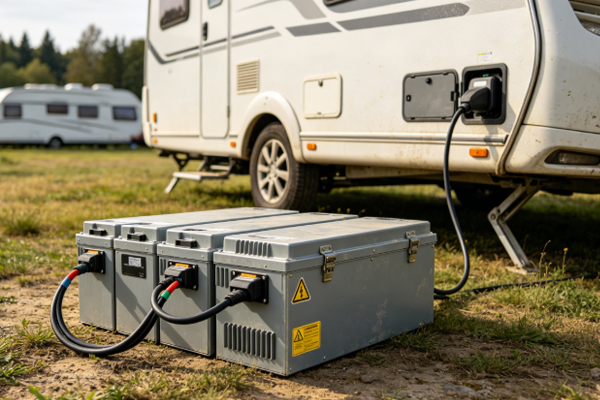
Portable power stations, telecommunications backup systems, and residential energy storage products need to balance safety, reliability, cycle life, and environmental adaptability.
As sodium-ion battery supply chains and manufacturing technologies mature, these applications may become important markets for sodium-ion battery technology.
Will Sodium-Ion Batteries Completely Replace Lithium-Ion Batteries?
The Two Technologies Have Different Advantages
Based on current development trends, sodium-ion and lithium-ion batteries are more likely to complement each other. Lithium-ion batteries have strong advantages in energy density, industrial maturity, and large-scale commercialization. Sodium-ion batteries, meanwhile, may offer advantages related to resource availability, cost potential, and performance in certain operating environments.
As a result, different battery technologies are likely to serve different application requirements.
Application Requirements Will Determine Battery Selection
There is no single battery technology that is ideal for every application. For electric vehicles, driving range and battery weight may be major considerations. For stationary energy storage, cost, cycle life, safety, and system reliability may be more important.
When selecting a battery solution, businesses should consider capacity, voltage, cycle life, energy density, operating temperature, BMS configuration, safety requirements, and total system cost.
Future Development Directions for Sodium-Ion Batteries
Improving Energy Density
Increasing the specific capacity of cathode and anode materials while optimizing cell structures will be important for expanding the application range of sodium-ion batteries.
Extending Cycle Life
Improving electrode materials, electrolyte formulations, and interface technologies can enhance cycling stability and make sodium-ion batteries more suitable for long-term energy storage applications.
Scaling Up Manufacturing
As cell manufacturing equipment, material supply chains, and BMS technologies become more mature, sodium-ion batteries may achieve lower manufacturing costs and improved product consistency through economies of scale.
Whether sodium-ion batteries will replace lithium-ion batteries in the future cannot be answered simply with “yes” or “no.” Based on current technological characteristics and market requirements, a more realistic development path is that sodium-ion and lithium-ion batteries will coexist and complement each other, with each technology serving applications where its characteristics are most suitable.
Sodium-ion batteries have considerable potential in areas such as energy storage, electric two-wheelers, portable power stations, and backup power systems. Lithium-ion batteries, meanwhile, remain highly valuable for applications requiring high energy density.
As material technologies, BMS solutions, cell manufacturing processes, and battery recycling systems continue to advance, the future battery market is likely to become more diverse, with multiple technologies serving different energy storage and transportation needs.