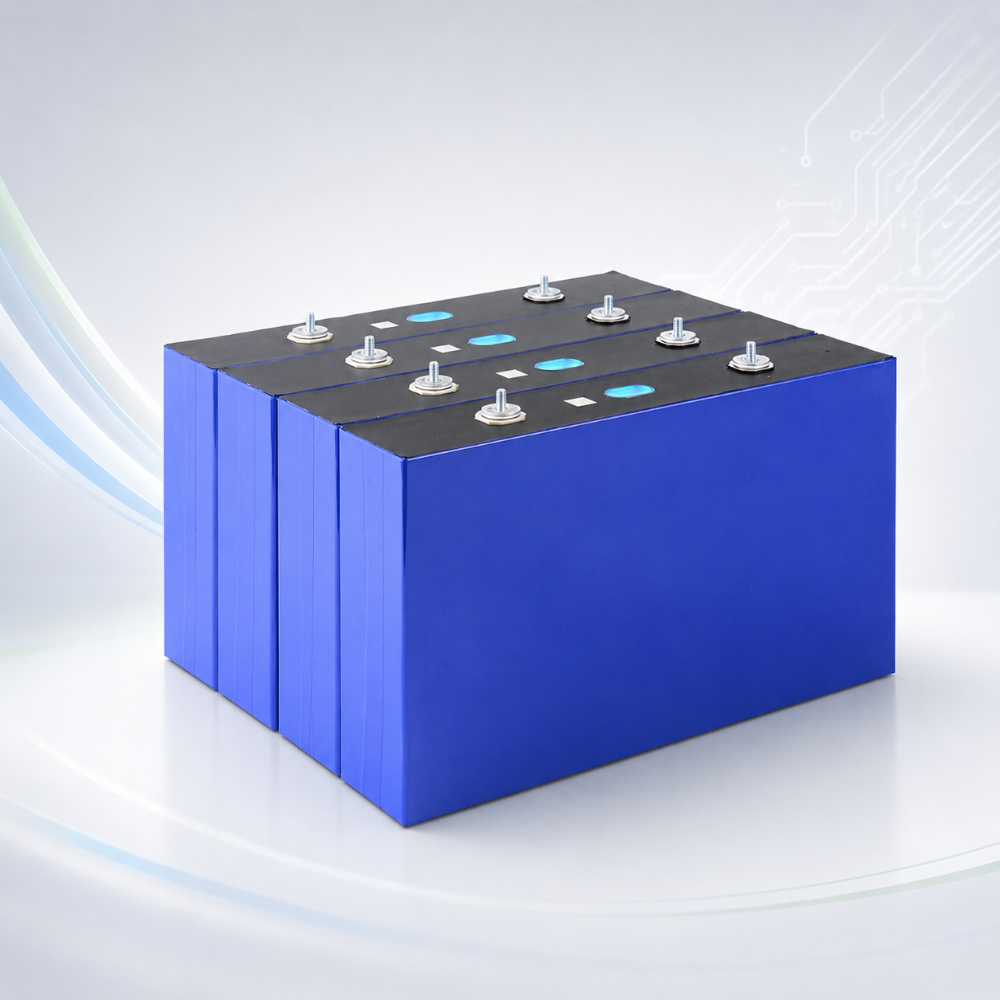
As solar power technology continues to develop, photovoltaic energy storage systems have evolved from simple power generation equipment into important energy solutions for homes, commercial buildings, industrial parks, and remote areas. Solar panels convert sunlight into electricity, while energy storage batteries preserve surplus power generated during the day for use at night, during cloudy weather, or during grid outages. Photovoltaic energy storage systems using lithium iron phosphate (LiFePO4) batteries offer a long cycle life, good thermal stability, and suitability for frequent charging and discharging, making them valuable for applications requiring long-term energy storage and reliable power supply. By integrating energy storage inverters, Battery Management Systems (BMS), and Energy Management Systems (EMS), photovoltaic power generation can evolve from immediate consumption into a complete energy system combining generation, storage, distribution, and backup power. Different applications have different requirements for battery capacity, output power, backup duration, and system expansion, so the storage configuration should be designed according to actual electricity loads.
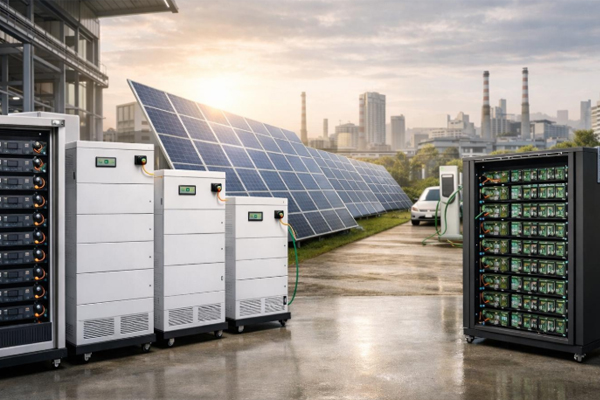
Photovoltaic Energy Storage Applications in Residential Homes
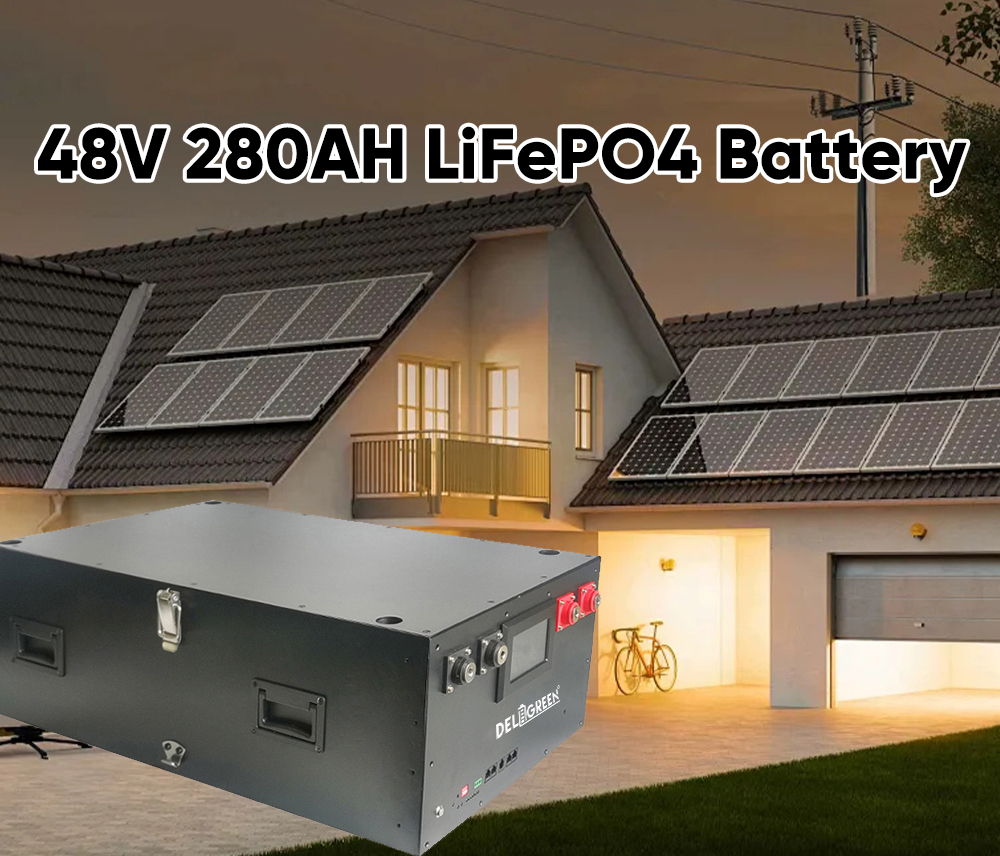
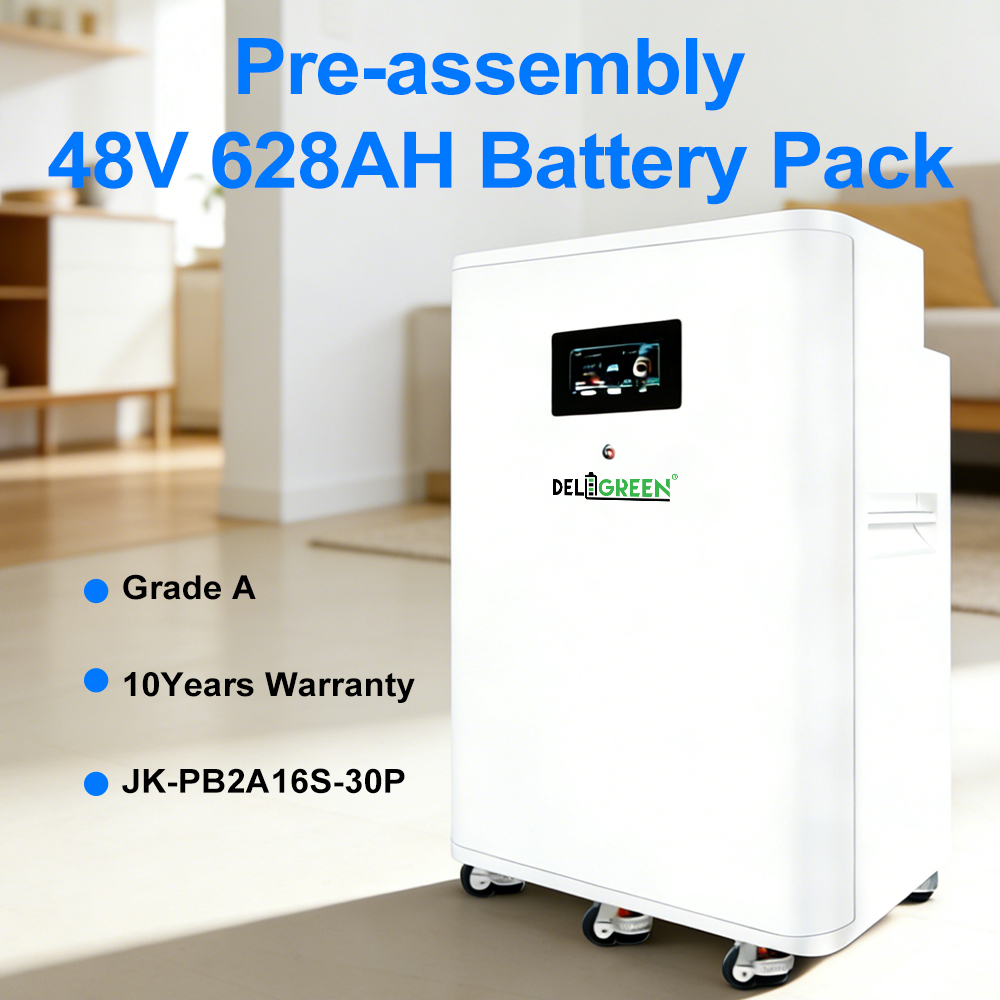
Residential properties are one of the most common applications for photovoltaic energy storage systems. After rooftop solar panels are installed, solar generation is generally high during the daytime, while household electricity demand may be concentrated in the morning and evening. Without an energy storage system, some surplus solar electricity may not be fully utilized within the home. By installing LiFePO4 energy storage batteries, surplus daytime electricity can be stored and used at night to power lighting, refrigerators, televisions, air conditioners, networking equipment, and other household loads, increasing the self-consumption rate of solar energy. Homes with air conditioners, electric water heaters, kitchen appliances, and EV charging equipment can increase battery capacity and inverter power according to actual electricity demand. When a grid failure occurs, a photovoltaic energy storage system with backup output functionality can also provide emergency electricity for essential household equipment. Wall-mounted, rack-mounted, and battery cabinet LiFePO4 systems can be selected according to available residential space. Villas and large homes can also use modular battery systems that allow capacity to be expanded as future electricity consumption increases.
Applications in Commercial Buildings and Public Facilities
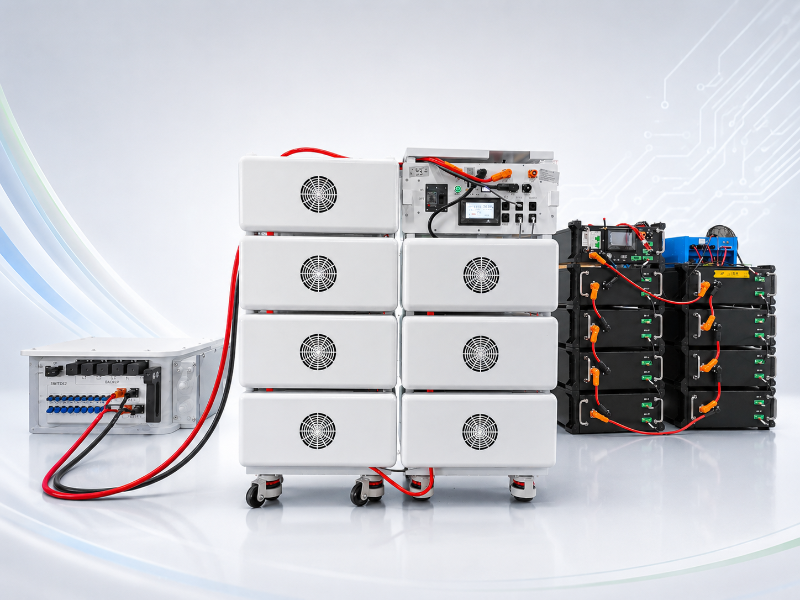
Commercial buildings often have high daytime electricity consumption. Office buildings, shopping centers, hotels, restaurants, schools, and medical facilities may continuously operate lighting, air conditioning, elevators, servers, and other equipment. Solar systems can generate electricity using rooftop areas or solar parking structures, while energy storage batteries can charge when photovoltaic generation is high and discharge according to building load requirements. Through an Energy Management System, charging and discharging strategies can be adjusted according to real-time load, battery SOC, and electricity prices. During periods of high electricity prices, stored energy can be used to reduce peak grid electricity purchases. For hotels, office buildings, data rooms, and other facilities requiring reliable power, LiFePO4 energy storage systems can also function as backup power sources for important equipment. Commercial energy storage projects generally require larger battery capacities and higher inverter power, making rack-mounted batteries and energy storage cabinets suitable for these installation environments. With proper configuration, photovoltaic generation, energy storage, and building loads can form a more flexible energy management system.
Photovoltaic Energy Storage Applications in Industrial Parks and Manufacturing
Industrial facilities operate large numbers of production machines, compressors, fans, pumps, and automated equipment, many of which require continuous electricity. Industrial parks often have substantial electricity loads and noticeable differences between peak and off-peak periods. Photovoltaic energy storage systems can therefore support peak-load management and backup power. During the day, solar panels can supply production equipment directly, while surplus electricity can be stored in LiFePO4 batteries. When solar generation decreases or electricity demand reaches a peak, the batteries can release stored energy according to the energy management strategy, reducing dependence on grid electricity.
- Peak Load Management in Industrial Parks:Industrial companies can establish energy storage schedules according to local time-of-use electricity pricing. Batteries can charge during lower-cost periods and discharge during higher-cost periods. Proper charging and discharging schedules can reduce grid electricity purchases during peak periods and improve energy management efficiency.
- Backup Power for Production Equipment:Some production equipment requires continuous power, and unexpected outages may cause production interruptions, equipment shutdowns, or data loss. An energy storage system can provide backup electricity for critical production equipment, control systems, communication devices, and safety facilities.
- Centralized Energy Management:Large industrial parks can connect multiple photovoltaic arrays, energy storage batteries, and electrical loads to a centralized energy management platform. Real-time generation and consumption data can then be used to coordinate energy distribution and improve overall system efficiency.
- Combining photovoltaic generation with energy storage allows industrial companies to increase renewable energy utilization while improving the flexibility and reliability of their electricity supply.
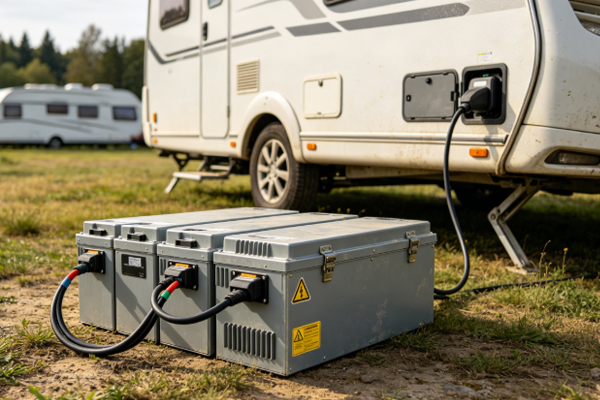
- Applications in Remote and Off-Grid Locations:In areas with limited grid coverage, high transmission costs, or unreliable access to the public grid, photovoltaic energy storage systems can serve as independent power solutions. Solar energy resources are widely available, and photovoltaic panels, LiFePO4 batteries, and off-grid inverters can be combined to create independent energy systems. During the day, solar panels generate electricity while simultaneously supplying loads and charging the batteries. At night, when solar generation stops, the batteries release stored energy to power lighting, communication systems, monitoring equipment, water pumps, and household appliances. These systems are suitable for remote homes, agricultural and pastoral areas, communication base stations, outdoor monitoring systems, field workstations, and temporary facilities.
- Independent Power for Remote Homes:For homes without reliable grid access, photovoltaic panels can serve as the primary generation source while LiFePO4 batteries store sufficient electricity for later use, reducing dependence on traditional energy equipment such as diesel generators.
- Communication Base Stations and Monitoring Equipment:Communication base stations and remote monitoring equipment often need to operate continuously. Photovoltaic systems can provide energy during daylight hours, while energy storage batteries provide electricity at night and during adverse weather conditions, improving operational reliability.
- Agricultural and Outdoor Equipment:Agricultural irrigation pumps, livestock equipment, greenhouse control systems, and outdoor lighting can also use photovoltaic energy storage systems. Battery capacity can be selected according to equipment power and operating schedules, reducing grid installation costs and improving energy availability in remote locations.
Off-grid photovoltaic energy storage systems provide independent power generation capabilities, making them suitable for locations where grid infrastructure is limited or independent energy supply is required.
How Should Photovoltaic Energy Storage Systems Be Configured for Different Applications?
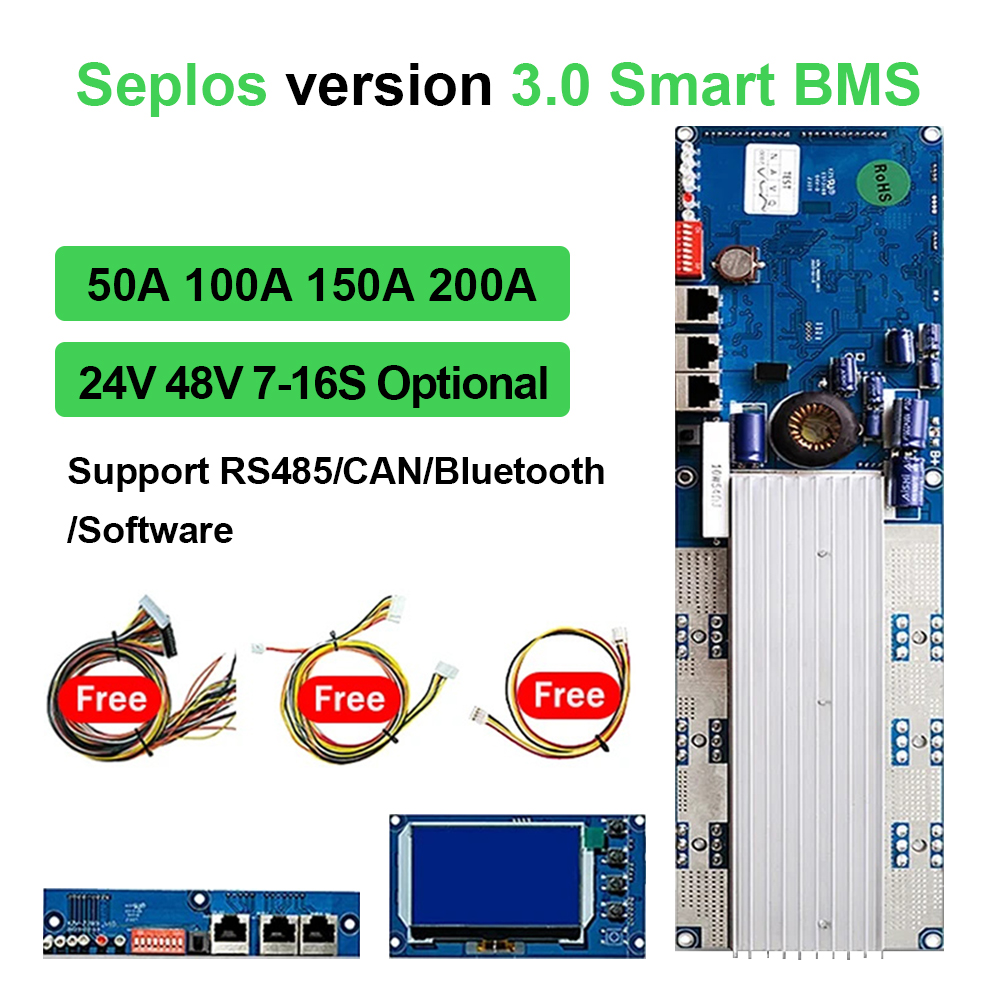
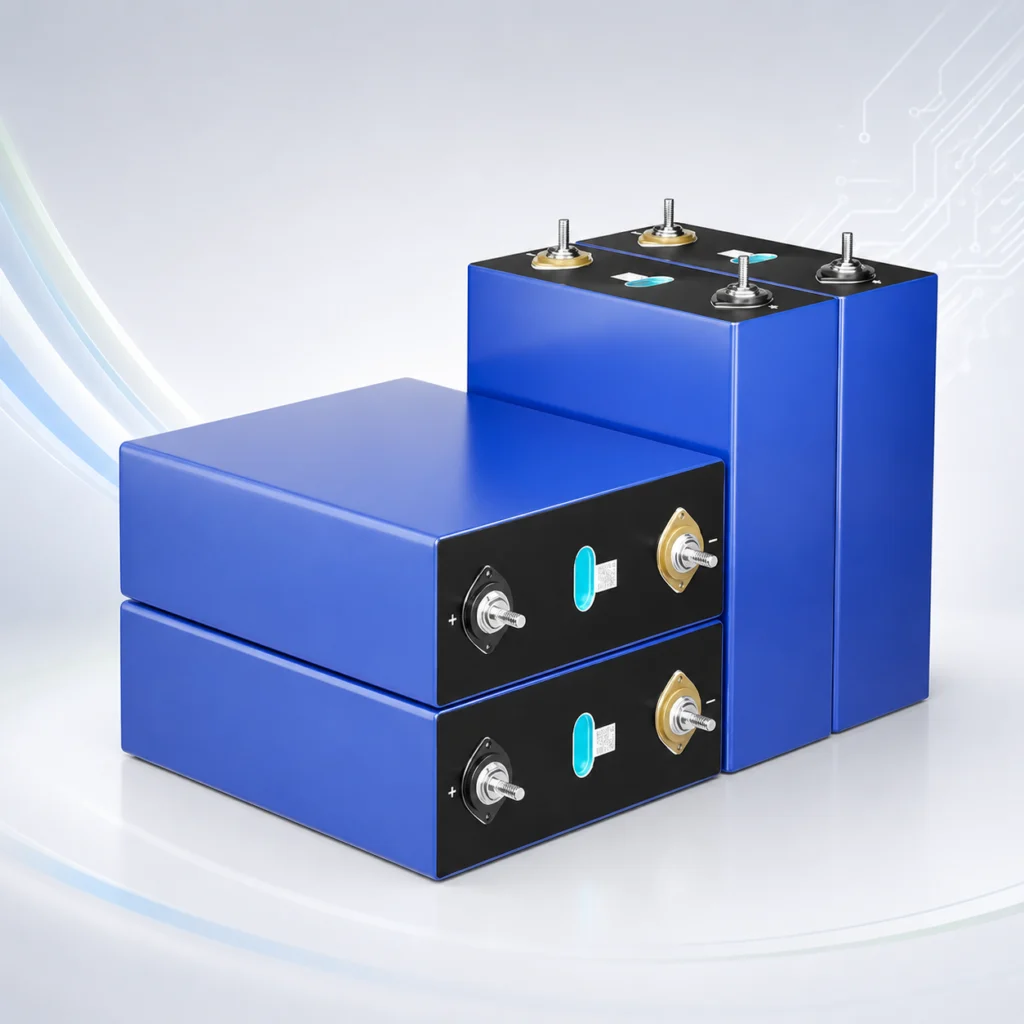
Different applications have different requirements for battery capacity, output power, and control strategies, so equipment selection should be based on actual electrical loads. Residential systems can use 5kWh to 30kWh or larger LiFePO4 batteries, with inverter capacity selected according to loads such as air conditioners, electric water heaters, and EV chargers. Commercial buildings generally require larger storage capacities to support long-term operation of air conditioning, lighting, elevators, and office equipment. Industrial parks need to consider maximum loads, time-of-use electricity pricing, continuous operating periods, and future expansion capabilities. High-voltage LiFePO4 batteries and larger energy storage power conversion equipment may be suitable for larger industrial applications. Off-grid systems should determine battery capacity according to local solar conditions, consecutive cloudy days, load power, and required backup duration to ensure reliable operation when solar generation is insufficient. When selecting LiFePO4 energy storage batteries, users should also consider cell consistency, cycle life, maximum charging and discharging current, BMS protection functions, and communication compatibility with the inverter. By properly integrating photovoltaic panels, energy storage batteries, inverters, BMS, and EMS equipment, solar generation can evolve from simple immediate power supply into a storable, dispatchable, and reliable energy system, providing efficient clean energy support for homes, commercial buildings, industrial parks, and remote locations.