When purchasing a lithium battery, many users have the same question: Is a higher battery voltage always better? Lithium batteries on the market come in different voltage levels, such as 12V, 24V, and 48V. Although they may only look different in numbers, they are designed for different applications and have different performance characteristics. Some people believe that a 48V battery must be stronger and last longer than a 12V battery, but this is not always true. Battery voltage is only one part of battery performance. Actual performance also depends on capacity, cell quality, discharge capability, and compatibility with the equipment. With LiFePO4 batteries becoming increasingly popular in energy storage and electric vehicle applications, choosing the right battery voltage is more important than simply selecting the highest voltage.
What Does Battery Voltage Represent?
Battery voltage mainly represents the output level of a battery system. Different voltage levels are designed for different equipment requirements. Simply put, voltage determines how electrical energy is delivered, but it does not directly represent battery quality or overall performance. When choosing a battery, users need to consider the equipment power requirements and operating environment.
- Battery voltage represents the rated voltage level.
- Higher voltage is suitable for higher-power equipment.
- Battery voltage needs to match the equipment system.
Many users assume that a higher-voltage battery stores more energy, but voltage and capacity are two different concepts. Voltage determines output capability, while capacity determines how long the battery can operate. A 48V battery is not necessarily larger in capacity than a 12V battery; it is simply designed for applications that require a higher voltage platform.
What Are the Advantages of High-Voltage Lithium Batteries?
Although higher voltage does not always mean better performance, high-voltage batteries do offer certain advantages in some applications. Especially in home energy storage, solar power systems, and high-power equipment, higher-voltage solutions can improve overall system efficiency.
- Reduce the operating current of equipment.
- Lower power loss in wiring.
- Suitable for long-term power supply needs.
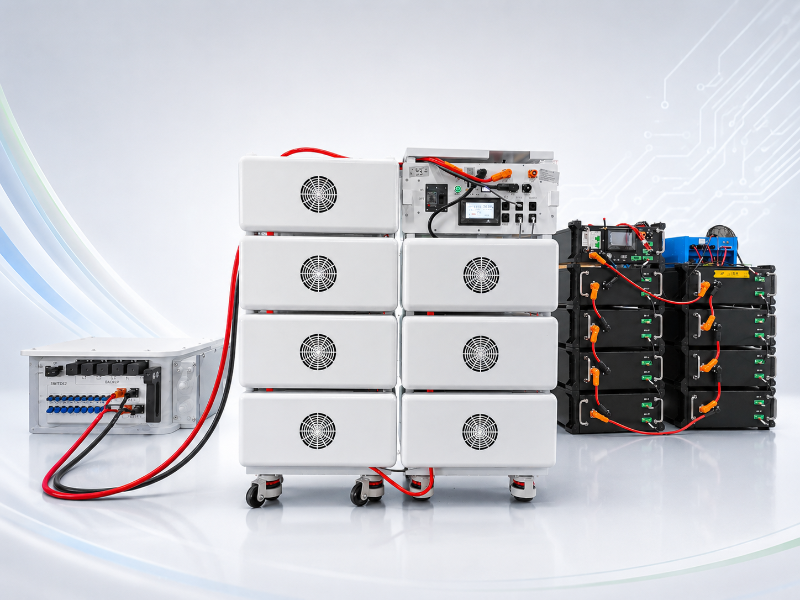
- Make it easier to expand larger energy storage systems.
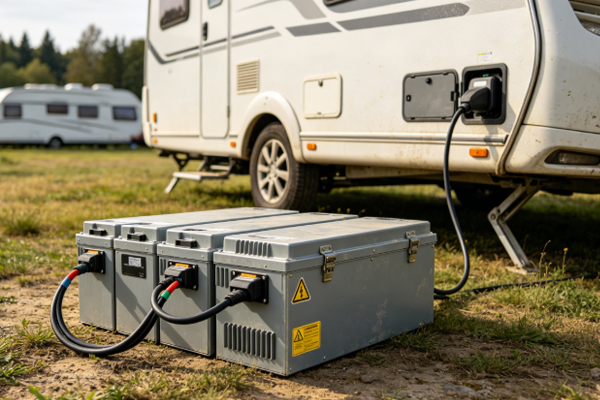
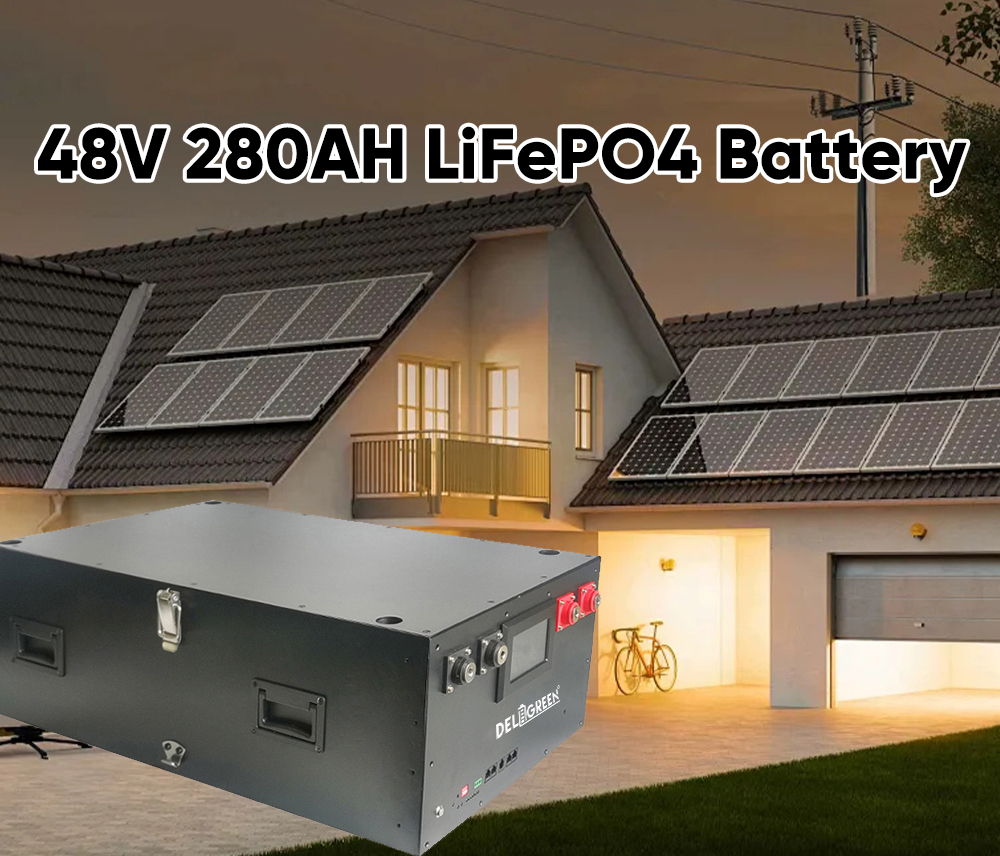
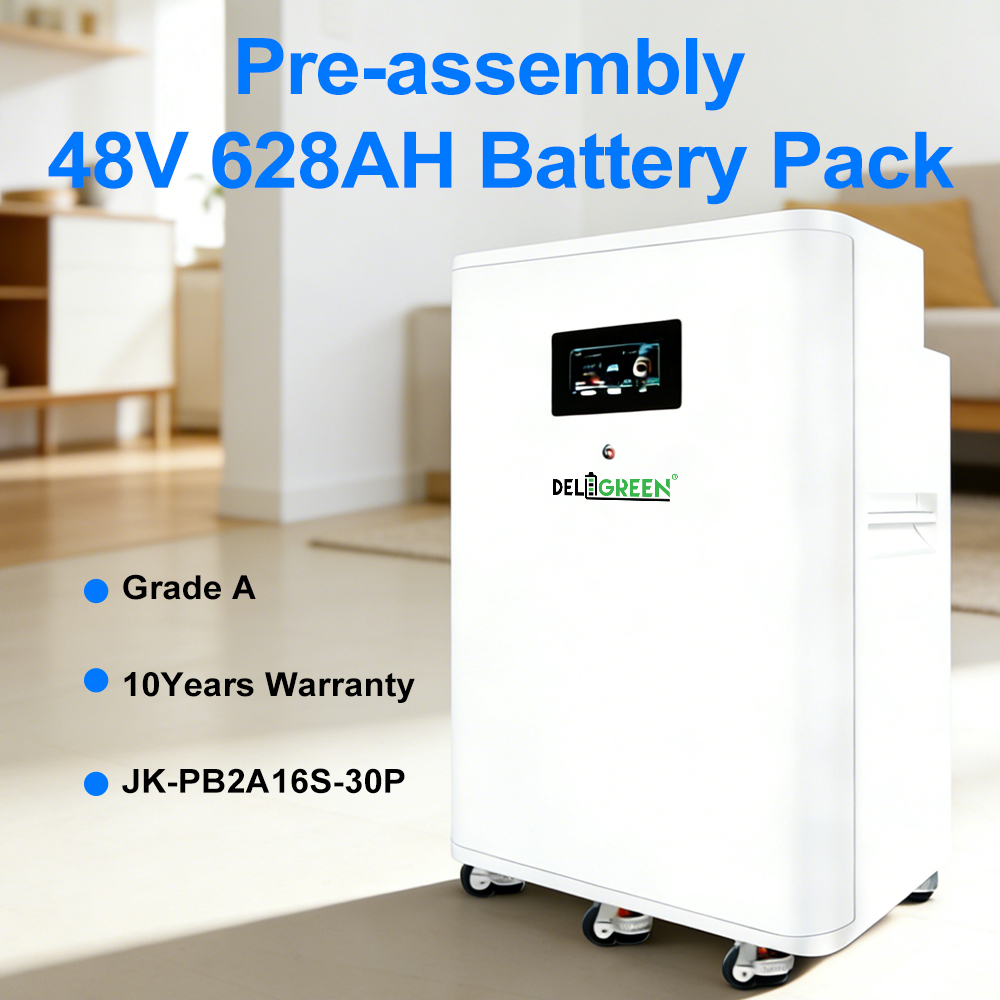
A 48V LiFePO4 battery is commonly used in home energy storage systems because the higher voltage can reduce operating current under the same power output, lowering stress on wiring and improving efficiency. However, high-voltage systems require compatible inverters, controllers, and chargers. If the voltage does not match, even a high-quality battery may not perform properly.
Battery Performance Depends on More Than Voltage
When judging whether a lithium battery is good or not, battery voltage should not be the only factor considered. In real applications, many other factors affect battery performance. Even two batteries with the same voltage can have significant differences in lifespan and stability.
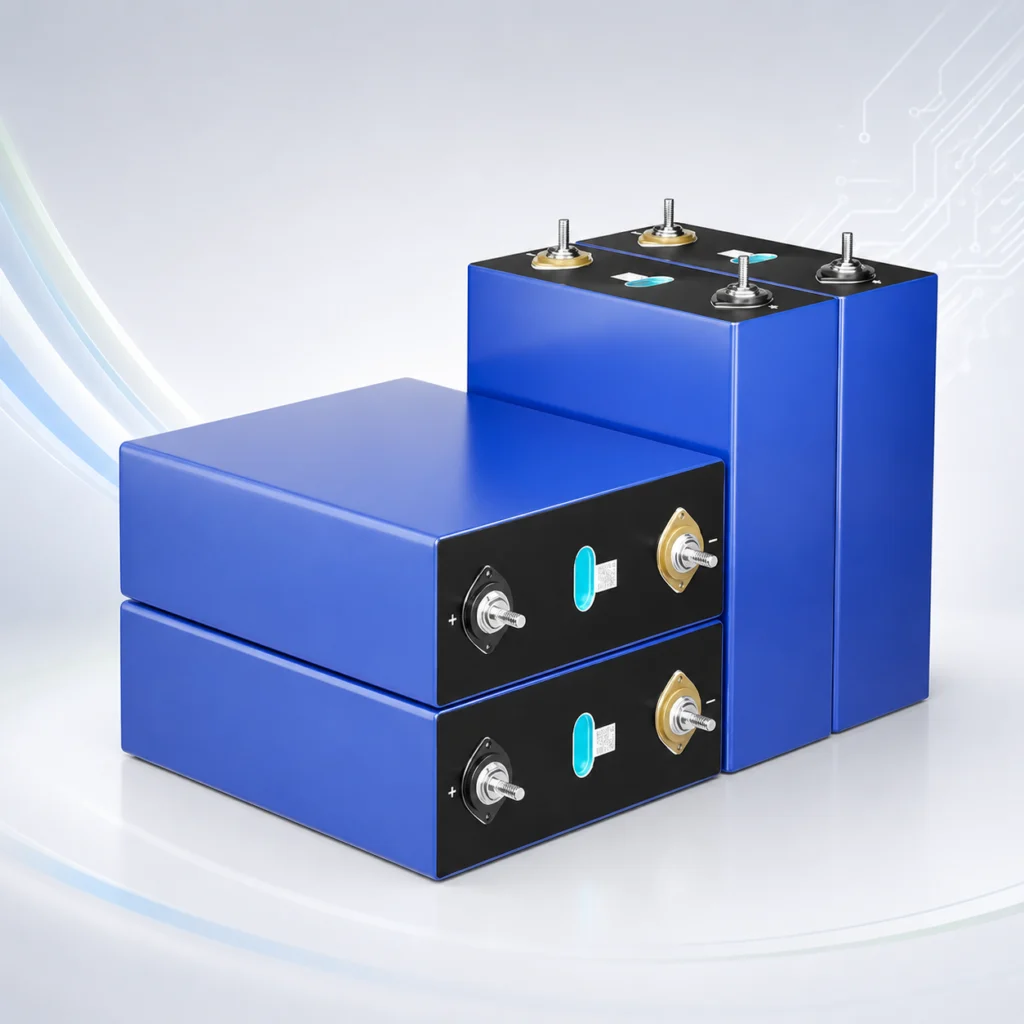
- Cell quality affects battery stability.
- Capacity affects operating time.
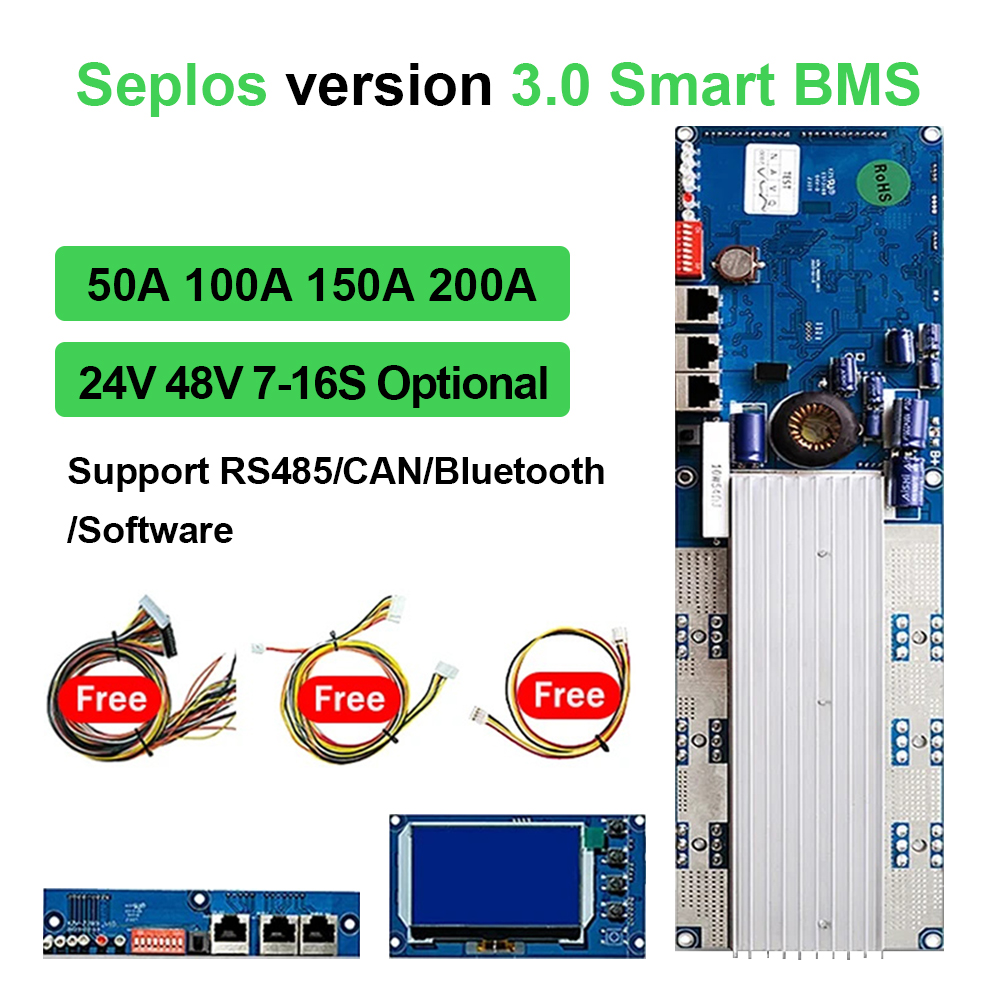
- The BMS affects safety protection.
- Cycle life affects long-term usage cost.
- Operating conditions affect battery performance.
LiFePO4 batteries are widely used not because they have higher voltage, but because they offer advantages in safety, cycle life, and stability. High-quality cells combined with a reliable battery management system can provide more stable output and reduce performance decline during long-term use.
How to Choose the Right Battery Voltage?
When selecting a lithium battery, the most important factor is choosing a voltage that matches the actual equipment requirements, rather than simply selecting the highest battery voltage available. Different devices require different voltage systems, and the right choice allows the battery to perform at its best.
- Small devices are suitable for 12V lithium batteries.
- Medium-load equipment can use 24V systems.
- Home energy storage systems usually use 48V solutions.
For small lighting devices and portable equipment, a 12V battery is usually sufficient. For household power supply or solar energy storage systems that operate for long periods, 48V LiFePO4 batteries are more commonly used. Before purchasing, users should confirm the supported voltage range of their equipment while also considering capacity, safety, and battery lifespan.
A higher battery voltage does not always mean better battery performance. Battery voltage is only one factor that affects battery operation. The actual performance depends on voltage compatibility, cell quality, capacity, and overall system design. LiFePO4 batteries have become a common choice in energy storage applications due to their stable performance and long cycle life. When selecting a lithium battery, choosing the right voltage based on equipment requirements is more important than simply pursuing higher voltage.