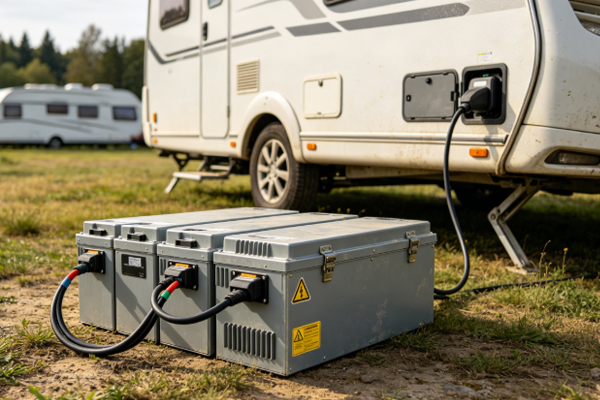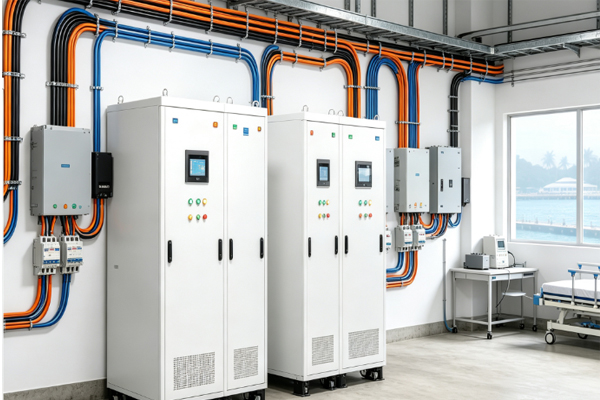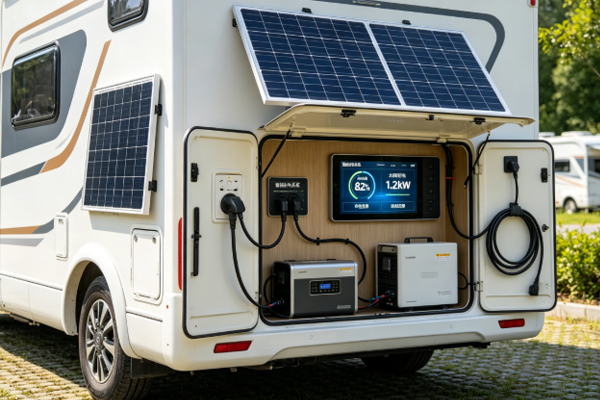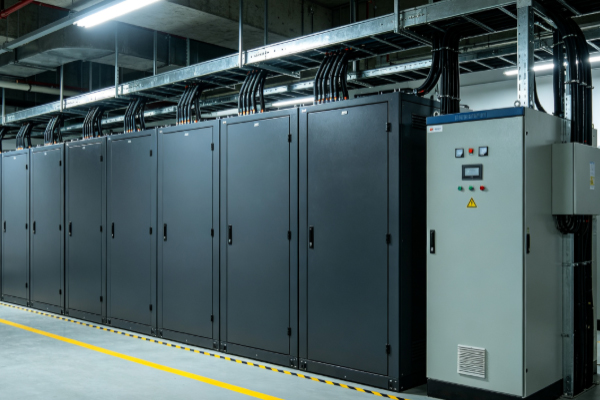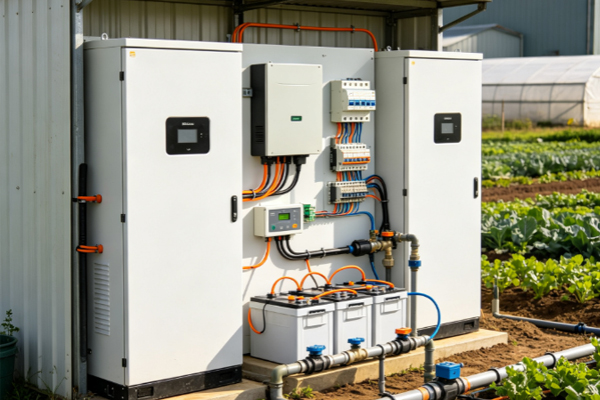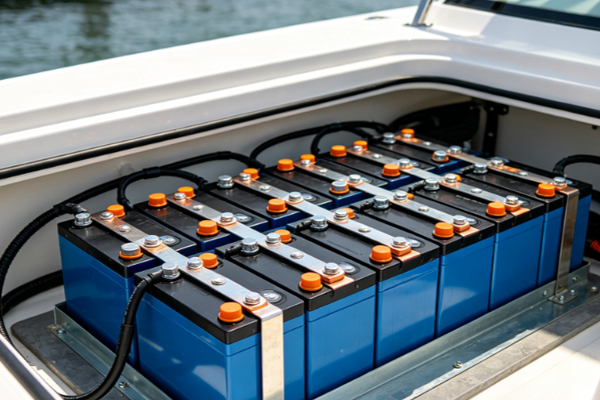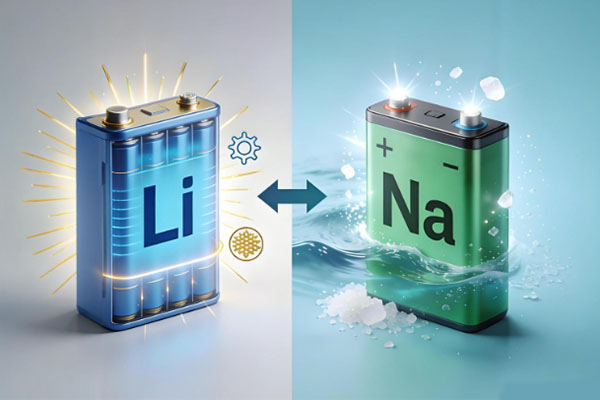
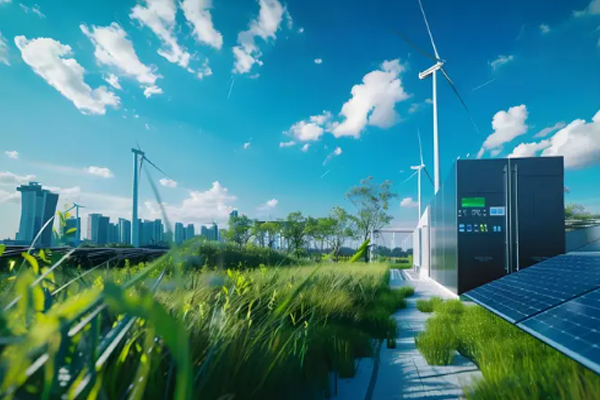
With the continuous development of smart agriculture, more and more farms are adopting automated irrigation systems, smart greenhouses, environmental monitoring equipment, and intelligent livestock management facilities. These advanced technologies improve agricultural productivity but also create higher demands for stable energy supply. Especially in remote areas, problems such as unstable grid access or high electricity costs can affect the normal operation of agricultural equipment. By building a smart farm battery energy storage system, renewable energy such as solar power can be stored and used when needed, providing reliable electricity support. For modern agriculture, farm battery storage is not only a backup energy solution but also an important way to improve energy efficiency and reduce operating costs.
Why Do Smart Farms Need Battery Energy Storage Systems?
Traditional agriculture had relatively simple electricity needs, but as farming becomes more intelligent, stable energy supply has become increasingly important. Automated irrigation, water pumps, refrigeration equipment, and climate control systems all require continuous power. Any power interruption or unstable supply may affect crop growth and farm productivity.
Ensuring Continuous Operation of Agricultural Equipment
Many smart farming devices operate automatically according to preset programs, such as greenhouse temperature control, irrigation scheduling, and livestock environment management. If the power supply is unstable, the operation of these systems may be interrupted.
- Provide backup power support: Maintain operation of critical equipment during power outages or grid failures.
- Improve agricultural production stability: Reduce interruptions caused by energy problems.
- Support long-term operation of smart devices: Meet the power requirements of modern automated farming systems.
Reliable energy supply has become a foundation for smart agriculture development, and energy storage systems help farms reduce dependence on traditional power grids.
Reducing Long-Term Farm Energy Costs
Electricity consumption in agricultural production often changes throughout the day. For example, solar systems may generate large amounts of electricity during the daytime, while farms still need power at night. Without storage systems, much renewable energy may not be fully utilized.
- Store excess solar energy: Improve renewable energy utilization.
- Reduce peak electricity costs: Optimize farm energy consumption patterns.
- Improve energy management efficiency: Make electricity usage more flexible.
By combining renewable energy with storage systems, farms can gradually establish a more economical and efficient energy management model.
What Are the Applications of Smart Farm Battery Energy Storage?
Smart farm battery storage is not simply about adding a set of batteries. It requires proper planning based on the farm’s actual needs. Different farming operations, from small planting bases to large agricultural parks, have different requirements for storage capacity, operating time, and energy management.
Common Applications of Smart Farm Energy Storage Systems
Farm battery storage solutions are now used in various agricultural areas, including crop production, livestock farming, cold storage, and intelligent monitoring systems. Different applications require different battery performance characteristics.
- Smart irrigation power supply: Provide stable energy for water pumps and automated irrigation equipment.
- Greenhouse environmental control: Support lighting, ventilation, and temperature regulation systems.
- Agricultural product refrigeration: Ensure continuous operation of cold storage equipment and reduce product losses.
- Monitoring system power supply: Support long-term operation of sensors and data collection devices.
A properly designed storage system can improve equipment reliability while increasing overall farm productivity.
Comparison of Different Energy Storage Battery Solutions
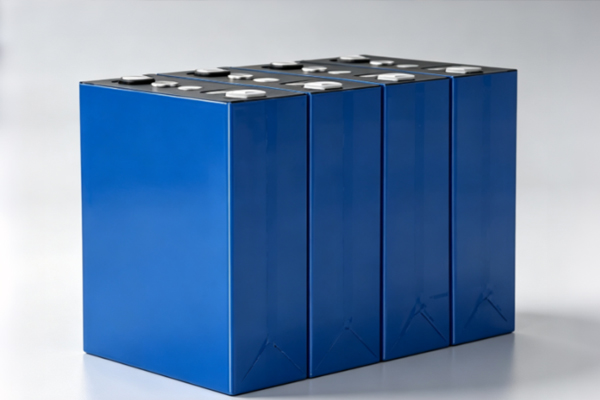
When selecting a smart farm energy storage system, factors such as battery safety, lifespan, maintenance costs, and application requirements need to be considered. Different battery technologies have their own advantages and are suitable for different agricultural environments.
| Battery Type | Main Performance Features | Suitable Agricultural Applications | Key Benefits |
| Lithium Iron Phosphate Battery | High safety and long cycle life | Solar storage systems and long-term farm backup power | Reliable operation with lower maintenance costs |
| Ternary Lithium Battery | Higher energy density and compact size | Small agricultural equipment with limited installation space | Saves space and improves storage efficiency |
| Lead-Acid Battery | Mature technology and lower initial cost | Small-scale backup power projects | Affordable and suitable for basic applications |
For long-term smart agriculture projects, battery lifespan and safety performance are usually more important than simply purchasing at the lowest price. Selecting the right storage solution allows farms to achieve better economic benefits.
What Factors Should Be Considered When Choosing Farm Battery Storage?
Smart farm energy storage systems need to operate reliably for many years. During selection, companies should not only consider battery capacity but also environmental conditions, equipment requirements, and future expansion possibilities. Proper planning can avoid unnecessary investment and ensure stable operation.
Match Storage Capacity with Farm Size
Electricity demand varies greatly between farms. A small planting base may mainly need power for lighting and irrigation, while a large agricultural park may need to support multiple intelligent systems.
- Calculate the power consumption of major equipment: Understand daily energy requirements.
- Consider future expansion plans: Reserve capacity for additional equipment.
- Design suitable storage capacity: Avoid insufficient capacity or wasted investment.
Accurate capacity planning allows energy storage systems to deliver maximum value while reducing long-term operating pressure.
Focus on Battery Safety and Environmental Adaptability
Agricultural environments can be complex, and storage equipment may be installed outdoors or in areas with significant temperature changes. Therefore, battery safety and environmental adaptability are critical.
- Choose stable battery materials: Reduce safety risks during operation.
- Equip intelligent management systems: Monitor battery status in real time.
- Consider protective design: Improve reliability in different environments.
- Pay attention to maintenance requirements: Reduce future management difficulties.
For farms, energy storage systems need to operate reliably for many years, making durability an essential selection factor.
How to Improve the Performance of Smart Farm Energy Storage Systems?
In addition to choosing the right battery products, scientific management is also important for maximizing energy storage value. By combining renewable energy, intelligent control, and professional maintenance, farms can create a more efficient energy system.
Combine Solar Power with Energy Storage
Many smart farms are adopting a “solar + storage” model, generating electricity during the day, storing excess energy, and using it at night or during poor weather conditions.
- Reduce renewable energy waste: Make better use of available solar resources.
- Improve energy independence: Reduce dependence on traditional electricity sources.
- Optimize agricultural energy usage: Achieve more flexible energy distribution.
This energy model is becoming an important direction for modern agricultural development.
Choose a Professional Energy Storage Battery Supplier
Smart farm storage projects usually require long-term operation, making supplier technology and product reliability very important. Professional manufacturers can provide suitable solutions based on farm size, equipment requirements, and installation conditions.
- Provide customized storage designs: Match different agricultural application scenarios.
- Ensure stable product quality: Reduce operational failure risks.
- Offer professional technical support: Simplify future upgrades and maintenance.
Choosing a reliable partner helps farms build a more stable and efficient energy system.
The development of smart agriculture depends on reliable energy support, and farm battery storage is becoming an essential part of modern agricultural energy management. By combining energy storage systems with solar power and intelligent equipment, farms can improve energy efficiency, reduce long-term electricity costs, and enhance production stability. From equipment power supply and capacity planning to intelligent management and maintenance, a well-designed storage solution can provide stronger energy support for agricultural modernization. In the future, as smart farming continues to grow, efficient and safe battery storage solutions will play an increasingly important role across more agricultural applications.