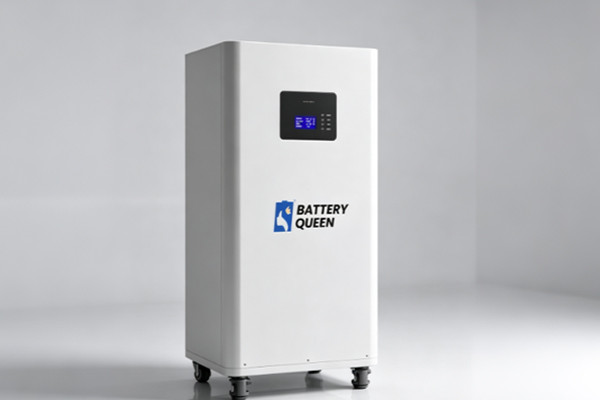
Against the backdrop of electronic and energy-related devices increasingly moving toward modular design, power supply systems are also gradually shifting from fixed configurations to configurable structures. DIY battery boxes are widely used in various power-building scenarios due to their ability to freely combine cells, adapt to multiple size specifications, and allow easy disassembly and maintenance. Whether in experimental development, mobile energy storage, or industrial applications, they can be flexibly adjusted according to actual needs, thereby meeting diverse power supply requirements.
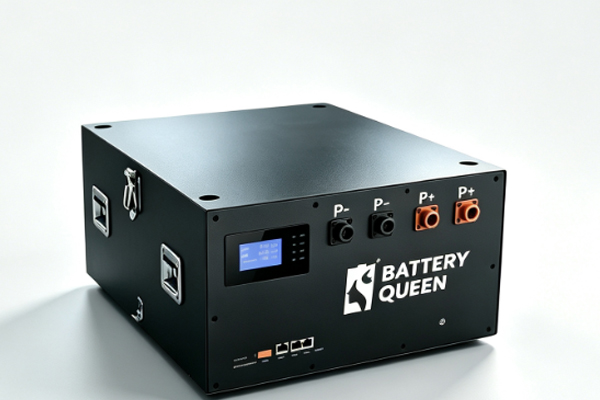
DIY Battery Boxes for Electronics Development and Maker Projects
In electronics R&D and maker practices, power systems often require frequent parameter adjustments to meet testing needs at different stages.
Smart Hardware Development
During the development of smart devices, multiple rounds of testing and optimization are usually required, and power configurations change accordingly.
- Cells can be flexibly added or reduced based on power consumption changes to suit different load scenarios.
- Supports series and parallel configurations to achieve various voltage output solutions.
- Facilitates comparison of runtime performance and efficiency differences under different capacity setups.
This flexibility makes it a common basic power component in smart hardware development.
Maker DIY Projects
Maker projects emphasize rapid prototyping and continuous iteration, placing high demands on the operability of battery systems.
- Suitable for robot structural design, allowing flexible layout adjustments based on available space.
- Used in automated model building, making it easy to switch battery configurations for performance testing.
- Supports various electronic experiment scenarios, enabling quick power system setup.
DIY battery boxes significantly improve experimental efficiency and project flexibility.
DIY Battery Boxes for Energy Storage Devices
With the growing demand for portable energy, energy storage systems are gradually moving toward lightweight and scalable designs.
Outdoor Energy Storage Power
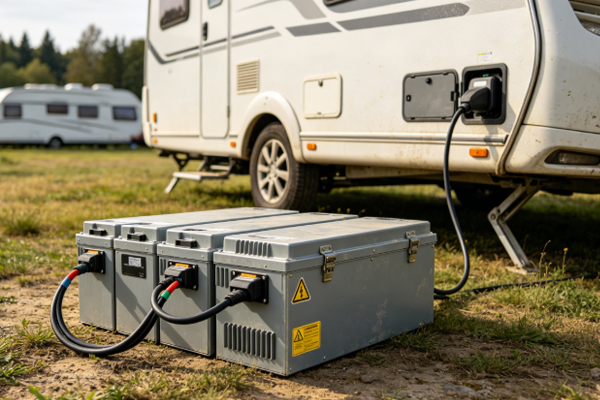
Outdoor environments require high stability and endurance from power systems, making scalability and adaptability essential. They can be used as portable camping power supplies, providing stable electricity for lighting and electronic devices in off-grid environments; they can also serve as emergency backup power sources, quickly supplying basic electricity during outages or emergencies; in addition, they can be combined with solar systems to form portable energy storage solutions, enabling a cycle of daytime charging and nighttime usage, improving energy efficiency. DIY battery boxes make outdoor power systems more flexible and easier to expand or upgrade.
Small Household Energy Storage
Energy storage systems in household scenarios place greater emphasis on safety and scalability.
- Provide backup power for basic lighting and low-power devices.
- Offer temporary power support for critical appliances during outages.
- Allow gradual capacity expansion without replacing the entire system structure.
This scalability makes household energy management more flexible.
DIY Battery Boxes for Electric Devices
Electric devices require high stability and continuity in power output, making proper battery configuration especially important.
Power Tools
Power tools require stable high-power output during operation.
- Battery series/parallel structures can be adjusted according to power requirements.
- Compatible with tools of different voltage levels.
- Improves continuous operation capability and reduces interruptions.
Proper battery configuration enhances overall work efficiency.
Electric Transportation Devices
Light electric mobility devices are highly sensitive to battery size and endurance.
- Electric bicycle modifications can optimize space layout.
- Electric skateboard systems can improve range through lightweight design.
- Small mobility devices can flexibly adjust capacity based on travel distance.
Flexible configuration allows adaptation to various mobility solutions.
Industrial Equipment
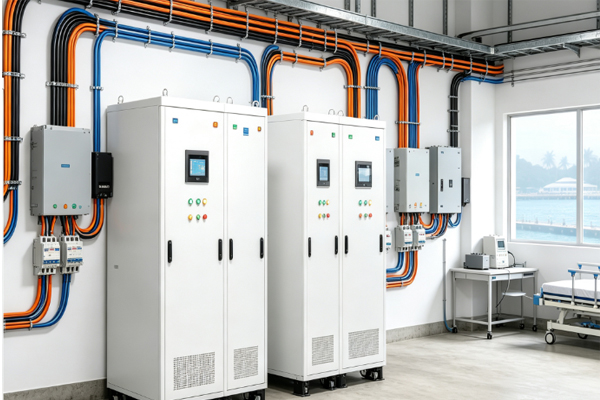
Industrial applications require higher stability and maintenance efficiency.
- Provides continuous and stable power for automation equipment.
- Used in testing instruments to enable configurable power supply setups.
- Supports quick maintenance and replacement of small control systems.
Modular structures help improve system reliability and maintenance efficiency.
DIY Battery Boxes for Research and Education
Research and teaching scenarios often require frequent adjustments to power structures, demanding high flexibility and operability.
Scientific Research Experiments
Research projects often require continuous adjustment of experimental conditions, so battery systems must be flexible and reconfigurable, allowing quick replacement of cell combinations. This enables researchers to switch power schemes under different experimental conditions and test how different power configurations affect battery performance, while also reducing setup time and improving experimental efficiency, allowing researchers to focus more on data analysis and research itself. DIY battery boxes help researchers conduct power testing and experimental validation more conveniently.
Educational Practice
In teaching environments, battery systems are often used to demonstrate basic principles and structural composition.
- Used in battery assembly courses to understand connection methods.
- Demonstrates series and parallel structures and their voltage variation principles.
- Assists new energy courses in explaining energy storage principles.
This helps students gain a more intuitive understanding of how battery systems operate.
With its modular structure, strong compatibility, and convenient maintenance, DIY battery boxes demonstrate strong adaptability across multiple fields. From electronics development to energy storage systems, from electric devices to scientific research and education, they can provide flexible power solutions based on different needs. As energy technology and smart devices continue to evolve, such configurable battery structures will play an increasingly important role in more application scenarios, offering more efficient support for diverse power demands.