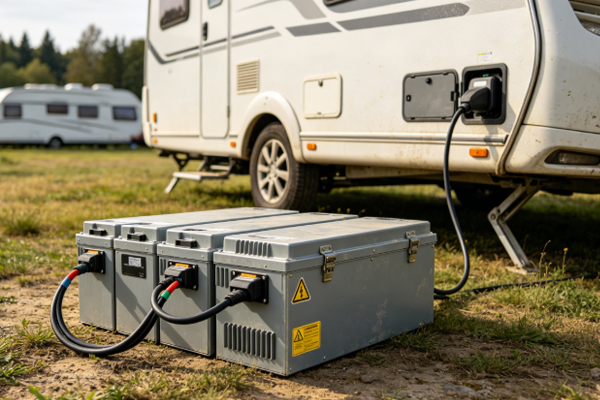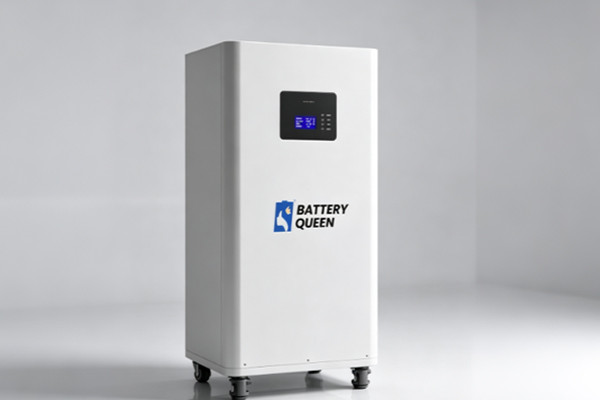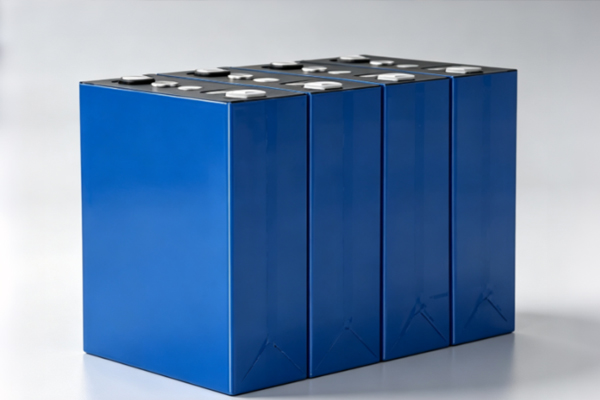
RV travel requires reliable electricity for lighting, refrigerators, air conditioners, water heaters, kitchen appliances, entertainment devices, communication equipment, and other onboard electronics. Unlike fixed buildings, RV travel involves changing driving distances, parking locations, weather conditions, and electricity consumption patterns. A single battery power supply system may not provide sufficient visibility into energy consumption and equipment operating conditions. An RV energy management system solution uses LiFePO4 batteries as the core energy storage unit and integrates a BMS, battery inverter, solar charge controller, intelligent display terminal, and energy management module to coordinate power generation, energy storage, and electricity consumption inside the RV. The system can manage energy according to battery SOC, real-time loads, solar power generation, and equipment operating conditions, allowing RV owners to clearly monitor remaining battery capacity and daily energy consumption. For long-distance travel, outdoor camping, RV living, and locations without grid power, properly configured LiFePO4 batteries and energy management equipment can provide more stable electricity and improve the convenience of mobile energy storage.
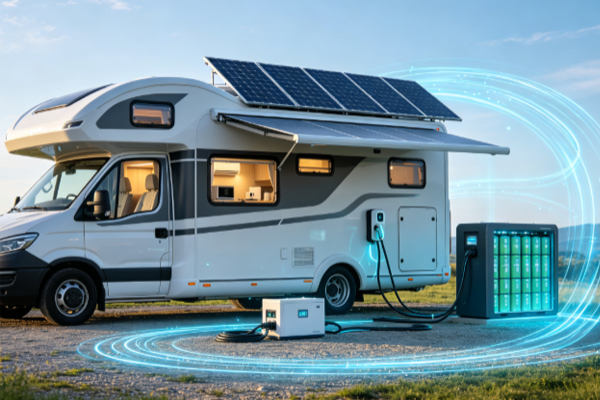
Smart RV Energy Systems Build a Stable Power Supply Structure
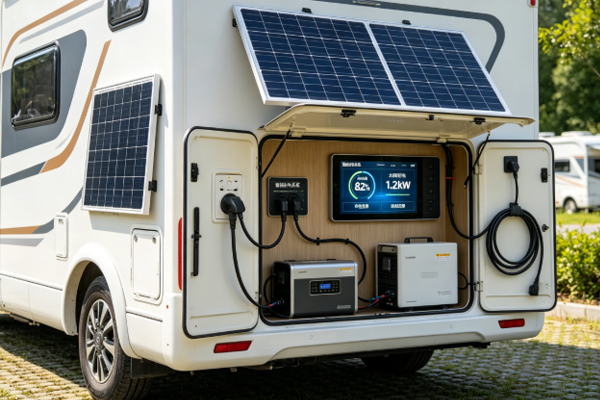
An RV energy management system connects batteries, charging equipment, electrical appliances, and monitoring modules so that different energy sources can operate according to predefined strategies. LiFePO4 batteries store electrical energy, the BMS monitors battery operating conditions, the inverter converts DC electricity into AC electricity, the solar controller manages photovoltaic charging, and the energy management module collects information and regulates the system according to battery and load conditions. When the RV is connected to external shore power, the system can charge the battery according to configured settings. When shore power is unavailable, solar energy and the battery storage system can provide electricity for onboard appliances. Through centralized management, RV owners can monitor remaining battery capacity, input power, output power, and charging and discharging status and arrange appliance usage according to their travel plans. System design should also consider RV space, battery capacity, inverter power, solar panel installation area, and the power requirements of commonly used appliances so that the different components remain properly matched.
Core Advantages of an RV Energy Management System
An RV energy management system integrates mobile energy storage, solar power generation, and onboard electricity consumption, making energy use easier to monitor. LiFePO4 batteries offer characteristics suitable for mobile energy storage, and when combined with intelligent control equipment, they can create a more complete RV energy supply structure.
- Clear battery status: Display SOC, voltage, current, power, and other operating data through an intelligent display terminal or energy management platform.
- Multiple charging options: Depending on the RV configuration, the system can integrate shore power, solar charging, and charging equipment connected to the vehicle.
- Flexible storage capacity: Battery capacity can be selected according to RV size, travel duration, and daily electricity consumption.
- Reduced manual inspection: Intelligent monitoring can continuously record battery and major electrical equipment operating information.
- Suitable for mobile environments: The system can be designed and installed according to available RV space.
- Efficient energy distribution: Different appliances can be operated according to current battery capacity and load conditions.
- Convenient long-term energy planning: Historical electricity data can help owners understand daily consumption patterns.
These functions allow RV energy management to evolve from simple battery power supply into a more intelligent energy scheduling system, providing convenient electrical support for extended outdoor use.
How to Use an RV Energy Management System
Before using an RV energy management system, the owner should estimate the power requirements of major appliances, including refrigerators, air conditioners, lighting, water heaters, microwave ovens, televisions, computers, routers, and other onboard electrical equipment. After estimating daily electricity consumption, an appropriate LiFePO4 battery capacity and inverter power can be selected. During operation, solar panels can charge the battery through an MPPT controller. The battery can also be charged through vehicle charging equipment while driving, while shore power can replenish the battery when the RV is connected to an external AC source. The energy management module continuously monitors battery SOC and current loads. When the battery level is low, the owner can reduce the simultaneous use of high-power appliances and arrange charging according to weather conditions and parking duration. At night, when solar input is unavailable, the LiFePO4 battery can power lighting, refrigerators, communication equipment, and other essential loads. During operation, charging and discharging parameters should be configured according to the technical requirements of the battery, inverter, and charging equipment. Connection cables, equipment temperature, communication status, and system alarms should also be checked regularly to keep the mobile energy system operating normally.
RV Energy Management System Equipment Configuration
A complete RV energy management system requires different devices to work together. Equipment specifications should be selected according to vehicle space, energy requirements, and actual electrical loads.
| Equipment | Core Function | RV Application |
| LiFePO4 Battery | Stores electrical energy | Provides mobile energy storage |
| BMS | Battery management | Monitors voltage, current, temperature, and SOC |
| Inverter | DC-to-AC conversion | Supplies power to AC appliances |
| MPPT Controller | Solar charging control | Improves solar charging efficiency |
| Solar Panels | Generate electricity | Replenish energy for the battery |
| DC-DC Charger | Vehicle charging | Charges the battery while driving |
| Shore Power Charger | External AC charging | Charges the battery at campsites |
| Smart Display Terminal | Data display | Shows battery level and real-time power |
| EMS | Energy management | Coordinates charging, storage, and loads |
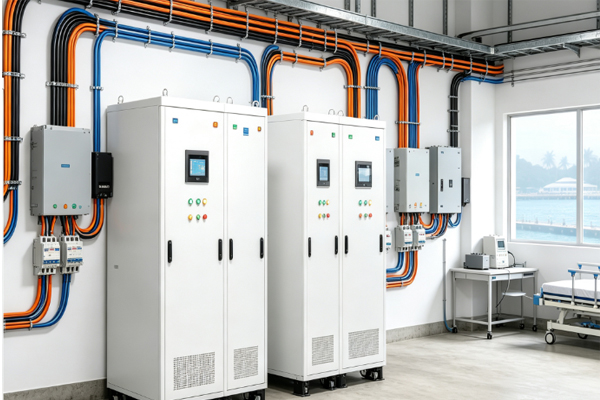
| Distribution Equipment | Circuit protection and distribution | Connects different onboard electrical circuits |
Properly matching these components creates a complete energy chain from power input and storage to conversion and load supply, making RV electricity management easier and more efficient.
RV Energy Management Covers Multiple Mobile Living Scenarios
The actual requirements of an RV energy system change according to travel habits and living conditions. Short camping trips may mainly require lighting, refrigerator operation, and mobile device charging. Long-distance travel may involve continuous use of air conditioners, televisions, computers, and kitchen appliances, while extended stays can require hot water, network equipment, and other household appliances to operate for longer periods. Different scenarios create different daily electricity requirements. For this reason, an energy management system should not be configured based only on battery capacity. Solar availability, parking duration, seasonal temperature, and electricity consumption habits should also be considered. Through the EMS and intelligent monitoring equipment, RV owners can monitor battery capacity and load changes in real time and adjust electricity usage according to the travel environment, allowing limited stored energy to be used more efficiently.
Energy Management During Long-Distance RV Travel
During long-distance travel, an RV may pass through different regions where shore power availability and solar resources can vary. An energy management system can integrate vehicle charging, solar charging, and LiFePO4 battery storage, allowing owners to replenish electricity according to their travel schedules. While driving, the vehicle charging system can provide energy to the battery. After arriving at a campsite, solar panels can continue generating electricity according to available sunlight. When campsite power is unavailable, the battery storage system can supply lighting, refrigeration, communication equipment, and entertainment devices at night. During extended periods of cloudy weather, owners can monitor changes in battery SOC through the energy management platform, reduce the operating time of non-essential appliances, and plan charging opportunities along the following route. Long-term electricity consumption records can also help owners understand average daily energy usage and provide useful information for future adjustments to battery capacity and solar panel capacity.
Outdoor Camping and Extended Parking Applications
Outdoor camping and extended parking require the RV energy system to operate continuously, particularly in locations without fixed power sources. In such environments, stored energy and solar power may need to support daily living. Proper energy management can prioritize electrical loads according to their importance.
- Basic living loads: Lighting, refrigeration, mobile device charging, and communication equipment generally require stable power.
- Kitchen appliances: Induction cookers, microwave ovens, and small ovens have relatively high power requirements and should be scheduled according to battery SOC.
- Air conditioning: High-power air conditioners can consume stored energy quickly and should be managed according to weather conditions and remaining battery capacity.
- Water heating: Water heaters can be operated during appropriate periods according to actual needs to reduce simultaneous use with other high-power appliances.
- Entertainment equipment: Televisions, audio systems, gaming equipment, and computers can be used flexibly according to available battery capacity.
- Network communication: Routers, signal devices, and mobile communication equipment can be included in continuous-load management.
- Solar charging: Solar energy can be prioritized during daylight hours according to available sunlight conditions.
Through load prioritization and energy scheduling, RV owners can allocate limited battery capacity more effectively in different parking environments, maintain essential living functions, and extend the usable duration of the outdoor energy system.
RV Energy Monitoring and Intelligent Control Functions
An energy management system not only distributes electrical power but also records operating data from the RV energy system in real time. An intelligent display terminal can show battery SOC, voltage, current, input power, output power, and selected equipment operating conditions, allowing owners to understand current energy availability without frequently inspecting the battery system. The EMS can execute predefined management logic according to battery conditions and load changes. For example, when battery capacity is sufficient, more appliances can be used, while essential loads such as refrigerators, lighting, and communication equipment can be prioritized when battery capacity decreases. The BMS continuously monitors battery conditions and transmits relevant data to the energy management equipment. Some systems can also record daily charging and electricity consumption, helping owners determine whether the solar system meets actual energy requirements. If abnormal temperature, voltage, communication, or other conditions occur, the monitoring system can provide alerts. Through data-driven management, RV owners can better understand energy consumption patterns and adjust appliance usage according to different travel plans.
High-Performance LiFePO4 Batteries Support Continuous RV Power Supply
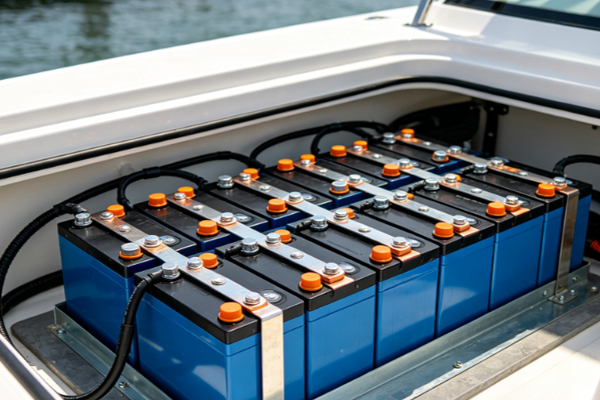
Long-term RV energy storage requires consideration of battery performance, equipment matching, installation conditions, and usage habits. LiFePO4 batteries are suitable for stationary and mobile energy storage applications and offer useful cycling characteristics for repeated charging and discharging. RVs experience vibration while driving and have relatively limited internal installation space, so battery mounting, fixing methods, cable routing, and cooling conditions should be designed according to the vehicle structure. Battery capacity should not simply be maximized. It should be selected according to daily electricity consumption, solar charging capability, vehicle charging capability, and expected parking duration. RVs that frequently use air conditioners, induction cookers, and water heaters require an inverter and energy storage system capable of supporting the corresponding power demand. Proper coordination between the battery, charging equipment, inverter, and EMS can reduce system incompatibility and provide a more stable energy foundation for long-term RV living.
LiFePO4 Battery Cycle Performance and Operating Management
LiFePO4 batteries are suitable for RV energy storage applications requiring repeated charging and discharging and can operate according to daily travel schedules and available energy input. Actual battery performance is affected by depth of discharge, operating temperature, load power, charging method, and maintenance conditions. The RV energy system should therefore be configured according to the battery manufacturer’s technical specifications. The BMS can continuously monitor battery voltage, current, temperature, and SOC and perform corresponding protection and management functions within the designed operating range. For RVs frequently used for long-distance outdoor travel, battery operating data and system alarms should be checked regularly. Battery mounting structures, terminals, and power cables should also be inspected. In hot environments, attention should be paid to the temperature inside the battery compartment. In cold conditions, charging should be performed according to the battery product specifications. Appropriate charging and discharging strategies and standardized maintenance can help maintain stable LiFePO4 battery operation and provide continuous energy storage support for RVs.
Modular Energy Storage Configuration for Different RV Requirements
Different RV models have different interior spaces, electrical equipment, and travel habits. Energy storage systems therefore need to provide sufficient configuration flexibility. Modular LiFePO4 batteries can be planned according to actual vehicle energy requirements and matched with inverters, solar panels, and charging equipment.
- Small RVs: Appropriate battery capacity can be selected for lighting, refrigeration, communication, and basic entertainment needs.
- Medium-sized RVs: Additional storage capacity can be configured according to air conditioning, kitchen appliances, and household electrical loads.
- Large RVs: A comprehensive energy plan can be developed for multiple high-power appliances.
- Long-distance travel RVs: Battery capacity can be selected according to expected parking duration and daily electricity consumption.
- Solar-powered RVs: Solar panels and MPPT controllers can be matched according to available roof space and local solar conditions.
- Frequently parked RVs: Batteries, charging equipment, and energy management systems can be planned according to long-term living requirements.
- RVs requiring future upgrades: Storage capacity can be reassessed when additional appliances are installed, provided compatibility and technical requirements are satisfied.
A modular approach allows RV owners to plan energy storage according to actual vehicle requirements, avoid significant mismatches between battery capacity and electrical loads, and maintain configuration flexibility for future equipment additions or changes in travel habits.
An RV energy management system solution combines LiFePO4 batteries, BMS units, inverters, solar panels, charging equipment, and an EMS to create a complete mobile energy system. The system can centrally manage solar power, shore power, vehicle charging, and other energy inputs and arrange energy storage and consumption according to battery conditions and RV loads. Long-distance driving, outdoor camping, extended parking, and locations without shore power can all be supported through appropriate battery capacity and energy management strategies. LiFePO4 batteries offer characteristics suitable for repeated energy storage applications, and when combined with intelligent monitoring, modular configuration, and properly matched equipment, they can meet the mobile electricity requirements of different RV lifestyles. Designing the system according to RV type, daily electricity consumption, appliance power, solar conditions, and travel duration can help establish a more stable, flexible, and manageable RV energy supply system.