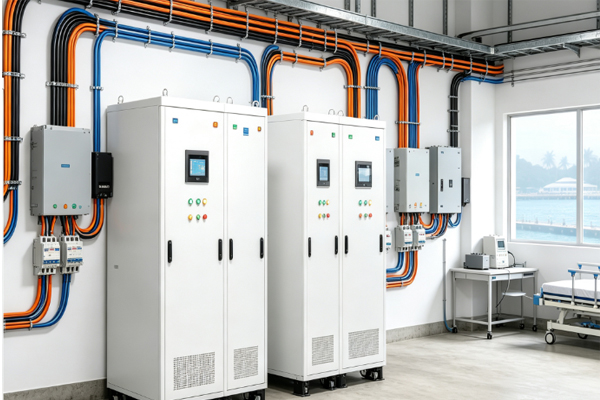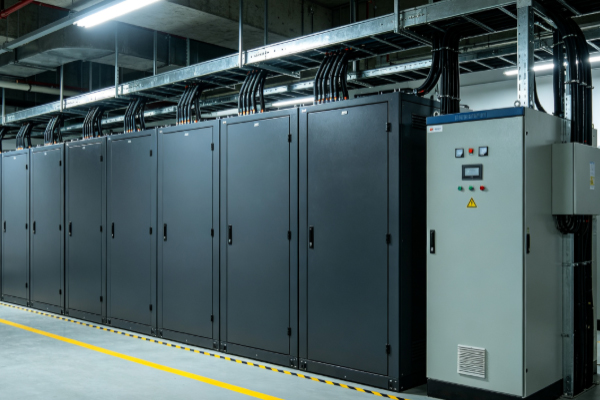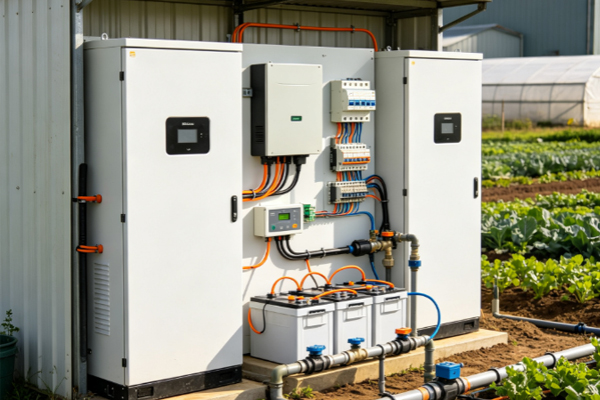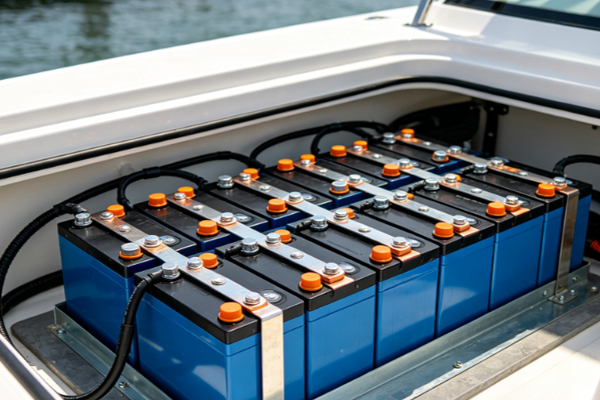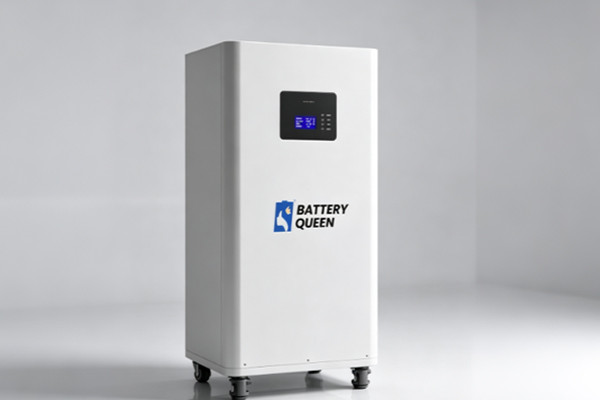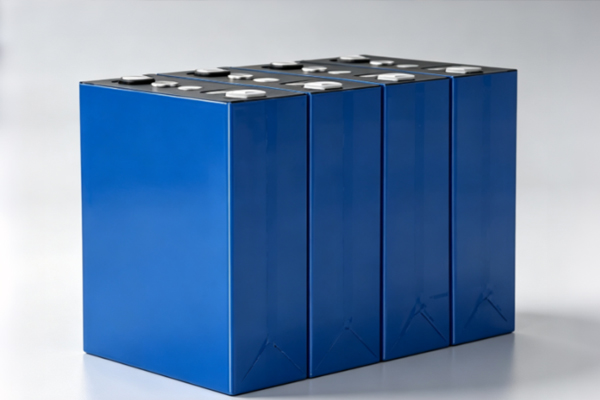
The real concern during a hospital power outage is not simply that the lights go out. The bigger problem is keeping critical medical equipment running without interruption. Diesel generators can provide backup power for extended periods, but they need some time to start and transfer the load. That short gap can be a serious concern for ICUs, operating rooms, servers, and communication systems. Adding LiFePO4 batteries to the generator backup system allows the battery to respond quickly before the generator takes over, creating a smoother and more reliable backup power process.
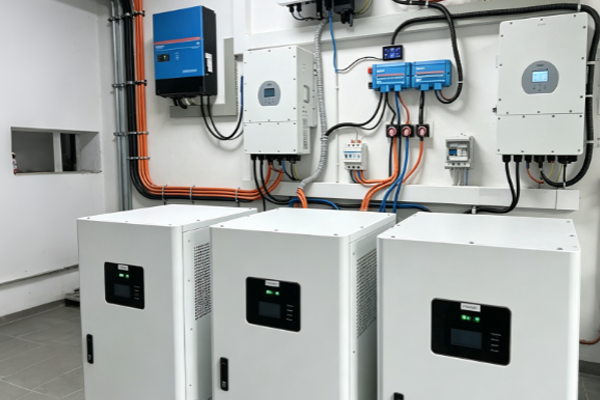
How Large Should a Hospital Generator Backup Battery Be?
A hospital backup battery should not simply be selected by choosing the largest available capacity. The key is to determine which loads need immediate backup after a power failure. Diesel generators are normally used for longer-duration backup, while batteries can handle the critical period before and during generator startup. This approach makes the backup system more targeted and avoids unnecessary battery capacity.
Which Hospital Equipment Needs Battery Backup First?
Different hospital areas have very different power priorities. Equipment that cannot tolerate a noticeable power interruption usually needs the battery to take over quickly.
- ICU monitoring equipment: ECG monitors, respiratory support equipment, infusion pumps, and other critical devices need continuous power and cannot be treated like ordinary lighting loads.
- Critical operating room equipment: Surgical lights, patient monitoring systems, anesthesia-related equipment, and control systems require stable power during procedures.
- Servers and network equipment: HIS, PACS, servers, and network switches may affect hospital information systems if they suddenly shut down.
- Emergency lighting and communication systems: Basic lighting, communication equipment, access control, and selected control systems may need to remain operational during an outage.
- Other critical medical equipment: The actual hospital project should identify equipment that cannot tolerate power loss based on the needs of each department.
Battery capacity should be calculated around these critical loads instead of simply using the hospital’s total electricity consumption. Load power, backup time, startup current, and system efficiency all need to be considered. Otherwise, the battery may be undersized or unnecessarily expensive.
How Do You Calculate Hospital Backup Battery Capacity?
A basic calculation is:
Battery Capacity (kWh) = Load Power (kW) × Backup Time (h) ÷ System Efficiency
If a hospital needs to run 5kW of critical loads for two hours, the theoretical energy requirement is around 10kWh. Actual battery sizing should also account for depth of discharge, inverter efficiency, ambient temperature, and capacity degradation over time.
| Hospital Critical Load | Typical Power Range | Typical Backup Time | Key Consideration |
| ICU monitoring area | 5–20kW | 1–3 hours | Continuous power, transient loads |
| Critical operating room equipment | 5–30kW | 1–2 hours | Stable output, UPS integration |
| Server room | 5–50kW | 1–4 hours | UPS compatibility, continuous discharge |
| Emergency lighting | 2–15kW | 1–3 hours | Long-duration low load |
| Communication and control systems | 1–10kW | 2–4 hours | Stable operation, monitoring |
If the hospital already has a diesel generator, the battery does not necessarily need to cover all hospital loads for several hours. A more practical configuration is to let the battery respond immediately and then allow the generator to provide long-duration backup power.
Why Are LiFePO4 Batteries Suitable for Hospital Generator Backup?
Hospital backup batteries may remain on standby for long periods but must deliver power quickly when an outage occurs. LiFePO4 batteries offer good cycle performance and thermal stability while allowing a BMS to continuously monitor voltage, current, and temperature. This operating profile makes them suitable for hospital backup systems that also require regular testing and maintenance.
How Do Hospital Generators and LiFePO4 Batteries Work Together?
A generator and battery are not competing solutions. Generators are suitable for long-duration power supply, while batteries are better at fast response and short-term support. When they work together, the hospital backup system can respond more smoothly to an outage. This is particularly useful because a diesel generator needs time to receive the start signal, accelerate, establish stable output, and transfer the load.
Why Should the Battery Take Over First During a Power Outage?
When the grid fails, the energy storage system can quickly take over selected critical loads, giving the diesel generator enough time to start and stabilize.
- Faster backup response: The battery can respond quickly and reduce the impact of grid interruption on critical equipment.
- Time for generator startup: The battery supports critical loads while the generator starts and gradually takes over the power supply.
- Less equipment disruption: For servers, medical monitoring equipment, and control systems, a smooth transition is more important than simply having a larger battery.
- Load support: When hospital loads change, the battery can handle short-term power fluctuations and reduce the need for frequent generator adjustments.
This configuration is particularly useful for hospitals that already have diesel generators but want faster backup response. The battery does not replace the generator. Instead, it fills the gap that can occur while the generator is starting and the load is being transferred.
Can LiFePO4 Batteries Work Together With Hospital Generators?
Yes, but the inverter, ATS, UPS, and energy management system need to be checked for compatibility and control logic. The system should define which device starts first, how the load is transferred, when the generator takes over, and when the battery returns to standby mode.
If the hospital also uses a UPS, the battery system needs to match the UPS voltage range, communication protocol, charging parameters, and discharge requirements. For hospital battery energy storage projects, checking the battery alone is not enough. The entire backup power chain needs to work together properly.
Does the Battery Still Need to Work After the Generator Starts?
Not necessarily. Once the generator reaches stable operation, it can take over the main load while the battery returns to standby or continues providing auxiliary support, depending on the hospital’s load profile and energy management strategy.
For hospitals with significant load fluctuations, the battery can continue handling short-term peak loads. If the generator can already support the critical loads reliably, the battery can reduce its role and remain available for the next outage. Once grid power is restored, the battery can recharge and prepare for another emergency.
What Parameters Should Hospitals Confirm When Purchasing Generator Backup Batteries?
During procurement, hospital engineering teams usually care about practical questions: Can the battery connect to the existing system? Can it support the critical loads during an outage? Will it work with the generator and UPS? Can it be maintained easily? Before requesting a quotation, it is better to prepare the existing generator, UPS, distribution system, and critical load information so the battery supplier can design the solution around the actual operating conditions.
What Key Parameters Should Be Confirmed for Hospital Backup Batteries?
Confirming the following information before purchasing can reduce design changes and compatibility problems later.
- Rated voltage and capacity: Confirm the battery voltage and target capacity required by the UPS, inverter, and connected loads.
- Continuous discharge current: Check whether the battery can continuously support the required critical loads.
- Peak discharge capability: If some equipment has high startup current, confirm that the battery and BMS can handle the transient load.
- Charging parameters: Confirm charging voltage, maximum charging current, and the charging method after grid or generator power is restored.
- Dimensions and installation method: Check the available space in the battery cabinet, equipment room, rack, or other installation location.
- Communication interface: If the battery needs to communicate with a UPS, EMS, or hospital monitoring system, confirm CAN, RS485, or other required interfaces and protocols.
| Procurement Item | Parameters to Confirm | Impact |
| Battery voltage | Rated voltage, operating range | UPS/inverter compatibility |
| Battery capacity | kWh, Ah | Backup runtime |
| Discharge capability | Continuous current, peak current | Equipment startup and operation |
| BMS | Protection functions, communication protocol | Battery safety and monitoring |
| Battery dimensions | Length × width × height, weight | Installation space |
| Charging method | Voltage, current, charger | Battery recovery time |
| Communication interface | CAN, RS485, etc. | UPS and EMS data exchange |
| Expansion capability | Module quantity, parallel configuration | Future capacity expansion |
If the hospital already has a diesel generator and UPS, it is better to provide the equipment models, rated power, existing battery specifications, and critical load list directly. With these details, the battery supplier can determine the required capacity, continuous current, BMS configuration, and communication requirements more accurately.
What Should Be Tested Before Ordering Hospital Backup Battery Samples?
Before placing a bulk order, sample testing should be performed with the actual system whenever possible. Testing only the battery’s open-circuit voltage does not reveal how the complete backup system will behave. Simulating a power outage, generator startup, load transfer, and power restoration provides a much clearer picture.
- Power transfer test: Simulate a grid failure and check whether the battery can quickly take over the designated critical loads.
- Generator startup test: Check whether battery operation, generator startup, and load transfer work together smoothly.
- Real-load test: Run the battery with actual hospital critical loads and monitor voltage, current, and temperature.
- Recharge test: After grid or generator power returns, check whether the battery enters the charging process correctly.
- BMS communication test: Confirm that SOC, voltage, current, temperature, and alarm data can be read correctly.
- Protection test: Check whether overcurrent, overtemperature, overcharge, and over-discharge protection functions operate as required.
A reliable hospital generator backup system needs a battery solution that can respond quickly, remain on standby for long periods, and work smoothly with existing equipment. LiFePO4 batteries can provide fast backup during generator startup, support load regulation while the generator is operating, and work together with UPS, ATS, and energy management systems to create a more complete backup power solution. For hospitals upgrading their backup power systems, confirming capacity, discharge performance, BMS, communication interfaces, installation space, and future expansion requirements in advance can make procurement much easier. DELIGREEN provides LiFePO4 batteries, battery packs, BMS accessories, and scalable energy storage solutions for hospitals and other critical power applications.