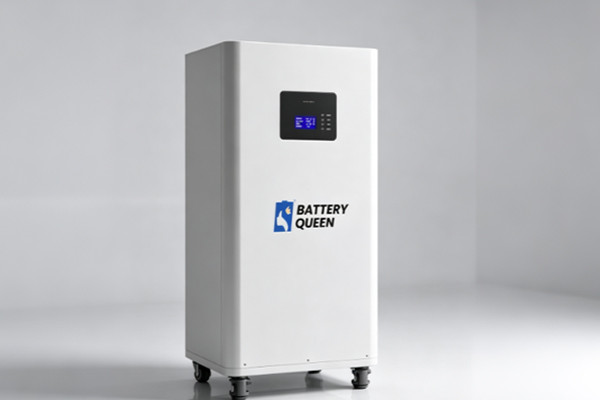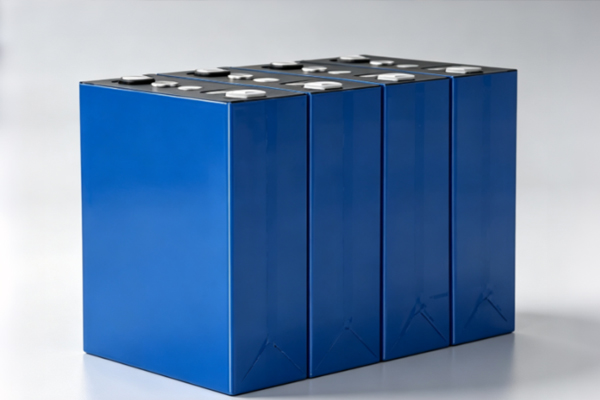
Hot melt glue guns are widely used in handicrafts, packaging and sealing, electronic assembly, furniture repair, model making, and light industrial processing. As cordless power tools become more common, hot melt glue guns are gradually developing from traditional corded devices into portable battery-powered equipment. Without a power cord, the equipment can be used flexibly at workbenches, construction sites, warehouses, and outdoor locations. At the same time, this creates higher requirements for battery runtime, stable output, weight, charging efficiency, and safety. A suitable lithium battery solution needs to be designed according to the heating power, preheating time, continuous working time, internal space, and usage habits of the hot melt glue gun. Lithium iron phosphate batteries offer good cycle life and stability. Through coordinated design of cells, battery packs, and BMS, they can provide continuous and stable power support for hot melt glue guns.
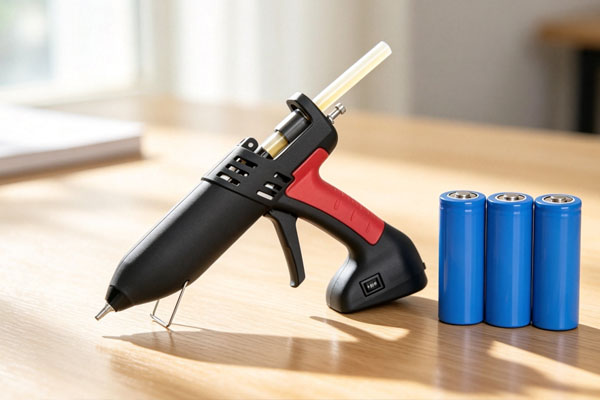
Requirements for Long-Lasting Lithium Batteries for Hot Melt Glue Guns
Heating Power Determines Battery Output Requirements
After a hot melt glue gun is switched on, it needs to quickly heat the glue stick to a suitable temperature for dispensing. The heating stage usually requires relatively high power. After reaching the operating temperature, the device will perform intermittent heating according to temperature changes. Therefore, the battery must be able to support the power requirements during startup while maintaining stable output during continuous use. If the battery output capability is insufficient, the device may experience slow preheating, longer temperature recovery times, and unstable glue dispensing. If the battery capacity is too small, the operating time will be limited. Excessive capacity, however, may increase the overall weight of the device. Therefore, the battery specifications need to be designed according to the actual power requirements of the hot melt glue gun.
Long Runtime Requires a Balance Between Capacity and Overall Weight
A hot melt glue gun is a handheld device, so battery weight directly affects handling comfort. Simply increasing the number of cells can increase capacity, but it also makes the equipment heavier and may affect long-term operation. The required energy can be calculated based on the equipment power and target runtime, followed by determining the appropriate cell series-parallel configuration. For example, 12V, 18V, 20V, or 24V platforms can all be customized according to the internal space of the equipment. For products requiring longer working times, a removable battery pack can also be used, allowing users to prepare spare batteries and continue working without waiting for charging.
| Design Item | Key Requirements |
| Operating Voltage | Determined according to the hot melt glue gun motor and heating components |
| Battery Capacity | Calculated according to the target operating time |
| Output Capability | Meets startup and continuous heating requirements |
| Battery Dimensions | Matched to the internal space of the equipment |
| Battery Weight | Controls the overall weight of the handheld device |
| BMS | Provides overcharge, over-discharge, overcurrent, and other protection |
| Charging Method | Dedicated charging solution designed according to product positioning |
Frequent Start and Stop Cycles Require Battery Stability
A hot melt glue gun does not remain in a continuous heating state throughout operation. Users may frequently start, pause, and reheat the device, or complete multiple bonding tasks within a short period. Frequent power changes require the battery to provide stable output performance. Lithium iron phosphate batteries offer good cycle performance and high thermal stability, making them suitable for power tools that require long service periods. Proper design of cell specifications, battery connections, and BMS parameters can help reduce output instability during long-term use.
How to Design a Lithium Iron Phosphate Battery Solution
Determine Battery Specifications According to Hot Melt Glue Gun Power
Battery solution design generally starts with the equipment parameters. After confirming the rated power, operating voltage, and target runtime of the hot melt glue gun, the required battery energy can be estimated. The actual product also needs to consider heating efficiency, control method, ambient temperature, and battery discharge losses. This design approach can prevent insufficient runtime caused by inadequate battery capacity while also reducing unnecessary battery weight.
Customize the Battery Pack According to Internal Space
The internal structure of a hot melt glue gun usually needs to accommodate heating components, control circuits, switches, glue stick channels, and the battery, leaving limited space for battery installation. The battery pack needs to be customized according to the product structure, including dimensions, interfaces, and fixing methods. During development, the battery pack can be designed based on the battery compartment dimensions, voltage, capacity, and interface requirements provided by the customer. For removable batteries, the design also needs to consider rails, plug-in structures, and battery pack fixation to ensure stable connections and prevent connection problems caused by equipment vibration during operation.
BMS Supports Stable Charging and Discharging
The BMS is an important component of the battery pack. It manages cell status and provides necessary protection functions. When the hot melt glue gun starts heating, it may require instantaneous power. Therefore, the current parameters of the BMS need to be properly matched with the cells and equipment power. Depending on product requirements, the BMS can be configured with overcharge protection, over-discharge protection, overcurrent protection, short-circuit protection, and temperature protection. For products requiring intelligent management, communication functions can also be added according to project requirements to read battery status.
Performance of Long-Lasting Battery Solutions in Product Applications
Reduce Waiting Time
A hot melt glue gun needs to reach its operating temperature quickly to avoid increasing user waiting time. Stable battery output can provide continuous energy to the heating components and maintain a normal heating cycle. Battery design needs to consider discharge capability, connection structure, and BMS parameters. Only when these components are properly matched can the heating components maintain stable performance.
Improve Continuous Operating Capability
The core value of a long-lasting battery is to reduce the impact of frequent charging on the workflow. Handicraft production, packaging operations, and repair work often require continuous use. Frequent charging interruptions can reduce operating efficiency. By increasing battery capacity, optimizing cell combinations, and reducing unused space within the battery pack, available energy can be increased while controlling the overall size. For high-frequency applications, a multi-battery rotation solution can also be designed.
Balance Service Life and Maintenance Costs
The battery is an important cost component of a cordless hot melt glue gun. A short battery service life can increase replacement costs during later use. Therefore, cell quality, BMS protection parameters, and charge-discharge management need to be considered during product development. Lithium iron phosphate batteries generally offer a long cycle life. Under reasonable charging and discharging conditions, they can reduce the frequency of battery replacement during long-term use. This characteristic provides high application value for tools that are used frequently.
| Hot Melt Glue Gun Requirements | Recommended Design Focus |
| Daily Household Use | Lightweight, compact battery pack |
| Handicraft Production | Balance between runtime and weight |
| Packaging Operations | Stable output and long runtime |
| Repair Work | Removable battery and spare battery |
| High-Frequency Use | Long cycle life, reliable BMS |
| OEM Products | Customized voltage, capacity, dimensions, and interfaces |
Lithium Battery Customization and Supply Services for Hot Melt Glue Guns
Customization from Cells to Battery Packs
Battery requirements for hot melt glue guns can vary significantly between different product models. We specialize in the R&D, production, and sales of lithium iron phosphate battery cells, battery packs, battery management systems (BMS), and energy storage systems. Battery solutions can be designed according to equipment voltage, capacity, dimensions, interfaces, and operating time requirements. For OEM/ODM projects, battery packs can be customized according to product structures, including cell configuration, housing dimensions, connectors, wiring harnesses, and BMS configuration, allowing the battery to be better integrated into the equipment.
Production and Quality Control
Battery products undergo processes including cell screening, cell assembly, welding, circuit connection, BMS installation, and finished product testing. During production, cell consistency and battery assembly quality are strictly controlled, while electrical performance and safety-related tests are conducted according to product requirements. For different application products, we can also provide applicable certification documents, transport test summaries, safety data sheets, and compliance reports according to target market and transportation requirements, helping customers prepare the documentation required for product exports.
Battery Solutions for Global Markets
We provide lithium iron phosphate batteries, battery packs, DIY battery boxes, BMS accessories, and scalable energy storage solutions for buyers worldwide. Hot melt glue guns are one of the application scenarios, while our existing production and R&D capabilities can also support other power tools, portable devices, and small energy products. From initial parameter confirmation and sample development to mass production, corresponding support can be provided according to project progress. Customers can provide basic information such as hot melt glue gun voltage, power, battery compartment dimensions, and target runtime to help confirm suitable battery specifications.
Frequently Asked Questions
Can a hot melt glue gun use a lithium iron phosphate battery?
Yes. Lithium iron phosphate batteries offer good cycle life and thermal stability, making them suitable for certain cordless tools that require long-term use. The specific voltage, capacity, and current parameters need to be determined according to the heating power and control method of the hot melt glue gun.
Does a larger battery capacity mean longer runtime for a hot melt glue gun?
Generally, increasing the available battery energy can increase runtime, but it also increases battery weight and size. Therefore, the battery needs to be properly designed by balancing runtime, weight, and installation space.
Can the battery dimensions for a hot melt glue gun be customized?
Yes. The battery pack can be customized according to the dimensions of the internal battery compartment. Voltage, capacity, interface, wiring harness, and BMS configuration can also be adjusted according to product requirements.
Can samples be provided?
Sample development can be carried out according to project requirements. After the customer provides equipment parameters or battery compartment dimensions, the battery structure and specifications can be further confirmed.
Can relevant documentation be provided for export products?
Yes. Applicable certification documents, transport test summaries, safety data sheets, and relevant compliance reports can be provided according to the applicable battery model and target market requirements. The specific documentation needs to be confirmed based on the product model and sales market.
After hot melt glue guns developed from corded products into cordless devices, the battery became an important component affecting equipment performance and user experience. Maintaining a long-lasting battery supply requires consideration of operating voltage, heating power, battery dimensions, weight, output capability, and cycle life together. A properly designed battery can reduce charging frequency, provide a more stable operating time for hot melt glue guns, and maintain good portability. Lithium iron phosphate batteries offer good cycle life and stable performance, making them suitable for power tools and portable devices that require long-term use. Different battery packs with customized capacity, dimensions, and output parameters can be developed according to different hot melt glue gun models. Removable battery designs can also be used to provide spare battery solutions for high-frequency applications. For the development of a cordless hot melt glue gun or the replacement of an existing battery solution, the equipment voltage, power, battery compartment dimensions, and target runtime can be used as the starting parameters. More complete specifications make it easier to determine the battery solution and can also reduce the number of subsequent sample adjustments.
Professional Lithium Iron Phosphate Battery Manufacturer
We specialize in the R&D, production, and sales of lithium iron phosphate battery cells, battery packs, BMS, and energy storage systems, providing one-stop OEM/ODM services. Supported by production equipment and quality control systems, we can provide customized battery solutions for hot melt glue guns and other products. For global markets, we can provide applicable certification documents, transport test summaries, safety data sheets, and compliance reports according to the applicable battery model. If you need to confirm hot melt glue gun battery specifications, dimensions, or sample solutions, please contact our team.
WhatsApp: +86 15074995718
Email: info@deligreen.net