Sodium-ion batteries are gaining attention in energy storage, backup power, electric vehicles, and low-speed mobility applications due to their abundant raw materials, cost potential, and good low-temperature performance. For battery procurement and system design, how to choose the right sodium-ion battery voltage is an important consideration.Battery voltage is not simply a matter of choosing the highest available value. The right voltage should be determined based on the load, system power, battery capacity, BMS, inverter, and overall system architecture.
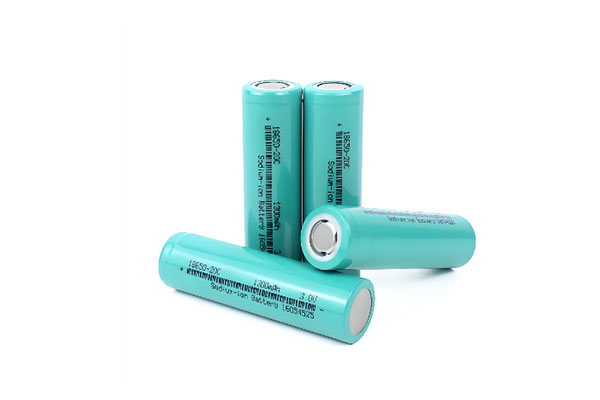
What Parameters Matter When Choosing Sodium-Ion Battery Voltage?
Cell Voltage vs. Battery Pack Voltage
When selecting a sodium-ion battery, it is important to distinguish between cell voltage, nominal voltage, charging cut-off voltage, and discharge cut-off voltage.
Cell voltage determines how many cells need to be connected in series, while the final battery pack voltage depends on the series configuration.
A simple calculation is:
Battery Pack Voltage ≈ Cell Nominal Voltage × Number of Cells in Series
For applications requiring a higher DC bus voltage, multiple sodium-ion cells can be connected in series to build a battery pack with the required voltage level.
Do Not Focus Only on Nominal Voltage
Nominal voltage is mainly used to describe the typical operating voltage of a battery system. It does not mean that the battery will remain at this voltage throughout the entire charging and discharging process.
The actual battery selection should also consider the maximum charging voltage, minimum discharge voltage, operating voltage range, and BMS protection settings.
How to Choose Sodium-Ion Battery Voltage for Different Applications?
Small Energy Storage and Backup Power
For residential energy storage, small off-grid systems, and backup power applications, the first consideration should be compatibility with the inverter, controller, and electrical loads.
For low-power systems, a relatively low voltage configuration may be sufficient. As the system power increases, a higher voltage can reduce the operating current at the same power level, helping reduce the current requirements of cables and electrical connections.
Residential and Solar Energy Storage
Residential energy storage systems usually need to work with photovoltaic inverters and battery energy storage inverters. When selecting sodium-ion batteries, users should first determine the battery input voltage range of the inverter and then determine the appropriate battery series configuration.
For example, if a system is designed around a 48V DC voltage level, the battery should not be selected based only on its capacity. The actual operating voltage range of the battery pack must also be compatible with the inverter.
Commercial and Industrial Energy Storage
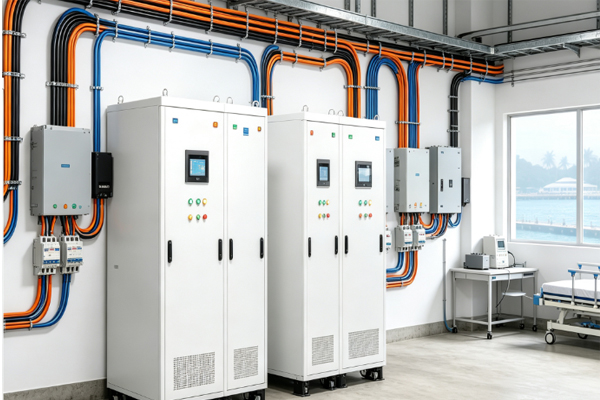
Commercial and industrial energy storage systems typically require higher power and larger battery capacities, making system voltage an important design factor.
A higher system voltage can reduce the current required for the same power output. This can help reduce cable requirements, connection losses, and the current load on certain electrical components.
For large-scale energy storage projects, sodium-ion battery systems can be designed with different voltage architectures according to the required capacity and power level.
What Factors Should Be Considered When Selecting Sodium-Ion Battery Voltage?
Load Power
There is a direct relationship between power, voltage, and current:
P = U × I
At the same power level, increasing system voltage generally reduces the required operating current. Therefore, high-power equipment is often more suitable for higher-voltage battery systems.
Inverter and Charging Equipment
The battery voltage must be compatible with the inverter, charger, and other electrical equipment.
Deligreen provides sodium-ion battery solutions that can be customized according to project requirements, including battery voltage, capacity, BMS communication, and connectors. This makes it possible to develop battery configurations for different energy storage applications.
BMS Configuration
The Battery Management System (BMS) provides important functions such as overcharge protection, over-discharge protection, overcurrent protection, and temperature monitoring.
The BMS must match the number of cells connected in series. When the battery voltage configuration changes, BMS sampling channels, protection parameters, and communication settings may also need to be adjusted.
Future Expansion Requirements
If the energy storage system may need additional battery capacity in the future, expansion should be considered during the initial design stage.
The number of parallel battery packs, communication architecture, inverter compatibility, and available installation space should all be evaluated in advance. A suitable voltage architecture can help reduce modification costs when the system is expanded later.
What Is the Best Way to Choose Sodium-Ion Battery Voltage?
A practical selection process can follow these steps:
Determine the load → Determine the system power → Check the inverter voltage range → Determine the number of cells in series → Configure the BMS → Determine battery capacity and parallel configuration.
For small devices, voltage compatibility and installation convenience are usually the main concerns.
For residential energy storage, special attention should be paid to inverter compatibility and the battery operating voltage range.
For commercial and industrial energy storage, system power, operating current, cable requirements, BMS configuration, thermal management, and future expansion should be considered together.
What Should You Consider When Choosing a Sodium-Ion Battery Supplier?
Voltage is only one of the important parameters when selecting a sodium-ion battery. Other factors include battery capacity, cycle life, continuous charge and discharge power, operating temperature, BMS communication protocols, certifications, and transportation requirements.
Deligreen offers sodium-ion battery cells and battery pack solutions and supports customization of parameters such as voltage, capacity, and BMS communication. These solutions can be configured for residential energy storage, commercial and industrial energy storage, and other applications.
Conclusion
How to choose the right sodium-ion battery voltage depends on more than simply selecting a higher voltage. The battery system should be properly matched with the load, inverter, BMS, and overall energy storage architecture.
For small applications, compatibility and ease of installation are key considerations. For high-power and large-scale energy storage systems, a higher-voltage architecture can help reduce system current and improve overall system efficiency.
By considering voltage, capacity, power, BMS configuration, and application requirements together, users can select a more reliable and cost-effective sodium-ion battery solution.