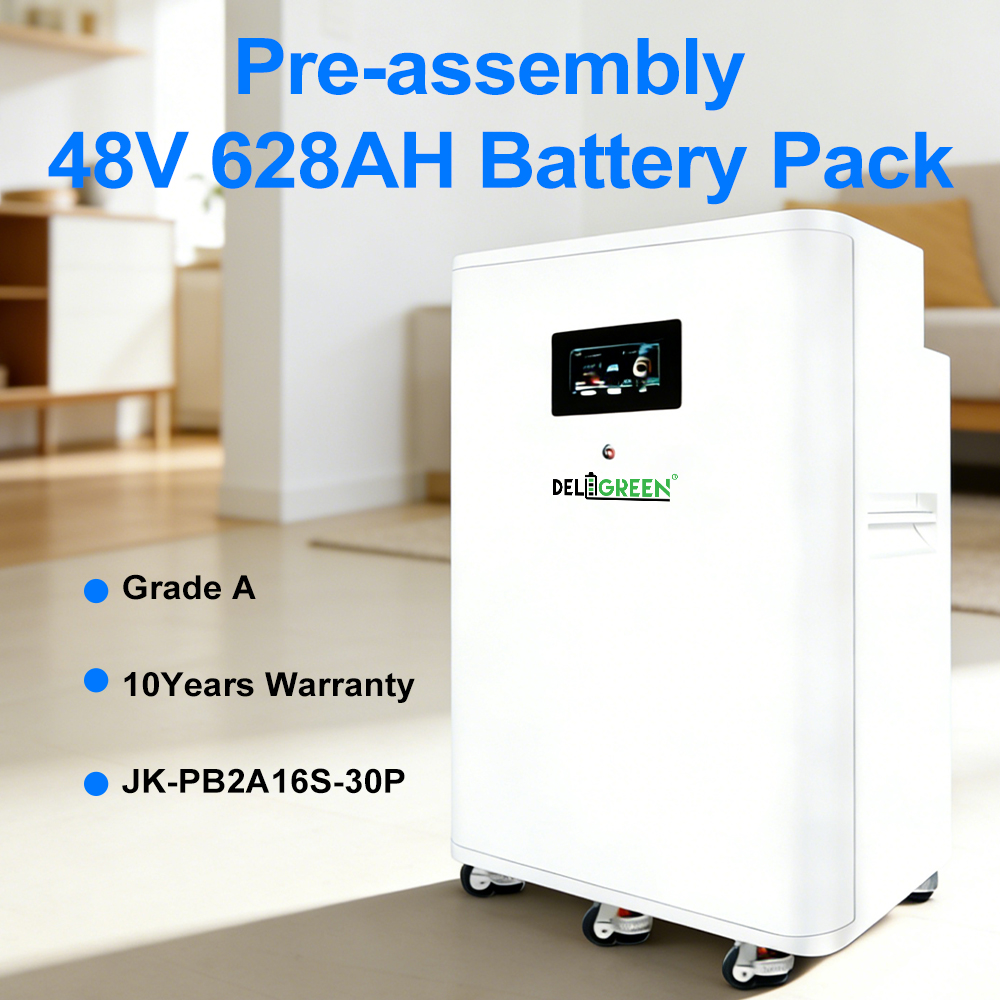
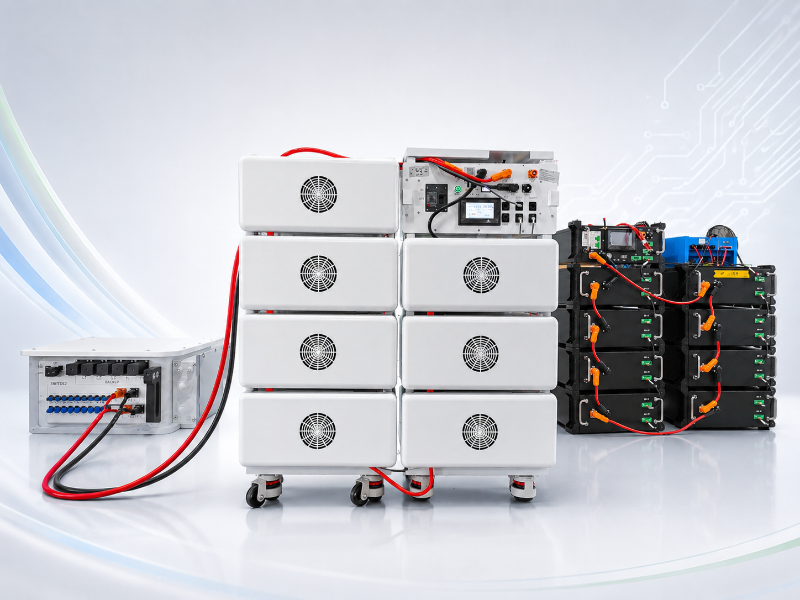
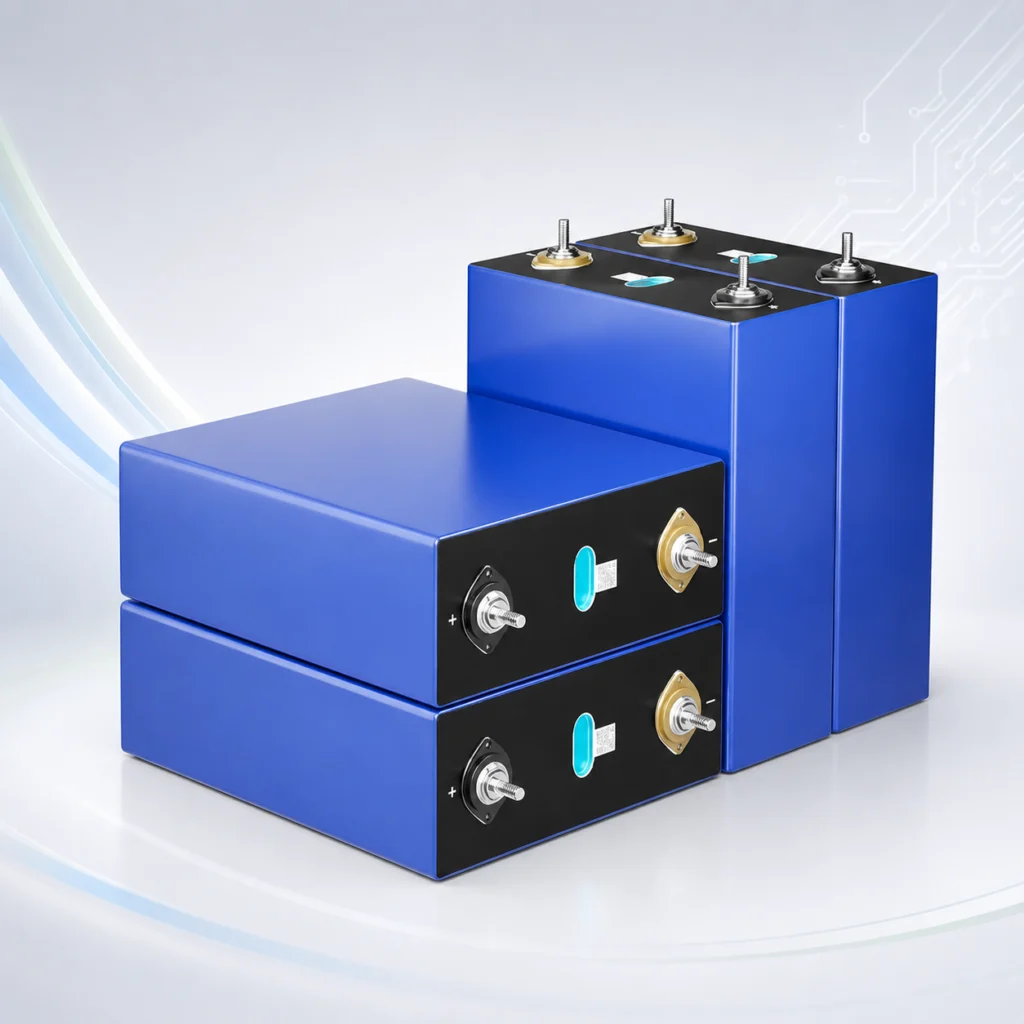
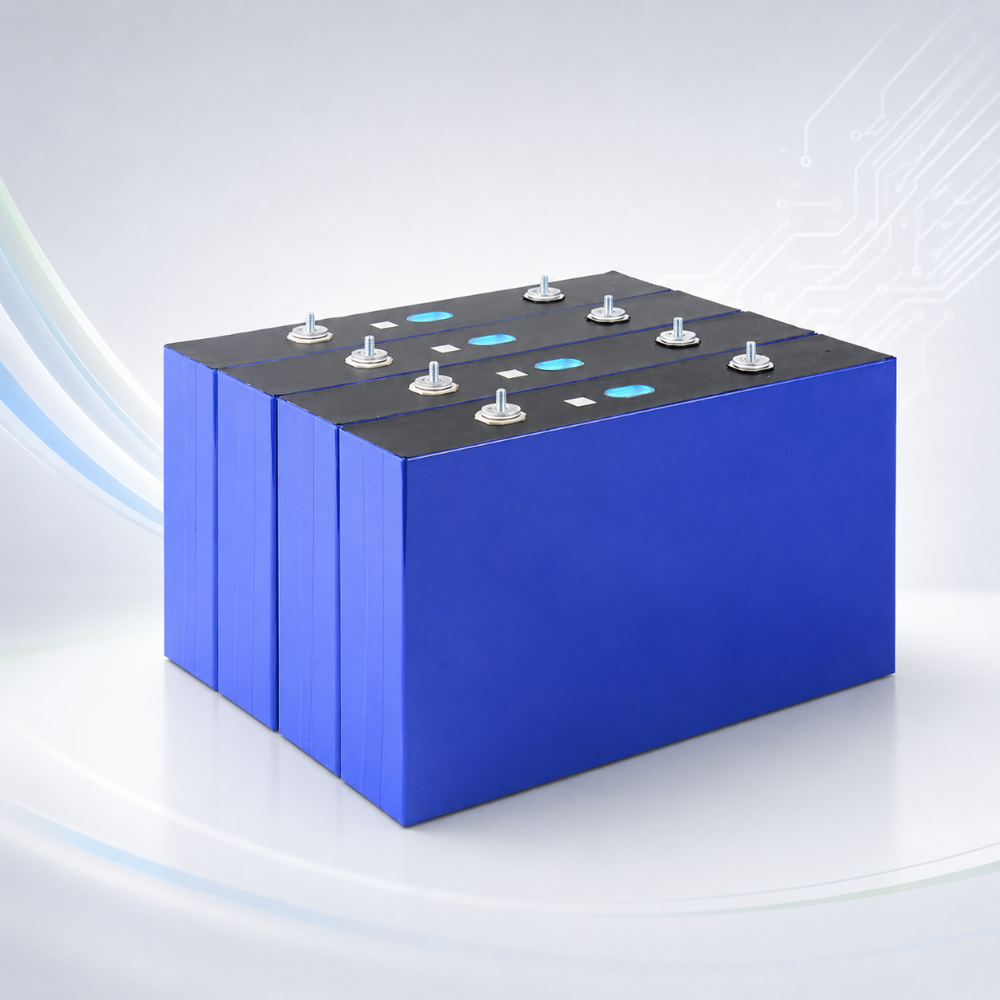
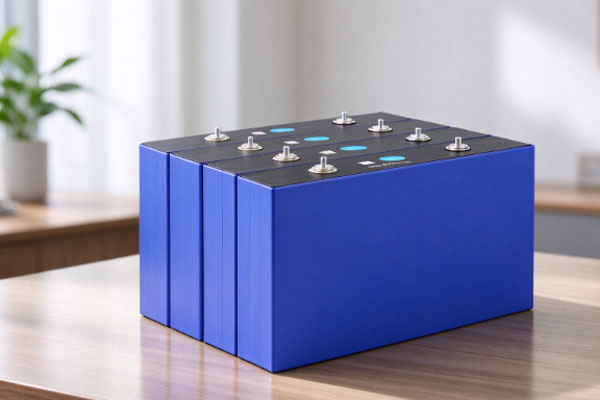
Lithium deep-cycle batteries are mainly used in energy storage systems, RVs, electric golf carts, low-speed vehicles, cleaning equipment, industrial equipment, and backup power applications that require repeated charging and discharging. The performance of a lithium deep-cycle battery is related to its rated voltage, capacity, continuous discharge current, peak current, cycle life, depth of discharge, charging parameters, operating temperature, and cell type.
The International Electrotechnical Commission has established corresponding performance testing and labeling standards for lithium batteries. These performance tests cover data such as capacity, power, energy density, storage life, and cycle life, indicating that lithium battery performance should be evaluated based on multiple parameters rather than a single indicator. For deep-cycle batteries, special attention should also be paid to cycle test conditions, such as discharge rate, depth of discharge, and cut-off voltage, because cycle life results obtained under different test conditions cannot be directly compared in a simple manner.
Rated Voltage and Capacity Determine Basic Energy Storage Capability
Rated Voltage Needs to Match the Equipment
Common nominal voltages for lithium deep-cycle batteries include 12V, 24V, 36V, and 48V. The actual operating voltage of a lithium battery pack varies according to the number of cells connected in series. For example, common lithium iron phosphate battery packs may use a 4-series structure for 12V-class products, an 8-series structure for 24V-class products, and a 16-series structure for 48V-class products. Therefore, when checking battery parameters, do not only look at the “48V” marked on the packaging. It is also necessary to confirm the battery’s actual nominal voltage, charge cut-off voltage, and the input voltage range allowed by the equipment. Different battery chemistries have different operating voltage ranges. Relevant IEC standards also treat nominal voltage and discharge cut-off voltage as important parameters for describing lithium battery performance.
Ah Capacity Needs to Be Calculated Together With Voltage
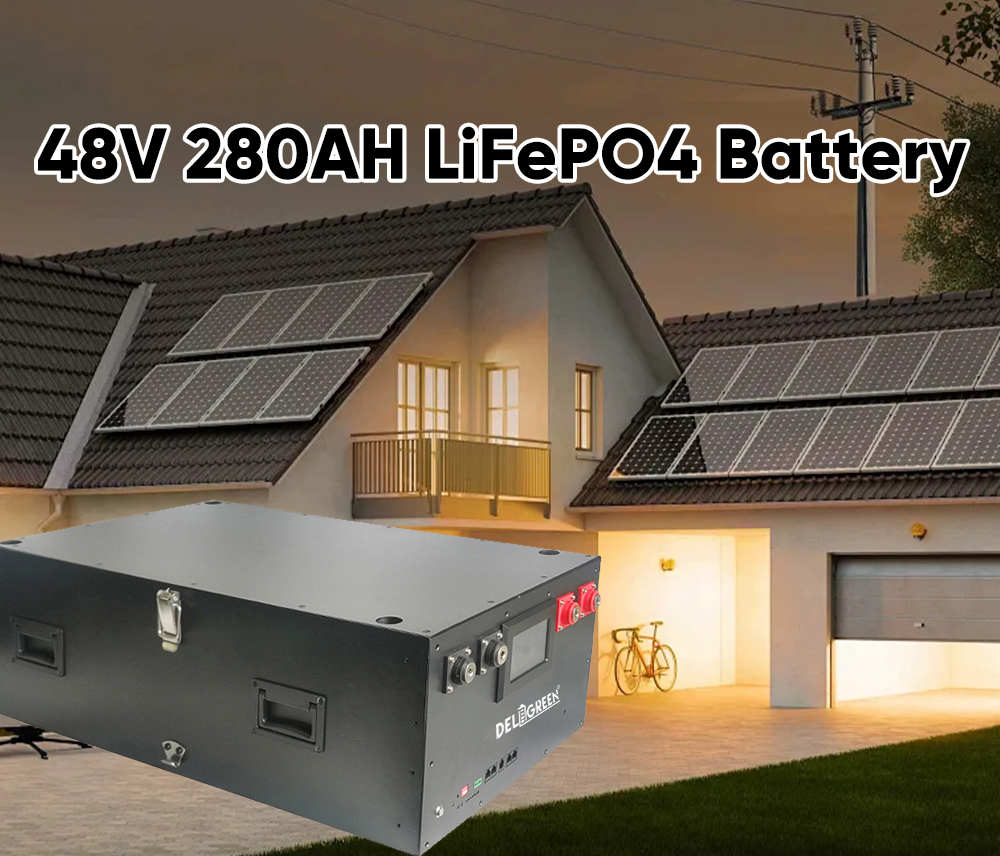
Battery capacity is usually expressed in Ah. For example, a 51.2V 280Ah lithium deep-cycle battery has a theoretical rated energy of approximately: 51.2V × 280Ah = 14.34kWh
A larger capacity usually means more stored electrical energy, but the actual usable energy is also affected by depth of discharge, load power, temperature, and battery management system settings.
Discharge Capability and Cycle Life Reflect Actual Performance
Continuous Discharge Current Determines Load Adaptability
Deep-cycle batteries are often used in motors, vehicles, and energy storage equipment. These loads may generate high currents during starting, acceleration, climbing, or heavy-load operation. The continuous discharge current capability specified in the parameters is therefore very important. For example, if a 100Ah battery is rated for 100A continuous discharge, this can be understood as a rated continuous discharge capability of 1C. If it is rated for 200A, this corresponds to 2C. The C-rate is used to indicate the charging and discharging rate of a battery. 1C means theoretically discharging at a current corresponding to the battery’s rated capacity. It should be noted that peak discharge current cannot replace continuous discharge current. Some batteries can provide a high current for a short period, but this does not mean they can maintain this output for a long time. Therefore, when selecting a battery for electric equipment, the continuous power and starting current of the equipment should be checked separately.
Cycle Count Needs to Be Evaluated Based on Test Conditions
Cycle life is an important indicator for evaluating deep-cycle batteries, but figures such as “6,000 cycles” or “8,000 cycles” must be analyzed together with the test conditions. For example, if a battery is rated at 6,000 cycles, it is also necessary to know the DOD (depth of discharge), charging and discharging rate, ambient temperature, and the remaining capacity level used to determine the result. Different test conditions can produce significantly different cycle life data. Data indicates that a lower depth of discharge can generally reduce the cycling stress placed on a battery, while higher temperatures and larger currents may also accelerate capacity degradation. Therefore, when comparing two lithium deep-cycle batteries, it is better to select cycle life data tested under similar conditions rather than directly comparing the number of cycles.
Check the BMS, Temperature, and Charging and Discharging Parameters
The BMS Affects Battery Operating Safety and Stability
BMS, or Battery Management System, is generally responsible for protection against overcharging, over-discharging, overcurrent, short circuits, and abnormal temperatures. For high-capacity lithium deep-cycle batteries, it is also necessary to check the BMS continuous current, peak current, and communication functions. If a battery has a large capacity but the BMS allows only a relatively low continuous output current, the battery may still be limited during actual equipment operation. Therefore, when checking battery parameters, the cell capacity + BMS continuous current + BMS peak current can be considered together.
Pay Attention to Operating Temperature and Charging Conditions
Temperature affects the performance and service life of lithium batteries. Long-term operation in high-temperature environments may accelerate battery capacity degradation, while low temperatures may reduce charging and discharging capability. The specific temperature range of a lithium battery should also be determined according to the cell chemistry and manufacturer’s specifications. Charging parameters are equally important, including standard charging current, maximum charging current, charge cut-off voltage, and low-temperature charging limitations. Safety requirements for stationary lithium battery systems also cover installation, operation, inspection, maintenance, and disposal.
Frequently Asked Questions
Q: Does a lithium deep-cycle battery with a higher Ah capacity have better performance?
A: Not necessarily. Ah mainly reflects rated capacity. Even if two batteries have the same capacity, their actual performance may differ due to differences in continuous discharge current, cycle life, BMS configuration, cell consistency, and operating temperature range.
Q: How can I determine whether a battery is suitable for high-power equipment?
A: Focus on the continuous discharge current and peak discharge current. First estimate the operating current based on the equipment power, then check whether the battery and BMS can meet the continuous load and instantaneous starting current requirements. For motor-driven equipment, current changes during starting, acceleration, and climbing should also be considered.
Q: Which parameters should be prioritized when purchasing a lithium deep-cycle battery?
A: At a minimum, check the rated voltage, Ah capacity, rated energy, continuous discharge current, peak discharge current, cycle life, DOD, charging current, operating temperature, BMS functions, and cell type. For energy storage or vehicle applications, also confirm the installation space, communication interface, and whether the equipment-side charger is compatible.
Judging lithium deep-cycle battery performance through battery parameters can be carried out in the following order: voltage and capacity → discharge capability → cycle life → BMS and temperature → actual application conditions. Capacity determines the basic energy storage capability, discharge current determines the load capability, cycle life reflects the ability to withstand repeated use, while the BMS, temperature range, and charging and discharging parameters directly affect operating stability.
When purchasing, it is not recommended to focus only on one prominent number. For products with the same capacity and voltage, further check the cycle life test conditions, DOD, continuous discharge capability, and protection parameters, and then evaluate them according to the actual power requirements of the equipment. This allows a more accurate assessment of whether a lithium deep-cycle battery is suitable for vehicles, energy storage, electric equipment, and other applications involving long-term repeated charging and discharging.