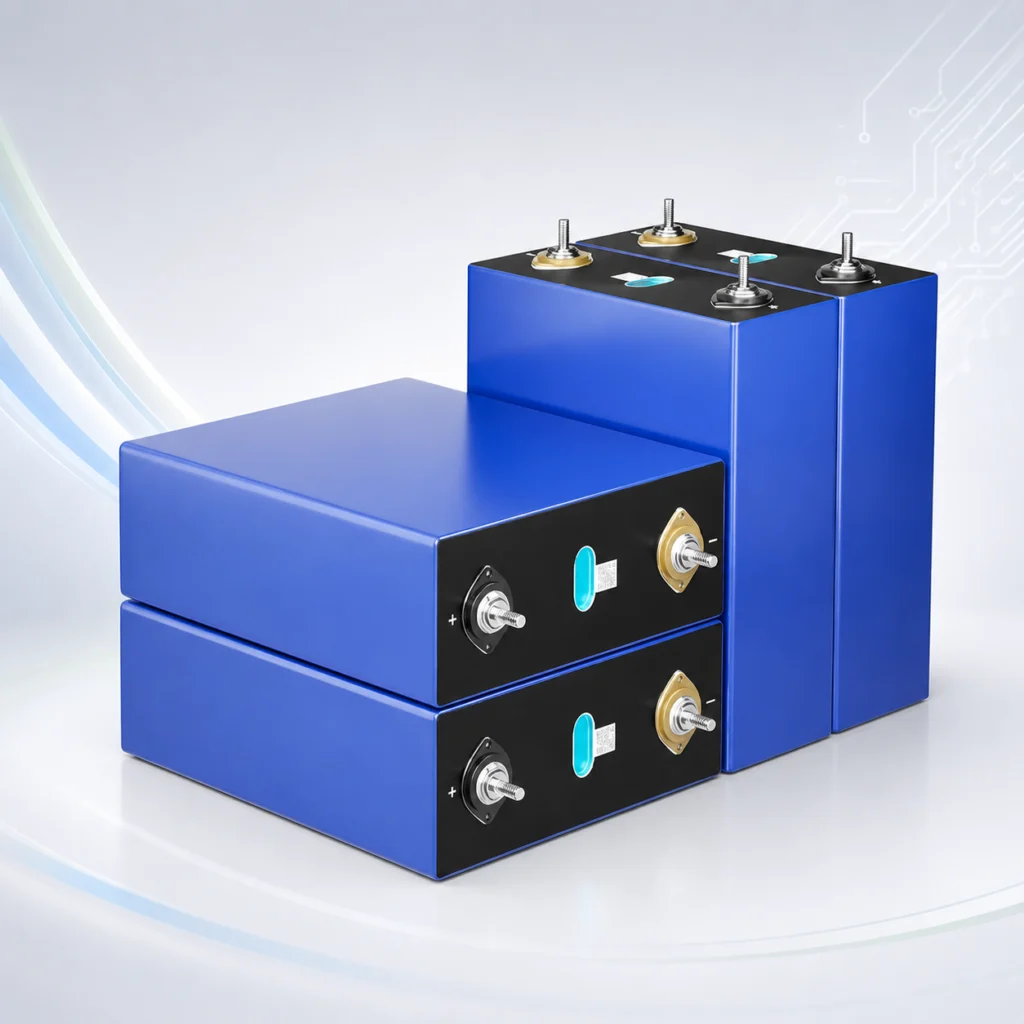
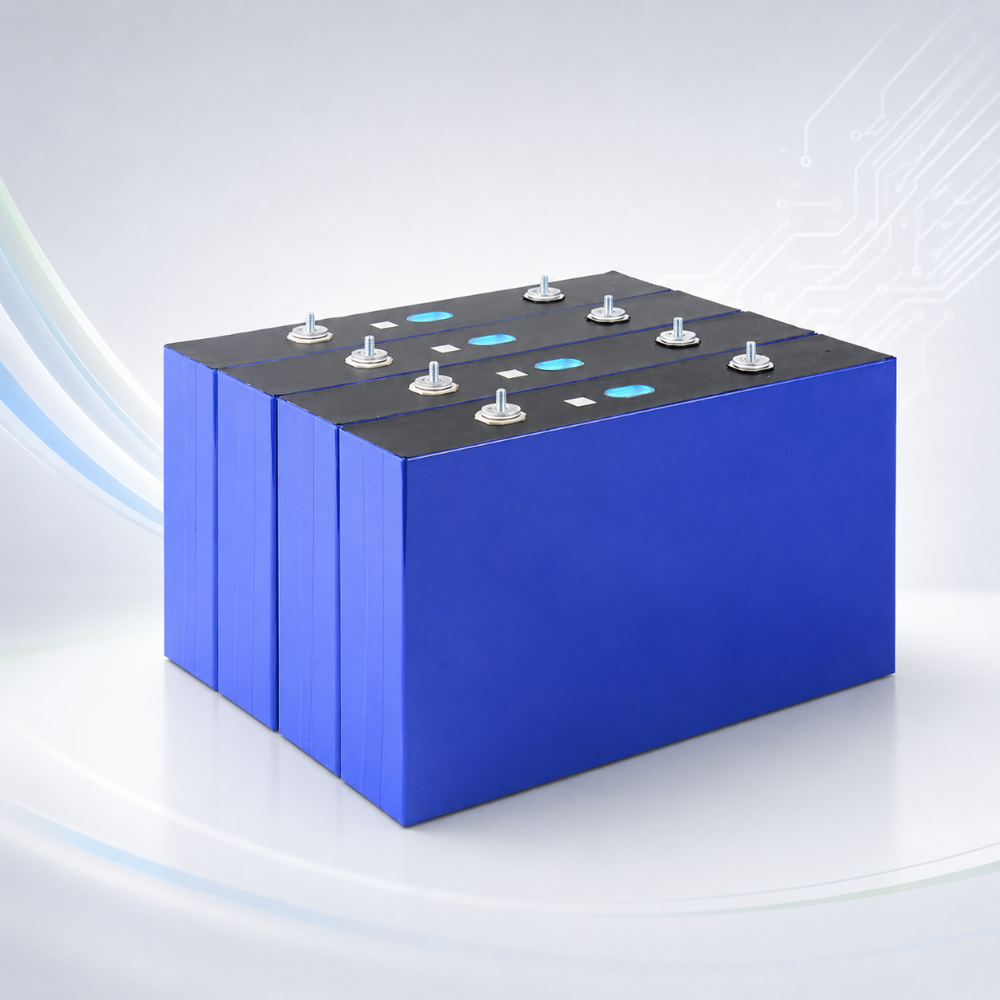
With the growing demand for residential energy storage, solar power systems, commercial and industrial energy storage, and off-grid power solutions, lithium iron phosphate (LiFePO4) batteries have become a popular choice in the energy storage market. For buyers, choosing a reliable LiFePO4 battery supplier affects not only product quality and purchasing costs but also the long-term stability and maintenance of the energy storage system.
There are many battery suppliers in the market, and their manufacturing capabilities, cell quality, product specifications, and after-sales services can vary. Understanding the key evaluation criteria before purchasing helps buyers find a supplier that meets their project requirements.

Check the Supplier’s Manufacturing Capacity and Industry Experience
When evaluating a LiFePO4 battery supplier, buyers should understand the manufacturer’s production capacity, industry experience, and supply capabilities. Suppliers with stable manufacturing operations can usually provide batteries with different capacities, voltages, and dimensions according to customer requirements while maintaining consistent delivery schedules. For residential and commercial energy storage projects, a reliable supply is important. Buyers placing large orders should confirm whether the manufacturer can support bulk production and continuous supply.
Industry experience is another important consideration. Manufacturers with years of experience in LiFePO4 battery production and sales generally have a better understanding of cell selection, battery assembly, battery management systems, and energy storage applications. Buyers can review the supplier’s main product categories, application cases, and customization services.
If a project has specific requirements for battery capacity, dimensions, installation methods, or communication functions, it is also important to confirm whether the supplier has the necessary technical capabilities.
Examine Battery Quality and Core Technology
Battery quality directly affects the safety, service life, and operating performance of an energy storage system. When evaluating a supplier, buyers should check the battery cell type, battery management system, manufacturing processes, and quality inspection procedures.
High-quality LiFePO4 batteries should have stable cell performance, reliable electrical connections, and comprehensive protection functions. Product quality should not be judged by price or appearance alone.
During the purchasing process, buyers should pay attention to the following points:
- Battery Cell Quality: Check the cell source, capacity consistency, internal resistance, and cycle life to ensure they meet project requirements.
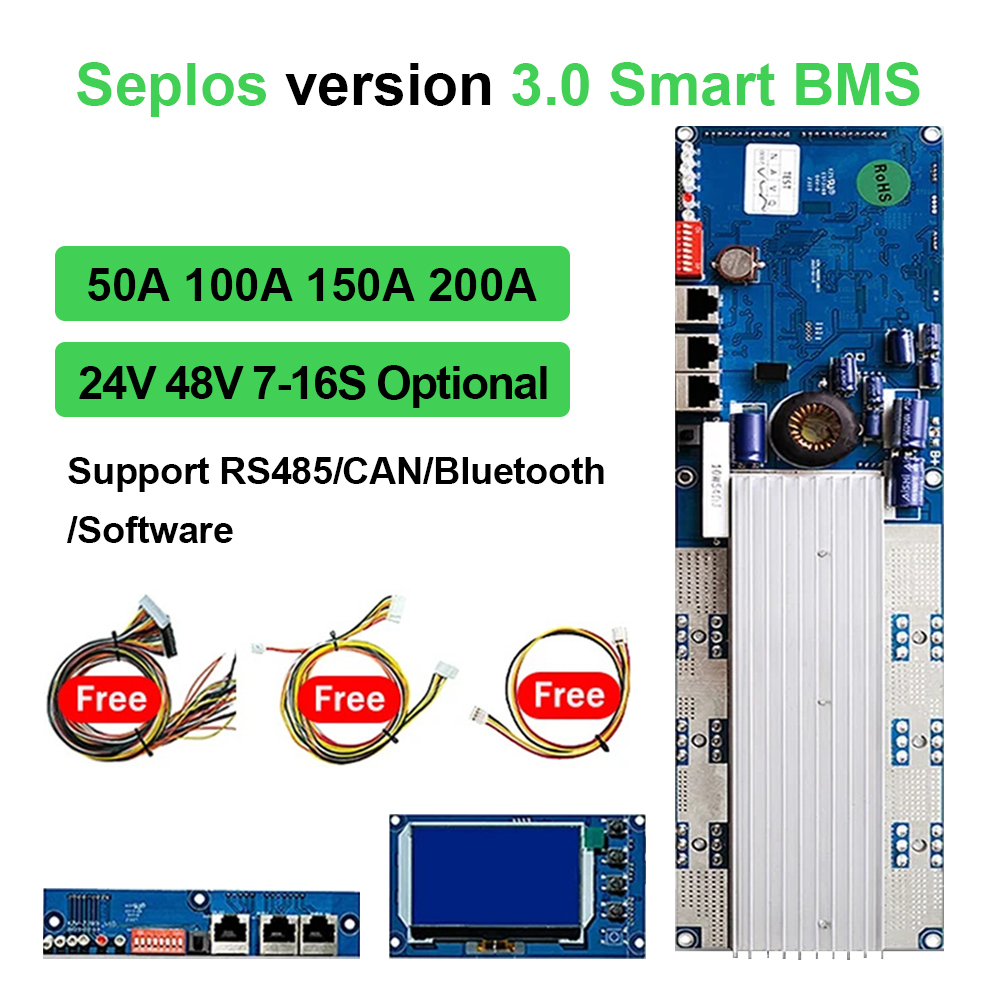
- Battery Management System (BMS): Confirm that the system provides overcharge, over-discharge, overcurrent, short-circuit, and temperature protection.
- Product Testing: Check whether the manufacturer performs capacity tests, charge and discharge tests, and factory quality inspections.
- Safety Performance: Confirm whether the product has applicable safety test reports and relevant certifications.
The battery management system is an essential component of an energy storage battery. It monitors battery voltage, current, and temperature while providing protection based on operating conditions. For energy storage projects that require long-term operation, a reliable BMS helps reduce risks caused by abnormal charging and discharging.
Buyers should request clear product specifications and testing documents from suppliers to determine whether the batteries meet their actual application requirements.
Evaluate Product Specifications and Customization Capabilities
Different energy storage projects have different requirements for LiFePO4 batteries. Residential energy storage systems usually focus on battery capacity, installation space, and inverter compatibility. Commercial and industrial projects place greater importance on continuous output, cycle life, and system expansion. RV and off-grid applications may require additional consideration of battery weight, dimensions, and portability.
A reliable supplier should provide clear product specifications and recommend suitable battery configurations according to actual requirements.
Buyers should check the following specifications:
- Rated voltage
- Rated capacity
- Usable capacity
- Maximum charging and discharging current
- Cycle life
- Operating temperature range
- Communication protocols
For customers connecting batteries to solar power systems, compatibility with existing inverters and charging equipment should also be confirmed. Common communication protocols include CAN and RS485, although actual support depends on the specific battery model.
If standard products cannot meet project requirements, buyers can ask whether the supplier offers customized battery solutions. Customization may include special dimensions, battery capacity, connection interfaces, and installation structures.
Confirming technical specifications before purchasing helps reduce compatibility problems during installation and ensures that the battery is suitable for its intended application.
Compare Supplier Prices and After-Sales Services
Price is an important consideration when purchasing LiFePO4 batteries, but choosing the supplier with the lowest quotation is not always the best decision. Different manufacturers may use different battery cells, BMS configurations, enclosure materials, testing standards, and warranty policies. These differences can affect the final product price.
Buyers should compare quotations based on consistent product specifications and confirm whether the price includes necessary accessories, technical support, and shipping costs.
The following points are worth checking:
- Pricing Transparency: Confirm whether the quotation includes battery configurations, accessories, packaging, and shipping costs.
- Warranty Policy: Understand the warranty period, coverage conditions, and fault-handling procedures.
- Technical Support: Check whether the supplier provides installation guidance, parameter information, and compatibility recommendations.
- After-Sales Response: Find out whether the manufacturer can provide timely assistance when battery faults or abnormal performance occur.
After-sales service is particularly important for energy storage systems designed for long-term operation. During use, batteries may experience charging abnormalities, communication faults, or unexpected capacity performance. Suppliers with responsive technical support can help reduce equipment downtime and maintenance costs.
Before purchasing, buyers should confirm whether the warranty covers both battery cells and the BMS and whether the supplier has a clear after-sales service process.
How to Choose the Right LiFePO4 Battery Supplier?
Choosing the right LiFePO4 battery supplier requires evaluating product quality, manufacturing capacity, technical specifications, pricing, and after-sales support.
For residential energy storage users, battery capacity, safety protection, and inverter compatibility are important considerations. Commercial and industrial buyers should pay closer attention to bulk supply capabilities, product consistency, and long-term operating stability. For specialized applications, buyers should also confirm whether the manufacturer can provide customized solutions based on installation space and operating requirements.
Before placing an order, buyers should request product datasheets, testing reports, certification documents, and warranty information. These materials make it easier to compare suppliers and evaluate product reliability.
For large purchases, ordering samples for testing is also a practical option. Buyers can check battery capacity, charging and discharging performance, communication functions, and installation compatibility before proceeding with bulk orders.
A reliable LiFePO4 battery supplier should offer more than products that meet technical specifications. Stable supply capabilities, effective quality management, and ongoing technical support are equally important. By carefully evaluating suppliers and their products, buyers can reduce purchasing risks and improve the reliability of energy storage systems for residential, solar, and commercial applications.