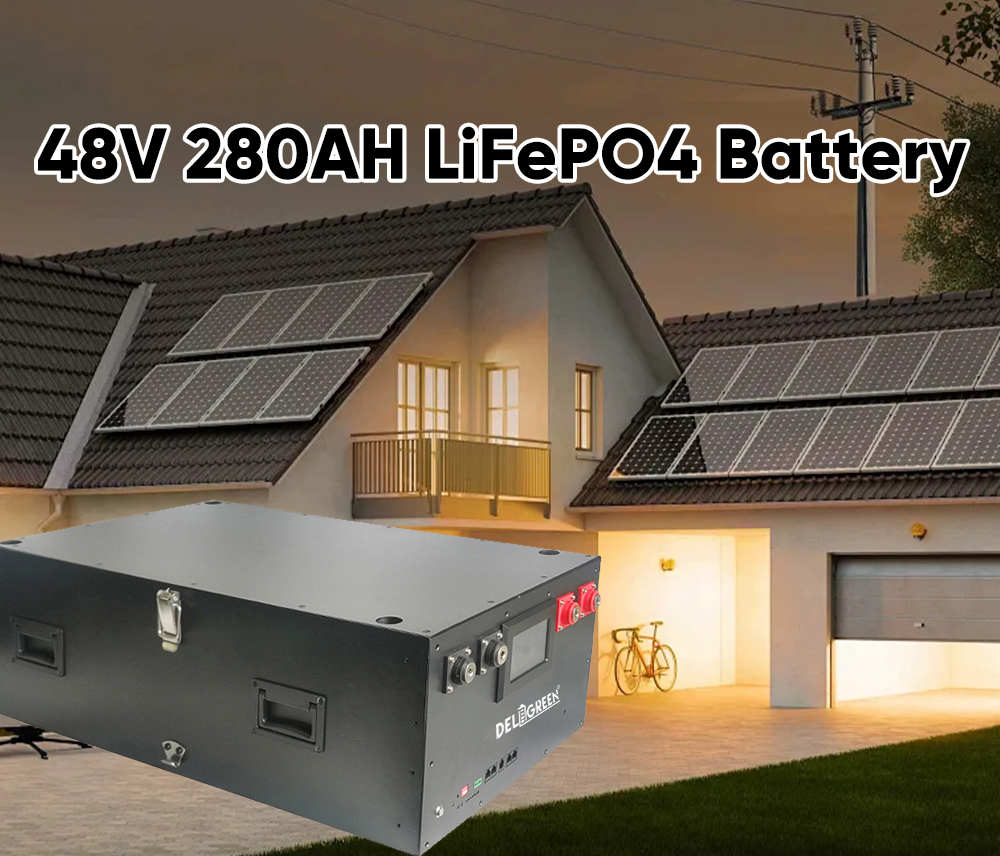
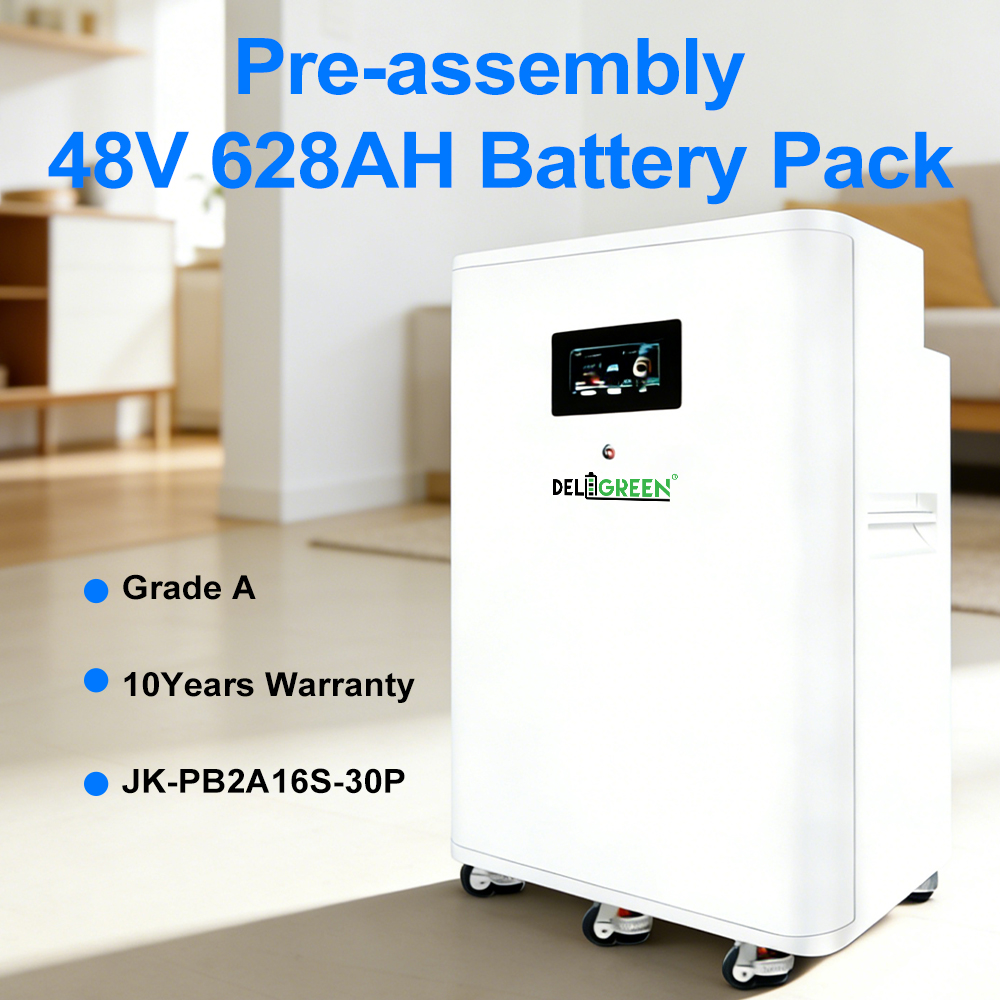
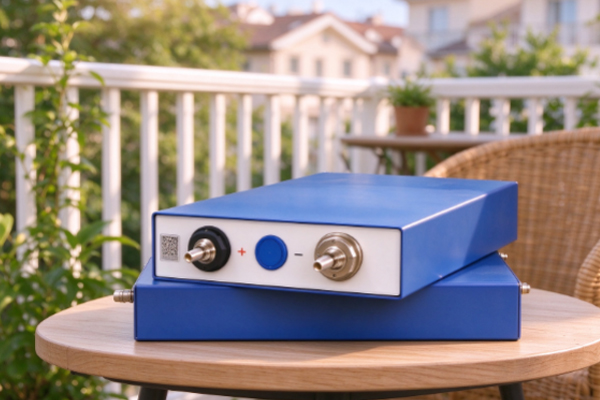
With the growing popularity of residential solar power systems, more households are installing energy storage batteries to store excess electricity for nighttime use and power outages. A 15kWh home energy storage battery provides a practical storage capacity for families with moderate to high electricity consumption. Lithium iron phosphate (LiFePO4) batteries are widely used in residential storage systems because of their good cycle life, thermal stability, and reliable performance. Choosing the right configuration helps improve solar energy utilization and provide a stable household power supply.
Which Homes Are Suitable for a 15kWh Battery?
A 15kWh home energy storage battery is suitable for households with higher electricity consumption or longer backup power requirements. It can supply common appliances such as refrigerators, lights, televisions, routers, and computers. For homes with air conditioners, washing machines, and other high-power appliances, actual usage time depends on total electricity consumption and battery capacity. When connected to a solar power system, the battery stores excess daytime electricity for nighttime use, reducing dependence on the public grid. It can also provide backup power during outages, although running several high-power appliances simultaneously will shorten the available operating time.
How to Configure a 15kWh Energy Storage Battery?
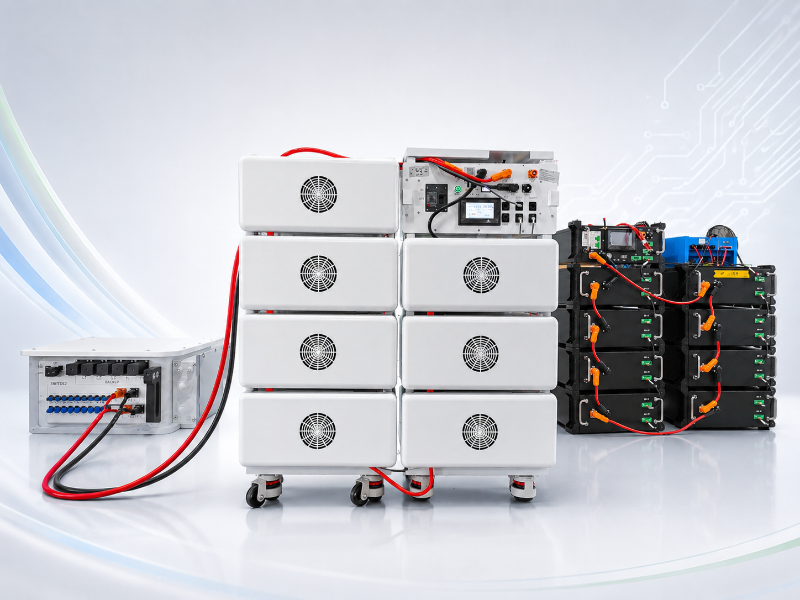
A suitable 15kWh storage system requires compatible batteries, inverters, solar panels, and protection devices. Before purchasing, check the battery voltage, charging current, usable capacity, and inverter output power.
- Battery Capacity: Choose a 15kWh battery and check its usable capacity and depth of discharge.
- Inverter: Select an inverter with sufficient continuous and peak output power.
- Solar Panels: Match the solar panel capacity to household electricity consumption and local sunlight conditions.
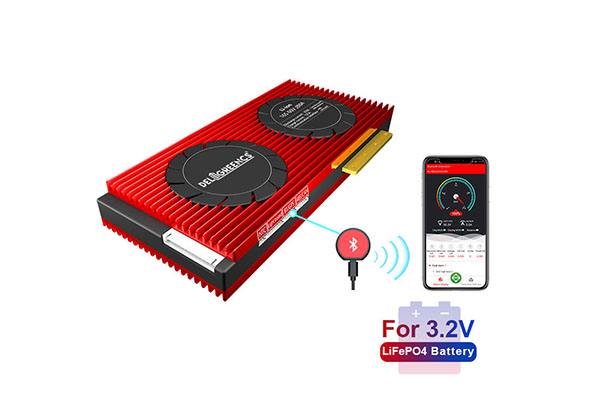
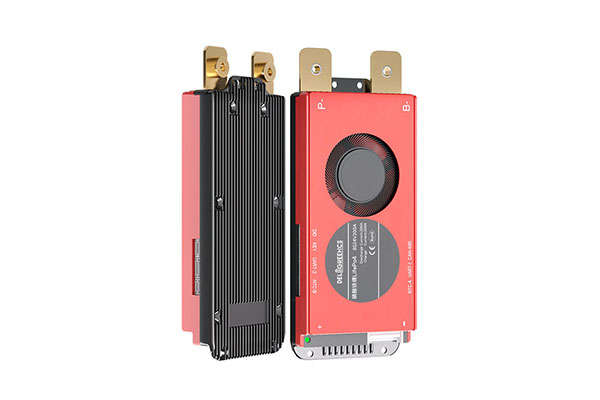
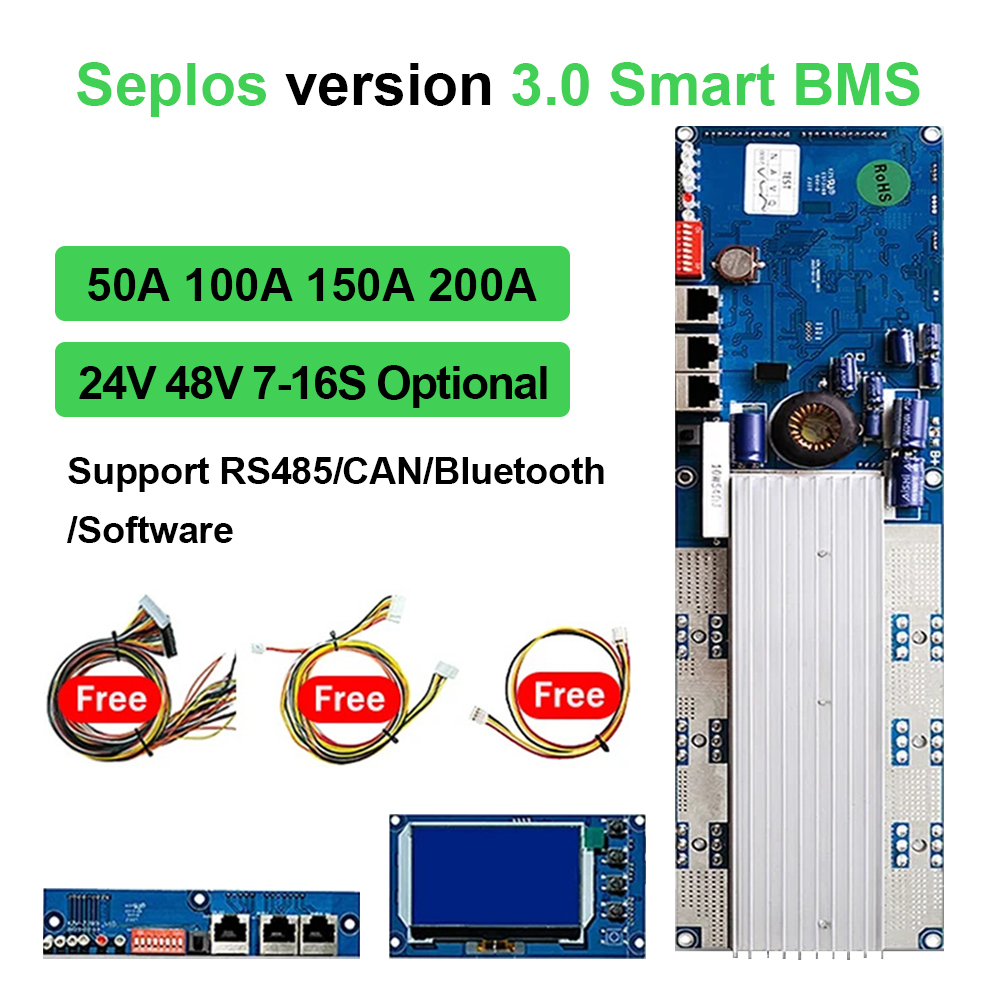
- BMS: Choose a battery management system with overcharge, over-discharge, overcurrent, and temperature protection.
- Accessories: Prepare suitable cables, circuit breakers, and installation brackets.
Battery and inverter compatibility is particularly important. Check the supported voltage range and communication protocols, such as CAN or RS485. Proper equipment matching helps maintain stable operation and makes future system expansion easier.
Advantages of 15kWh LiFePO4 Batteries
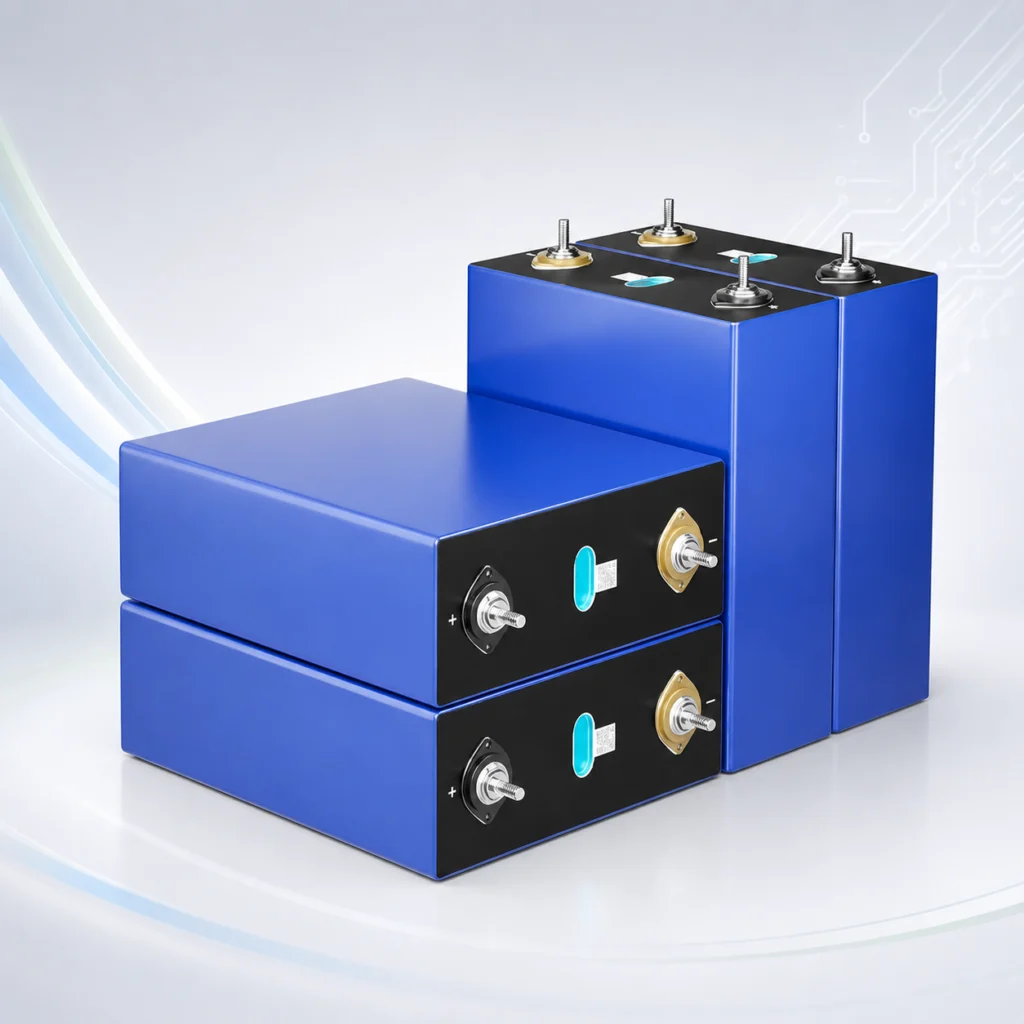
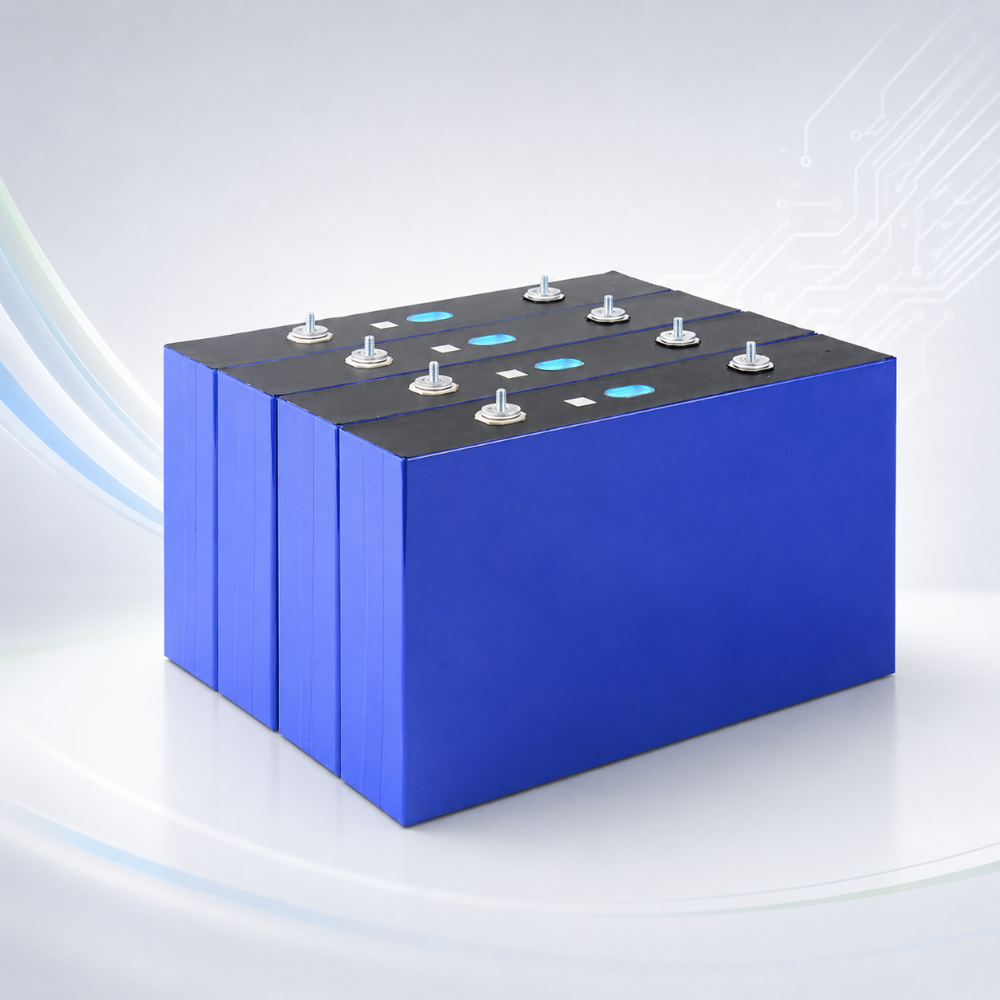
LiFePO4 batteries are commonly used in residential energy storage because of their good thermal stability and cycle performance. They are suitable for systems that require frequent charging and discharging. A 15kWh LiFePO4 battery can store sufficient electricity for household use and emergency backup. Its battery management system monitors voltage, current, and temperature to help protect the battery during operation. Some models also support parallel connections for future capacity expansion. When purchasing, check cell quality, cycle life, usable capacity, charging performance, and warranty conditions to ensure the battery meets household requirements.
What Should You Consider During Installation?
Proper installation is essential for the safety and reliability of a home energy storage system. A 15kWh battery usually works with an inverter, solar charging equipment, and electrical protection devices. It should be installed in a dry, well-ventilated location that meets the manufacturer’s requirements. Suitable circuit breakers, protective devices, and correctly sized cables should also be used. If the battery supports CAN or RS485 communication, confirm that the inverter uses a compatible protocol. After installation, professional technicians should test the charging and discharging functions, inverter operation, and battery protection settings.
How to Extend the Service Life of a 15kWh Battery?
Proper operation and maintenance help maintain battery performance over time. Follow the manufacturer’s recommended charging voltage, discharge limits, and current settings. Avoid exposing the battery to extreme temperatures or unsuitable installation conditions. During normal operation, store excess solar electricity during the day and use it at night. During power outages, prioritize essential appliances such as refrigerators, lighting, and communication equipment to reduce unnecessary power consumption. Regularly inspect battery connections, protective devices, and BMS operating status. If charging faults or abnormal temperatures occur, contact the supplier for technical assistance. Choosing quality LiFePO4 batteries and compatible equipment helps improve the reliability of residential energy storage systems.