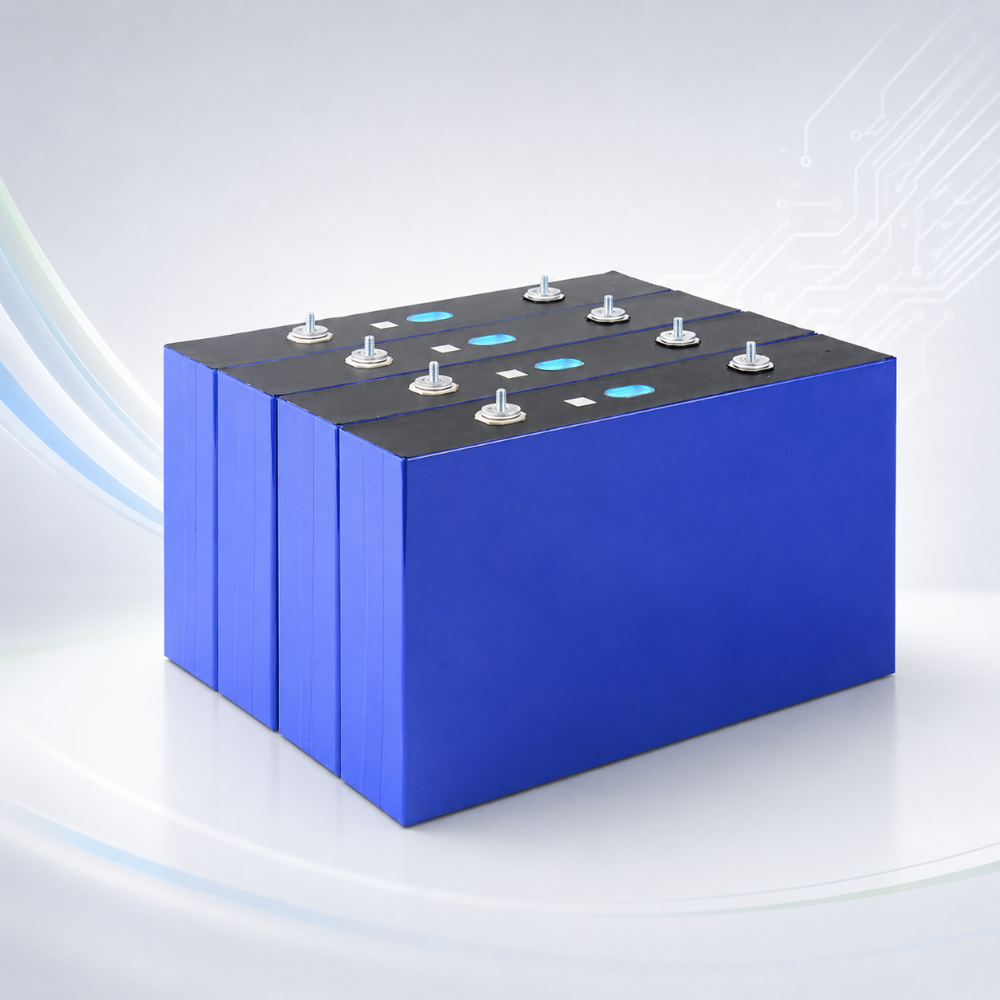
Lithium iron phosphate (LiFePO4) batteries are widely used in solar energy storage systems, RVs, marine applications, camping power supplies, and industrial equipment. Proper battery connections not only ensure normal equipment operation but also help reduce the risks of wiring errors, overcurrent, short circuits, and battery damage. Compared with traditional lead-acid batteries, LiFePO4 batteries offer a longer cycle life, higher energy efficiency, and more stable operating performance. However, their connection methods, voltage requirements, and charging conditions must still be carefully controlled.
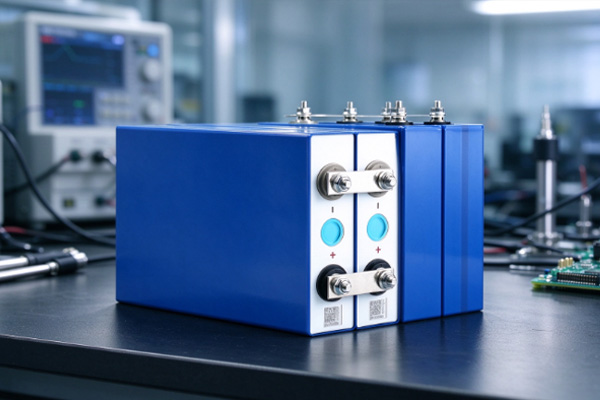
During installation, users need to select an appropriate connection method based on the equipment’s rated voltage, load power, battery capacity, and current requirements. Common connection methods include series and parallel connections. Series connections are primarily used to increase the total voltage of a battery bank, while parallel connections are mainly used to increase total capacity and available current. Regardless of the method used, users should confirm that the battery model supports the intended configuration, check the rated parameters of the battery management system (BMS), and use cables, fuses, and terminals that meet the relevant requirements. For applications such as RVs, marine equipment, and solar energy storage systems, proper wiring can also improve power supply stability and reduce maintenance costs.
What Preparations Are Needed Before Connecting the Battery?
Properly connecting a LiFePO4 battery starts with a pre-installation inspection. Even if the battery has built-in overcharge, over-discharge, and overcurrent protection, these features cannot completely eliminate the risks associated with incorrect wiring. Before installation, read the instructions provided by the battery manufacturer and confirm the permitted wiring methods, operating voltage, maximum continuous discharge current, and charging requirements.
Confirm Battery Parameters and Equipment Requirements
Different devices require different voltages and currents. For example, 12V RV power systems, 24V industrial equipment, and 48V energy storage systems have significantly different battery configuration requirements. Before connecting the battery, check the equipment’s rated input voltage and confirm that the battery bank can meet both startup current and continuous load requirements.
Check the rated voltage: Confirm that the battery voltage matches the input requirements of the inverter, motor, controller, or other electrical equipment.
Verify capacity and current: Select an appropriate battery capacity based on equipment power and operating time. At the same time, ensure that the battery’s continuous discharge current can meet the load requirements.
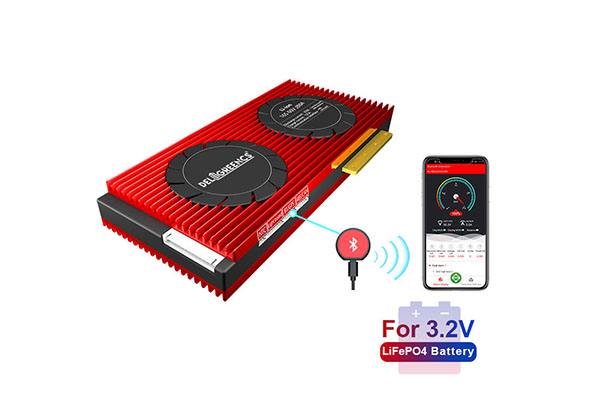
Confirm BMS parameters: Check whether the battery management system supports the planned series or parallel configuration and whether the maximum permitted voltage and current are sufficient.
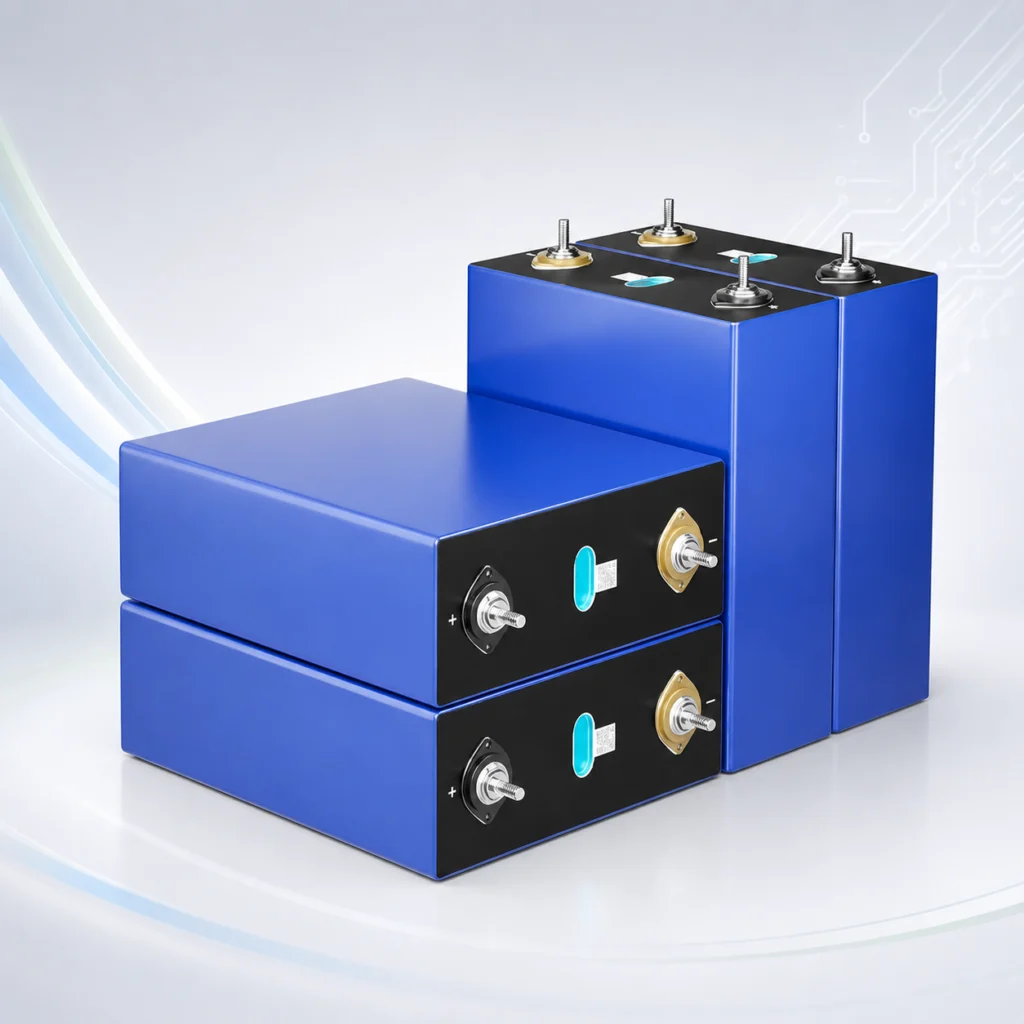
Inspect the battery condition: Examine the battery casing, positive and negative terminals, and connection points for damage, deformation, corrosion, or signs of abnormal heating.
Select Appropriate Connection Materials
Cables, terminals, and protective devices directly affect the operating safety of a battery system. Cables that are too thin may cause excessive voltage drop and increased temperatures, potentially damaging the insulation. Therefore, wire size should be determined according to the maximum operating current, cable length, installation environment, and allowable voltage drop rather than battery capacity alone. During installation, prepare connection cables that match the battery terminals, insulated tools, and DC fuses of appropriate ratings. Fuses are generally installed close to the battery’s positive terminal and should be selected according to the cable’s current-carrying capacity, expected fault current, and equipment requirements. For high-current systems, also confirm that circuit breakers, disconnect switches, and connectors are suitable for DC circuits.
Correct Steps for Connecting a LiFePO4 Battery
After completing the preparations, install the battery according to the wiring sequence specified by the manufacturer. Before making connections, turn off the inverter, charger, and other loads, disconnect external charging power sources, and confirm that the system is in a safe state. During installation, avoid allowing metal tools to contact both positive and negative terminals simultaneously, and prevent exposed terminals from touching metal enclosures.
How Do You Connect a Single Battery?
Connecting a single LiFePO4 battery is relatively straightforward, but the positive and negative terminals and equipment interfaces must still be identified correctly. Generally, the battery’s positive terminal connects to the positive power input of the equipment, while the negative terminal connects to the equipment’s negative terminal. For systems containing fuses, DC disconnect switches, or other protective devices, complete the connections according to the equipment wiring diagram.
Identify the positive and negative terminals: Confirm polarity using the terminal markings and manufacturer’s instructions. Do not rely solely on cable colors.
Install the positive cable: Connect the positive cable according to the wiring diagram and install the specified fuse or protective device in the appropriate location.
Connect the negative cable: Connect the negative cable according to the equipment requirements, ensuring that the connection point is correct and the terminal contact is reliable.
Secure the terminals: Tighten the terminals to the torque specified by the manufacturer. Loose connections can cause overheating, while excessive tightening may damage the terminals or threads.
After completing the connections, inspect the wiring again for loose connections, exposed conductors, and damaged insulation. Before powering on the system for the first time, consult the equipment manual to determine whether pre-charging is required to reduce the transient inrush current caused by input capacitors in devices such as inverters.
What Should You Consider When Connecting Multiple Batteries in Series or Parallel?
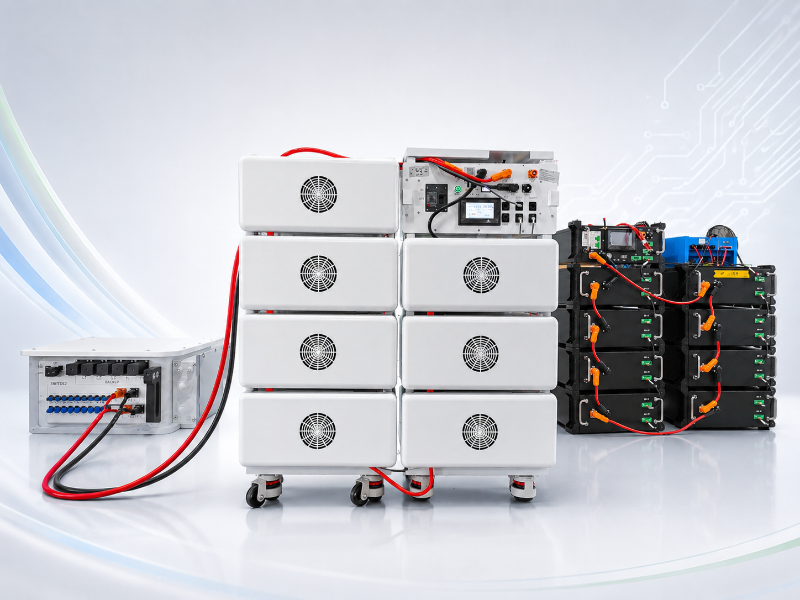
When a single battery cannot meet the power supply requirements, series or parallel connections may be used according to the system design. However, not all LiFePO4 batteries support arbitrary configurations. Before connecting multiple batteries, confirm the maximum number of batteries permitted by the manufacturer, the upper voltage limit for series connections, the current limits for parallel connections, and BMS compatibility.
Series Connection: Increasing Battery Bank Voltage
For a series connection, connect the positive terminal of the first battery to the system’s positive output. Connect the negative terminal of the first battery to the positive terminal of the next battery, and continue in the same manner. After all batteries are connected, the remaining positive and negative terminals at the two ends of the battery bank supply power to the equipment. The nominal voltage of a series-connected battery bank equals the sum of the nominal voltages of all individual batteries, while its amp-hour capacity generally remains the same as that of a single battery.
Parallel Connection: Increasing Total Capacity
For a parallel connection, connect all positive terminals together and all negative terminals together. The nominal voltage of the battery bank remains unchanged, while its total capacity equals the sum of the capacities of the individual batteries. To reduce uneven current distribution, use busbars or connecting cables that meet the system design requirements and adopt an appropriate wiring arrangement. Whether connecting batteries in series or parallel, prioritize batteries that the manufacturer explicitly permits to be combined. Ensure that the battery models, nominal voltages, capacities, operating conditions, and charging requirements are compatible. Before connecting the batteries, verify their states of charge and terminal voltages according to the manufacturer’s instructions. Batteries with significantly different voltages should not be connected directly in parallel, as this may generate excessive equalization current. For high-voltage or high-capacity battery banks, installation should preferably be performed by technicians with the appropriate qualifications and experience.
How Do You Inspect and Test the Battery After Connection?
Pre-energization inspections help identify problems such as incorrect polarity, loose connections, and improperly selected protective devices. In applications such as RVs, marine equipment, and solar energy storage systems, batteries often need to operate for extended periods. Proper inspections help reduce power interruptions and equipment failures.
Check Voltage, Polarity, and Wiring Conditions
Use a multimeter with an appropriate measurement rating to check the terminal voltage of the battery bank and compare the reading with the system design value and the range specified by the manufacturer. For series-connected battery banks, check the voltage of each individual battery in accordance with safe operating procedures. For parallel-connected battery banks, confirm that the voltage of each battery meets the manufacturer’s connection requirements.
During the inspection, pay particular attention to the following points:
Check polarity: Confirm that the positive and negative terminals of the battery bank correspond to the correct terminals on the inverter, charger, and load.
Check connection tightness: Verify that terminals, busbars, and connectors have been installed using the specified torque to prevent loose connections or poor electrical contact.
Verify protective devices: Confirm that fuses, circuit breakers, and disconnect switches meet the system’s voltage and current requirements and are suitable for DC applications.
Inspect wiring integrity: Check cable insulation, cable securing arrangements, and abrasion protection to prevent damage caused by compression, vibration, or moisture.
Perform Initial Power-On and Operating Tests
After confirming that all connections are correct, power on the battery system according to the sequence specified by the manufacturer. First, check whether the BMS is operating normally, then start the charger, inverter, or load equipment in sequence. The exact startup procedure should follow the equipment manufacturer’s instructions. During the initial operation, monitor the battery status indicators, system voltage, load current, and temperature changes at the connection points. If a BMS alarm occurs, the equipment fails to start, the voltage drops abnormally, or the terminals become noticeably hot, stop operation immediately in accordance with safety procedures and investigate the cause. Do not attempt to resolve the problem by repeatedly switching the power on and off, bypassing protective devices, or directly shorting the terminals. For solar energy storage systems, also confirm that the charge controller’s battery type is set to LiFePO4 or the configuration specified by the manufacturer. Set the charging voltage, charging current, and low-temperature protection requirements according to the battery specifications. LiFePO4 batteries generally must not be charged below the temperature specified by the manufacturer unless the battery is equipped with and has enabled suitable low-temperature charging protection or a heating function.
Frequently Asked Questions
Q1: Can LiFePO4 batteries with different capacities be connected in parallel?
Connecting batteries with different capacities, models, service lives, or operating conditions directly in parallel is not recommended unless explicitly permitted by the manufacturer. Differences in internal resistance, state of charge, and discharge characteristics may cause uneven current distribution and increase the operating load on certain batteries. If combining different batteries is necessary, first confirm the manufacturer’s compatibility requirements and use a verified battery configuration.
Q2: Why won’t the equipment start even though the battery is connected correctly?
Failure to start does not necessarily mean that the battery is damaged. Common causes include insufficient battery charge, BMS protection activation, a blown fuse, poor terminal contact, an incompatible inverter input voltage, or startup current exceeding the battery’s permitted limit. First, check the battery status indicators and fault codes. Then use appropriate measuring instruments to inspect the terminal voltage and wiring condition. Problems involving high-current wiring or internal battery faults should be handled by qualified professionals.
Q3: What safety requirements should be followed when connecting LiFePO4 batteries?
During installation, wear appropriate protective equipment, use insulated tools, and remove metal jewelry such as rings and watches that could cause a short circuit. Keep the area around the battery dry and well-ventilated, and keep the battery away from open flames and flammable materials. Never place metal objects on battery terminals or casually disconnect or reconnect high-current cables while the system is energized.
If the battery shows swelling, leakage, an unusual odor, persistent temperature increases, or casing damage, stop using it and follow the manufacturer’s safety instructions. Do not attempt to open the battery casing or bypass the BMS protection functions. Properly connecting a lithium iron phosphate (LiFePO4) battery involves several steps, including verifying battery parameters, selecting appropriate connection materials, completing the wiring, and performing power-on tests. For a single battery, ensure that the positive and negative terminals correspond to the equipment interfaces. For multiple batteries, select a series or parallel configuration according to system requirements and confirm that the battery management system, charging equipment, and protective devices are compatible. For RVs, marine applications, solar energy storage systems, and industrial equipment, choosing a LiFePO4 battery with appropriate specifications and reliable quality helps establish a stable power supply system. When purchasing a battery, pay particular attention to its rated voltage, capacity, continuous discharge current, cycle life, BMS protection functions, and installation requirements.
If a customized battery bank is required, provide information such as equipment power, operating voltage, expected runtime, and available installation space so that the supplier can evaluate whether the proposed battery configuration meets the actual requirements. Proper wiring, appropriate protective devices, and necessary operating inspections can reduce installation risks and improve battery system reliability. For complex series-parallel battery banks or high-current energy storage equipment, always follow the manufacturer’s technical documentation and have qualified professionals complete the installation and commissioning.