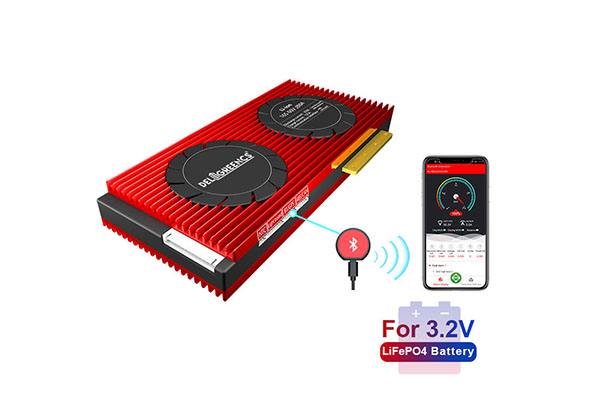
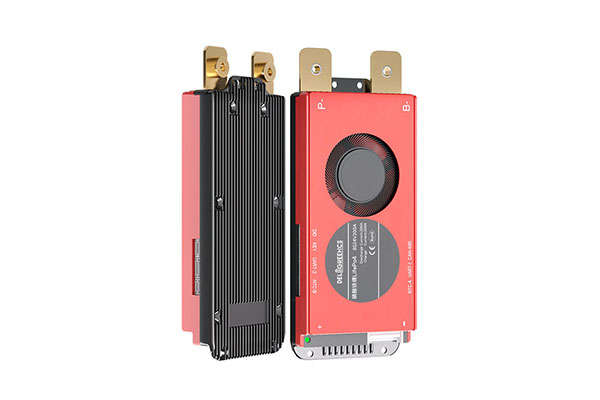
A Battery Management System (BMS) is an essential component of a lithium battery pack. It monitors battery operating conditions, manages charging and discharging, protects individual cells, and helps maintain reliable battery performance. In applications such as LiFePO4 batteries, solar energy storage systems, electric vehicles, and off-grid power supplies, a BMS plays a critical role in battery safety, reliability, and service life. So, how does a BMS work, and what are the key stages of its control process?
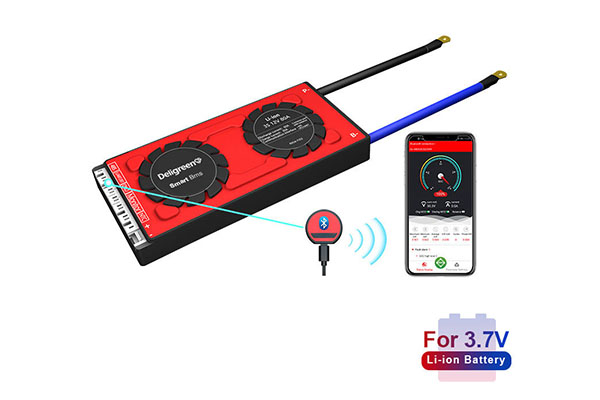
Understanding the Basic Working Principle of a BMS
A BMS collects battery operating data through sensors and electronic circuits, then uses control algorithms to evaluate battery conditions. When abnormal conditions are detected, it can control charging and discharging circuits, trigger alarms, or communicate with external devices to take appropriate action.
Real-Time Battery Data Collection
A BMS continuously monitors key parameters, including total battery voltage, individual cell voltages, current, and temperature. For lithium battery packs containing multiple cells connected in series, individual cell voltage monitoring is particularly important because some cells may reach their charging or discharging limits before others.
Current sensors measure charging and discharging current, while temperature sensors help identify overheating and low-temperature conditions. These measurements provide the foundation for battery status evaluation and protection.
Battery Status Analysis and Evaluation
After collecting data, the BMS analyzes the measurements using battery-specific parameters and control algorithms. It can estimate the State of Charge (SOC), State of Health (SOH), and current operating conditions of the battery.
For example, when an individual cell approaches its upper voltage limit, the BMS can identify a potential overvoltage risk and respond according to its protection settings. The applicable thresholds vary depending on the battery chemistry and BMS model.
The Core BMS Control Process
Normal Operation: Continuous Monitoring and Adjustment
During normal operation, the BMS continuously collects and analyzes battery data. It can also provide battery status information to compatible inverters, chargers, and other control devices.
Smart BMS models may support communication protocols such as CAN, RS485, or Bluetooth, allowing users and connected equipment to access battery operating information.
This continuous monitoring helps connected devices understand battery conditions and adjust charging or discharging operations according to system requirements.
Fault Detection: Identifying Potential Risks
When the BMS detects overvoltage, undervoltage, overcurrent, short circuits, or abnormal temperatures, it compares the measured values with the corresponding protection thresholds.
If a fault condition meets the predefined criteria, the BMS activates the appropriate protection logic to reduce the risk of battery damage.
Protection Execution: Limiting or Disconnecting Charging and Discharging
Depending on the fault type and system design, a BMS can control switching devices such as MOSFETs or contactors to limit or interrupt current flow. It may also generate alarms when the relevant functions are supported.
Whether the battery can resume normal operation automatically after the fault disappears depends on the protection strategy, fault type, and device configuration. Users should follow the product documentation and avoid changing protection parameters without proper technical guidance.
How Does Cell Balancing Improve Battery Pack Consistency?
Why Is Battery Cell Balancing Necessary?
Differences in cell manufacturing, temperature conditions, and aging can cause individual cells to develop variations in voltage and usable capacity. When certain cells reach their charging or discharging limits earlier than others, the usable capacity of the entire battery pack may be reduced.
Cell balancing helps manage these differences and supports more consistent battery pack performance.
Active vs. Passive Cell Balancing
Passive balancing typically dissipates excess energy from selected cells through resistors. Active balancing, in contrast, transfers energy from some cells to others through dedicated electronic circuits.
Active balancing can reduce energy losses during the balancing process, although actual performance depends on balancing current, circuit design, and cell conditions.
When selecting a BMS with balancing functionality, consider the number of cells in series, balancing current, battery capacity, and intended application.
How to Choose the Right BMS
Match Battery Parameters to the Application
When selecting a BMS, verify the battery chemistry, number of cells in series, nominal voltage, continuous charging and discharging current, and required protection functions.
Home energy storage systems, RV power systems, and commercial and industrial energy storage applications may have different requirements for current handling, communication, and system integration.
Check Communication and System Compatibility
If the battery needs to connect to an inverter or energy management system, confirm that the BMS supports compatible communication protocols, such as CAN or RS485. The communication definitions, configuration settings, and compatibility of the specific models should also be verified.
Deligreen offers BMS products, battery balancers, and related battery solutions, with customized battery pack and BMS configurations available for different project requirements. For applications involving specific voltage, current, or communication requirements, confirm the technical specifications and system compatibility before purchasing.
Conclusion
The BMS control process can be summarized as data collection, battery status analysis, risk detection, protection execution, and communication feedback. Cell balancing also helps improve consistency across battery cells.Understanding these processes makes it easier to select an appropriate BMS and supports the safe operation and effective integration of lithium battery packs in energy storage and other applications.