Choosing an energy storage battery pack requires a comprehensive assessment of actual electricity consumption, equipment power requirements, operating environment, and system configuration. For home backup power, commercial energy storage, or off-grid power projects, insufficient capacity may result in shorter-than-expected power supply duration, while mismatched power output may prevent equipment from starting properly. In addition, battery-inverter compatibility, operating temperature, and future expansion requirements can affect system performance. When purchasing a battery pack, prioritize product specifications and actual application conditions rather than judging suitability solely by nominal capacity, cycle life, or external connectors.

Determine Capacity and Power Based on Electricity Demand
The capacity of an energy storage battery pack determines how much energy it can store, while its power output determines the loads it can support. Both parameters should be selected according to actual electricity consumption.
Estimate the Actual Usable Energy
Nominal capacity does not equal the amount of energy ultimately available to the load. For example, a 10 kWh battery pack cannot necessarily power a 1 kW device continuously for 10 hours because actual power supply duration is also affected by the usable depth of discharge, inverter conversion efficiency, and the system’s own power consumption.
- Check usable capacity: Review the usable energy and permitted depth of discharge specified in the product documentation. Do not assume that the entire nominal capacity can be discharged.
- Calculate power supply duration: Estimate runtime based on load power, conversion losses along the discharge path, and standby power consumption, while allowing a reasonable margin for actual electricity demand.
Battery selection should be based on actual usable energy rather than simply dividing nominal capacity by equipment power.
Check Equipment Startup Power
Some devices require significantly more power during startup than during normal operation, particularly motor-driven loads such as air conditioner compressors and water pumps. If only average power consumption is considered, the battery pack may trigger protection during startup.
- Confirm the battery pack’s continuous discharge power and peak discharge capability, and check how long the peak output can be sustained.
- Check the BMS’s instantaneous overcurrent limits and the inverter’s short-term overload capability to ensure that both can accommodate the load’s startup requirements.
Only when both continuous operating requirements and instantaneous startup demands are met can the energy storage system reliably power the intended equipment.
Select the Battery Chemistry Based on the Application
Different battery chemistries vary in thermal stability, energy density, and cycle life. Selection should reflect the intended storage application, available installation space, and operating conditions.
Compare Lithium Iron Phosphate and Ternary Lithium Batteries
Lithium iron phosphate batteries generally offer good thermal stability and the potential for a long cycle life, making them suitable for many stationary energy storage applications. Ternary lithium batteries have a higher energy density, but system safety design and temperature management remain important. When selecting a battery, compare product specifications, system configuration, and actual operating requirements rather than judging overall performance solely by battery chemistry. For energy storage projects intended for long-term operation, also consider the specified charging and discharging conditions and protection requirements.
Understand Cycle Life Correctly
A cycle life rating of 6,000 cycles does not necessarily mean that a battery will last for more than ten years. Cycle life depends on test temperature, charge and discharge rates, depth of discharge, and the specified end-of-test capacity retention threshold. Actual service life is also affected by daily temperature, usage frequency, and calendar aging. Before purchasing, check the test conditions associated with the cycle life rating, then estimate the service period based on daily charge-discharge cycles and actual operating patterns. Avoid assessing long-term operating costs solely by the stated cycle count.
Confirm Compatibility Between the Battery and Inverter
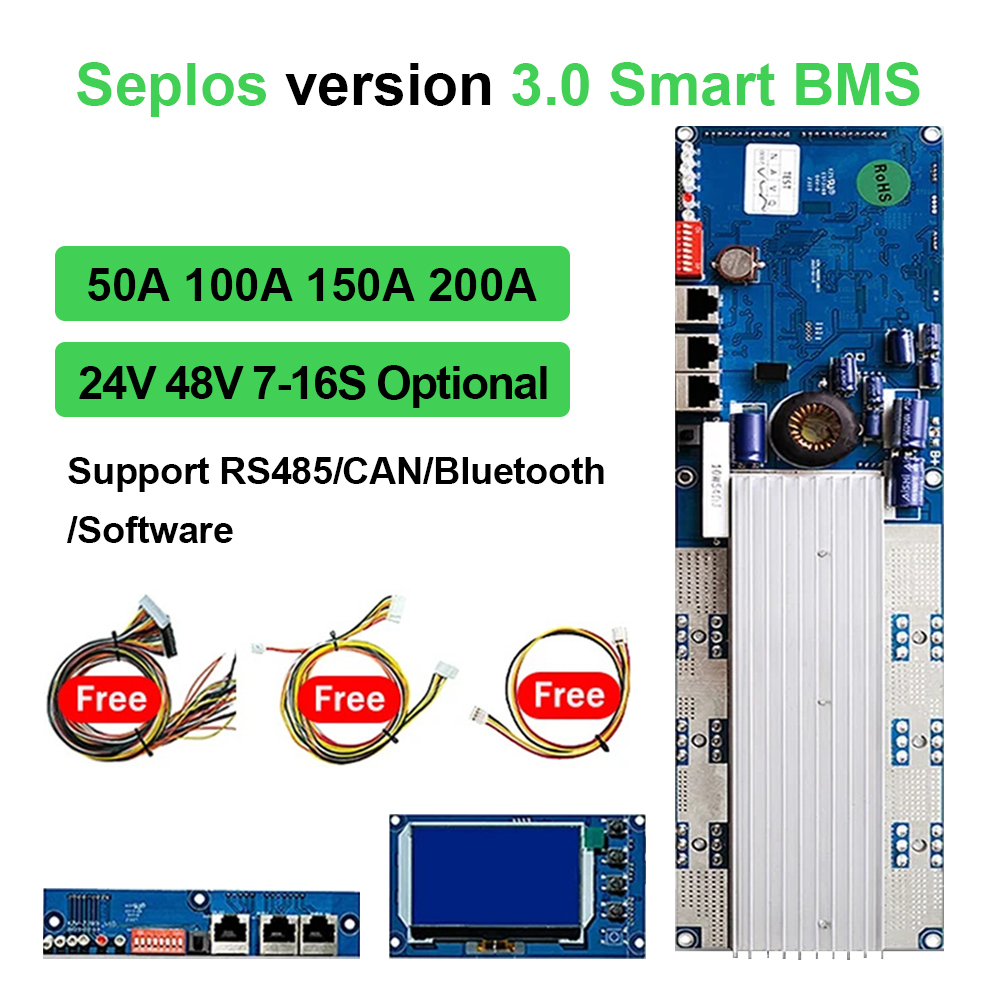
The energy storage battery pack must work with the inverter through the battery management system (BMS). Even if their voltage ranges are similar and their connector types match, this does not necessarily mean their communication and control functions are compatible.
Check Communication Protocols and Control Parameters
When purchasing, check the hardware interfaces, communication protocols, and definitions of key data parameters to ensure that the battery and inverter can exchange operating information correctly.
- Confirm Communication Methods: Check the communication interfaces and protocol versions supported by both devices to avoid situations where the interfaces match but the communication rules differ.
- Check Data Compatibility: Confirm that the inverter can correctly identify the battery’s voltage, current, temperature, state of charge, and charging and discharging limits.
- Verify Control Functions: Check whether both devices can execute the corresponding control actions as designed in the event of communication interruptions, abnormal alarms, or charging and discharging restrictions.
Before purchasing, confirm compatibility between the specific models and conduct integrated testing when conditions permit. This helps reduce the risk of communication failures or functional limitations after installation.
Verify Electrical Parameters and Protection Requirements
In addition to communication functions, the electrical parameters of the battery and inverter must meet the system design requirements. Confirming that their communication protocols are compatible alone does not guarantee stable operation.
- Check the Voltage Range: Ensure that the battery’s nominal voltage and charging and discharging voltage ranges match the inverter’s battery input requirements to avoid exceeding the permitted operating range of either device.
- Verify Current and Power Limits: Check the battery’s maximum continuous charging and discharging currents, peak current, and power limits to ensure that the inverter’s operating demands do not exceed the battery’s output capabilities.
- Confirm Protection Mechanisms: Verify the configuration and coordination of overvoltage, undervoltage, overcurrent, and overtemperature protection functions to prevent inconsistencies between the protection logic of the two devices.
Checking communication protocols, electrical parameters, and protection requirements together provides a more comprehensive assessment of battery-inverter compatibility and helps reduce system commissioning and operational risks.
Consider the Installation Environment and Future Expansion
The operating temperature, installation conditions, and future expansion method of an energy storage battery pack can all affect system performance. Before purchasing, plan the configuration according to the site environment and future electricity demand to avoid additional modification costs caused by insufficient space, unsuitable temperatures, or incompatible connection requirements.
Plan the Installation Location According to Temperature Conditions
The installation environment affects battery charging and discharging performance, aging rate, and operational safety. Therefore, the installation location should be selected according to the temperature range specified for the product.
- Control ambient temperature: Avoid placing batteries where they are exposed to prolonged high temperatures, direct sunlight, or nearby heat-generating equipment. This helps reduce the adverse effects of sustained heat on battery life.
- Ensure ventilation and heat dissipation: Reserve sufficient space for heat dissipation according to the equipment’s structural design, and keep ventilation openings unobstructed. For enclosed installation environments, assess the risk of heat accumulation and provide appropriate temperature control measures in accordance with the system design.
- Observe low-temperature charging restrictions: Low temperatures may increase the risk of lithium plating during charging in certain lithium batteries. Strictly follow the charging temperature range specified for the product. If the system supports preheating, control the preheating and charging processes according to the manufacturer’s requirements.
Proper installation planning helps maintain suitable operating conditions for the battery pack while reducing performance degradation and safety risks caused by abnormal temperatures.
Expand the System According to Product Requirements
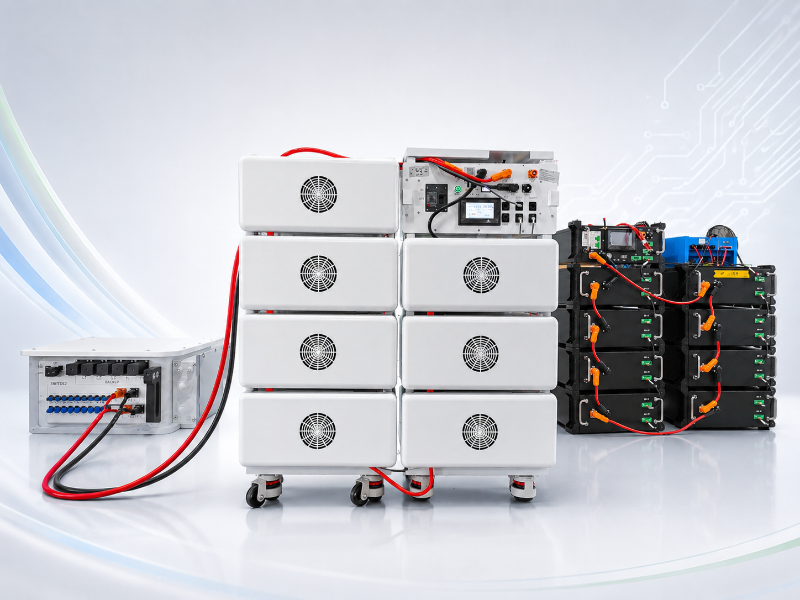
If additional energy storage capacity may be needed in the future, confirm during the initial selection process whether the system supports expansion and clarify the permitted connection methods and configuration limits.
- Check battery compatibility: Additional batteries must meet the manufacturer’s requirements for model, specifications, and connection conditions. Even batteries of the same model may differ in terminal voltage, internal resistance, and state of health (SOH). Therefore, they should not automatically be assumed suitable for parallel connection.
- Check system configuration: Confirm that the BMS, inverter, and associated protection devices support the expanded battery count, total capacity, and current requirements. This helps prevent operation beyond the equipment’s permitted limits.
- Assess connection risks: Before connecting batteries in parallel, check voltage differences, battery condition, cable specifications, and protection configuration according to product requirements. This helps prevent uneven current distribution or localized overheating. When combining new and used batteries, professional assessment may be necessary.
- Reserve installation space: Plan the locations of additional batteries, cable routing, heat dissipation conditions, and maintenance access in advance. This helps ensure that expansion does not interfere with the maintenance or operation of the existing system.
Expansion should follow a configuration explicitly permitted by the manufacturer and be based on the actual condition of the batteries. Checking compatibility and protection requirements in advance helps reduce operational risks after capacity is increased.
Selecting an energy storage battery pack should begin with actual load requirements, followed by checks of usable energy, continuous and peak power, battery chemistry, communication compatibility, and installation conditions. Buyers should also understand the test standards used for cycle life ratings, warranty coverage, and expansion limitations rather than comparing only nominal capacity or price. Matching key specifications to the intended application helps identify an energy storage solution that meets power supply needs, supports convenient maintenance, and is suitable for long-term operation.