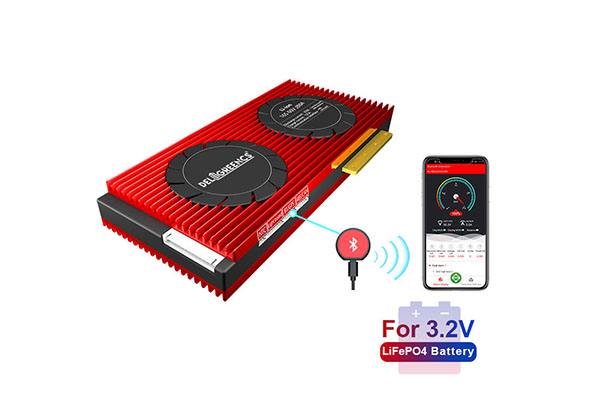
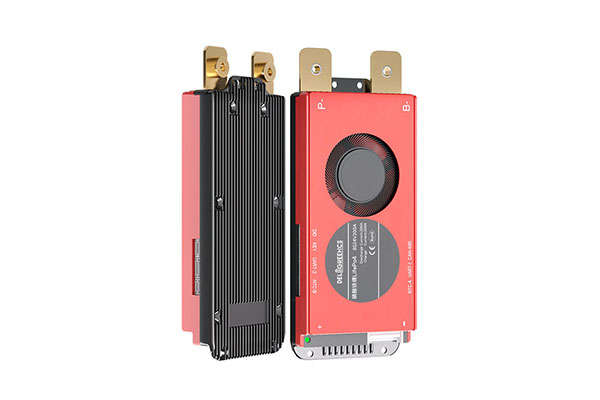
Lithium batteries are widely used in residential energy storage, electric equipment, industrial power supplies, and solar energy storage systems. To ensure stable operation during charging and discharging, a Battery Management System (BMS) plays an essential role. Some users may overlook the importance of a BMS when selecting a battery pack to reduce costs. However, lithium batteries without a BMS may face risks such as overcharging, over-discharging, overcurrent, abnormal temperatures, and cell imbalance. In severe cases, these conditions can contribute to thermal runaway.
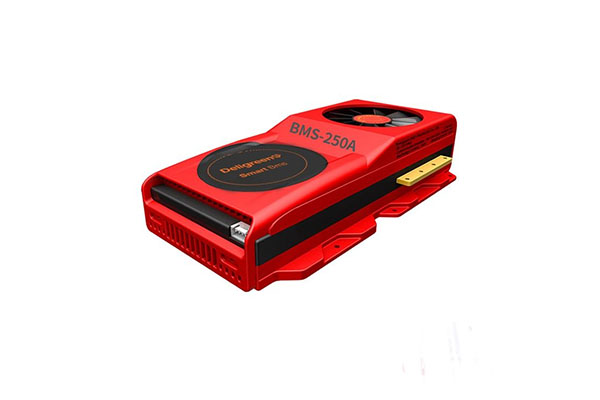
What Problems Can Occur Without a BMS?
Increased Risk of Overcharging
Each lithium battery cell has a specified maximum charging voltage. If charging continues beyond the permitted limit, unwanted chemical reactions may occur inside the cell, increasing the risk of gas generation, internal damage, and thermal runaway.
Without a BMS to monitor individual cell voltages and activate the appropriate protection measures, some cells may exceed their overvoltage limits even when the total battery pack voltage appears normal. Relying solely on the charger to control the overall voltage may not detect voltage differences between cells connected in series in time.
Over-Discharging Can Reduce Battery Performance
Discharging a lithium battery below its specified minimum voltage can cause irreversible cell damage. Over-discharge may reduce usable capacity and increase safety risks during subsequent charging.
A BMS continuously monitors cell voltage and can stop discharging when the voltage reaches the undervoltage protection threshold. Without this protection, connected equipment may continue consuming power, causing individual cells to become excessively discharged and reducing the service life of the entire battery pack.
Overcurrent and Short-Circuit Risks Become More Difficult to Control
Batteries powering motors, inverters, or other high-power equipment may experience substantial operating currents. If a load malfunctions or a short circuit occurs, the current may quickly exceed the limits of the battery and connected components. This can cause wiring to overheat, insulation to deteriorate, or even a fire.
A BMS equipped with appropriate protection functions can monitor current and disconnect power through its switching devices when specified protection conditions are met. However, a BMS cannot replace fuses, circuit breakers, or proper wiring design. Battery systems still require suitable independent electrical protection devices.
Can Operating Without a BMS Affect Long-Term Battery Performance?
Cell Imbalance May Become More Pronounced
Individual cells in a battery pack may differ in capacity, internal resistance, and self-discharge rate. When multiple cells are connected in series, voltage differences can develop over time even if the cells initially have similar characteristics.
Without cell-level monitoring and balancing functions, some cells may reach their charging or discharging limits earlier than others. As a result, the entire battery pack may not be able to utilize its available capacity effectively. This can reduce overall operating efficiency, particularly in energy storage systems designed for long-term use.
Abnormal Temperatures May Go Undetected
Batteries may experience abnormal temperature increases under high loads, inadequate cooling, or excessively high ambient temperatures. Charging at low temperatures also requires special attention because certain lithium batteries are susceptible to lithium plating under these conditions.
A BMS can use temperature sensors to monitor critical locations and initiate measures such as current reduction, charging or discharging shutdown, or alarms according to battery specifications. Without temperature monitoring and protection, users may not recognize that operating conditions have exceeded the permitted range.
Why Do Lithium Batteries Need a BMS?
Real-Time Monitoring of Battery Conditions
A BMS collects data such as cell voltage, battery current, and temperature to help identify abnormal operating conditions. Some smart BMS units also support state-of-charge (SOC) estimation, state-of-health (SOH) assessment, and communication functions, providing useful information for equipment operation and maintenance.
Protection Strategies Based on Battery Chemistry
Different battery chemistries have different voltage ranges, temperature requirements, and charging and discharging limits. For example, LiFePO4 batteries and LTO batteries have different electrical characteristics. Generic protection parameters should not be used without verification.
When selecting a BMS, users should confirm the battery chemistry, number of cells connected in series, continuous and peak current requirements, temperature monitoring needs, and communication protocols. Protection thresholds should be configured according to the technical specifications provided by the cell manufacturer.
How to Choose the Right BMS for a Battery System
For residential energy storage, solar energy storage, and industrial power applications, key selection criteria include cell-level voltage monitoring, overvoltage and undervoltage protection, overcurrent protection, temperature detection, and cell balancing. Large-capacity battery packs may also require evaluation of communication compatibility, fault logging, and system expansion capabilities.
Deligreen provides battery cells, battery packs, BMS products, and related accessories to support battery system configuration assessments for different project requirements. In practical applications, users should consult the relevant product datasheets and verify compatibility between the BMS, battery, charger, inverter, and other protection devices.
Conclusion
A lithium battery without a BMS will not necessarily fail immediately, but risks such as overcharging, over-discharging, overcurrent, abnormal temperatures, and cell imbalance become more difficult to detect and control. For lithium battery systems that require safe and reliable long-term operation, selecting an appropriate BMS and combining it with fuses, charging controls, and thermal management measures are important steps toward improving battery safety and reliability.