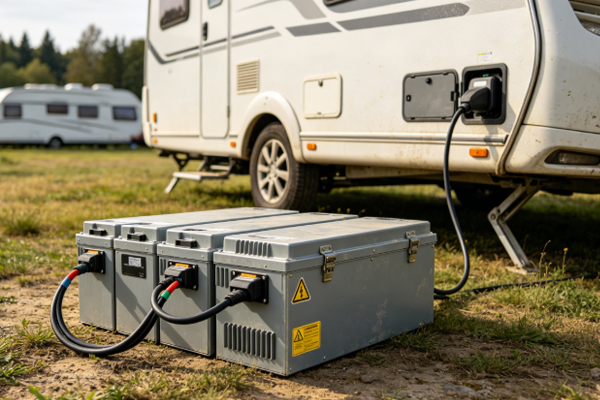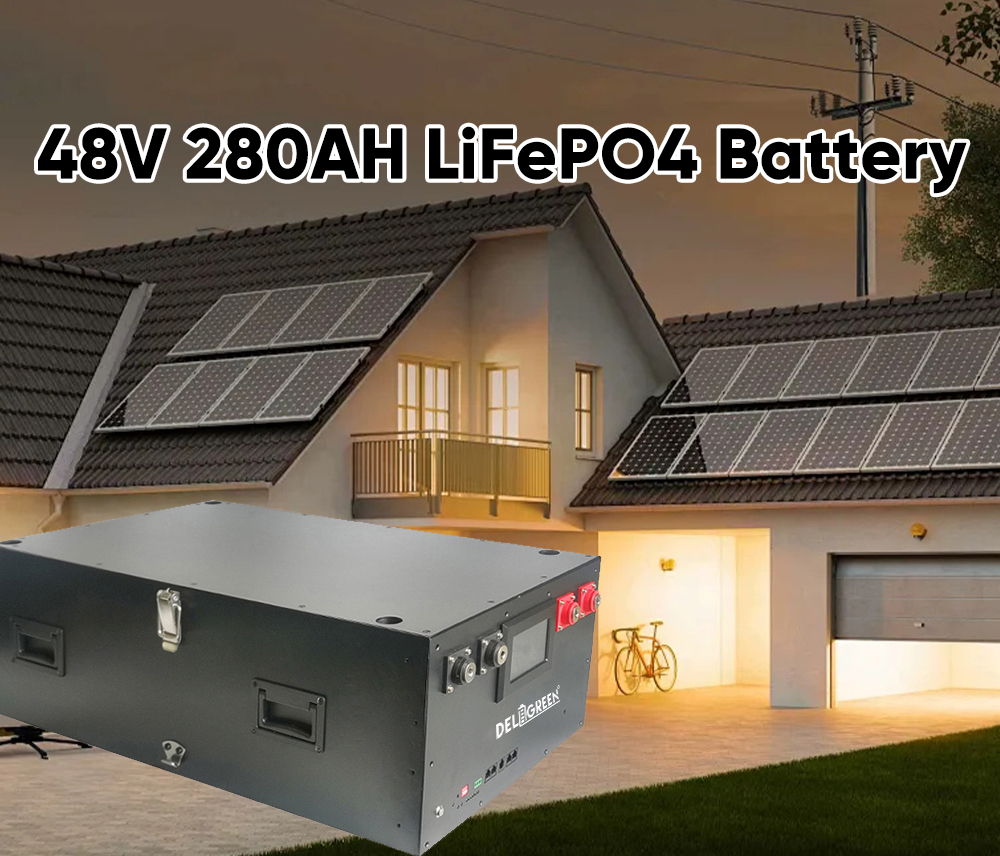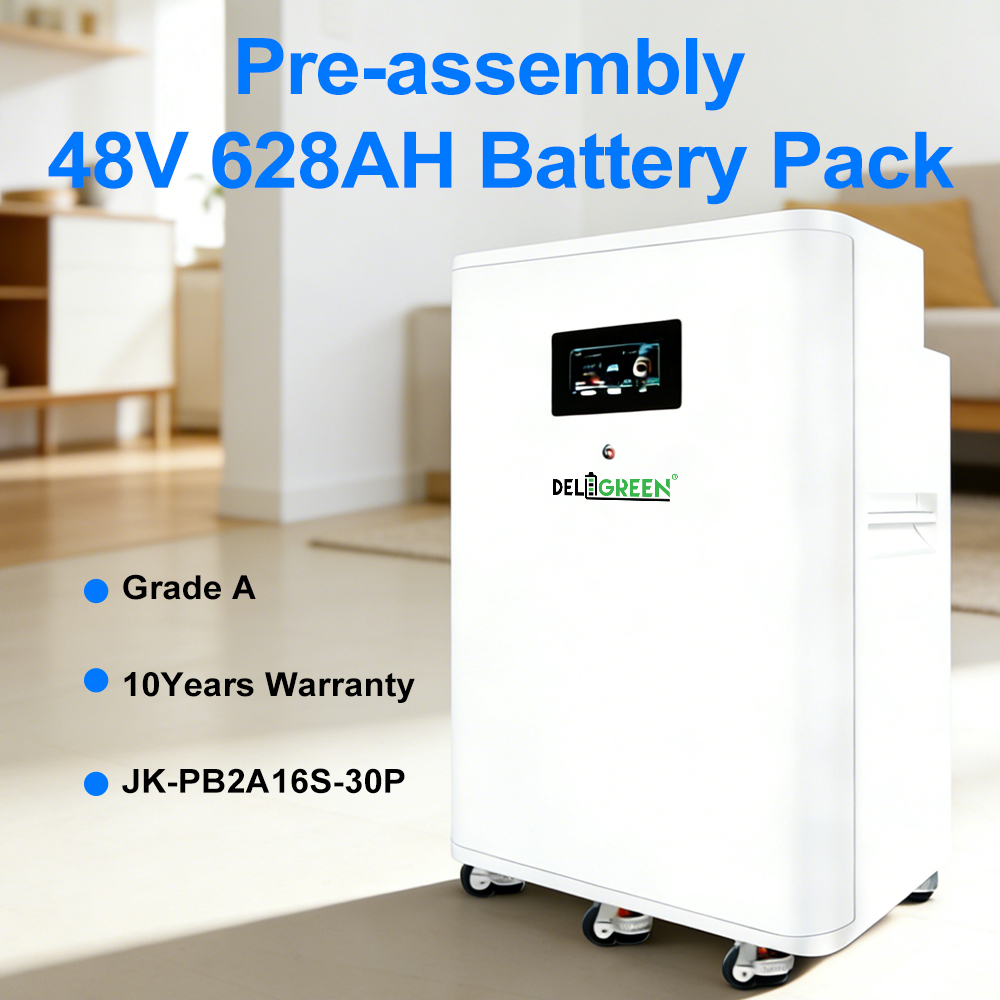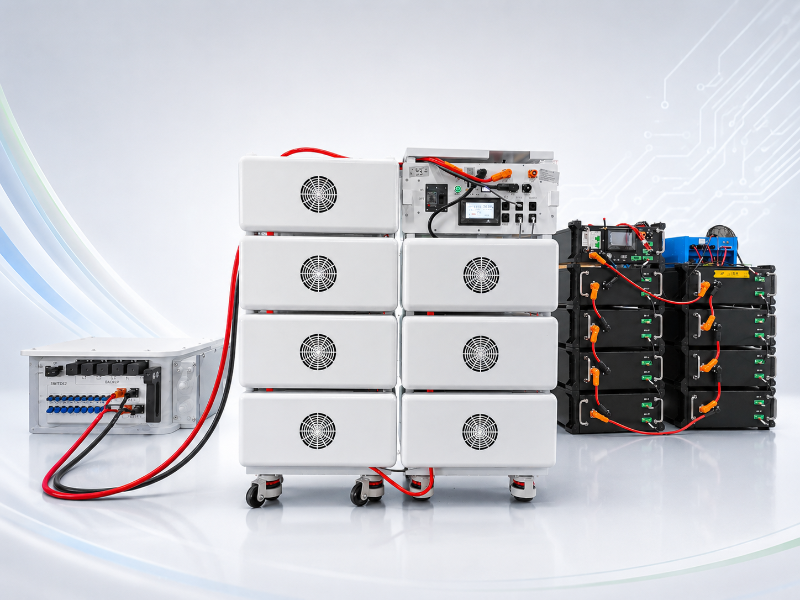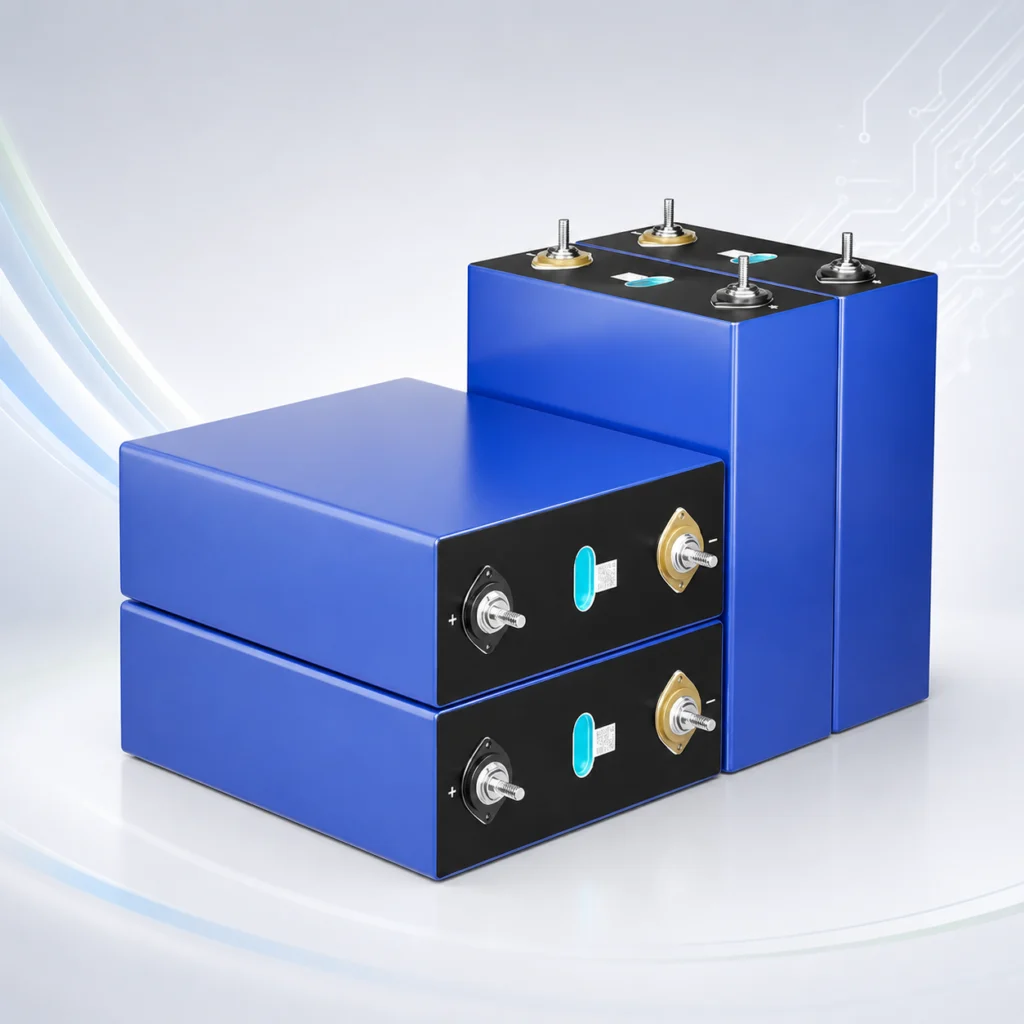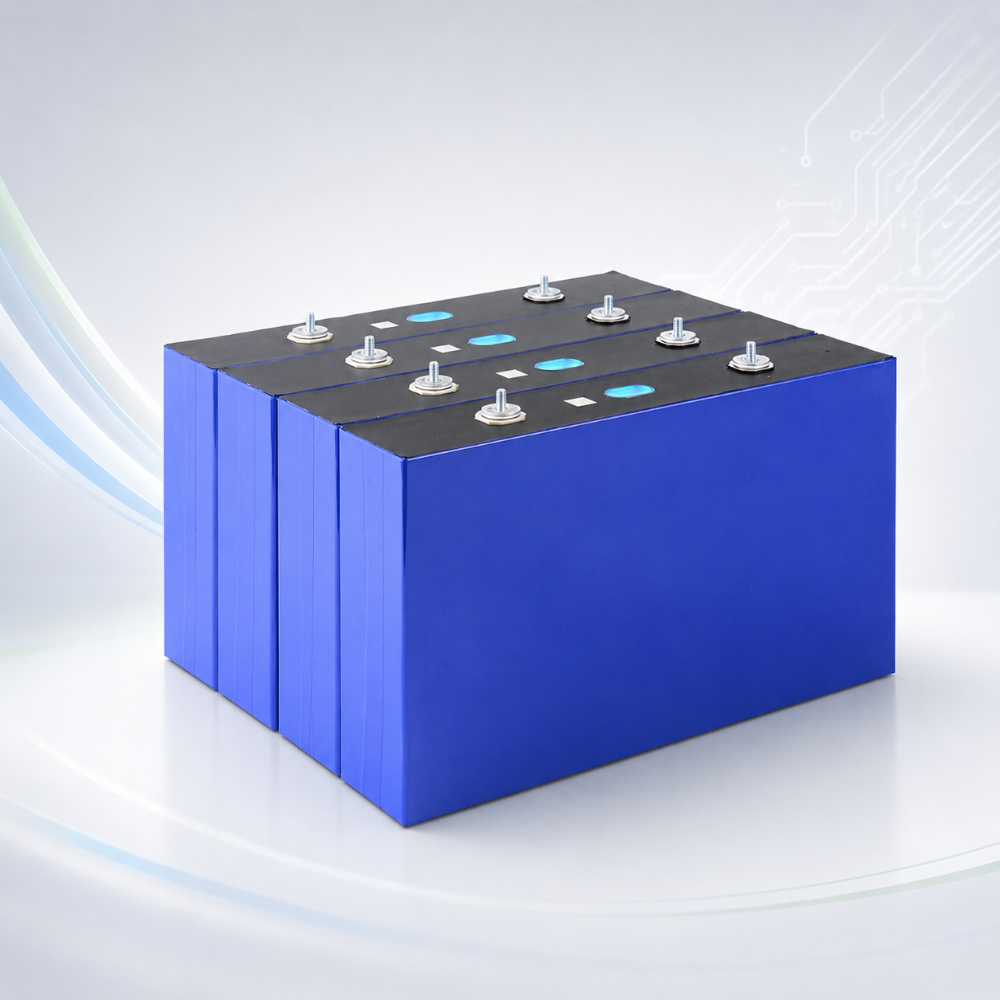
A 3.6kWh energy storage battery is a common capacity option for residential solar energy storage and backup power applications. However, its actual operating time cannot be determined from the “3.6kWh” rating alone. Usable battery capacity, household load power, inverter efficiency, remaining battery charge, and ambient temperature can all affect the actual backup duration. For a lithium iron phosphate (LiFePO4) energy storage battery, 3.6kWh represents approximately 3.6kWh of theoretical stored energy. The amount of electricity that can actually be delivered to household appliances also depends on the configured depth of discharge and system conversion losses. If a home only powers refrigerators, lighting, routers, security systems, and other low-power devices during an outage, a 3.6kWh battery can provide backup power for a relatively long period. If high-power appliances such as air conditioners, electric water heaters, and induction cookers operate simultaneously, the stored energy will be consumed much faster. In a residential solar energy storage system, a 3.6kWh battery can also store surplus solar energy during the day and release it at night. Understanding the relationship between battery capacity and actual household electricity demand helps users select a more suitable energy storage configuration.
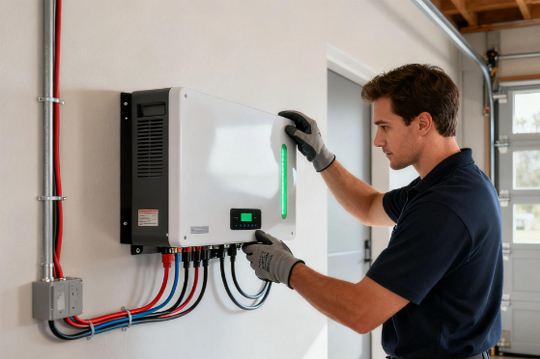
How Long Can a 3.6kWh Energy Storage Battery Actually Provide Power?
A 3.6kWh energy storage battery has a theoretical energy capacity of 3,600Wh. Actual operating time can be estimated using the formula “usable energy ÷ load power.” For example, if the average household load is 300W, a 3.6kWh battery could theoretically operate the load for approximately 12 hours under ideal conditions. At an average load of 600W, the theoretical operating time would be about 6 hours, while a 1,200W load would provide approximately 3 hours of theoretical operation. In practice, the actual duration is normally shorter because the battery operates within a configured depth-of-discharge range and the inverter consumes some energy when converting DC power into AC power. If the actual usable battery energy is approximately 3kWh, the amount of energy ultimately delivered to AC loads will be further reduced by conversion losses. For backup applications, users should create a list of the appliances they want to power and calculate their combined power requirements and expected operating time. For daily solar energy storage, nighttime electricity consumption can be used to determine whether a 3.6kWh battery provides sufficient capacity. A larger battery does not automatically provide better results. Matching storage capacity to actual household loads is more important for achieving efficient energy utilization.
What Factors Affect the Operating Time of a 3.6kWh Battery?
The 3.6kWh rating represents the battery’s nominal energy capacity, while actual operating time can also be affected by load power, depth of discharge, system efficiency, and operating conditions. When estimating backup duration, homeowners should pay attention to the following factors:
Household Load Power
- Refrigerators, routers, and LED lighting generally consume power at a relatively low rate.
- Air conditioners, electric water heaters, and induction cookers can consume stored energy quickly.
- Operating multiple appliances simultaneously increases total load power significantly.
Turning off nonessential appliances during an outage can extend battery operating time.
Battery and System Operating Conditions
- Usable battery capacity can be affected by SOC settings and depth-of-discharge limits.
- Inverter conversion efficiency affects the amount of electricity ultimately delivered to household appliances.
- Extremely high or low battery temperatures may cause the system to reduce charging or discharging power.
- Usable capacity may gradually decline as the battery ages.
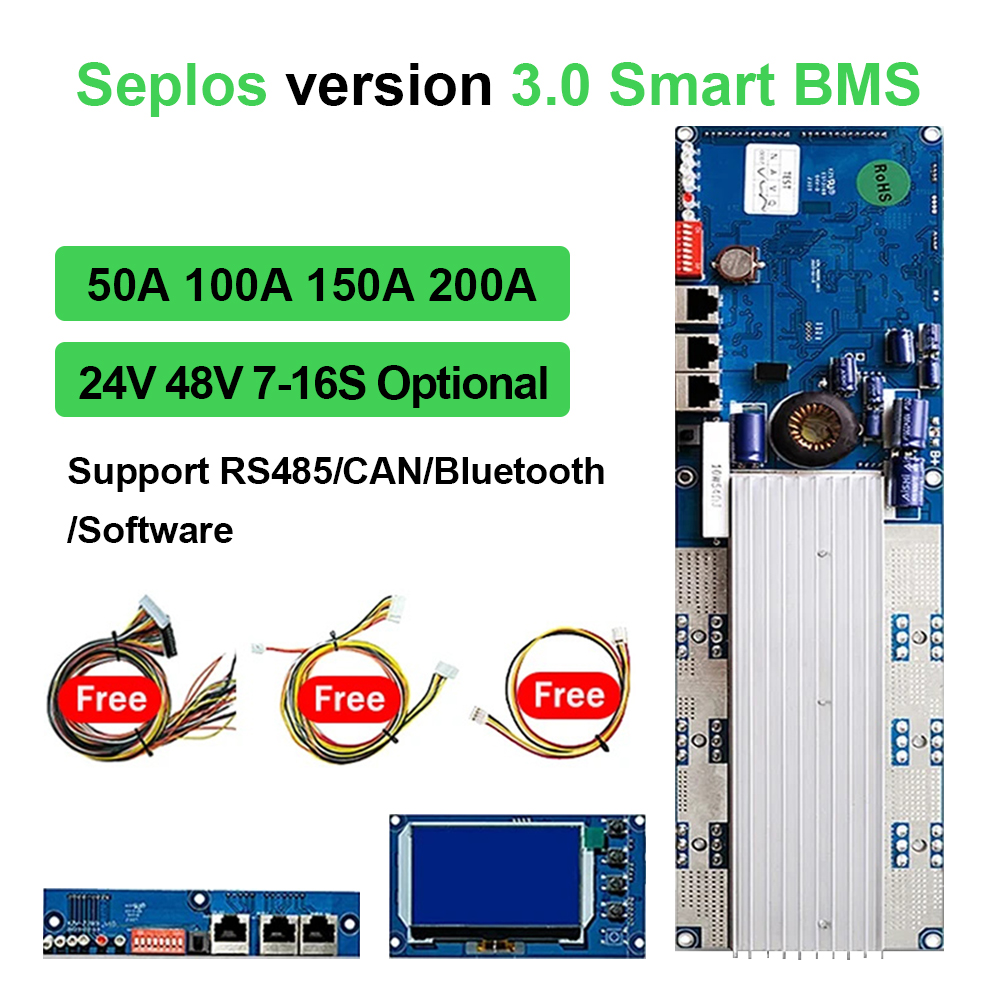
The BMS monitors battery conditions and provides charging, discharging, and safety management.
Managing household loads appropriately and operating the battery within the manufacturer’s specified conditions can help achieve more stable and predictable backup performance.
How Many Years Can a 3.6kWh LiFePO4 Energy Storage Battery Last?
If “how long” refers to battery service life rather than backup duration after a full charge, cycle count, operating environment, and charging and discharging strategies must be considered. LiFePO4 batteries generally provide good cycle performance and can meet long-term energy storage requirements when operated within the temperature, charging current, discharging current, and SOC ranges specified by the manufacturer. Residential solar systems may charge and discharge batteries regularly, making cycle performance an important factor in long-term value. A battery that undergoes one full charge and discharge cycle every day may experience different aging characteristics from a battery that is frequently used with shallow charge and discharge cycles. High temperatures, prolonged operation at very high SOC levels, excessive discharge, and operation beyond specified current limits can accelerate battery degradation. A high-quality BMS can monitor cell voltage, temperature, current, and SOC and provide protection under abnormal conditions. Actual service life also depends on cell quality, battery pack design, thermal management, charging and discharging strategies, and installation conditions. Therefore, a fixed service life should not be promised based only on the terms “LiFePO4” and “3.6kWh.” When purchasing a battery, users should review the manufacturer’s cycle-life test conditions, warranty period, and recommended operating requirements.
What Household Applications Are Suitable for a 3.6kWh Energy Storage Battery?
A 3.6kWh energy storage battery is suitable for homes with moderate energy storage requirements, including residential solar self-consumption, nighttime electricity supply, and short-term backup power. If a home produces significant solar power during the day, surplus electricity can be stored in the battery and used at night for lighting, televisions, networking equipment, and other basic appliances. For backup applications, a 3.6kWh battery can prioritize critical loads rather than attempting to supply every appliance in the house. For example, a household can establish a dedicated backup circuit for refrigerators, lighting, routers, security systems, and computers. This reduces the amount of battery energy consumed by high-power appliances and can extend backup time for essential equipment. Homes without solar panels but with time-of-use electricity rates may also use a 3.6kWh energy storage battery to charge during lower-cost periods and discharge during higher-cost periods. However, the economic benefits depend on local electricity rates, daily cycling frequency, and overall system efficiency. If a home has many high-power appliances or requires whole-house electricity for an extended outage, a larger battery capacity and higher-power inverter may be necessary.
How Can You Extend the Actual Operating Time of a 3.6kWh Energy Storage Battery?
To obtain longer backup operation from a 3.6kWh energy storage battery after charging, proper household load management is often more effective than simply increasing battery capacity. During a power outage, homeowners can prioritize refrigerators, lighting, routers, security equipment, and other essential devices while temporarily switching off electric water heaters, ovens, induction cookers, and other nonessential high-power appliances. If air conditioning or another high-power appliance must be used, its operating schedule should be managed according to the inverter’s rated output and the battery’s maximum discharge power. A residential solar system can also use daytime solar generation to recharge the battery. Under suitable weather conditions, the system can create an energy cycle consisting of photovoltaic generation, household consumption, and battery storage. During daily operation, prolonged exposure to high temperatures should be avoided, and the battery should be operated within the charging and discharging ranges specified by the manufacturer. Although the BMS provides essential battery protection, users should still maintain an appropriate installation and operating environment. When purchasing a 3.6kWh LiFePO4 energy storage battery, homeowners should consider daily electricity consumption, photovoltaic capacity, backup load power, and desired backup duration. If the average household load is low, a 3.6kWh battery can provide basic electricity for a relatively long period. If the load power is high, a larger storage capacity or stricter load management may be required. Selecting a LiFePO4 energy storage battery with appropriate capacity, reliable BMS protection, and inverter compatibility, combined with effective energy management, can improve battery utilization and long-term operating stability.