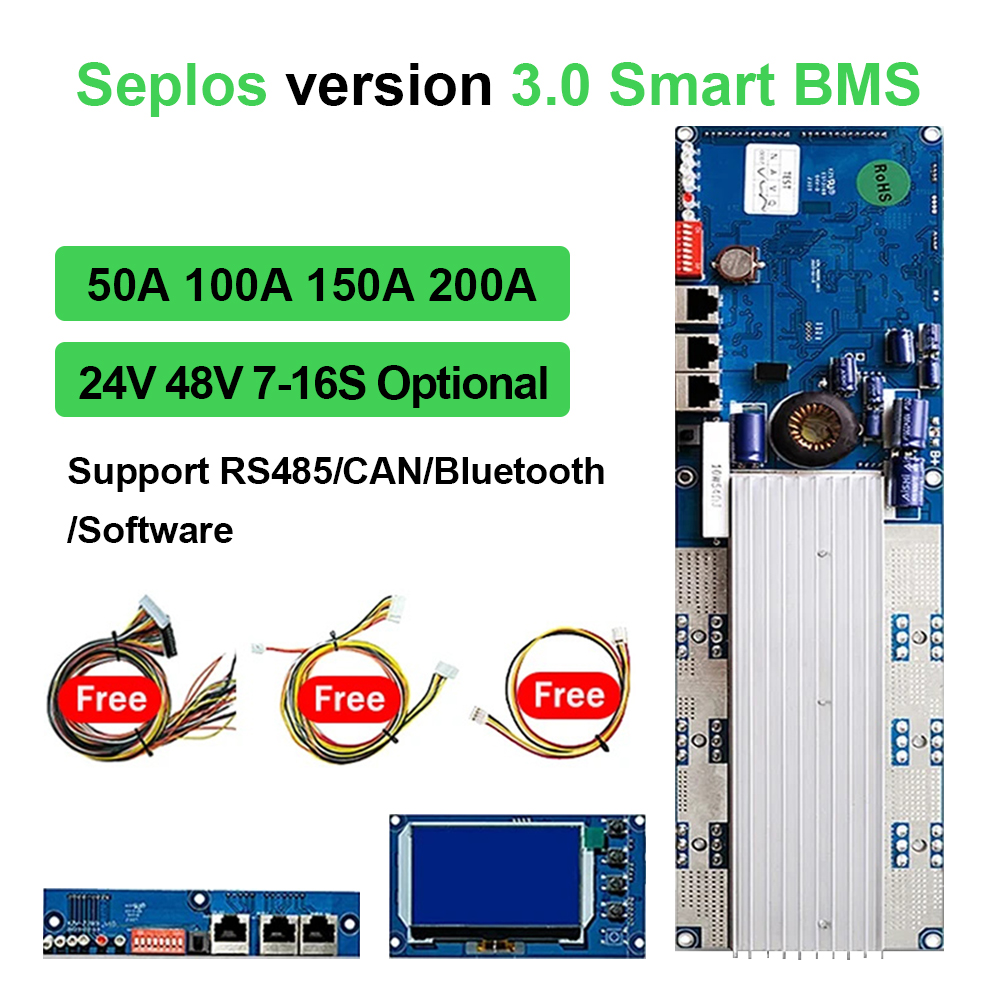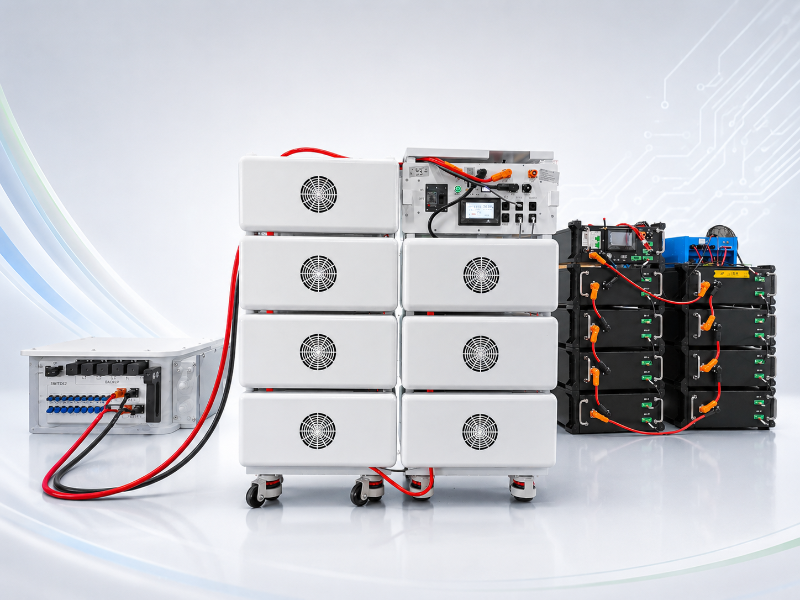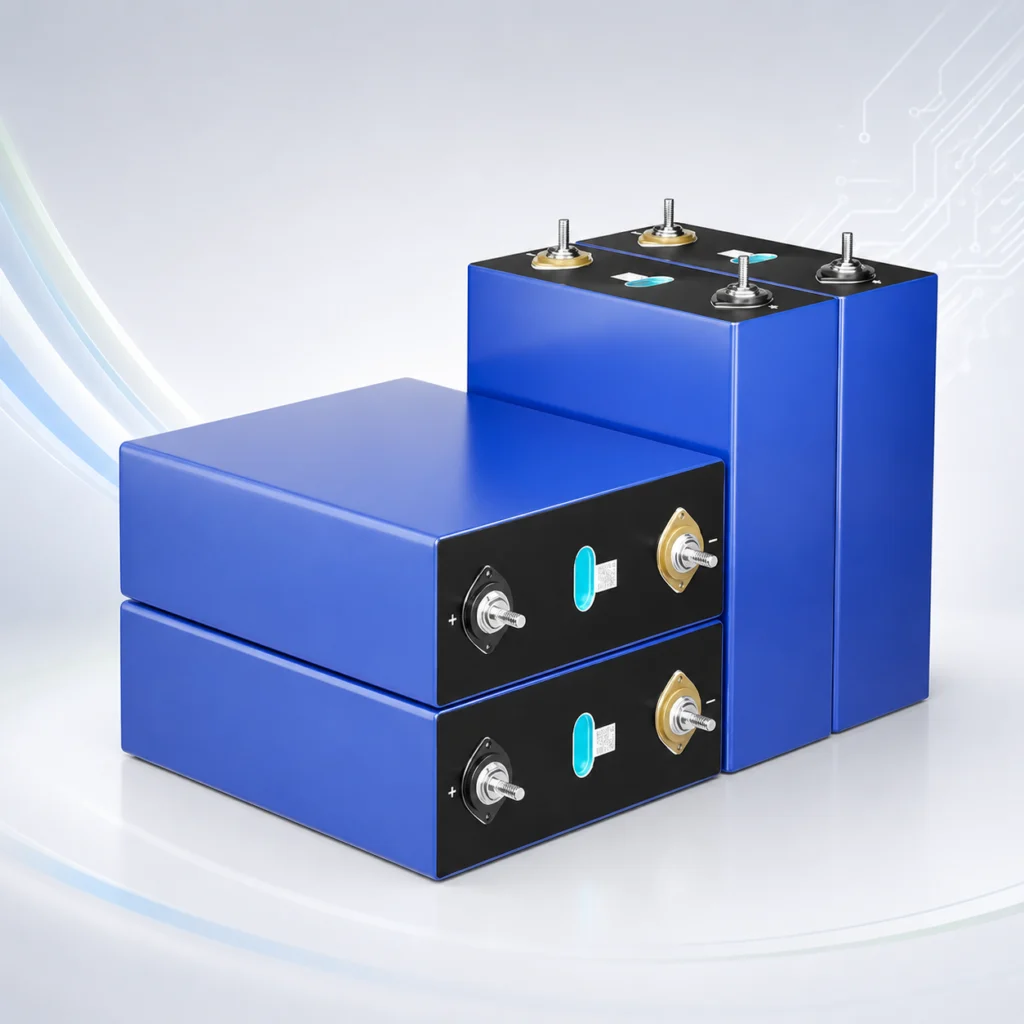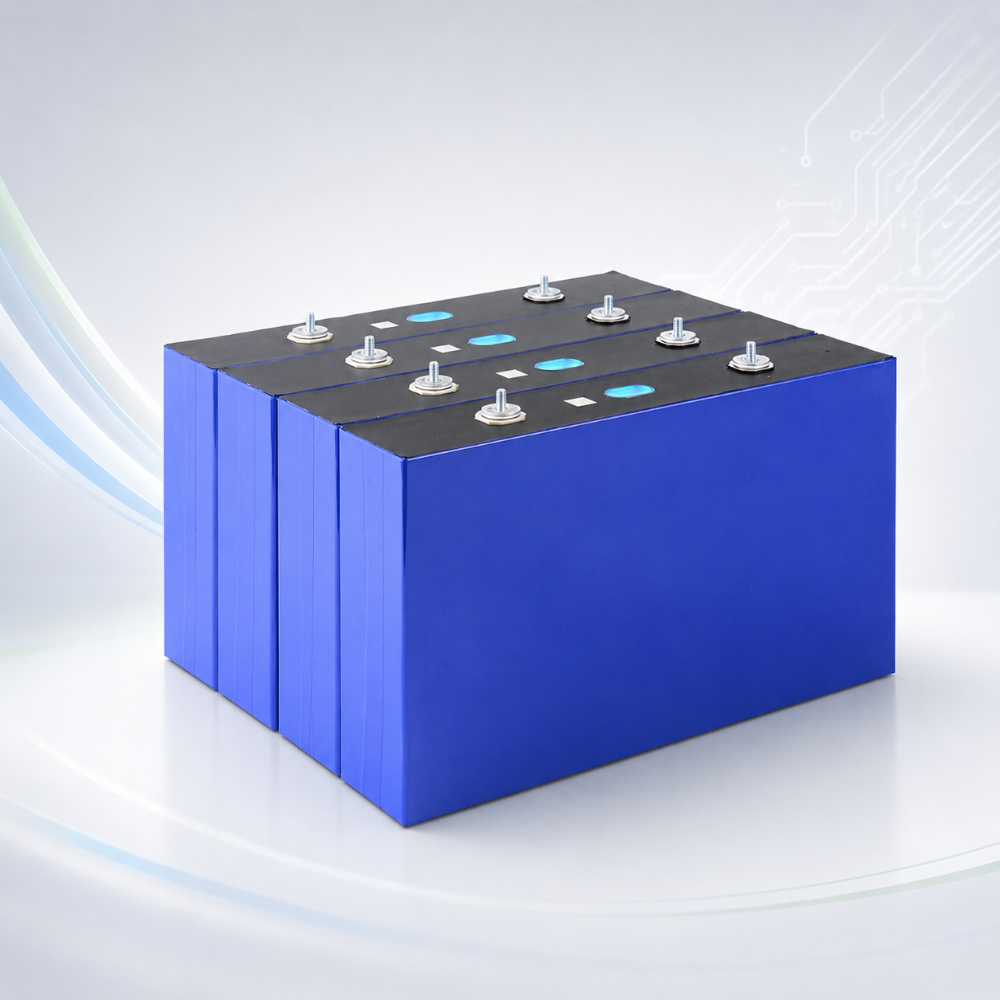
A 3.6kWh wall-mounted energy storage battery is designed for residential solar energy storage, backup power, and daily energy management. Compared with traditional floor-standing storage equipment, the wall-mounted design saves floor space and can be installed in garages, utility rooms, storage rooms, and other suitable locations. A 3.6kWh energy storage battery using lithium iron phosphate (LiFePO4) cells is typically equipped with a Battery Management System (BMS), which monitors cell voltage, temperature, current, and SOC while providing protection against overcharging, over-discharging, overcurrent, and short circuits. Installation involves more than simply mounting the battery to a wall. The wall structure, installation environment, electrical wiring, inverter compatibility, and grounding protection must also be checked. Because the rated voltage, mounting holes, communication interfaces, and wiring methods can vary between different 3.6kWh wall-mounted energy storage battery models, the specific installation must follow the manufacturer’s installation manual and requirements. Electrical connections and system commissioning should be completed by qualified professionals.
Choosing the Right Installation Location
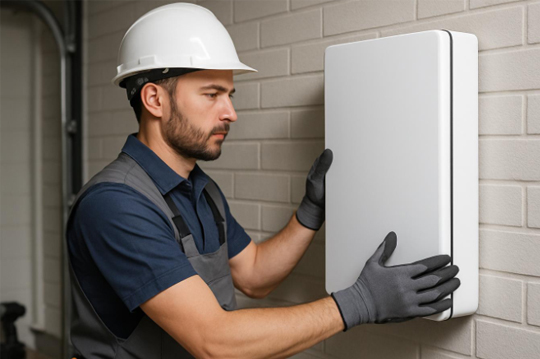
The installation location of a 3.6kWh wall-mounted energy storage battery can affect heat dissipation, maintenance, and long-term operating stability. Before installation, confirm that the wall has sufficient load-bearing capacity because the battery needs reliable long-term support. Concrete walls or suitable solid walls are generally more appropriate for wall-mounted installation, while lightweight partitions and drywall structures require additional evaluation according to the manufacturer’s requirements. The installation environment should be dry and well ventilated and should not be exposed to prolonged direct sunlight. The battery should not be installed in areas prone to water accumulation, excessive humidity, corrosive gases, or heavy dust. Sufficient clearance should be maintained around the equipment to support airflow and future maintenance. If the battery is installed in a garage, it should also be protected from vehicle impacts and other mechanical damage. For residential solar energy storage systems, the distance between the battery and inverter should also be planned appropriately to simplify cable routing and communication wiring. After selecting the location, check wall flatness, mounting bracket positions, and cable routing conditions to avoid repositioning the equipment after installation.
What Are the Installation Steps for a Wall-Mounted Energy Storage Battery?
Installing a 3.6kWh wall-mounted energy storage battery generally involves confirming the location, mounting the bracket, securing the battery, connecting electrical wiring, connecting communication cables, and commissioning the system. The specific procedure must follow the installation manual for the selected product because different models may require different wiring methods.
Equipment Inspection Before Installation
- Inspect the battery exterior: Make sure there are no obvious cracks, deformation, or other signs of damage.
- Confirm product specifications: Check rated voltage, capacity, maximum charging current, and maximum discharging current.
- Check installation accessories: Make sure the wall bracket, bolts, and other mounting components are complete.
- Confirm inverter compatibility: Verify the voltage range, communication protocol, and BMS communication requirements.
- Inspect the installation environment: Confirm that the location is dry, ventilated, and capable of supporting the battery weight.
Completing these checks before installation can reduce the possibility of problems during installation and system commissioning.
Mounting the Battery and Connecting the Wiring
- Secure the mounting bracket: Determine the mounting position according to the product’s mounting holes and use suitable expansion bolts or fixing hardware.
- Install the battery unit: Mount the battery securely onto the bracket and make sure it does not move or wobble.
- Connect the power cables: Connect the positive and negative cables according to the wiring diagram and verify correct polarity.
- Connect communication cables: Connect CAN, RS485, or the specified communication interface according to the BMS and inverter requirements.
- Complete grounding: Establish grounding protection according to product requirements and applicable electrical standards.
- Inspect all connections: Make sure terminals are secure, cables are undamaged, and positive and negative conductors cannot come into contact.
After wiring is completed, qualified professionals should perform power-on inspection and system commissioning according to the manufacturer’s instructions. Do not modify the wiring without understanding the equipment specifications.
How Is a 3.6kWh Battery Connected to a Solar Inverter?
A 3.6kWh wall-mounted energy storage battery normally operates together with a compatible energy storage inverter. Solar panels generate electricity that is converted and managed by the inverter, while household loads can receive power from the solar array, battery, or grid. Before connecting the battery to the inverter, confirm that the DC voltage range, maximum charging and discharging current, and communication protocol are compatible. If the battery communicates with the inverter through CAN or RS485, the communication port, protocol, and device settings must also be configured correctly. Information provided by the BMS, including SOC, temperature, and voltage, allows the inverter to manage battery charging and discharging more effectively. During installation, the positive and negative terminals must not be reversed. Cable specifications must meet equipment requirements, and terminals should be secured according to the manufacturer’s specified method. For residential solar systems, circuit breakers, fuses, isolation devices, and grounding equipment should also be configured according to applicable electrical requirements. After electrical connections are completed, the system should not immediately be operated at full load. Qualified personnel should inspect the wiring and protection equipment before gradually powering up the system. Normal operation should begin only after confirming that the battery, inverter, and BMS communication are functioning correctly.
How Should the System Be Commissioned and Checked After Installation?
After the wall-mounted energy storage battery has been installed, system commissioning is required to verify normal operation. Before powering on, inspect the battery mounting, power cables, communication cables, grounding connections, and protection equipment. After startup, check battery SOC, operating voltage, current, temperature, and charging or discharging status through the inverter display or energy management platform. When BMS communication with the inverter is functioning correctly, the system can normally identify important battery operating parameters. During commissioning, observe changes in solar generation, household load, and battery power to confirm that charging and discharging behavior follows the configured operating strategy. If the system provides backup power, qualified personnel should test the backup circuit and power transfer function according to the equipment requirements. Check for abnormal alarms, high-temperature warnings, or communication faults after installation. Any alarm should be investigated rather than ignored, using the manufacturer’s fault codes and technical support when necessary. Users should also record initial SOC, operating conditions, and configuration parameters to support future maintenance and troubleshooting.
What Should Be Considered When Using a 3.6kWh Wall-Mounted Energy Storage Battery?
Proper operation and regular maintenance are just as important as installation. Users should operate the 3.6kWh wall-mounted energy storage battery within the temperature, charging and discharging current, and environmental conditions specified by the manufacturer. Long-term exposure to extremely high or low temperatures should be avoided. Users can regularly check SOC, charging and discharging power, and system alarms through the display, mobile application, or energy management platform. If the battery shows abnormal heating, deformation, unusual odors, leakage, or repeated system alarms, stop using the equipment and contact qualified technical personnel for inspection. Flammable materials should not be stored near the battery, and users should never open the battery enclosure or modify BMS parameters without authorization. For residential solar energy storage systems, appropriate charging and discharging strategies can be configured according to household electricity demand, while retaining a certain SOC reserve for emergency backup. If the battery will remain unused for an extended period, follow the manufacturer’s storage and maintenance instructions. The area around the wall-mounted battery should also be kept clean and well ventilated to prevent dust accumulation from affecting heat dissipation. If household electricity demand increases and additional battery modules are required, verify whether the existing inverter, BMS communication system, and electrical protection equipment support expansion. When purchasing a 3.6kWh LiFePO4 wall-mounted energy storage battery, users should consider usable capacity, rated power, BMS protection, cycle performance, communication protocols, inverter compatibility, and installation requirements. Proper installation, commissioning, and routine management can help the energy storage battery operate reliably with a residential solar system while providing stable electricity for nighttime consumption and backup power during grid outages.