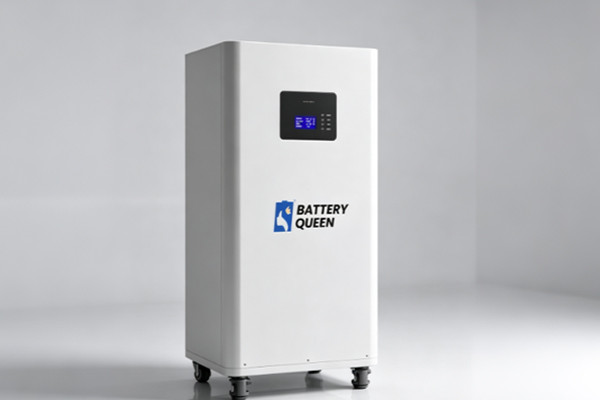
A 48V LiFePO4 battery showing a rapid decrease in charge level, shorter operating time, or rapid voltage changes does not necessarily mean that the battery has developed a fault. LiFePO4 batteries themselves have relatively high discharge capabilities. When connected to loads such as high-power motors, inverters, electric vehicle controllers, and energy storage equipment, outputting a relatively large current over a short period is a normal operating condition. However, if the battery charge level decreases significantly even when the load power is not high, or if the battery loses power rapidly shortly after being fully charged, further checks are needed for factors such as actual battery capacity, load power, the battery management system (BMS), individual cell consistency, and wiring losses.
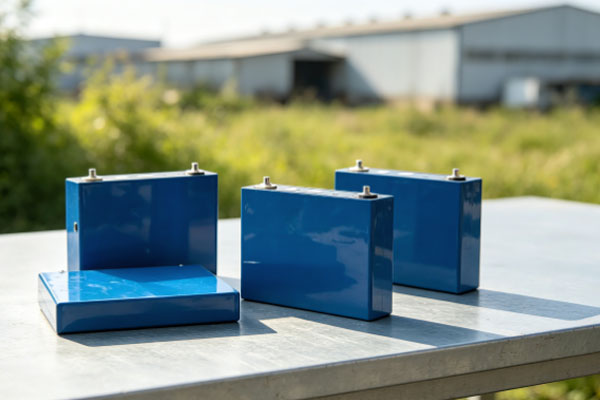
For a common 48V 100Ah LiFePO4 battery, the nominal energy storage capacity can generally be estimated using 48V × 100Ah, giving approximately 4.8kWh. If 16 LiFePO4 cells are connected in series, the nominal voltage is usually 51.2V, corresponding to a theoretical energy storage capacity of approximately 5.12kWh. The actual usable energy is also affected by depth of discharge, load size, ambient temperature, inverter efficiency, and battery aging. Therefore, determining whether “rapid discharge” is normal cannot be based only on how quickly the charge percentage decreases. The actual load power and discharge duration also need to be considered.
What Conditions Are Considered Normal Discharge?
High-Power Devices Consume Energy Quickly
The discharge rate of a 48V LiFePO4 battery is directly related to the power of the connected equipment. The higher the equipment power, the greater the current the battery generally needs to provide, and the more energy is consumed per unit of time. For example, a 51.2V 100Ah battery has a theoretical energy storage capacity of approximately 5.12kWh. If connected to a load of approximately 1kW, it can theoretically operate for about 5 hours under ideal conditions. If the load increases to 2kW, the theoretical operating time is reduced to approximately 2.5 hours. After considering losses from the inverter, cables, and the battery itself, the actual operating time will be somewhat shorter. Therefore, when the battery powers equipment such as motors, air conditioners, electric heating devices, or high-power inverters, a relatively rapid decrease in charge level is not unusual.
High Current at Startup
Some equipment requires a large instantaneous current when starting, such as motors, air compressors, water pumps, and certain power tools. In this situation, the voltage of the 48V battery may temporarily drop, but the voltage may recover after the high load stops. This is not exactly the same as the battery actually “losing power quickly.” If the voltage only drops when the equipment starts and returns to normal after the equipment operates steadily, the starting current of the load and the discharge capability of the BMS should be considered rather than determining that the battery is abnormal based only on a single voltage change.
What Causes the Discharge Rate to Increase Significantly?
The Actual Load Exceeds Expectations
When estimating battery operating time, users often look only at the rated power shown on the equipment nameplate, but actual operating power may vary. For example, a device rated at 1000W may consume more power during startup, heating, or high-load operation than during normal operation. If multiple devices are connected at the same time, the total power consumption increases further, so the 48V battery will naturally consume energy more quickly.
Battery Capacity Has Already Decreased
After long-term cycling, the actual capacity of a LiFePO4 battery gradually decreases. Although the battery may still charge and discharge normally, a battery originally rated at 100Ah may no longer provide an actual capacity close to 100Ah. If the battery previously operated for 8 hours but now operates for only 5–6 hours while the load has not changed significantly, battery capacity degradation should be considered.
Low Temperatures Affect Discharge Performance
Ambient temperature also affects the discharge performance of LiFePO4 batteries. In low-temperature environments, the rate of electrochemical reactions inside the cells decreases, which may affect the usable capacity that the battery can release. Especially when used outdoors during winter or in low-temperature environments, the same equipment may have a shorter operating time than under normal-temperature conditions. In this situation, the actual temperature, battery condition, and BMS data should be considered rather than simply assuming that the battery is damaged.
Changes in Internal Cell Consistency
A 48V LiFePO4 battery is generally composed of multiple cells connected in series. As usage time increases, if some cells lose capacity at different rates, inconsistencies between the cells may develop. When one cell string reaches the discharge lower limit earlier than the others, the BMS may stop discharge prematurely. The user may then see the phenomenon that “the battery still has a lot of power, but suddenly shuts down.”
How to Determine Whether a 48V LiFePO4 Battery Is Really Discharging Too Quickly?
Estimate Operating Time Through Power Calculation
The most direct way to determine the discharge rate is to estimate the theoretical operating time based on the load power. For example, a 48V 100Ah battery has approximately 4.8kWh of stored energy based on its nominal specifications. If the actual connected equipment has a power consumption of 800W, the theoretical operating time is approximately 6 hours without considering losses. If it can actually operate for only 2–3 hours, the load, capacity, and battery condition should be checked further. It should be noted that the actual nominal voltage of a 48V LiFePO4 battery may be 51.2V, so calculations based on the specific product specifications will be more accurate.
Observe Whether the Voltage Drops Abnormally
Under normal conditions, LiFePO4 batteries have a relatively stable discharge voltage plateau. Therefore, simply using voltage to determine the remaining charge is not highly accurate. If the battery voltage remains stable under a small load but drops significantly after a larger load is connected, and then quickly recovers when the load decreases, the cause may be related to instantaneous current, battery internal resistance, voltage drop in the wiring, or cell condition. If the voltage drop continues to become greater, or the BMS frequently triggers low-voltage protection, further inspection should be performed.
Frequently Asked Questions
Q1: The 48V LiFePO4 Battery Was Just Fully Charged, but Its Charge Level Drops Significantly After a Short Period of Use. Is This Normal?
Not necessarily. If a high-power device is connected, a rapid decrease over a short period can be normal. If only a low-power device is connected but the charge level decreases rapidly, the actual battery capacity, charge display accuracy, load power, and BMS data should be checked.
Q2: Why Does the Battery Suddenly Shut Down When It Still Shows 30% Charge?
One possible reason is that the voltage of one cell string has reached the discharge protection threshold set by the BMS. The charge level of a LiFePO4 battery does not change linearly according to voltage, so a displayed 30% charge level does not mean that every cell is in exactly the same condition. If there are significant capacity differences between the cells, individual cells may enter a low-voltage state earlier and trigger protection.
Q3: How Long Can a 48V 100Ah Battery Run a 1000W Device?
The theoretical energy storage capacity is approximately 4.8kWh. With a 1000W load, the theoretical operating time is approximately 4.8 hours. The actual operating time will generally be shorter than the theoretical value because of inverter efficiency, battery discharge efficiency, wiring losses, and available discharge capacity. During actual use, calculations should be based on the battery specifications and the actual power consumption of the equipment.
Q4: The Battery Charge Level Drops Quickly, but the Voltage Looks Normal. Does That Mean the Battery Is Damaged?
This cannot be determined directly. LiFePO4 batteries have a relatively flat voltage plateau, and voltage changes cannot accurately reflect remaining capacity over a relatively large discharge range. To determine whether the battery has degraded, it is more appropriate to perform a capacity test and check the cell voltage difference, BMS records, and actual discharge time.
If the battery is connected to high-power equipment, a significantly increased discharge rate is usually a normal condition. If the equipment power is relatively low but the operating time suddenly becomes shorter, the battery loses charge rapidly after being fully charged, the voltage drops significantly under a moderate load, or the BMS frequently triggers low-voltage protection, the battery capacity and cell consistency should be checked. For batteries that have been used for a long time, capacity degradation should also be considered. In actual evaluation, you can first record the actual operating power of the equipment, then estimate the theoretical operating time based on the battery’s nominal voltage and capacity, and compare it with the actual operating time. If there is a significant difference between the two, further testing of battery capacity, cell voltage differences, BMS protection records, and connection wiring should be performed. This approach can help distinguish normal high-power discharge from a decline in the battery’s own performance and avoid judging battery condition based solely on the charge display or a single voltage change.