High-performance electric scooters require more than simply a larger battery capacity. During high-speed riding, frequent acceleration, long-distance travel, and uphill riding, the battery needs to provide stable current while maintaining safety, cycle life, and reasonable vehicle weight. For electric scooter manufacturers and brands, an effective high-performance battery solution should be designed around the cells, capacity, discharge capability, BMS, and battery structure.
What Do High-Performance Electric Scooters Require from Their Batteries?
Stronger Continuous Discharge Capability
High-performance electric scooters are usually equipped with more powerful motors, so the battery needs to provide sufficient continuous discharge capability. If the battery output is insufficient, power may drop during rapid starts, acceleration, or uphill riding.
- Meet the current requirements of high-power motors
- Maintain relatively stable voltage output
- Reduce performance fluctuations under high loads
Proper Energy Capacity
Battery capacity directly affects the actual riding range of an electric scooter, but a larger capacity is not always better. Increasing battery capacity can also increase weight and size. Therefore, battery capacity should be designed according to motor power, vehicle weight, target speed, and expected riding distance.
Key Configurations of High-Performance Electric Scooter Batteries
Cell Selection Affects Overall Performance
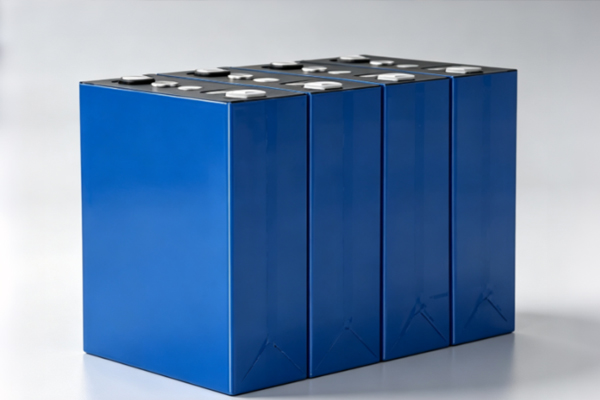
Cells are the core components of a battery pack. Their capacity, consistency, discharge rate, and cycle life all affect the final performance of the battery. For high-performance electric scooters, the right cells should be selected according to the vehicle’s positioning rather than focusing only on individual cell capacity.
Battery Voltage Must Match the Motor System
Different electric scooters use different voltage platforms. Battery voltage must be compatible with the motor, controller, and other electrical components to ensure proper operation of the entire vehicle.
| Battery Parameter | High-Performance Scooter Requirement | Impact on the Vehicle |
| Voltage | Compatible with the motor and controller | Power system operation |
| Capacity | Determined according to range requirements | Actual riding distance |
| Discharge Rate | Meets high-power output requirements | Acceleration and climbing performance |
| Energy Density | Higher energy storage per unit weight | Overall vehicle weight |
| Cycle Life | Suitable for frequent charging and discharging | Battery service life |
| BMS | Multiple protection and monitoring functions | Battery safety |
How Does BMS Improve Battery System Performance?
For high-performance electric scooters, the Battery Management System (BMS) is more than a simple protection device. It is an important part of the battery system. During high-current output and frequent charging and discharging, the BMS helps monitor battery conditions and maintain more stable operation.
Multiple Protection Functions
Depending on the battery design, the BMS can provide multiple protection functions, including overcharge, over-discharge, overcurrent, short-circuit, and temperature protection.
- Monitor battery operating conditions
- Control abnormal current
- Monitor operating temperature
- Reduce risks caused by abnormal charging and discharging
Cell Balancing Management
A battery pack consists of multiple cells. Over time, differences in voltage may develop between individual cells. Proper balancing management can help improve cell consistency and maintain the overall performance of the battery pack.
Why Is Thermal Management Important for High-Performance Batteries?
High-power output generates heat, making thermal management an important part of high-performance electric scooter battery design. Prolonged exposure to high temperatures may affect cell performance and service life.
Optimize the Internal Battery Structure
Cell arrangement, connection methods, and internal space design can all affect heat transfer. A reasonable structural design can improve space utilization and create better conditions for thermal management.
Design According to Operating Conditions
Electric scooters may be used in high summer temperatures, cold winter conditions, and humid environments. Battery solutions should therefore take operating temperature, protective structures, and housing design into consideration.
High-Performance Battery Solutions for Different Applications
High-Speed Electric Scooters
High-speed models generally require higher power output and more stable voltage. The battery should be properly matched with the high-power motor and controller. In addition to capacity, continuous and peak discharge capabilities should also be considered.
High-Power Hill-Climbing Models
For electric scooters frequently used on slopes, the motor experiences higher loads during climbing. The battery needs to provide stable current output to meet the power requirements for starting and uphill riding.
Intensive Commercial Applications
Shared mobility, rental, and delivery applications generally involve more frequent use. These models should focus on cycle life, charging efficiency, structural durability, and maintenance convenience.
Advantages of Customized Battery Solutions
Customized According to Vehicle Space
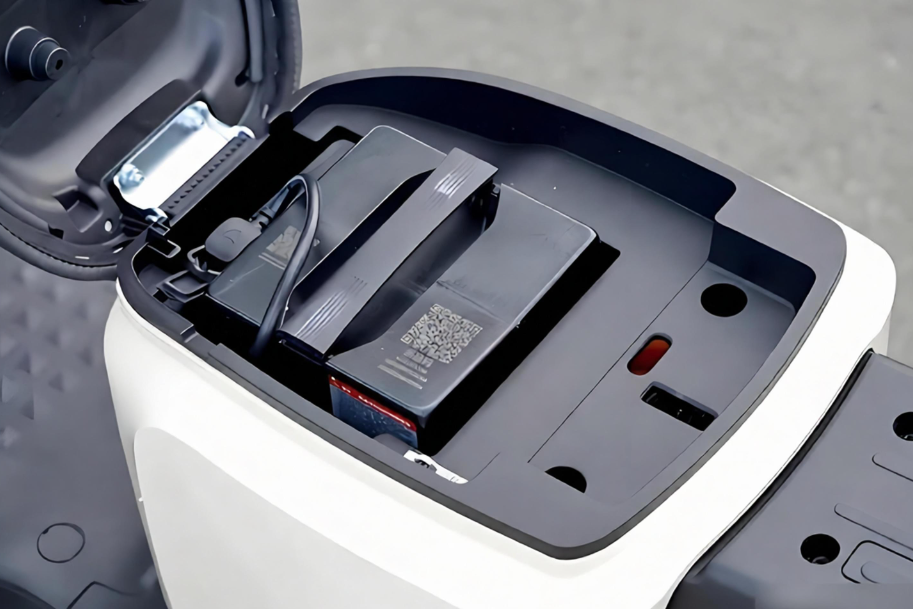
The battery pack can be designed according to the dimensions of the battery compartment. Length, width, and thickness can be adjusted to arrange cells, BMS components, and connection components efficiently within limited space.
Adjust Performance Parameters According to Requirements
Manufacturers can adjust battery capacity, output capability, BMS functions, and connection methods according to the positioning of each scooter model. This helps achieve a suitable balance between performance, weight, and cost.
OEM and ODM Development
For electric scooter brands and manufacturers, OEM and ODM battery solutions can be developed around specific vehicle models. From cell selection to battery structure, the entire system can be customized to make product development more flexible and support differentiated products.
Future Trends in High-Performance Electric Scooter Batteries
High-performance electric scooters are expected to continue developing toward higher efficiency, lower weight, and greater intelligence. High-energy-density cells, smart BMS technology, fast charging, and more advanced thermal management are likely to become important directions for future battery development.
For electric scooter manufacturers, the goal of a high-performance battery solution is not simply to increase capacity. More importantly, the battery should be properly matched with the motor, controller, and overall vehicle structure. By designing the battery according to specific application requirements, manufacturers can achieve a better balance between power, range, safety, and service life while providing stable and reliable energy for high-performance electric scooters.