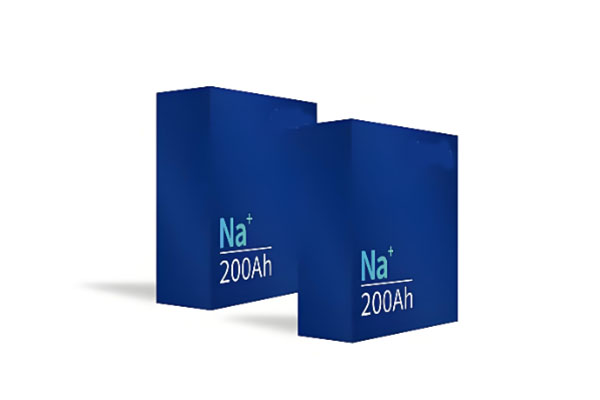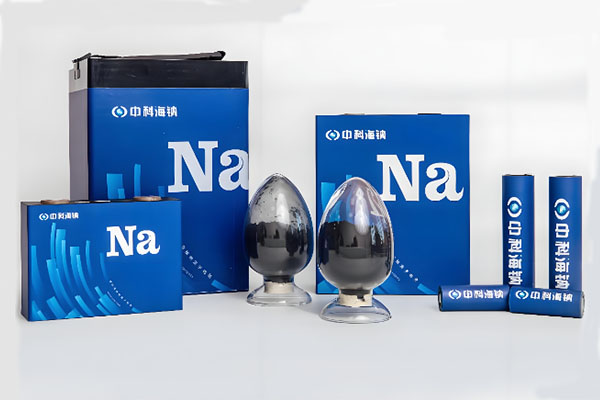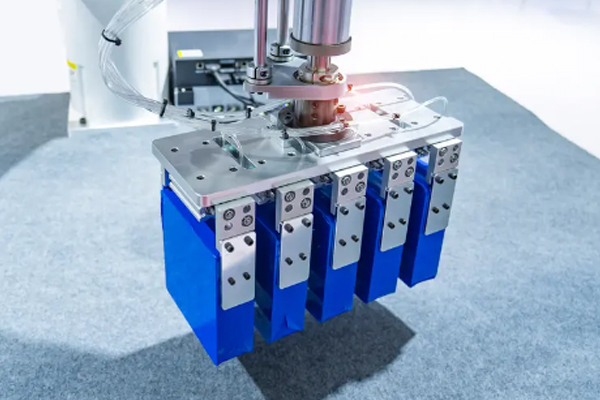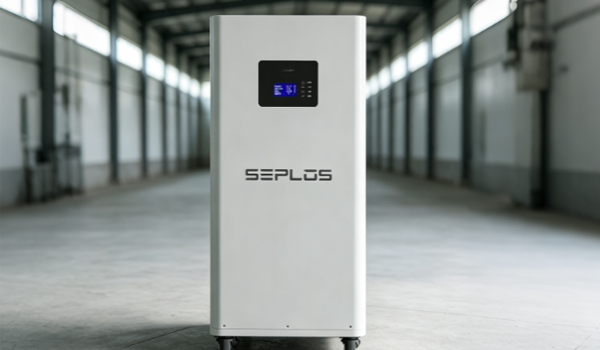
The safety of sodium-ion batteries needs to be verified through systematic testing and cannot be judged solely based on their normal operating condition. Since these products may be used in energy storage, low-speed vehicles, starting power supplies, and other applications, testing generally combines abnormal conditions such as overcharging, short circuits, crushing, dropping, and high or low temperatures to evaluate the tolerance of both cells and battery packs. At present, relevant tests mainly cover electrical safety, mechanical safety, environmental adaptability, and thermal safety. The IEC is also continuing to develop safety requirements and test methods for sodium-ion batteries used in traction and industrial applications.
What Electrical Safety Tests Are Available?
Electrical safety tests mainly simulate battery operating conditions under abnormal charging and discharging and circuit faults, in order to evaluate the protection capabilities and failure behavior of battery cells.
Overcharge and Overdischarge Tests
Overcharge testing is used to observe the battery’s condition after excessive charging, while overdischarge testing evaluates the performance of the cell when operating at low voltage.
- Check stability after abnormal voltage changes.
- Record changes in temperature, appearance, and voltage.
- Verify the response capability of the protection system.
These tests help determine the safety of sodium-ion batteries during abnormal charging and discharging.
External Short-Circuit Test
The external short-circuit test mainly simulates the operating condition of a battery when a short circuit occurs in its wiring, and is used to evaluate the product’s electrical protection capability.
- Observe current changes after the short circuit occurs.
- Record temperature rise and voltage changes during the test.
- Check the condition of the battery casing, terminals, and connection points.
- Observe whether leakage, smoke, fire, or explosion occurs.
- Verify the ability of protective devices and safety structures to limit the impact of the fault.
This test helps assess the thermal stability and protection effectiveness of sodium-ion batteries under sudden circuit faults.
Forced-Discharge Test
The forced-discharge test is used to simulate a single battery cell undergoing abnormal discharge. During the test, changes in voltage, temperature, and structure need to be recorded to evaluate the cell’s ability to withstand extreme discharge conditions. The specific test items, procedures, and acceptance requirements should be determined according to the product type and applicable standards.
What Mechanical Safety Tests Are Available?
Batteries may be subjected to impacts, drops, or crushing during transportation, installation, and use. Mechanical safety tests are mainly used to evaluate their stability after exposure to external forces.
Crush Test
The crush test is used to simulate the safety performance of a battery subjected to significant external force.
- Observe the structural condition of the cell after deformation.
- Check the risk of internal short circuits.
- Record changes in temperature and appearance during the test.
Crushing is a common mechanical abuse test, and relevant battery safety standards generally include it within the scope of type testing.
Nail Penetration Test
The nail penetration test simulates a sharp object penetrating the cell to evaluate its safety under localized damage and internal short-circuit conditions. The main observations include:
- Whether internal short circuits, abnormal discharge, or rapid voltage drops occur.
- Temperature rise and abnormal heating during the test.
- Whether smoke, leakage, deformation, rupture, or fire occurs.
- Whether thermal runaway and propagation occur after nail penetration.
Specific test conditions and acceptance requirements should be implemented in accordance with the relevant product standards. Nail penetration testing can provide a reference for optimizing cell structure and protection design.
Drop and Impact Tests
Drop and impact tests are used to simulate the condition of a battery after accidental collisions during transportation, installation, and use.
- Check for casing damage, deformation, or cracking.
- Check for loosening or damage to terminals, packaging structures, and connection points.
- Compare electrical performance before and after testing, including voltage, internal resistance, and capacity.
- Observe whether leakage, smoke, heating, or fire occurs.
Identify weak points in the structural design based on the test results.
What Environmental and Thermal Safety Tests Are Available?
Temperature and environmental conditions affect the electrochemical reactions inside a battery. Environmental adaptability tests are mainly used to evaluate product stability under different operating conditions.
High- and Low-Temperature Tests
High temperatures may increase the activity of internal reactions in the cell, while low temperatures may reduce charging and discharging capability. The operating condition under both environments needs to be evaluated separately.
- Check operating performance under different temperature conditions.
- Record changes in capacity, voltage, and internal resistance.
- Analyze the impact of temperature changes on safety performance.
The test results can be used to determine the applicable temperature range and operating environment of sodium-ion batteries.
Temperature Cycling Test
The temperature cycling test repeatedly exposes the battery to high-temperature, low-temperature, or room-temperature environments to simulate seasonal changes and temperature fluctuations during equipment operation. The test focuses on appearance, sealing performance, electrical performance, and structural stability. Long-term temperature changes may cause stress in materials and packaging structures, and cycling tests help identify potential defects caused by such stress.
Thermal Abuse and Thermal Runaway Tests
Thermal safety tests mainly evaluate the safety performance of sodium-ion batteries under high temperatures or abnormal heating. They generally include:
- Thermal abuse test: Simulates high temperatures, localized overheating, and other conditions, while observing temperature, appearance, smoke, and fire.
- Thermal runaway test: Evaluates temperature rise, flames, explosion, and propagation when thermal runaway occurs.
- Temperature monitoring: Records the heating rate, maximum temperature, and range of heat propagation.
- Protection capability evaluation: Checks the protective effectiveness of the thermal management system, casing, and insulation design.
The test results can provide a reference for thermal management, casing design, and system protection.
What Aspects Are Evaluated in Battery Pack Safety Tests?
After individual battery cells complete testing, the assembled battery pack must also be evaluated at the system level. The BMS and structural design are key areas of focus.
BMS Protection Function Test
The battery management system (BMS) is responsible for monitoring and controlling the condition of the battery pack. Its main functions include:
- Monitoring voltage, current, and temperature.
- Identifying overvoltage, undervoltage, overcurrent, short circuits, and abnormal temperatures.
- Checking the response speed and accuracy of protection functions.
- Verifying alarm, current-limiting, disconnection, and recovery functions.
- Checking the compatibility between BMS parameters and cell characteristics.
- Evaluating protection stability under different operating conditions.
A well-designed BMS can promptly detect battery abnormalities and provide safety protection for sodium-ion battery systems.
Battery Pack Environmental Tests
Battery packs generally operate under more complex conditions than individual cells. In addition to temperature changes, factors such as vibration, impact, dropping, and water immersion also need to be evaluated. The test items and acceptance requirements vary among application fields. The specific test plan should be determined based on the product type, operating environment, and standards of the target market. Relevant sodium-ion battery standards are also gradually expanding to cover industrial and traction applications.
Comprehensive Safety Evaluation
Battery safety cannot be assessed based on the results of a single test. Multiple aspects must be analyzed comprehensively.
- Comprehensive test results: Combine electrical, mechanical, environmental, and thermal safety tests to evaluate overall performance.
- Layered testing: Conduct tests step by step at the “cell–module–battery pack” levels to identify problems at different stages.
- System compatibility checks: Focus on whether the cells, BMS, structural components, and thermal management system are properly matched.
- Product design optimization: Improve materials, structures, protection parameters, and thermal management solutions based on test results.
- Strengthened quality management: Apply test results to research and development, production, and maintenance to improve product stability.
Through layered testing and comprehensive analysis, the safety risks of sodium-ion batteries can be identified more accurately, providing a basis for product optimization.
Sodium-ion battery safety testing covers electrical, mechanical, environmental, and thermal safety. As relevant standards continue to improve, companies should select appropriate test plans based on specific application scenarios and use the test results to optimize battery materials, structural design, and management systems. This can improve product stability during actual operation and provide a reliable basis for the product design, system integration, and large-scale application of sodium-ion batteries.