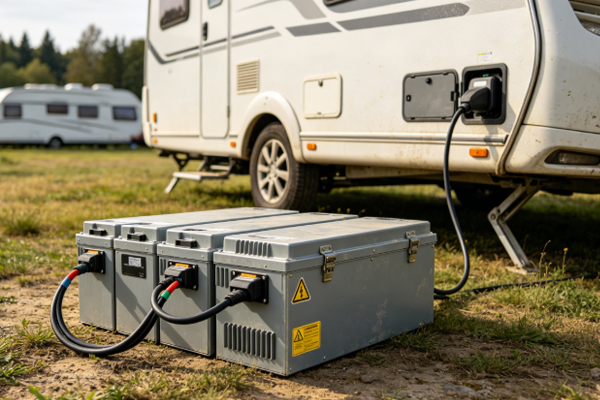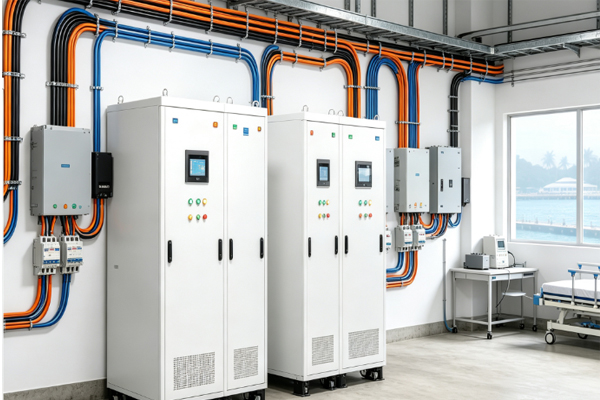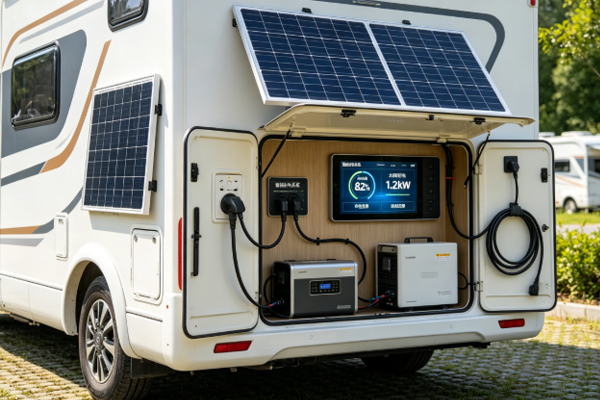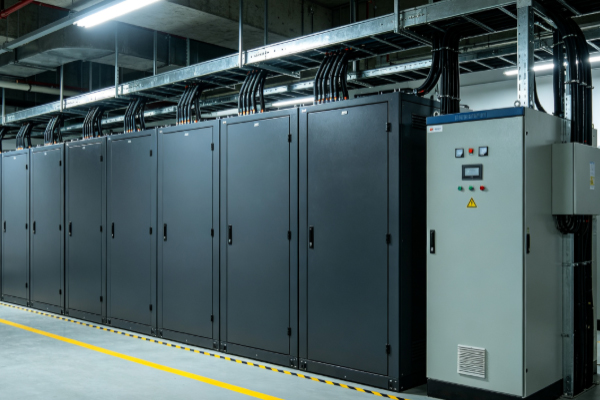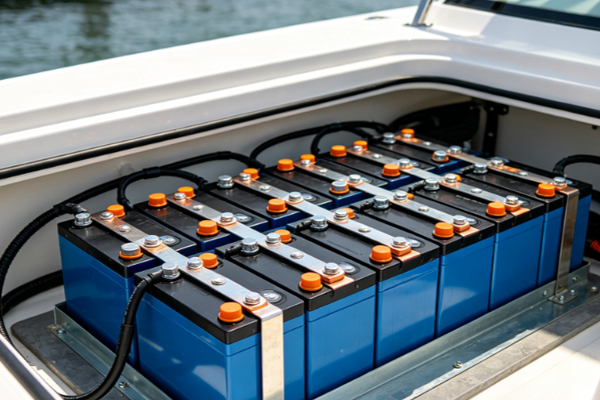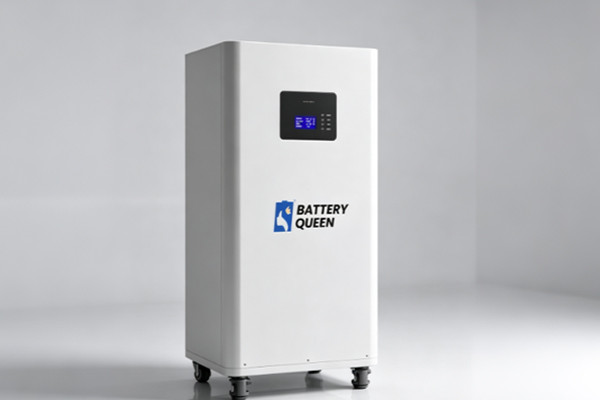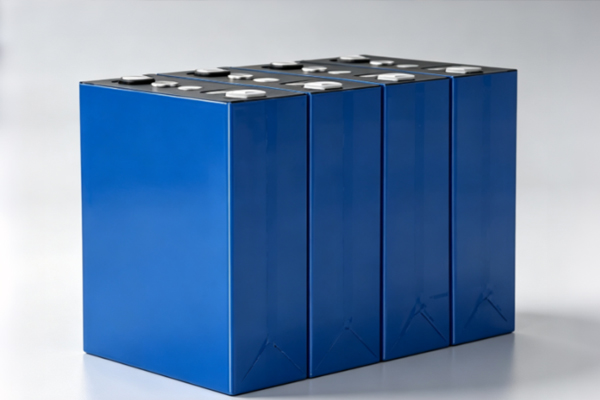
Port transportation, sightseeing vessels, patrol boats, and engineering workboats are rapidly upgrading toward new energy solutions. Energy storage batteries have become a core component of the power system for electric ships. An efficient and stable energy storage system can improve endurance, optimize energy utilization efficiency, and provide continuous and reliable power support for vessels. In complex water environments, long-duration voyages, and frequent start-stop operating conditions, the industry places greater emphasis on battery safety, system stability, and intelligent management capabilities. A complete energy storage battery solution can meet the power requirements of different vessel types and provide reliable technical support for new energy ship projects.
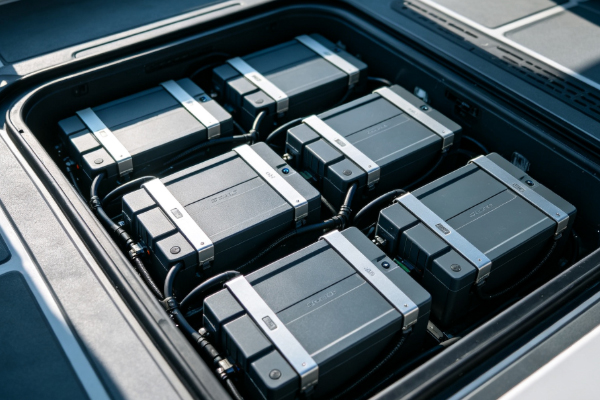
What Capabilities Should an Electric Ship Energy Storage Battery System Have
The design of an electric ship energy storage system must be comprehensively optimized from three aspects: power output, safety, and environmental adaptability.
Provide Stable and Continuous Power Output
Power output capability determines the navigation efficiency and energy consumption performance of electric ships and is a core design indicator of the system.
- Select and match high-consistency cells to improve battery pack discharge stability.
- Optimize module and PACK structural design to reduce internal resistance and energy loss.
- Meet the requirements of long-distance navigation and high-load operation.
Stable power output improves overall operational efficiency and reduces long-term energy consumption.
Strengthen Battery Safety Protection Capability
Battery safety is a core focus in energy storage system design and is directly related to the operational reliability of the entire vessel.
- Configure multi-level electrical and structural protection mechanisms to enhance system reliability.
- Monitor key parameters such as voltage, current, and temperature in real time.
- Establish abnormal warning and automatic protection mechanisms to mitigate risks promptly.
A comprehensive safety system can effectively reduce failure rates and ensure stable operation of electric ships.
Meet Complex Environmental Application Requirements
Electric ships operate in high-humidity, high-salt spray, and strong vibration environments for long periods, which places higher demands on the system. It is necessary to improve moisture resistance and salt spray corrosion resistance, enhance anti-vibration and anti-impact structural design, and ensure stable operation under high and low temperature as well as humid and hot conditions. This enables the system to have strong environmental adaptability, expand its application range, and improve project reliability.
Electric Ship Energy Storage Battery Solution
Based on the operating characteristics of electric ships, the energy storage system needs optimization in management, structure, and thermal control.
Intelligent BMS Management System
The intelligent BMS is the core control unit of the energy storage system and plays a key role in ensuring battery safety.
- Real-time collection of voltage, current, and temperature data for dynamic monitoring.
- Improve cell consistency through balancing control algorithms.
- Support remote monitoring and cloud-based data analysis.
Intelligent management improves system efficiency and safety levels.
Optimized PACK Integration Design
PACK integration design directly affects the energy density and structural performance of the energy storage system.
- Optimize internal structural layout to improve space utilization and energy density.
- Reduce electrical connection losses to enhance energy conversion efficiency and output stability.
- Strengthen structural durability to withstand ship vibration and impact environments.
A well-designed PACK system improves endurance while balancing installation convenience and system safety.
Comprehensive Thermal Management Solution
The thermal management system is a critical foundation for ensuring stable operation of electric ship energy storage batteries.
- Optimize heat dissipation structure and thermal conduction paths to effectively control temperature rise.
- Select air-cooling or liquid-cooling solutions based on application scenarios to meet different power requirements.
- Maintain battery temperature within a safe range to avoid performance degradation or safety risks.
Efficient thermal management technology improves system reliability and extends battery service life.
Recommended Energy Storage Battery Solutions for Different Vessel Types
Different vessel types have varying requirements for power, endurance, and stability of energy storage systems.
| Application Scenario | Main Requirements | Recommended Solution |
| Electric sightseeing boats | Long endurance, low noise | High energy density battery system |
| Electric patrol boats | Continuous stable power supply | Intelligent BMS management solution |
| Electric fishing boats | High power output | High-rate energy storage battery solution |
| Port operation vessels | High-frequency operation | Long-life PACK system |
| Engineering workboats | High reliability | Customized energy storage battery solution |
System matching based on different application scenarios can effectively improve energy utilization efficiency and operational stability.
How Enterprises Should Choose Energy Storage Battery Solutions
When selecting an energy storage system, enterprises need to comprehensively evaluate technical capabilities, quality systems, and customization capabilities.
Focus on System Integration Capability
System integration capability directly affects the power performance and operational efficiency of electric ships.
- High compatibility with ship power systems to ensure stable operation.
- Support standard communication interfaces for data interaction and integration.
- Achieve coordinated control between energy storage and ship propulsion systems to improve efficiency.
Strong system integration capability improves performance and reduces maintenance and upgrade costs.
Emphasize Product Testing and Quality Control
A comprehensive testing system is a key foundation for ensuring battery safety and long-term system reliability. It includes full lifecycle cycle life testing to evaluate performance degradation over time, high and low temperature extreme environment testing to ensure stable operation under different climate conditions, waterproof, vibration, and multi-dimensional safety performance validation to enhance system reliability, and the establishment of a strict standardized quality inspection system to ensure each batch of products meets application requirements, thereby significantly improving overall system reliability and safety performance.
Support Project Customization Development
Different electric ship projects vary in power, space, and operating conditions, making customization capability particularly important.
- Support customization of different capacities and voltages to meet diverse requirements.
- Optimize PACK structural design to adapt to vessel space.
- Support customization of BMS functions and software to enhance intelligence level.
Customization capability significantly improves system adaptability and enables energy storage batteries to deliver higher value in different projects.
As application scenarios for new energy ships continue to expand, requirements for power systems are also increasing, especially in terms of endurance and operational stability. By building a complete energy storage battery solution centered on battery safety, intelligent management systems, system integration capabilities, and thermal management technology, it is possible to effectively improve overall energy utilization efficiency, achieve more stable and efficient power output, and create greater long-term value for the sustainable development of electric ship projects.