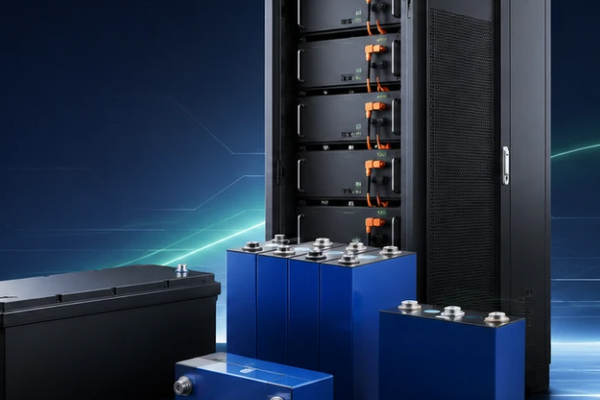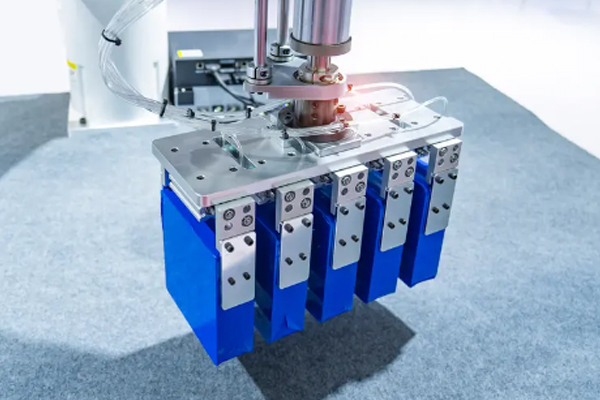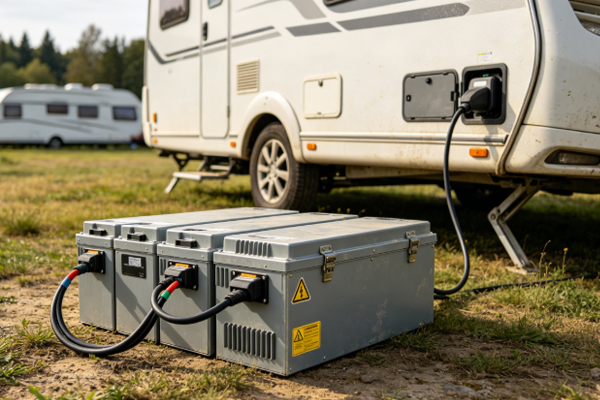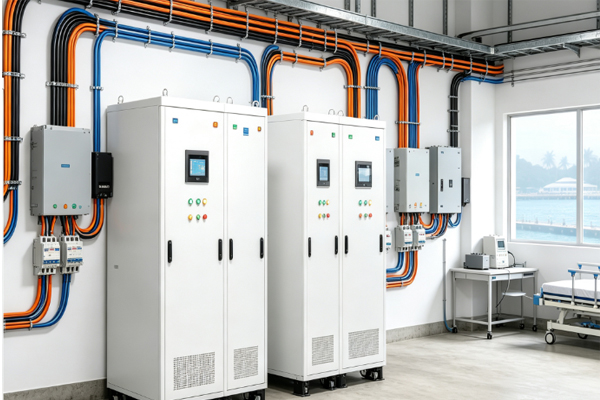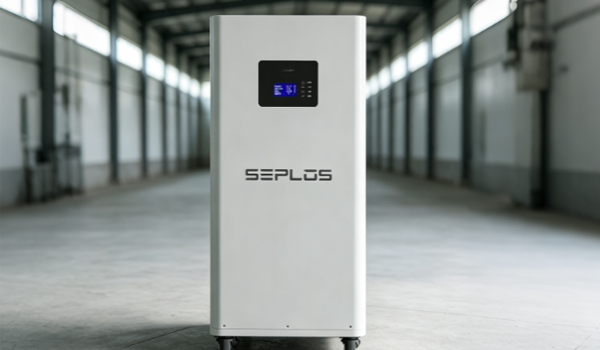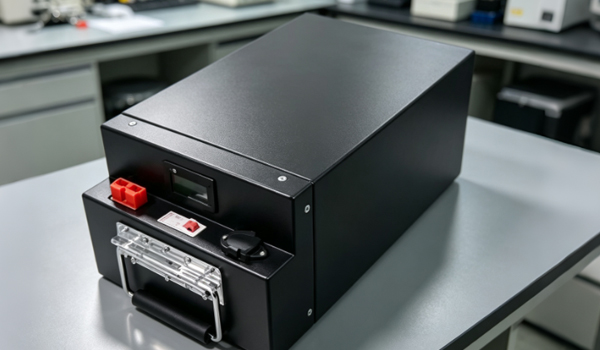
The rapid development of the new energy ship industry has made power system upgrades an important direction for improving navigation efficiency. Different vessel types such as sightseeing boats, patrol boats, fishing boats, and port operation vessels have higher requirements for power system stability, endurance, and maintenance efficiency. As the core energy unit, lithium batteries affect the entire vessel’s power output, operational reliability, and long-term operating costs. Establishing a comprehensive electric ship lithium battery solution for different application scenarios can improve energy utilization efficiency, enhance intelligent system management, and provide stable and safe power support for new energy vessels.
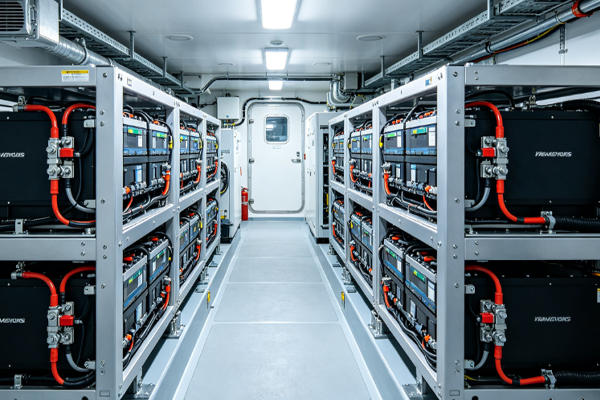
What Capabilities Should an Electric Ship Lithium Battery System Have
The operating conditions of electric ships are complex, so the overall performance requirements for lithium battery systems are high.
Efficient and Stable Power Output
The power system directly affects the vessel’s navigation performance.
- High-consistency lithium battery cells are used to ensure stable output during long-term discharge and reduce the impact of power fluctuations on navigation.
- The battery module layout is optimized, and a reasonable series-parallel design improves energy utilization efficiency, making energy release more balanced.
- It meets the needs of long-duration sailing and continuous operation, maintaining stable power supply even under high-load conditions.
Stable power output helps reduce energy loss and ensures continuous and reliable operation of electric ships.
Comprehensive Safety Protection Capability
Safety design is a core part of lithium battery systems. Multi-level protection circuits are configured to handle overcharge, over-discharge, and short-circuit conditions. At the same time, voltage, current, and temperature are monitored in real time to achieve dynamic system management. A fault alarm mechanism is also established to trigger protection strategies in time and improve system response efficiency. A complete safety mechanism enhances system reliability and ensures long-term stable vessel operation.
Adaptability to Complex Water Environments
The operating environment of ships is complex, requiring higher adaptability from battery systems.
- Improved moisture and salt spray resistance to adapt to high-humidity and high-salinity marine environments.
- Enhanced vibration and impact resistance to withstand waves and hull movement.
- Stable operation under both high and low temperature conditions.
Good environmental adaptability helps expand the application range of lithium batteries across different vessel types.
Core Design of Electric Ship Lithium Battery Solutions
This section focuses on system architecture and key technologies, which form the foundation of a high-performance power system.
Intelligent BMS Management System
The intelligent management system improves lithium battery efficiency and safety.
- Real-time data acquisition enables dynamic monitoring of voltage, temperature, and current.
- Balancing technology reduces cell differences and improves overall consistency and lifespan.
- Supports remote monitoring and data analysis for operational status management and optimization.
The BMS system enhances overall management capability and improves operational efficiency.
Optimized PACK Integration Design
The PACK structure directly affects system performance and space utilization. Internal layout optimization improves energy density and space efficiency, reduces connection losses to enhance energy transmission efficiency, and strengthens structural durability to withstand vessel vibration and impact environments. A well-designed PACK balances performance, installation convenience, and long-term stability.
Efficient Thermal Management Solution
Temperature control is critical to lithium battery performance.
- Optimized heat dissipation structure improves thermal release efficiency.
- Air-cooling or liquid-cooling solutions are configured based on requirements.
- Maintains batteries within a stable temperature range to improve efficiency and extend lifespan.
Scientific thermal management improves system reliability and service life.
Recommended Lithium Battery Configurations for Different Vessel Types
Different vessel types vary in power demand and operating modes, requiring tailored configurations.
| Application Scenario | Core Requirements | Recommended Lithium Battery Solution |
| Electric sightseeing boat | Long endurance, low noise | High energy density lithium battery system |
| Electric patrol boat | Stable power output | Intelligent BMS lithium battery solution |
| Electric fishing boat | High power discharge | High-rate lithium battery system |
| Port operation vessel | Frequent continuous operation | Long-life PACK solution |
| Engineering vessel | High reliability | Customized lithium battery solution |
Proper matching of solutions improves energy efficiency and meets diverse application needs.
How to Choose the Right Electric Ship Lithium Battery Solution
In project implementation, solution selection directly affects overall operational performance.
Focus on System Integration Capability
The lithium battery system must work in coordination with the vessel’s power platform.
- Matches propulsion and control systems for precise power output.
- Supports standard communication interfaces to improve system compatibility.
- Enables coordinated power control to optimize energy distribution efficiency.
Strong integration capability improves overall operational efficiency and maintenance convenience.
Pay Attention to Product Testing Capability
A comprehensive testing system is the foundation of reliability.
- Conduct cycle life testing to verify long-term performance.
- Perform high and low temperature tests to ensure extreme environment adaptability.
- Complete waterproof, vibration, and safety testing.
- Establish a full-process quality inspection system.
Strict testing ensures stable performance in marine environments.
Support Customized Development Services
Different vessel projects have different power requirements.
- Supports capacity and voltage customization to meet different vessel power needs.
- Supports PACK structural optimization to adapt to space and installation conditions.
- Supports BMS and communication protocol development for system integration.
Comprehensive customization services improve project adaptability and enable lithium battery systems to meet a wider range of application scenarios.
With the continuous expansion of new energy ship applications, power system performance standards are also rising. Electric ships place increasingly strict requirements on the energy density, stable output, and safety management of lithium batteries. By building an integrated solution covering efficient power supply, intelligent management, PACK integration, and thermal management, vessel operational stability can be effectively enhanced, battery service life can be extended, and the overall operational value of new energy ship projects can be further improved.