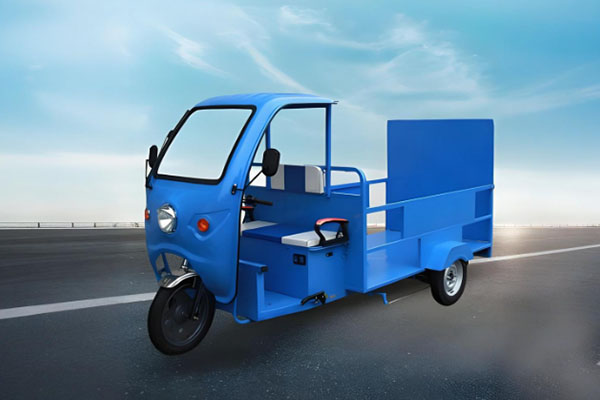
With the continued growth of express delivery, same-day logistics, supermarket distribution, and community transportation, electric tricycles have become an important solution for short-distance cargo transportation. Compared with regular mobility vehicles, logistics electric tricycles are typically characterized by frequent use, long operating hours, heavy loads, and frequent starts and stops. These conditions place higher demands on battery range, cycle life, safety, and charging efficiency.
A suitable electric tricycle battery solution for logistics requires more than simply selecting a battery with a large capacity. Battery chemistry, voltage, motor power, vehicle load, daily mileage, battery compartment dimensions, and operating conditions should all be considered. By combining LiFePO4 or LTO battery technology with an intelligent BMS, manufacturers and fleet operators can develop a more stable and efficient power solution for logistics vehicles.
What Battery Requirements Do Logistics Electric Tricycles Have?
Logistics vehicles may complete numerous delivery tasks every day, so battery performance directly affects vehicle productivity and operating efficiency.
Reliable Driving Range
Logistics electric tricycles often need to complete multiple delivery trips during a working day. Battery capacity should therefore be matched to the actual driving range required. If the capacity is too small, frequent charging may be necessary. If the capacity is unnecessarily large, battery weight and purchasing costs may increase.
A suitable battery capacity should be determined by considering motor power, vehicle load, road conditions, daily mileage, and driving habits to achieve a practical balance between range and cost.
Long Cycle Life
For high-frequency logistics applications, the battery may be charged and discharged every day. A battery with a long cycle life can reduce replacement frequency during long-term operation, minimize vehicle downtime, and help logistics companies control overall operating costs.
Reliable Safety Protection
Logistics electric tricycles operate on urban roads, warehouse sites, industrial parks, and rural roads. They may encounter vibration, temperature fluctuations, and different load conditions. The power battery should therefore be equipped with an effective BMS to monitor voltage, current, and temperature.
Are LiFePO4 Batteries Suitable for Logistics Electric Tricycles?
Lithium Iron Phosphate is an important battery technology for electric vehicle applications. It offers good thermal stability, long cycle life, and stable charging and discharging performance, making it suitable for high-frequency logistics transportation.
Long Cycle Life
Since logistics vehicles are used frequently, cycle life is an important factor when selecting a battery. LiFePO4 batteries can support long-term cycling requirements, helping reduce maintenance costs associated with frequent battery replacement.
Stable Power Output
When carrying cargo, an electric tricycle requires sufficient power to accelerate and operate efficiently. A properly designed LiFePO4 battery pack can provide stable current output according to the requirements of the motor and controller, supporting reliable vehicle operation during daily deliveries.
Higher Energy Density
Compared with traditional lead-acid batteries, lithium batteries generally provide higher energy density and lower weight. Within a limited battery compartment, an optimized lithium battery pack can provide a more practical capacity configuration while reducing unnecessary battery weight.
The Role of BMS in Logistics Electric Tricycle Battery Solutions
The Battery Management System (BMS) is an important part of a power battery system. A properly configured BMS can monitor battery operating conditions and provide intelligent management.
Overcharge and Over-Discharge Protection
A BMS monitors battery voltage and helps protect the battery under abnormal charging or discharging conditions. This can reduce the impact of improper battery operation on long-term performance.
Overcurrent and Short-Circuit Protection
Logistics electric tricycles may require relatively high current during starting, acceleration, and heavy-load operation. The BMS should therefore be configured with appropriate overcurrent protection parameters according to the battery pack and vehicle system.
Cell Balancing
During long-term operation, voltage differences may develop between individual cells. Cell balancing helps improve consistency between cells and allows the battery pack to maintain more stable performance.
Logistics Electric Tricycle Battery Configuration
| Item | Recommended Solution | Main Function |
| Battery Type | LiFePO4 | Provides stable power and long cycle life |
| Voltage Platform | 24V / 48V, etc. | Matches the vehicle electrical system |
| Battery Capacity | Customized according to range and load | Meets different logistics transportation requirements |
| BMS | Smart BMS | Provides battery monitoring and safety protection |
| Communication | CAN / RS485 / Bluetooth | Supports data monitoring and system integration |
| Battery Housing | Customized design | Adapts to different battery compartment spaces |
| Connector | Matched to vehicle model | Ensures stable electrical connections |
| Customization | OEM/ODM | Meets different vehicle and bulk purchasing requirements |
How to Choose Batteries for Different Logistics Applications?
Urban Express Delivery
Express delivery tricycles often travel relatively long distances every day and experience frequent stops and starts. Battery capacity, cycle life, and charging efficiency should therefore be considered carefully. The battery pack should be selected according to the actual daily delivery mileage.
Supermarket and Community Delivery
Supermarket and community delivery generally involves short-distance transportation, but the vehicles may be used frequently throughout the day. A suitable LiFePO4 battery capacity can be selected according to vehicle load and delivery routes to balance driving range and battery cost.
Industrial Park and Warehouse Transportation
Logistics parks, industrial facilities, and warehouses often have relatively fixed transportation routes. Battery capacity can be selected based on daily operating hours and available charging conditions. If frequent fast charging is required, LTO battery technology can also be evaluated according to the specific operating conditions.
Deligreen Customized Battery Solutions for Logistics Electric Tricycles
Different logistics electric tricycles have different motor power ratings, voltage requirements, battery compartment dimensions, load capacities, and range requirements. Therefore, a standard battery may not be suitable for every vehicle. Customizing the battery according to vehicle specifications can improve compatibility between the battery and the vehicle power system.
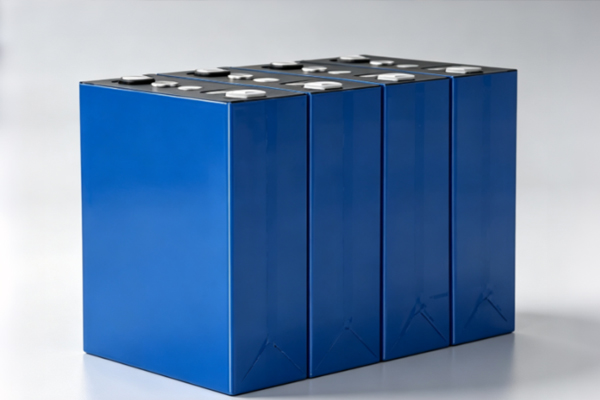
Deligreen provides LiFePO4 battery cells, battery packs, BMS systems, and related battery accessories, while supporting OEM/ODM customization. Customers can specify requirements for voltage, capacity, dimensions, connectors, communication methods, and operating environments.
For logistics transportation projects requiring fast charging or long cycle life, LTO battery technology can also be considered according to the actual operating pattern. This provides additional battery options for high-frequency logistics vehicles.
How Can Logistics Companies Reduce Battery Operating Costs?
When selecting a battery, companies should not compare purchasing prices alone. Total lifecycle cost is also important. Cycle life, charging efficiency, maintenance requirements, driving range, and replacement intervals can all affect the actual operating cost.
For logistics companies, establishing battery capacity standards according to daily vehicle mileage can help improve fleet management. Using compatible charging equipment and monitoring charging cycles, vehicle mileage, and battery condition can also help improve long-term battery utilization.
An electric tricycle battery solution for logistics should be designed around driving range, cycle life, safety, power output, and vehicle compatibility. For high-frequency applications such as express delivery, supermarket distribution, community logistics, and industrial park transportation, LiFePO4 batteries can be an important power solution because of their stable performance and long cycle life.
By combining suitable battery cells, battery packs, smart BMS systems, and customized structural designs, manufacturers can develop battery systems that better match different logistics vehicles. With its LiFePO4 and LTO battery products and OEM/ODM customization capabilities, Deligreen can provide flexible electric tricycle battery solutions for logistics, helping customers achieve more stable and efficient electric transportation.