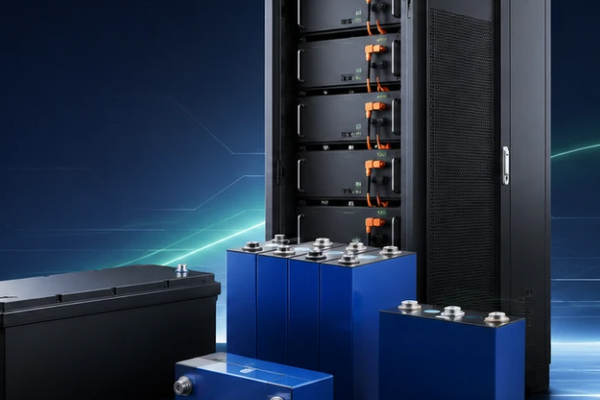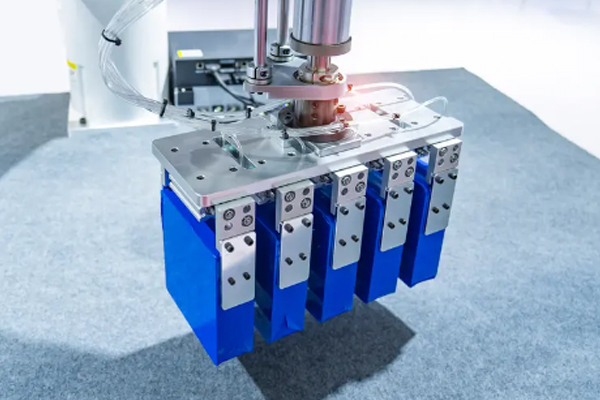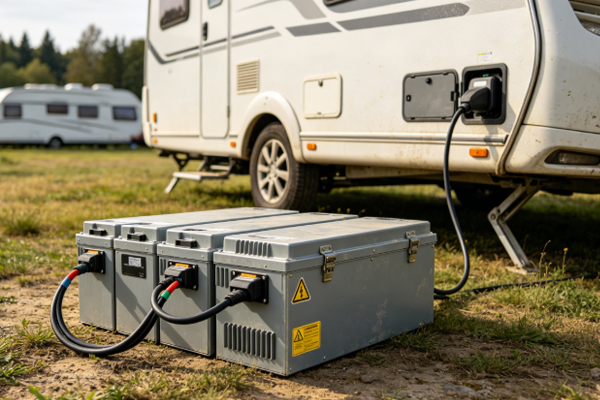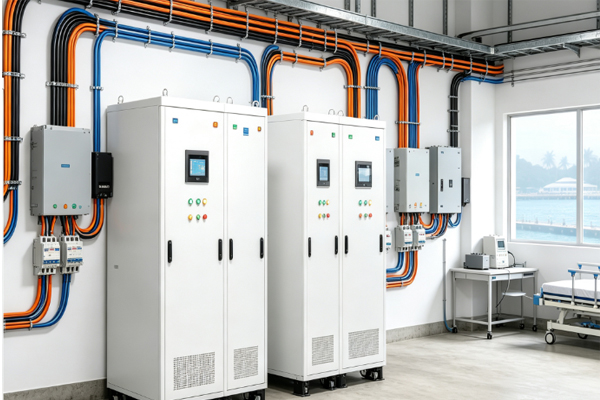
Backup power in an intensive care unit may not get much attention during normal operation, but when the power goes out, it becomes one of the most critical parts of the system. Patient monitors, ventilators, infusion pumps, and other medical equipment need a stable power supply, and even a short interruption can cause serious problems. When purchasing backup batteries, buyers often ask questions like “Should I choose 24V or 48V?” or “Is 200Ah enough?” These questions are closely related to equipment power, backup time, and battery configuration. With long cycle life, good thermal stability, and flexible configuration options, LiFePO4 batteries can be used in different types of medical backup power systems.
What Battery Voltage Is Suitable for ICU Backup Power?
Choosing the right Battery Voltage is one of the first steps when designing an ICU backup power system. Common options include 12V, 24V, and 48V LiFePO4 batteries. The right voltage depends on the connected equipment, inverter specifications, total power demand, and installation requirements.
Is a 12V LiFePO4 Battery Suitable for Medical Backup Power?
A 12V LiFePO4 battery is convenient for small backup power systems and equipment with relatively low power requirements. It is also easy to combine into larger battery packs. For compact systems, 12V batteries can provide a flexible starting point.
- Suitable for small backup devices and low-power equipment
- Easy to install and replace
- Flexible for DIY battery packs and small energy storage systems
- Convenient for systems that already use 12V DC power
For larger ICU backup systems, however, using only 12V batteries may require more parallel connections. This can increase wiring complexity and installation space.
What Are the Advantages of a 24V LiFePO4 Battery?
A 24V LiFePO4 battery is a practical choice for medium-power backup systems. Compared with a 12V system, the same power load can be supplied with lower current at 24V, which can help reduce cable size and energy losses. A 24V 200Ah LiFePO4 battery provides 4.8kWh of nominal energy, making it suitable for many medium-sized backup applications.
Is a 48V LiFePO4 Battery Suitable for High-Power Backup Systems?
For higher-power backup systems, 48V LiFePO4 batteries are often a more practical option. At the same power level, a higher Battery Voltage means lower operating current. This can make cable selection, inverter matching, and system installation more manageable.
A 48V battery system is especially useful when the backup power system needs to support several devices at the same time or operate for a longer period. The actual configuration still needs to match the inverter and connected equipment.
How to Choose Between 12V, 24V, and 48V?
| Battery Voltage | Typical Use | Main Advantage | Suitable System |
| 12V | Small backup systems | Simple and flexible | Low-power equipment |
| 24V | Medium backup systems | Good balance of current and capacity | Medium-power equipment |
| 48V | High-power systems | Lower current and easier scaling | Larger backup systems |
The key is not simply choosing the highest Battery Voltage. The battery voltage should match the inverter, equipment voltage, total power demand, and
How Much Battery Capacity Does ICU Backup Power Need?
Battery capacity determines how long the backup system can continue supplying power. A battery with a larger Ah rating can generally store more energy, but the actual runtime depends on the equipment load and system efficiency. Simply looking at the Ah value is not enough when selecting an ICU backup battery.
How Long Can a 24V 200Ah LiFePO4 Battery Run?
A 24V 200Ah LiFePO4 battery has a nominal energy capacity of approximately 4.8kWh. If the connected load is 1kW, the theoretical runtime is around 4.8 hours. Real operating time will be shorter because of inverter efficiency, battery discharge conditions, temperature, and other system losses.
- 500W load: theoretical runtime is around 9.6 hours
- 1,000W load: theoretical runtime is around 4.8 hours
- 2,000W load: theoretical runtime is around 2.4 hours
- Actual runtime should include system efficiency and usable battery capacity
For an ICU application, the calculation should focus on the total power of the equipment that must remain operational rather than simply selecting a battery by Ah.
How Do You Calculate LiFePO4 Battery Capacity?
A simple calculation can help determine the initial battery size:
Battery Energy (Wh) = Battery Voltage (V) × Capacity (Ah)
For instance, a 24V 200Ah battery has:
24V × 200Ah = 4,800Wh
If the system needs 2kW of backup power for 3 hours, the theoretical energy requirement is:
2kW × 3h = 6kWh
The actual battery capacity should be higher than this theoretical value after accounting for inverter efficiency, usable capacity, temperature, and system reserves.
How Many Hours of Backup Power Are Needed?
The required backup time depends on the power infrastructure and emergency response plan. Some systems only need enough battery power to bridge the gap before a generator or another backup source starts. Other systems may require several hours of battery operation.
A practical configuration should leave some capacity margin instead of running the battery continuously at its maximum available energy.
Are LiFePO4 Batteries Suitable for ICU Backup Power?
LiFePO4 batteries have become a popular option for energy storage and backup power because of their cycle life, thermal characteristics, and relatively stable chemistry. For ICU backup applications, the battery is only one part of the complete system. The inverter, BMS, wiring, protection devices, monitoring system, and installation environment also need to be properly matched.
Do LiFePO4 Batteries Have a Long Cycle Life?
One of the main advantages of LiFePO4 batteries is their long cycle life compared with many traditional battery technologies. This can be useful for backup systems that are regularly tested, charged, or occasionally used during power interruptions.
A properly configured LiFePO4 battery can reduce the frequency of battery replacement and make long-term maintenance easier. Actual cycle life varies with charging and discharging conditions, operating temperature, depth of discharge, and battery quality.
Are LiFePO4 Batteries Safe for Backup Power?
LiFePO4 chemistry is known for good thermal stability and is widely used in stationary energy storage applications. However, battery chemistry alone does not make an entire backup power system safe.
The battery pack should have appropriate protection, wiring, enclosure design, charging control, and thermal management. Medical backup power projects may also have additional electrical and regulatory requirements depending on the equipment and installation location.
Does a Medical Backup Battery Need a BMS?
Yes. A Battery Management System (BMS) is an important part of a LiFePO4 battery pack. It monitors battery operating conditions and provides protection during abnormal situations.
- Overcharge protection
- Over-discharge protection
- Overcurrent protection
- Short-circuit protection
- Cell voltage monitoring
- Temperature monitoring
A good BMS can help protect the battery during charging and discharging while also providing useful information for system monitoring.
Can Medical Backup Batteries Be Expanded Later?
A scalable battery design can make future expansion easier. If the power demand of an ICU backup system increases, additional battery capacity may be considered rather than replacing the entire system.
However, expansion should be planned from the beginning. Battery voltage, battery capacity, BMS communication, inverter compatibility, wiring, and charging equipment all need to support the intended configuration.
What Should You Consider When Purchasing ICU Backup Power Batteries?
The lowest battery price is not always the best choice for a critical backup power system. Buyers should look at Battery Voltage, capacity, continuous discharge current, BMS functions, dimensions, communication options, cycle life, and system compatibility. Clear specifications can also make it easier to compare different battery suppliers.
What Battery Parameters Should You Check for Medical Backup Power?
| Parameter | What to Check |
| Battery Voltage | 12V, 24V, 48V or customized voltage |
| Capacity | Ah and total usable energy |
| Battery Chemistry | LiFePO4 |
| BMS | Protection functions and communication |
| Discharge Current | Continuous and peak current |
| Cycle Life | Expected service life under specified conditions |
| Dimensions | Available installation space |
| Charging | Compatible charger and charging voltage |
| Communication | CAN, RS485 or other interfaces if required |
The battery specification should match the complete backup power system rather than being selected only by capacity or price.
Are Battery Size and Installation Space Important?
Battery dimensions can become a practical problem if they are ignored during the early planning stage. A battery may have enough capacity but still be difficult to install if the enclosure, rack, cable routing, ventilation, or maintenance space is insufficient.
For ICU backup systems, the battery enclosure should also allow convenient inspection and maintenance. Clear access to cables, terminals, BMS interfaces, and protection components can make future service much easier.
What Should You Ask a LiFePO4 Battery Manufacturer?
When requesting a quotation, provide the manufacturer with the basic requirements of your project. This normally includes the required Battery Voltage, capacity, load power, backup time, installation space, charging method, and communication requirements.
A professional LiFePO4 battery supplier can then recommend a suitable battery pack configuration instead of simply quoting a standard battery model.
For critical backup power applications, the final battery configuration should also be checked against the requirements of the specific medical equipment and local electrical regulations.
Reliable backup power is essential when medical equipment needs to keep operating during a power interruption. When choosing a LiFePO4 battery, do not focus only on Ah capacity or price. Battery Voltage, battery capacity, equipment power, backup time, BMS protection, and inverter compatibility all need to work together. Deligreen supplies LiFePO4 batteries, battery packs, DIY battery boxes, BMS accessories, and scalable energy storage solutions for global customers, with flexible configurations available for different Battery Voltage and capacity requirements.