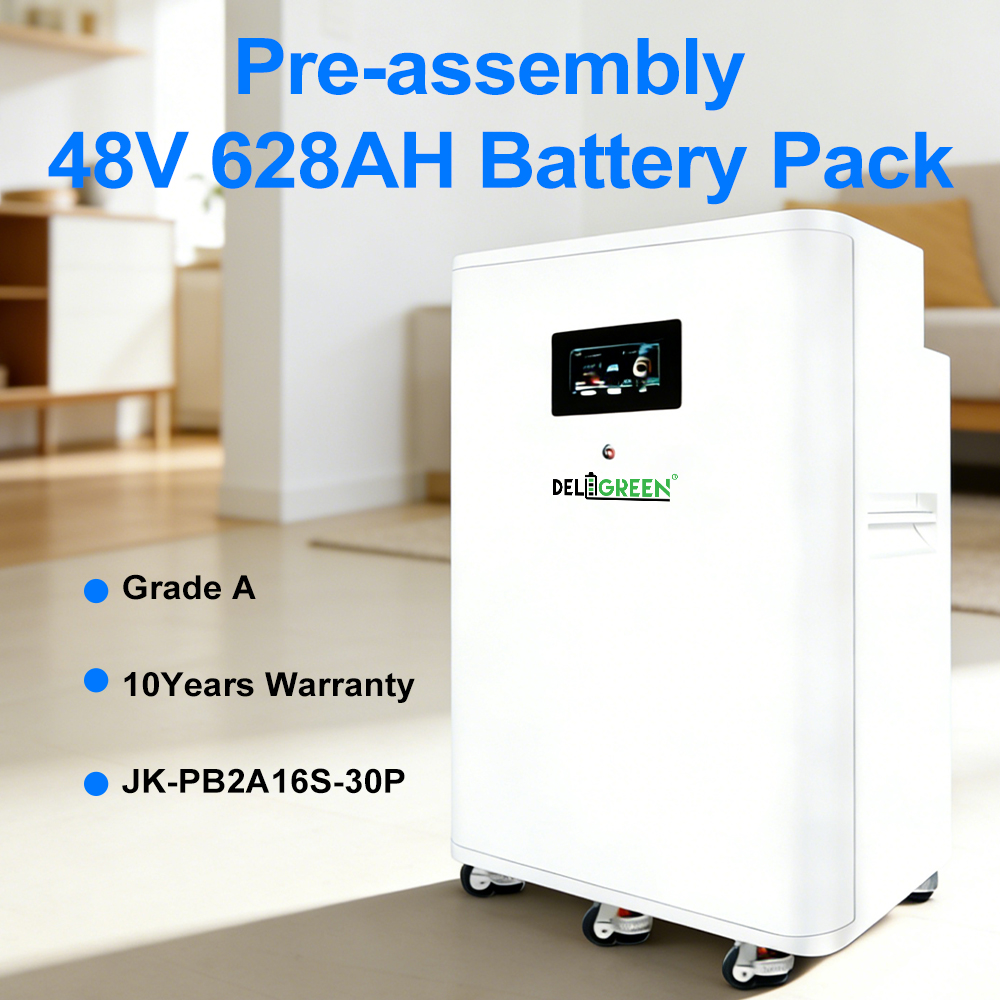
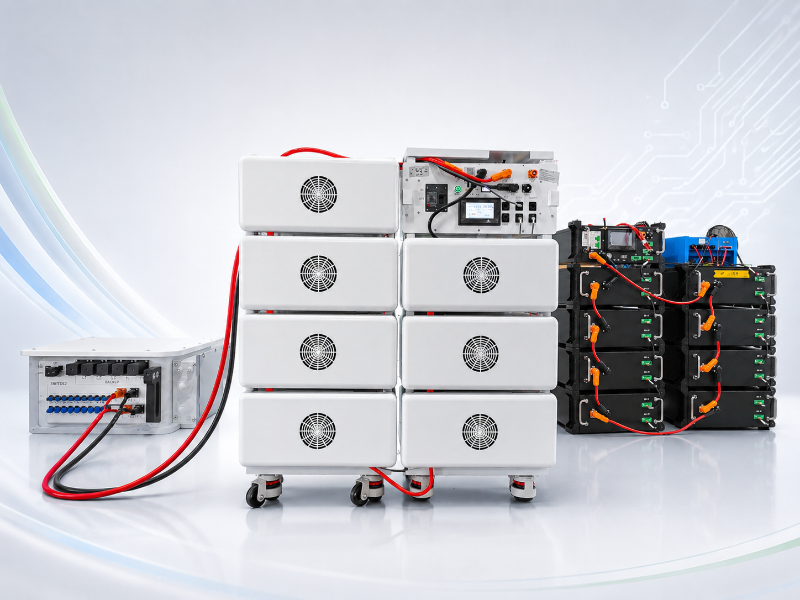
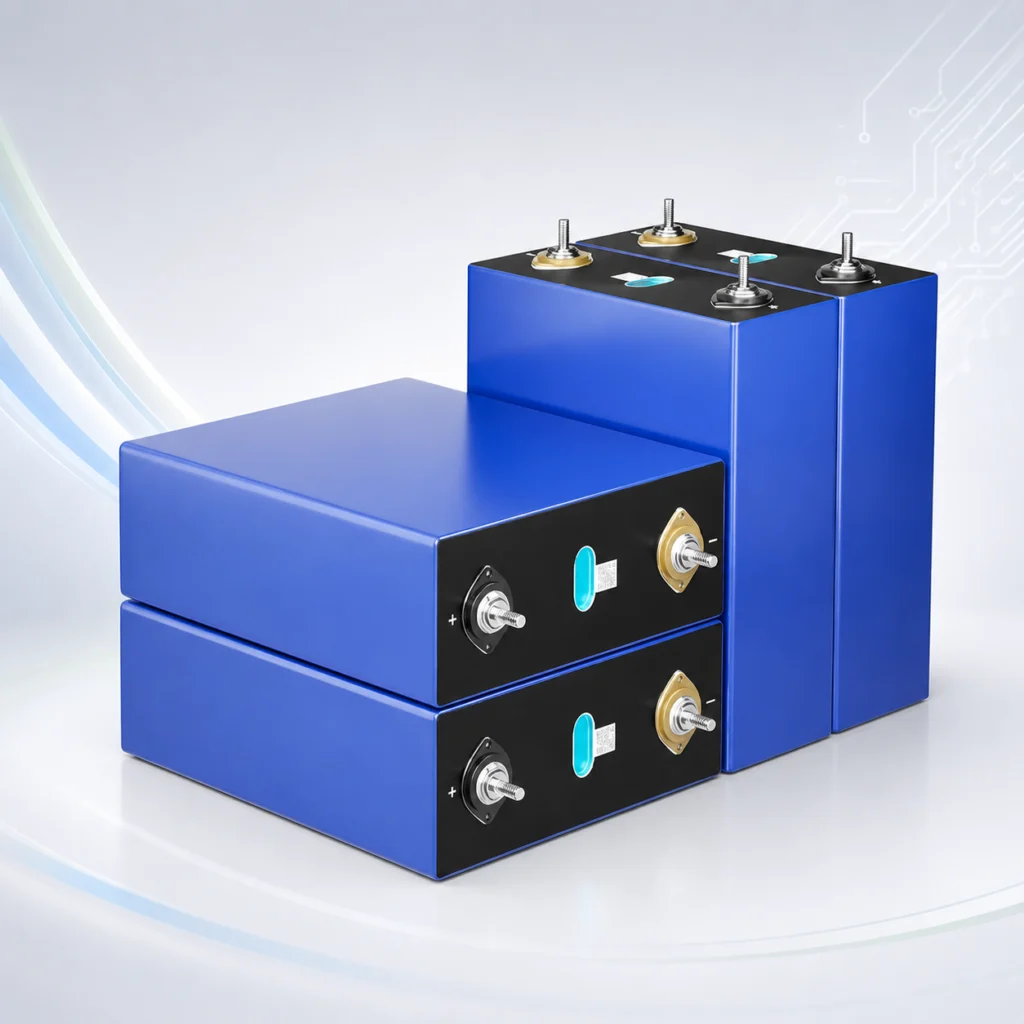
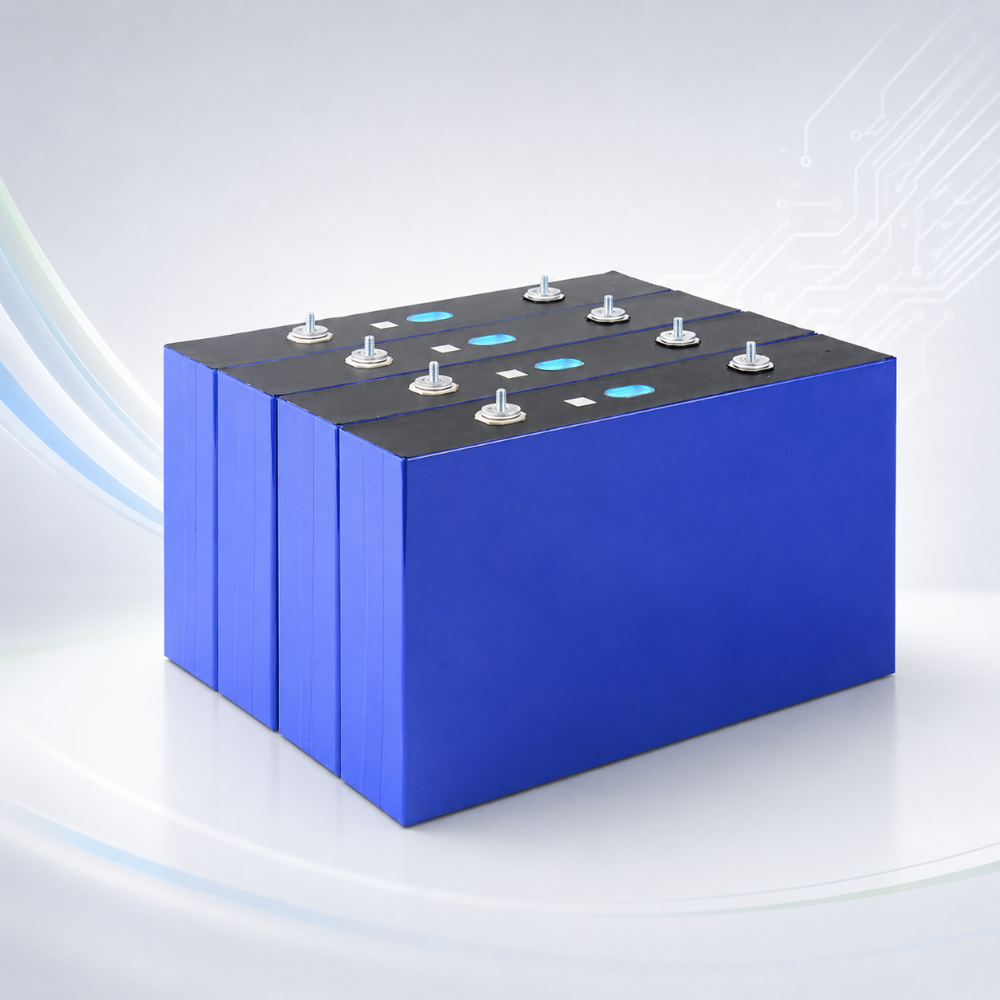
Home backup power systems help households maintain essential electricity during power outages, emergencies, and unstable grid conditions. Choosing the right battery is important for keeping essential appliances running and improving household energy independence. LiFePO4 batteries are a popular choice because of their safety, long cycle life, stable performance, and suitability for solar energy storage. When selecting a home backup battery, users should consider capacity, output power, battery management, inverter compatibility, and future energy needs.

Why Choose LiFePO4 Batteries for Home Backup Power?
LiFePO4 batteries are widely used in residential energy storage systems because they offer stable performance and reliable energy storage. Compared with traditional lead-acid batteries, they generally provide a longer cycle life, higher usable capacity, and lower maintenance requirements. These features make them suitable for households that need dependable backup electricity.
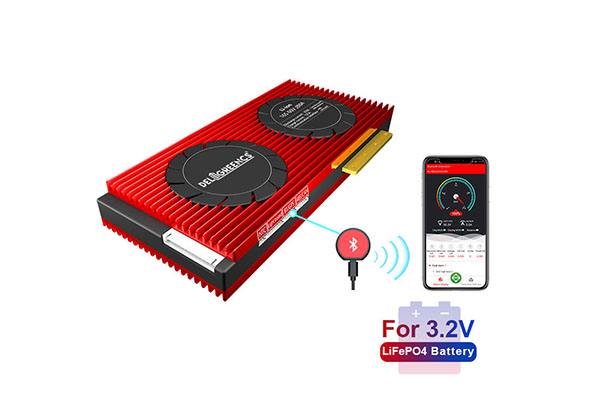
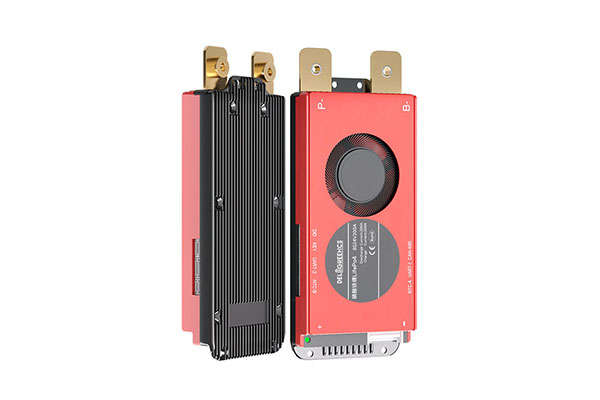
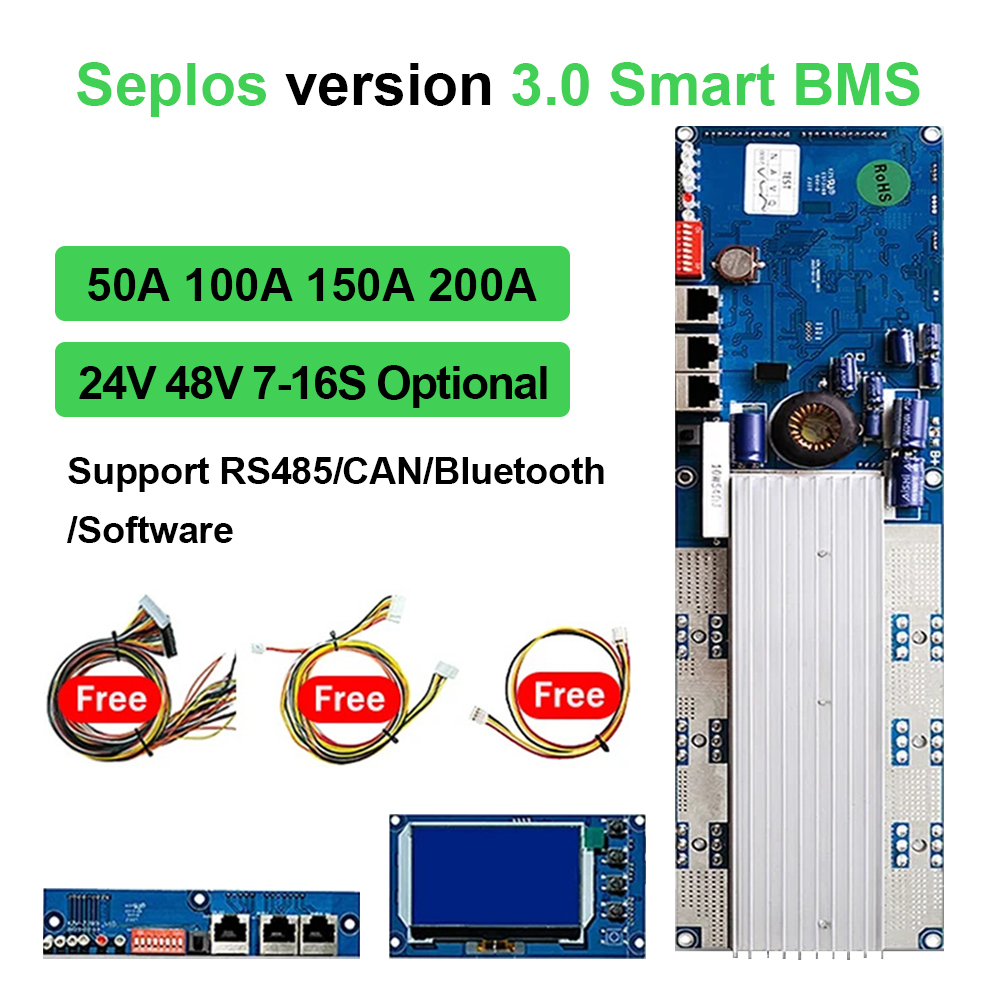
Safety is another important reason to choose LiFePO4 technology. The battery chemistry offers good thermal stability, helping reduce the risk of thermal runaway under normal operating conditions. A reliable battery management system (BMS) also monitors voltage, current, and temperature to help protect the battery during charging and discharging.
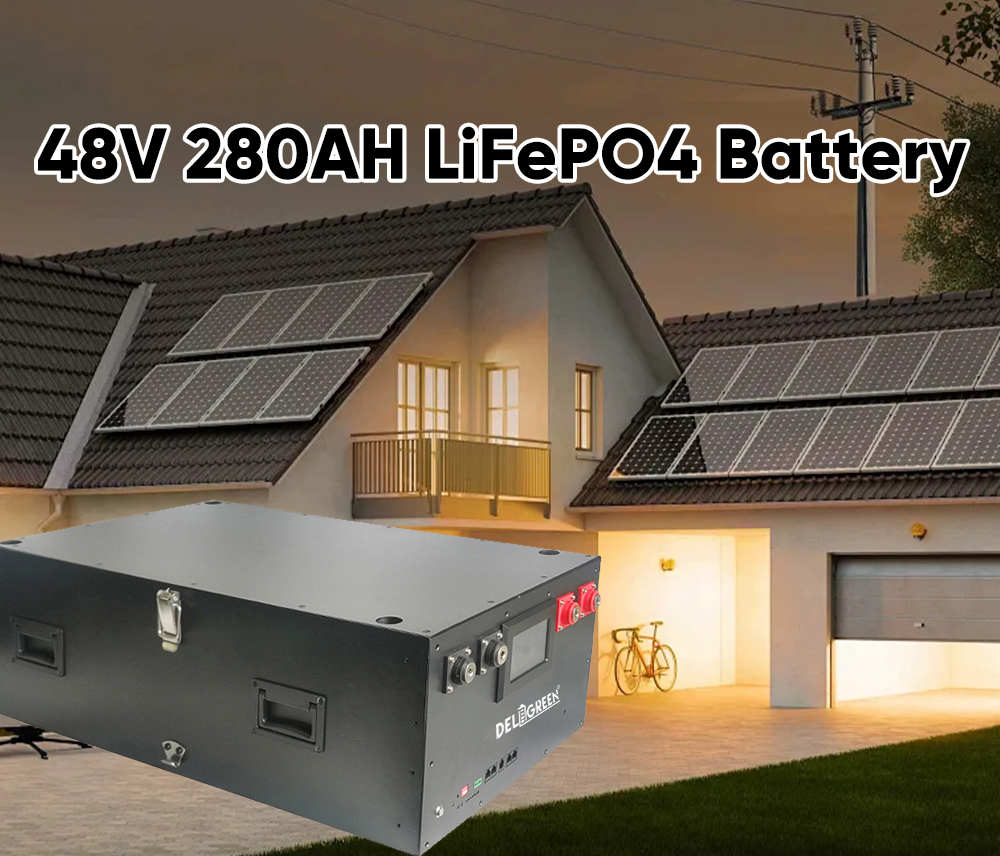
For households using solar panels, LiFePO4 batteries can store excess electricity generated during the day and supply power when sunlight is unavailable. This helps improve solar energy utilization and reduce dependence on the public electricity grid.
What Battery Capacity Is Suitable for Home Backup Power?
Battery capacity determines how long a home backup system can supply electricity. The right capacity depends on household energy consumption, the number of appliances that need backup power, and the expected duration of an outage.
Common capacity options include:
- 5kWh battery: Suitable for basic backup needs, such as lighting, Wi-Fi routers, mobile phone charging, and selected small appliances.
- 10kWh battery: A practical option for households that need to power several essential appliances, including refrigerators, lights, computers, and televisions.
- 15kWh battery: Suitable for larger households or users who need longer backup times and more electricity during outages.
- 20kWh or larger battery: A good option for households with higher electricity consumption, larger solar systems, or greater backup power requirements.
When choosing capacity, users should consider which appliances must remain operational during a power outage. High-power appliances such as air conditioners, electric water heaters, and electric ovens can consume substantial energy. A battery with sufficient capacity and output power is essential for supporting these devices.
What Battery Performance Should You Check?
Capacity is important, but it is not the only specification that determines whether a battery is suitable for home backup power. Battery performance, protection functions, and system compatibility also affect long-term reliability.
A suitable home backup battery should have the following features:
- Reliable BMS protection: The battery management system should provide protection against overcharging, over-discharging, overcurrent, and abnormal temperatures.
- Long cycle life: A longer cycle life helps reduce replacement frequency and improve the long-term value of the energy storage system.
- Stable discharge performance: The battery should provide consistent power to connected household appliances.
- Suitable operating temperature: Check the recommended charging and discharging temperature ranges, especially when the battery is installed in a garage or outdoor storage area.
- Reliable communication: Communication functions such as CAN or RS485 can help the battery work with compatible inverters and energy management systems.
Users should also check the battery’s rated voltage, continuous discharge current, maximum output power, and warranty conditions. These specifications help determine whether the battery can meet actual household electricity requirements.
How to Match a Home Backup Battery with a Solar System?
Combining a LiFePO4 battery with solar panels can create a more flexible home energy storage system. During the day, solar panels generate electricity to supply household loads. Any available surplus energy can be stored in the battery for use at night or during a power outage.
A suitable system requires coordination between the battery, solar panels, inverter, and household electrical equipment. The inverter must support the battery’s voltage and communication requirements. Its output power should also be sufficient for the appliances that need backup electricity.
Before purchasing a system, consider the following points:
- Solar panel capacity: Choose a solar panel configuration that matches household electricity consumption and the expected battery charging requirements.
- Inverter compatibility: Confirm that the inverter supports the battery’s voltage, charging parameters, and communication protocol.
- Backup output: Check whether the inverter can provide enough power for essential appliances during a grid outage.
- Installation location: Select a dry, well-ventilated location that meets the battery manufacturer’s installation requirements.
- System expansion: If electricity demand may increase in the future, check whether additional batteries can be connected to expand storage capacity.
A properly matched solar and battery system can improve energy utilization and provide more dependable backup electricity.
What Should You Consider When Buying a LiFePO4 Home Backup Battery?
Choosing a reliable supplier is just as important as selecting the right battery specifications. A suitable battery should match the household’s electricity requirements and work reliably with the existing or planned energy storage system.
Before placing an order, pay attention to these purchasing details:
- Battery specifications: Confirm rated capacity, voltage, output power, charging current, and discharge current.
- BMS functions: Check the protection features and battery monitoring capabilities.
- Inverter compatibility: Ask the supplier to confirm compatibility with your inverter model.
- Product certifications: Review the relevant safety and quality certifications for the target market.
- Warranty and technical support: Understand the warranty period, after-sales service, and technical assistance available.
- Customization options: For special installation requirements, ask whether battery capacity, dimensions, voltage, and communication functions can be customized.
A reliable LiFePO4 battery can provide stable backup electricity for daily household needs and unexpected power outages. By selecting suitable capacity, checking key performance specifications, and ensuring compatibility with the inverter and solar system, homeowners can build an energy storage solution that meets their current requirements and supports future expansion.