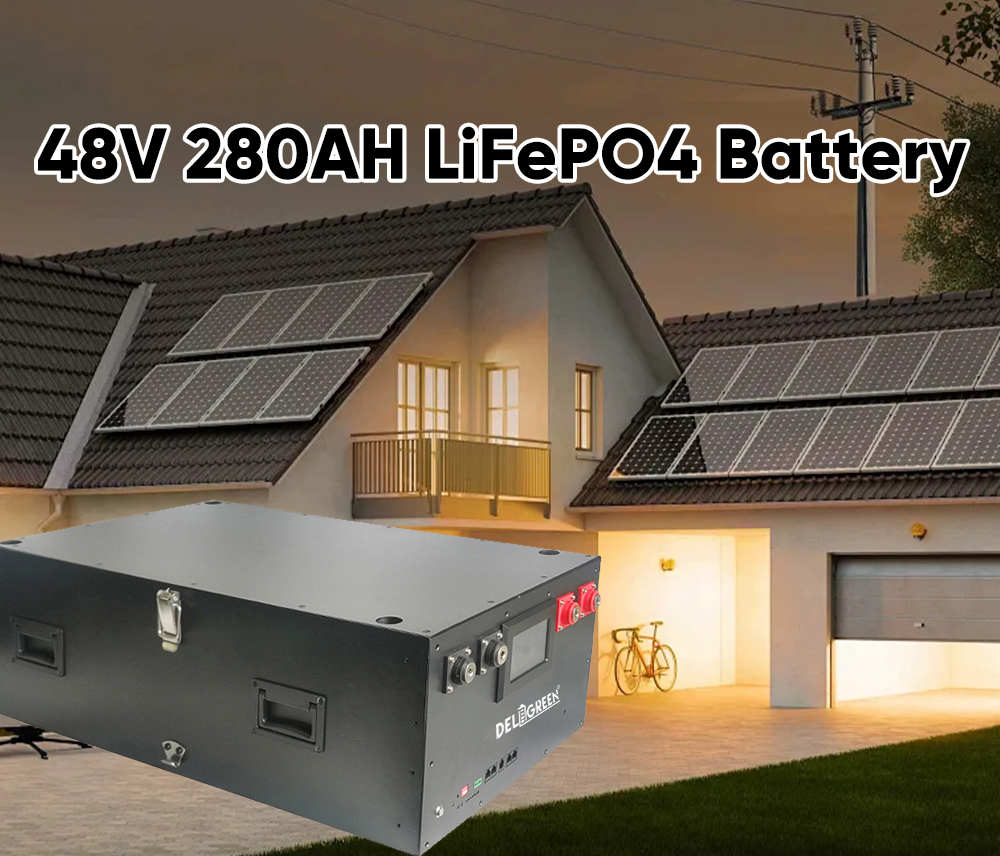
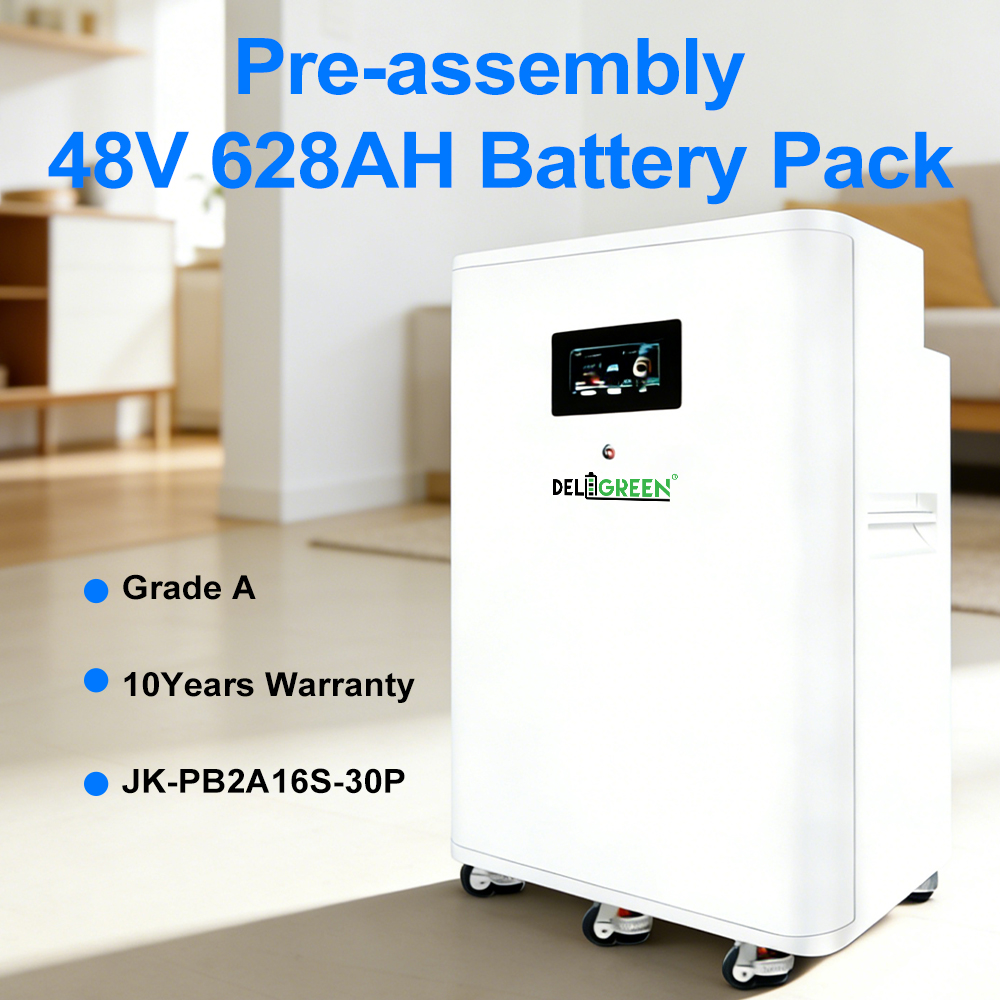
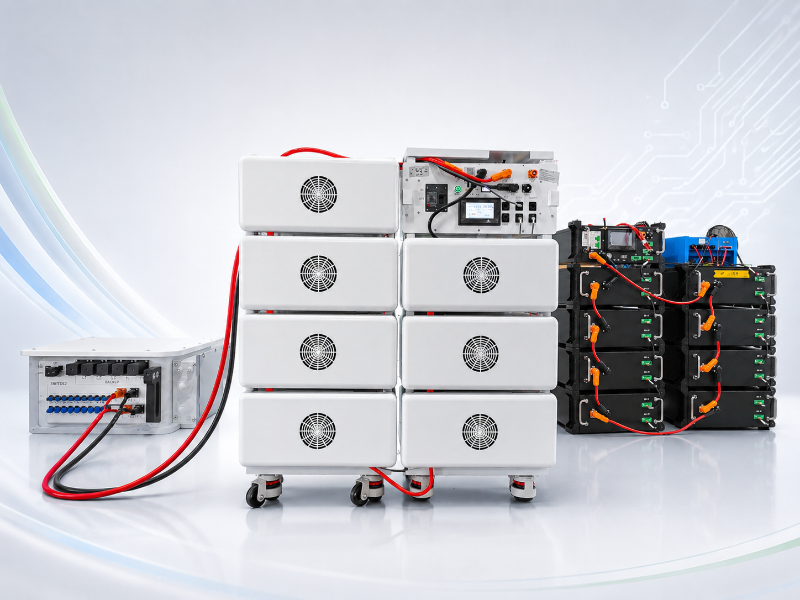
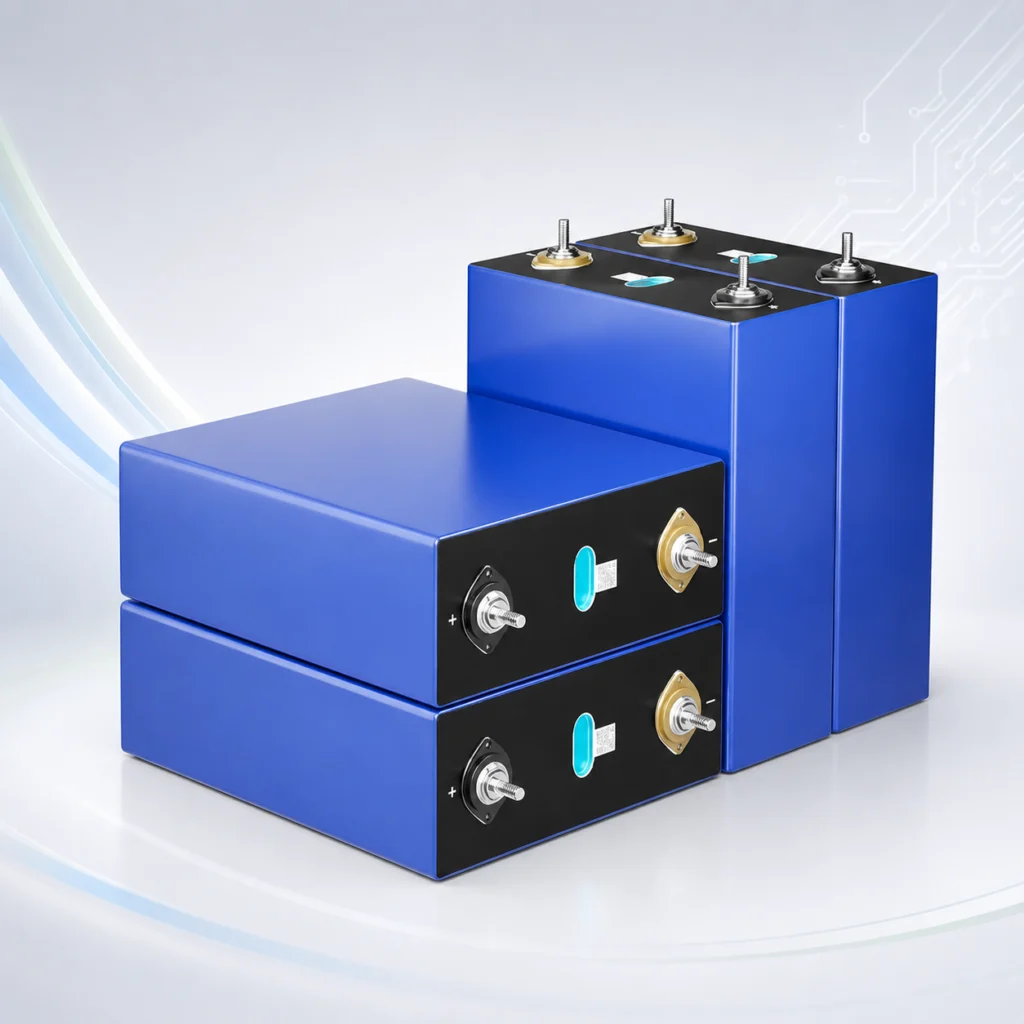
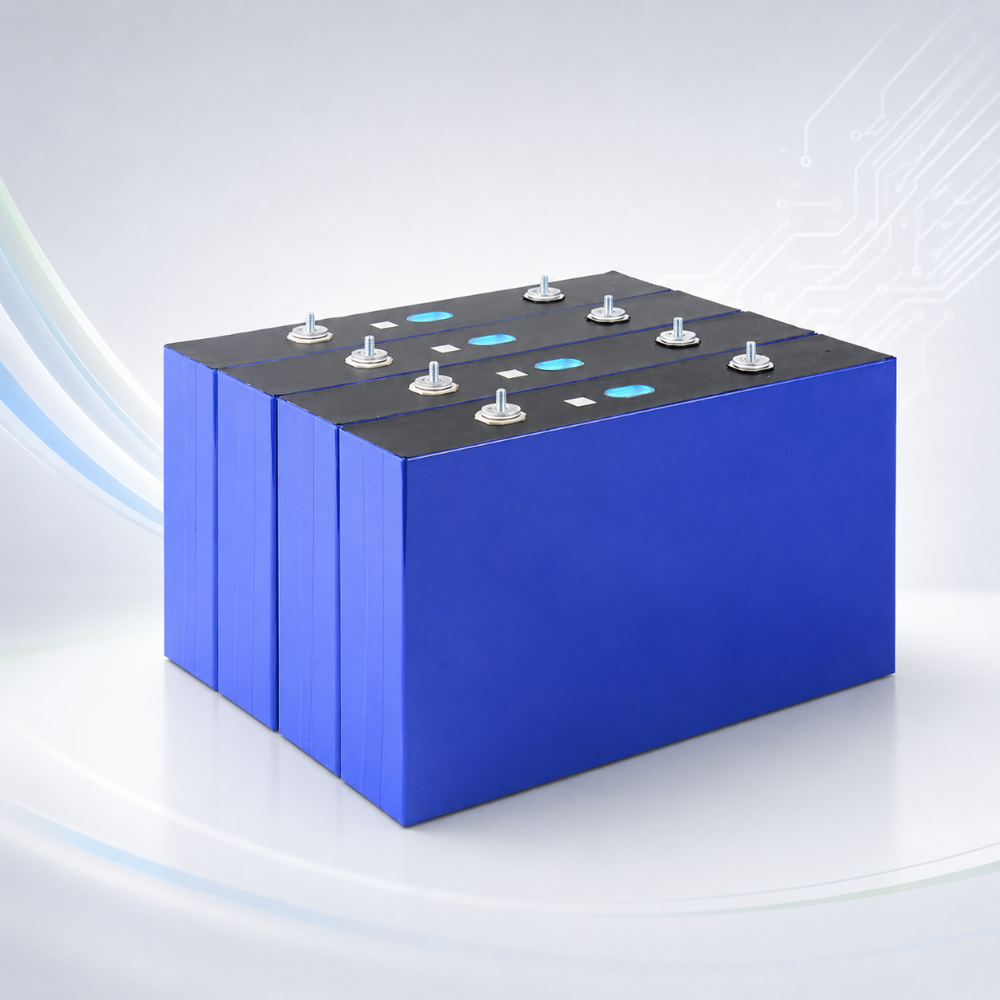
A 5kWh home energy storage battery is a common residential storage option. It is suitable for households that want to store solar energy, reduce dependence on the power grid, or have a backup power supply. A 5kWh rating represents the battery’s nominal storage capacity. However, the actual usable energy depends on factors such as depth of discharge, inverter efficiency, battery condition, and ambient temperature.
Whether a 5kWh battery can meet a household’s daily electricity needs depends mainly on the appliances used, their power consumption, and the required backup time. For households that mainly use lights, refrigerators, televisions, and network devices, a 5kWh battery can provide useful power support. However, homes that need to run air conditioners, electric water heaters, or other high-power appliances for extended periods may require a larger storage capacity.

How Much Daily Electricity Can a 5kWh Home Battery Supply?
A 5kWh home energy storage battery is suitable for households with low to moderate electricity consumption. It can also serve as the basic unit of a larger home energy storage system. For households that mainly use lighting, refrigerators, televisions, routers, and computers, a 5kWh battery can provide useful power during the evening and at night when electricity use is properly managed.
If a household consumes a large amount of electricity every day or wants to continue using air conditioners, washing machines, induction cookers, and other appliances during a power outage, a single 5kWh battery may not provide enough backup power for an extended period.
Users should also distinguish between nominal capacity and actual usable capacity. Batteries are not normally discharged completely under all operating conditions, and inverters and electrical connections also cause some energy loss. When choosing a battery, evaluate its actual usable energy rather than relying only on the stated 5kWh capacity.
Which Household Appliances Can a 5kWh Storage Battery Power?
A 5kWh storage battery is more suitable for common household appliances with low or moderate power consumption. Different appliances have different power ratings and operating times, so their energy consumption can vary significantly. Common choices include:
- Lighting: LED lights have low power consumption and are suitable for regular nighttime use.
- Refrigerators: Refrigerators need to operate continuously, but their compressors do not always run at full power. Actual consumption depends on the model, ambient temperature, and usage frequency.
- Televisions and Routers: These devices are suitable for everyday entertainment and home network backup.
- Computers and Phone Chargers: A 5kWh battery can support home office work, studying, and charging mobile devices.
- Small Kitchen Appliances: Rice cookers and microwaves can be used for short periods, but their rated power and startup requirements should be checked.
When several appliances operate at the same time, the battery will discharge more quickly. Users can prioritize essential loads such as refrigerators, lighting, internet equipment, and communication devices. Other appliances can be used according to the remaining battery capacity. This approach helps make better use of a 5kWh battery as a backup power source.
How Long Can a 5kWh Battery Last?
The actual operating time of a 5kWh battery depends on the total power consumption of connected appliances, their daily operating hours, and the battery’s usable capacity. If a household only uses a refrigerator, LED lights, a router, and a television, the battery may provide power for a relatively long period. However, if air conditioners, electric kettles, induction cookers, and other high-power appliances operate at the same time, stored energy will be consumed much faster.
Air conditioner consumption can also vary depending on outdoor temperature, the selected temperature, and operating mode. When planning a home energy storage system, users should record the power ratings and daily operating times of their commonly used appliances. This information helps determine which essential loads should be supported by the battery.
For backup power applications, it is advisable to prioritize appliances that must remain operational during an outage rather than connecting every household appliance to a 5kWh battery. Users should also check the inverter’s continuous output power and peak power to ensure that it can handle appliance startup and normal operation.
When Should You Choose a Larger Home Energy Storage Battery?
If a household has high daily electricity consumption or needs to maintain normal living conditions during an extended power outage, a 5kWh battery may not provide enough storage capacity. This is particularly relevant for homes using central air conditioning, electric water heaters, ovens, induction cookers, and electric vehicle charging equipment.
In these situations, users can consider 10kWh, 15kWh, or larger LiFePO4 energy storage batteries. When choosing a larger battery, it is also important to check whether the solar panels can generate enough electricity to charge it. Otherwise, the battery may not reach a full charge regularly.
For homes with existing solar systems, the storage capacity should be selected according to daytime solar generation, nighttime electricity consumption, and the required backup time. If additional appliances may be installed in the future, a modular battery system that supports capacity expansion can provide greater flexibility.
What Should You Check When Buying a 5kWh Home Energy Storage Battery?
When selecting a 5kWh home energy storage battery, consider more than its capacity. Battery chemistry, cycle life, BMS protection, charging and discharging power, and inverter compatibility are also important. LiFePO4 batteries offer good thermal stability and a long cycle life, making them suitable for residential solar energy storage and backup power applications.
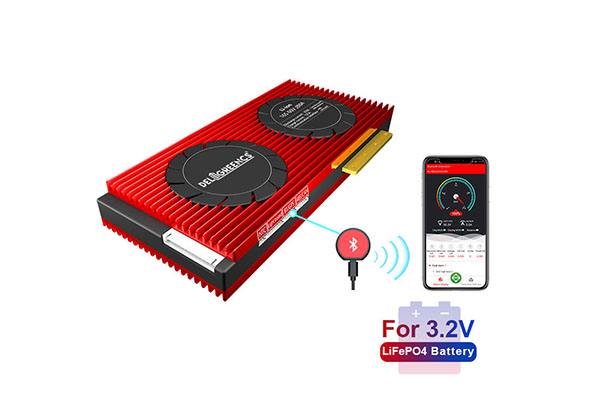
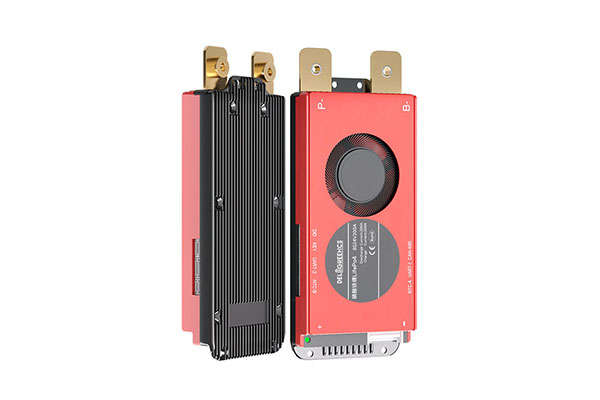
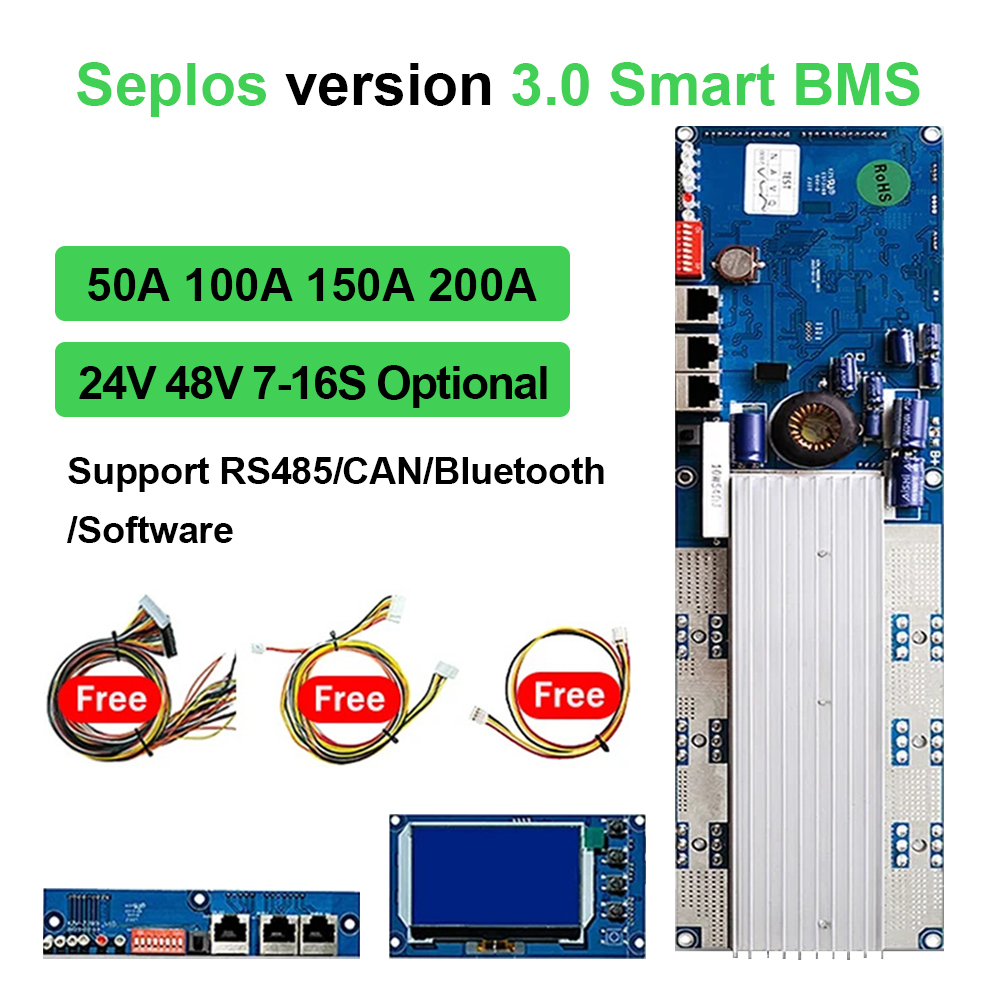
A battery management system (BMS) monitors battery operating conditions and provides protection against overcharging, over-discharging, overcurrent, short circuits, and abnormal temperatures. These functions help improve the safety and reliability of the battery pack. Users should also confirm that the battery’s rated voltage, communication protocol, and installation method are compatible with their existing energy storage equipment.
Before purchasing, check the following specifications:
- Usable Capacity: Check the depth of discharge and actual usable energy to determine whether the battery meets household load requirements.
- Charging and Discharging Power: Confirm that the battery can support multiple appliances operating at the same time and meet their startup requirements.
- Cycle Life and Warranty: Review the manufacturer’s cycle test conditions, warranty period, and after-sales service policy.
- Expansion Capability: If household electricity consumption may increase in the future, consider a battery that supports parallel connections or modular capacity expansion.
A 5kWh home energy storage battery is suitable for households with low to moderate electricity consumption. It can power lighting, refrigerators, televisions, network equipment, and some small household appliances. Homes with higher electricity demand or longer backup power requirements should consider larger LiFePO4 batteries. Properly matching battery capacity, inverter power, and solar generation can improve system efficiency and provide more reliable electricity for daily household use.